
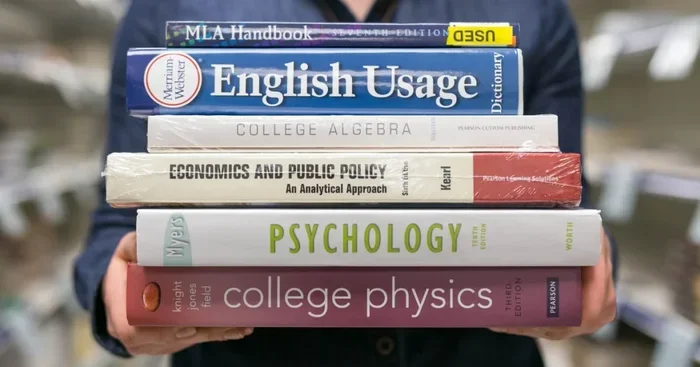
A major in education is a focused area of study in college that prepares you for a teaching career or other roles in the education field. It covers core subjects like curriculum design, classroom management, and child development. Choosing the right education major can shape your career opportunities and help you make a real difference in classrooms.
Choosing a major in education is one of the most rewarding decisions you can make in college. It sets the foundation for a career that shapes young minds and builds stronger communities. But what exactly does it mean to major in education, and why should you care?
This guide breaks it all down in simple terms. We will walk you through what an education major involves, the different paths you can take, and how it can boost your career. Whether you are a high school student just starting to think about college or an adult considering a career change, this article has you covered.
Key Takeaways
- An education major gives you the skills and knowledge needed to teach and lead in schools.
- There are many types of education degree programs, from early childhood to secondary education.
- A major in education opens doors to careers beyond teaching, like administration and curriculum design.
- Choosing the right subject specialization is key to matching your passion with your career goals.
- Student teaching and fieldwork are essential parts of most education programs.
- Salaries and job outlook for education graduates are promising, especially in high-demand areas.
📑 Table of Contents
- What Is a Major in Education?
- Why Is a Major in Education Important?
- Types of Education Majors and Specializations
- Career Paths After Earning a Major in Education
- How to Choose the Right Education Major
- What to Expect During Your Education Program
- Skills You Develop as an Education Major
- Job Outlook and Salary Potential
- Common Mistakes to Avoid When Choosing an Education Major
- Final Thoughts
What Is a Major in Education?
A major in education is a focused area of study at the college level that prepares students for careers in teaching and the broader education field. Think of it as your main subject of interest throughout your university years. It usually takes about four years to complete and leads to a bachelor’s degree.
When you choose an academic major in education, you dive deep into how people learn. You study teaching methods, classroom strategies, and the psychology behind education. Most programs also include hands-on experience through student teaching.
Core Subjects in an Education Major
Every education degree program includes a set of core courses. These classes give you a strong base of knowledge. Here are some common subjects you will encounter:
- Foundations of Education: Learn about the history and purpose of schooling.
- Child Development: Understand how kids grow and learn at different ages.
- Classroom Management: Discover techniques to keep students engaged and focused.
- Curriculum Design: Learn how to plan lessons and build effective courses.
- Educational Psychology: Explore how students think, process information, and stay motivated.
These courses work together to give you a well-rounded view of the education field. They prepare you for real-world teaching situations.
Why Is a Major in Education Important?
A major in education matters more than many people realize. It does not just prepare you to stand in front of a classroom. It equips you with skills that apply to many careers and life situations.
Here is why investing in an education degree can change your life:
- It builds essential skills. You learn communication, planning, problem-solving, and leadership.
- It creates opportunities. A degree in education opens doors to many job roles, not just teaching.
- It gives you purpose. Few fields offer the chance to directly impact the next generation.
- It provides stability. Schools and educational institutions always need qualified professionals.
Think of your major as the backbone of your career. It gives structure and direction to everything you do after graduation.
Types of Education Majors and Specializations
Not all education majors are the same. There are many paths you can follow depending on your interests and goals. Each subject specialization leads to a different kind of career in the education field.
Early Childhood Education
This focus is all about teaching young children, usually from birth to age eight. If you love working with little ones and enjoy creating playful learning environments, this might be your perfect fit. You will learn about child development, early literacy, and age-appropriate teaching strategies.
Elementary Education
An elementary education major prepares you to teach multiple subjects to students in grades K through 5 or 6. You will study how to teach reading, math, science, and social studies all at once. This path is ideal if you enjoy variety and working with young learners.
Secondary Education
Secondary education focuses on teaching middle school or high school students. You usually pick a subject area like math, science, English, or history. This academic concentration allows you to go deep into one field while learning how to teach it effectively.
Special Education
A special education major prepares you to work with students who have diverse learning needs. This includes students with disabilities, gifted learners, and those with behavioral challenges. It is a deeply rewarding path that makes a huge difference in students’ lives.
Adult and Higher Education
Some education programs focus on teaching adults. This can include community college instruction, corporate training, or adult literacy programs. If you prefer working with mature learners, this is a great option.
Career Paths After Earning a Major in Education
One of the best things about a major in education is the wide range of careers it unlocks. Many people assume that education graduates only become classroom teachers. That is far from the truth.
Here are some career paths you can explore with an education degree:
- Classroom Teacher: The most common path. You teach students in public or private schools.
- School Administrator: Manage schools as a principal or assistant principal.
- Curriculum Designer: Create educational materials and lesson plans for schools and districts.
- Education Consultant: Advise schools and organizations on teaching strategies and programs.
- Instructional Coordinator: Oversee curriculum standards and teacher training.
- Education Policy Analyst: Work with government agencies to shape education laws and reforms.
- Corporate Trainer: Design and deliver training programs for businesses and organizations.
Each of these roles values the skills you build during your education program. Communication, organization, and critical thinking are at the heart of all of them.
How Your Major Shapes Your Career
The subject specialization you choose during your degree can influence your career direction. For example, a major in education with a focus on science might lead you to teach high school biology. Someone who majors in early childhood education might work in a preschool or daycare setting.
It is also worth noting that many education graduates find roles outside traditional schools. Nonprofits, museums, tutoring companies, and online learning platforms all value people with an education background.
If you are curious about how language and expression play a role in education, you might enjoy exploring similes for education or idioms for education. These can add color and depth to your teaching materials and help you connect with students in creative ways.
How to Choose the Right Education Major
Picking the right education major can feel overwhelming at first. But if you ask yourself a few key questions, the decision becomes much clearer.
Ask yourself these questions:
- What age group do I enjoy working with most?
- Do I prefer teaching one subject or multiple subjects?
- What are my long-term career goals in the education field?
- Do I want to work directly with students or behind the scenes?
- What type of degree program fits my lifestyle and schedule?
Take your time with this decision. Your major should align with your passions and strengths. Talk to advisors, shadow teachers, and look into different education programs to find your best match.
What to Expect During Your Education Program
Most education degree programs follow a structured path. The first two years usually focus on general education courses and foundational teaching knowledge. The last two years dive deeper into your chosen subject specialization and include hands-on practice.
The Student Teaching Experience
One of the most important parts of any major in education is student teaching. This is where you step into a real classroom and work alongside an experienced teacher. You plan lessons, manage students, and put everything you have learned into practice.
Student teaching can be challenging, but it is also incredibly valuable. It gives you a taste of what your career will actually look like day to day. Many graduates say it was the most transformative part of their education program.
Certification and Licensing
After you complete your education degree, you will usually need to earn a teaching certificate or license. Requirements vary by state and country. Most involve passing exams and completing background checks. Your university program will guide you through this process.
Skills You Develop as an Education Major
A major in education does more than teach you how to deliver lessons. It helps you grow a wide range of skills that employers value in many fields.
- Communication: You learn to explain complex ideas in simple, clear ways.
- Leadership: Managing a classroom builds strong leadership abilities.
- Adaptability: Every class is different, so you learn to adjust on the fly.
- Empathy: Working with diverse students teaches you to understand different perspectives.
- Organization: Planning lessons and managing schedules sharpens your organizational skills.
- Problem-Solving: You constantly find creative solutions to challenges in the classroom.
These skills are not just useful in teaching. They apply to any career in the education field and beyond. Employers across industries value people who can communicate clearly and adapt to change.
Job Outlook and Salary Potential
Many people wonder about job prospects and pay when considering a major in education. The good news is that the demand for qualified education professionals remains strong.
According to the Bureau of Labor Statistics, jobs for teachers are projected to grow steadily over the next decade. Special education teachers, in particular, are in high demand. School administrators and curriculum designers also see positive growth trends.
Salaries vary depending on your role, location, and level of experience. But the education field offers competitive pay, especially as you gain experience and move into leadership roles. Many districts also offer benefits like health insurance, retirement plans, and summer breaks.
Common Mistakes to Avoid When Choosing an Education Major
Choosing a major in education is a big decision. And like any big decision, there are some common pitfalls to watch out for.
Choosing Based Only on Salary
Money matters, but it should not be the only factor. Teaching and education roles require passion and dedication. If you choose your education degree just for the pay, you may burn out quickly.
Ignoring Your Interests
Do not pick a subject specialization just because someone else thinks it is a good idea. You will spend years studying this topic. Choose something you genuinely enjoy.
Skipping the Research
Not all education programs are the same. Some have stronger hands-on components. Others offer better student teaching placements. Research different programs before committing.
Overlooking Alternative Careers
Remember that an education major does not lock you into teaching forever. The skills you gain apply to many careers. Keep your options open as you explore the education field.
Final Thoughts
A major in education is more than just a college degree. It is a pathway to a meaningful career that impacts lives every single day. Whether you dream of standing in a classroom, designing curricula, or shaping education policy, an education degree gives you the tools to get there.
Take time to explore your options. Talk to advisors, shadow professionals, and reflect on what truly drives you. The right education major can set you up for a fulfilling and stable career. Start your journey today, and see where it takes you.
For more fun and creative ways to express ideas in the classroom, check out our guide on metaphors for education. It is a great resource for making your lessons more engaging and memorable.
Frequently Asked Questions
What exactly is a major in education?
A major in education is a focused college program that prepares students for careers in teaching and the broader education field. It includes coursework in teaching methods, child development, and classroom practice, along with hands-on student teaching experience.
How long does it take to complete an education major?
Most education degree programs take about four years to complete for a bachelor’s degree. Some accelerated programs or part-time options may take longer or shorter, depending on your schedule and prior credits.
Can I work in education without being a teacher?
Absolutely. An education major opens doors to many careers beyond the classroom. You can work in school administration, curriculum design, education consulting, policy analysis, or corporate training.
Is a major in education worth it?
Yes, a major in education is worth it if you are passionate about shaping minds and making a difference. It offers stable career opportunities, meaningful work, and skills that apply across many industries.
What is the difference between an education major and a subject major?
A major in education focuses on how to teach, while a subject major focuses on a specific discipline like math or history. Many programs combine both, allowing you to specialize in a subject area while learning teaching strategies.
Do I need a certification after completing an education major?
In most cases, yes. After earning your education degree, you will typically need a teaching license or certification to work in public schools. Requirements vary by state and country, so check with your local education department.
=== CONCLUSION ===
A major in education is one of the most impactful choices you can make in your academic and professional life. It gives you the knowledge, skills, and real-world experience needed to thrive in the education field. From early childhood to adult learning, the options are vast and rewarding.
Take the time to explore your interests, research programs, and find the right education major for you. The journey may have its challenges, but the payoff is immense. You will be shaping futures, one classroom at a time.


