
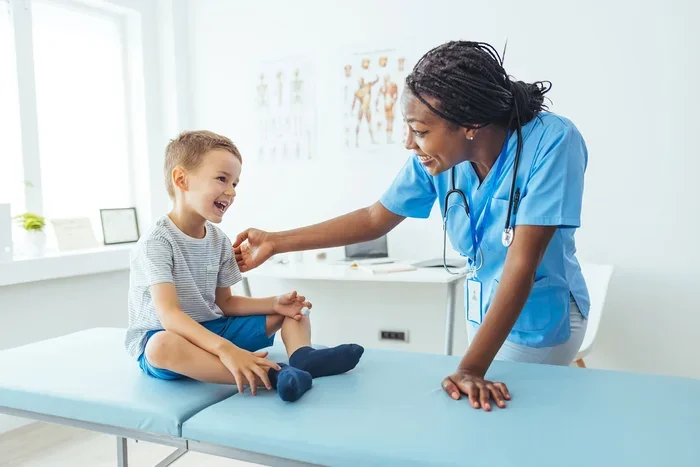
To become a pediatric nurse, you need a solid educational foundation that includes a nursing degree, clinical training, and specialized certifications. This guide walks you through every step of what education is needed to become a pediatric nurse, from choosing the right degree program to passing licensing exams and gaining hands-on experience in pediatric care. Whether you are just starting out or switching careers, this article gives you a clear roadmap.
Choosing a career in healthcare is a big decision. If you love working with children, pediatric nursing might be your calling. But before you can start caring for young patients, you need the right education. This article breaks down exactly what education is needed to become a pediatric nurse. You will learn about degrees, certifications, clinical hours, and everything else that stands between you and your dream job.
The path to becoming a pediatric nurse is clearer than you might think. Many people assume it takes years of complicated schooling. While there is real work involved, the journey is well-structured and rewarding. Every step you take builds skills that help you make a difference in a child’s life. Let us walk through it together.
Key Takeaways
- Earn a Nursing Degree: You need either an ADN or BSN to become a registered nurse.
- Pass the NCLEX-RN Exam: This is the mandatory licensing test for all nurses.
- Gain Pediatric Experience: Clinical rotations and work in a pediatric ward build essential skills.
- Get Certified: Optional certifications like CPN boost your credentials and career options.
- Consider Advancing: A BSN or higher opens doors to pediatric nurse practitioner roles.
- Continuous Learning Matters: Healthcare evolves fast, so ongoing education keeps you competitive.
📑 Table of Contents
- What Education Is Needed to Become a Pediatric Nurse: The Basics
- Core Courses in Pediatric Nursing Education
- Licensing and Certification: What Comes After Your Degree
- Advanced Education: Taking Your Career Further
- Skills You Will Build Through Pediatric Nursing Education
- Comparing Education Pathways for Pediatric Nursing
- Tips for Succeeding in Pediatric Nursing School
- Common Mistakes to Avoid When Pursuing Pediatric Nursing Education
- Expert Insights on Pediatric Nursing Education
- Key Takeaways
What Education Is Needed to Become a Pediatric Nurse: The Basics
At its core, pediatric nursing is a specialty within nursing that focuses on the care of infants, children, and adolescents. To enter this field, you must first become a registered nurse. This means completing an accredited nursing program and passing a national licensing exam. The education requirements are set by regulatory bodies to ensure every nurse can provide safe, effective care.
The good news is that there are multiple pathways to get there. You do not need a single rigid route. Whether you want a quick entry into the workforce or a deep, comprehensive education, there is an option that fits your goals. Below, we explore each pathway in detail so you can make an informed choice.
High School Preparation
Before you even apply to a nursing program, your high school years matter. Strong grades in science and math set a solid foundation. Courses in biology, chemistry, and anatomy give you a head start. Many nursing schools also look for good communication skills, which come from English and speech classes.
During high school, consider volunteering at a hospital or clinic. This exposure helps you understand what healthcare looks like day to day. It also strengthens your application when you apply to nursing programs. Think of it as a preview of the rewarding work ahead.
Choosing the Right Nursing Degree
There are two main degree paths for aspiring pediatric nurses. The first is an Associate Degree in Nursing, commonly known as an ADN. This program takes about two years to complete at a community college. It covers the core nursing skills and knowledge you need to pass the licensing exam.
The second option is a Bachelor of Science in Nursing, or BSN. A BSN program takes four years at a college or university. It goes deeper into nursing theory, leadership, and research. Many employers prefer candidates with a BSN, and it gives you more flexibility for career growth. Both degrees qualify you to become a registered nurse, but the BSN opens more doors over time.
Some people also choose to earn a BSN after completing an ADN through an RN-to-BSN bridge program. This is a great option if you want to start working quickly and then advance your education later. It gives you the best of both worlds.
Core Courses in Pediatric Nursing Education
Once you enroll in a nursing program, you will take a mix of general education classes and specialized nursing courses. Understanding what courses you will face helps you prepare mentally and academically. The curriculum is designed to build your knowledge step by step.
Anatomy and Physiology
This course teaches you how the human body works. You will study bones, muscles, organs, and systems. For pediatric nursing, you also learn how a child’s body differs from an adult’s. Children are not just small adults. Their bodies grow, change, and respond to illness differently. This course gives you the biological foundation you need.
Pharmacology for Nurses
Pediatric nurses give medications to young patients. Pharmacology classes teach you how drugs work, proper dosing, and potential side effects. Dosing for children is very different from adults. You must calculate carefully based on weight and age. This course is challenging but absolutely essential for safe practice.
Child Development and Psychology
Working with children means understanding how they grow and think. This course covers developmental milestones from birth through adolescence. You will learn how to communicate with kids at different ages. A five-year-old needs a very different approach than a teenager. Understanding child psychology helps you build trust and provide comfort during scary moments.
Clinical Rotations in Pediatric Settings
Classroom learning is only half the equation. Clinical rotations put you in real healthcare environments where you work directly with patients. Most nursing programs include pediatric clinical hours. You might spend time in a children’s hospital, a pediatric clinic, or a general ward with a pediatric unit.
During these rotations, you practice skills like taking vital signs, administering IVs, and assisting with procedures. You also learn how to comfort frightened children and support their families. Clinical experience is where theory meets real life, and it is one of the most valuable parts of your education.
Licensing and Certification: What Comes After Your Degree
Finishing your degree is a huge milestone, but you are not quite a pediatric nurse yet. You must pass a licensing exam and, in many cases, earn a specialty certification. These steps prove that you have the knowledge and skills to practice safely.
The NCLEX-RN Exam
Every registered nurse must pass the National Council Licensure Examination, or NCLEX-RN. This computer-based test covers everything you learned in your nursing program. It includes questions on safe care environments, health promotion, and pharmacological therapies. You need to pass this exam before you can practice as a nurse in any state.
Preparing for the NCLEX takes serious effort. Most students spend several weeks or months studying. There are review courses, practice tests, and study guides available. Think of it as the final exam that unlocks your entire career. Passing it means you are ready to start working as a licensed RN.
Pediatric Nursing Certification
After you become an RN, you can pursue a pediatric nursing certification. The most common one is the Certified Pediatric Nurse, or CPN, credential. This certification is offered by the Pediatric Nursing Certification Board. While it is not always required, it shows employers that you have specialized knowledge in pediatric care.
To qualify for the CPN exam, you need a certain number of hours working in pediatric nursing. The exact requirements vary, so check with the certifying body. Many hospitals value certified nurses and may offer higher pay or better positions to those who hold the credential. It is a smart investment in your career.
Advanced Education: Taking Your Career Further
Once you are working as a pediatric nurse, you might want to grow even more. Advanced education opens up new roles and higher responsibilities. Many pediatric nurses eventually pursue degrees that allow them to take on leadership or specialized clinical positions.
Bachelor of Science in Nursing (BSN)
If you start with an ADN, going back for a BSN is a popular next step. Many hospitals now require or prefer nurses with a BSN. The degree deepens your understanding of nursing research, management, and community health. It also positions you for roles that go beyond bedside care.
Online RN-to-BSN programs make this transition easier. You can often keep working while you study. The flexible format lets you balance job responsibilities with school. Completing a BSN typically takes one to two years for an RN with an associate degree.
Master’s Degree and Pediatric Nurse Practitioner
For those who want even more autonomy, a master’s degree is the next level. A Master of Science in Nursing, or MSN, can lead to becoming a pediatric nurse practitioner, or PNP. Nurse practitioners can diagnose illnesses, prescribe medications, and create treatment plans. They often work in pediatric clinics, hospitals, or private practices.
Becoming a PNP requires several more years of education after your BSN. You will complete graduate-level coursework and advanced clinical training. The payoff is significant. Pediatric nurse practitioners often earn higher salaries and enjoy greater independence in their practice. It is a path worth considering if you want to make an even bigger impact in child health.
Skills You Will Build Through Pediatric Nursing Education
Education in pediatric nursing is not just about textbooks and exams. It shapes the skills you use every single day on the job. These abilities go far beyond what you learn in a classroom and become second nature over time.
- Communication with Children: You learn to explain medical procedures in simple, reassuring language. Kids need to feel safe and understood.
- Family-Centered Care: Parents and caregivers are essential partners in a child’s healing. Education teaches you how to work with families effectively.
- Critical Thinking: Children can deteriorate quickly. Pediatric nurses must recognize warning signs fast and respond appropriately.
- Emotional Resilience: Caring for sick children is emotionally demanding. Nursing education helps you develop coping strategies and self-care habits.
- Technical Skills: From IV insertion to monitoring equipment, hands-on training builds the technical confidence you need at the bedside.
These skills are what make pediatric nursing such a fulfilling career. You are not just treating a condition. You are supporting a whole child and their family through some of the hardest moments of their lives.
Comparing Education Pathways for Pediatric Nursing
Choosing a pathway depends on your goals, timeline, and financial situation. Here is a simple comparison of the main options to help you decide.
| Pathway | Duration | Degree Earned | Career Flexibility |
|---|---|---|---|
| ADN Program | 2 years | Associate Degree in Nursing | Entry-level RN roles |
| BSN Program | 4 years | Bachelor of Science in Nursing | Broader opportunities, higher pay |
| RN-to-BSN Bridge | 1-2 years | Bachelor of Science in Nursing | Advancement while working |
| MSN / PNP Program | 2-3 years post-BSN | Master of Science in Nursing | Advanced practice roles |
Each pathway has its strengths. The ADN gets you into the workforce fast. The BSN gives you a stronger foundation and more options. The bridge program lets you earn while you learn. And the MSN opens the door to advanced practice. Think about where you want to be in five or ten years, and choose the path that aligns with that vision.
Tips for Succeeding in Pediatric Nursing School
Nursing school is demanding. It requires dedication, discipline, and a genuine passion for helping others. Here are some practical tips to help you succeed.
- Stay organized. Use planners and calendars to track assignments, exams, and clinical hours.
- Form study groups. Learning with peers makes tough material easier and keeps you motivated.
- Practice clinical skills early and often. The more you practice, the more confident you will feel during rotations.
- Ask for help when you need it. Professors, tutors, and classmates are all valuable resources.
- Take care of your mental health. Burnout is real in nursing school. Rest, exercise, and maintain your support network.
Remember that every successful pediatric nurse once sat where you are now. The journey is challenging, but it is also filled with moments of joy and discovery. Keep your “why” front and center, and the hard work will feel worth it.
Common Mistakes to Avoid When Pursuing Pediatric Nursing Education
Many aspiring nurses make avoidable mistakes during their educational journey. Steering clear of these pitfalls can save you time, money, and frustration.
- Skipping prerequisites: Some students rush into nursing programs without completing required courses. This can lead to struggling in core classes later.
- Ignoring clinical hours: Clinical experience is where real learning happens. Treat every rotation as an opportunity, not a checkbox.
- Choosing a program based on cost alone: Affordability matters, but accreditation and reputation matter more. Make sure your program is accredited by a recognized body.
- Not planning for certification: If you want the CPN credential, start thinking about it early. Know the requirements and plan your career path accordingly.
Avoiding these mistakes puts you on a smoother path to becoming a qualified pediatric nurse. Small decisions early on can have a big impact on your career trajectory.
Expert Insights on Pediatric Nursing Education
We spoke with experienced pediatric nurses and educators to get their perspective on what makes for the best educational preparation. Their advice highlights the importance of both formal education and hands-on experience.
One pediatric nurse with over fifteen years of experience shared this insight: “The nurses who do best in pediatrics are the ones who genuinely connect with children. You can teach clinical skills in school, but empathy and patience come from the heart.” This echoes what many educators emphasize. Nursing school gives you the tools, but your personality and passion bring the care to life.
Another expert pointed out that continuing education is critical. “Healthcare changes fast. New treatments, new technologies, new guidelines. The nurses who stay current through ongoing learning are the ones who provide the best care.” This is why many pediatric nurses pursue additional certifications and attend workshops throughout their careers.
Key Takeaways
- Start with a solid foundation: Whether you choose an ADN or BSN, your degree is the gateway to a pediatric nursing career.
- Pass the NCLEX-RN: This licensing exam is non-negotiable. It proves you are ready to practice as a registered nurse.
- Gain pediatric clinical experience: Hands-on training in pediatric settings is essential for building real-world skills.
- Consider certification: The CPN credential sets you apart and shows dedication to pediatric specialty care.
- Advance your education when ready: A BSN or MSN opens doors to higher-paying and more independent roles.
- Never stop learning: Healthcare evolves constantly. Ongoing education keeps your skills sharp and your career growing.
The journey to becoming a pediatric nurse is challenging but deeply rewarding. Every class you take, every clinical hour you complete, and every exam you pass brings you closer to a career where you make a real difference in children’s lives. The education required is significant, but so is the impact you will have.
If you are drawn to child health and want a career full of purpose, pediatric nursing is a path worth pursuing. Start by researching programs near you, talking to current nurses, and mapping out your educational goals. The first step is always the hardest, but it is also the most exciting. Your journey in pediatric nursing begins with education, and the rest unfolds from there.
Frequently Asked Questions
How long does it take to become a pediatric nurse?
It typically takes two to four years to become a registered nurse, depending on whether you pursue an ADN or BSN. After that, you can start working in pediatric settings. Additional certifications and advanced degrees can add more time but open up greater career opportunities.
Do you need a BSN to become a pediatric nurse?
No, you do not strictly need a BSN. An ADN qualifies you to become a registered nurse and work in pediatric care. However, many employers prefer a BSN, and it provides more flexibility for career advancement and specialization in the long run.
What is the difference between a pediatric nurse and a pediatric nurse practitioner?
A pediatric nurse is a registered nurse who specializes in caring for children. A pediatric nurse practitioner holds a master’s or doctoral degree and can diagnose conditions, prescribe medications, and provide more independent care. The PNP role requires additional education beyond the RN level.
Is pediatric nursing certification required?
No, the CPN certification is not always required to work as a pediatric nurse. However, it is highly valued by employers and can lead to better job prospects and higher pay. Many nurses choose to earn it after gaining some clinical experience in pediatric care.
Can you become a pediatric nurse with an online degree?
Yes, many accredited nursing programs offer online or hybrid options, especially at the BSN level. However, clinical hours must still be completed in person at approved healthcare facilities. Online programs offer flexibility but require the same rigorous coursework as traditional programs.
What subjects should I focus on in high school if I want to be a pediatric nurse?
Focus on biology, chemistry, anatomy, and math. Strong communication and English skills are also important because nursing requires clear, compassionate interaction with patients and families. Volunteering at healthcare facilities during high school is also a great idea.
=== CONCLUSION ===
The path to becoming a pediatric nurse starts with education. From high school preparation to earning your degree, passing licensing exams, and gaining hands-on experience, every step matters. What education is needed to become a pediatric nurse is a question with a clear answer: a solid nursing degree, clinical training, and a commitment to lifelong learning. Whether you choose an ADN or a BSN, the goal is the same, to provide compassionate, skilled care to children and their families.
The field of pediatric nursing is growing and evolving. New medical advances, better treatments, and a deeper understanding of child health make this an exciting time to enter the profession. With the right education and a genuine passion for helping kids, you can build a career that is both meaningful and fulfilling. Start today, take it one step at a time, and trust the process.


