
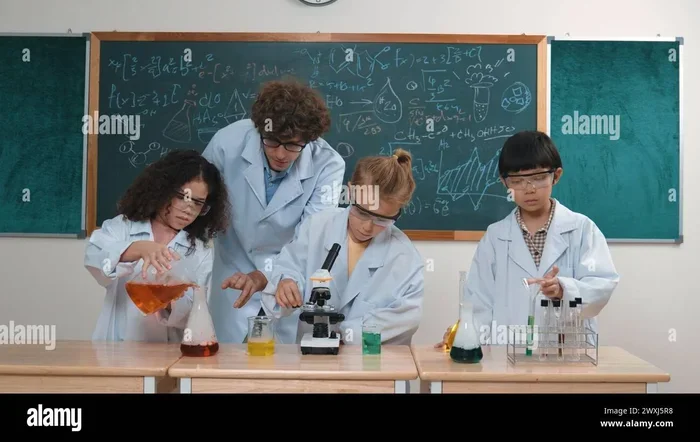
Why do we have education? It goes far beyond textbooks and grades. Education builds knowledge and skills, fuels personal growth, and strengthens communities. Understanding its true purpose helps us value learning in every form. This guide explores the deeper meaning behind educational systems worldwide.
Key Takeaways
- Education empowers individuals with critical thinking and problem-solving skills.
- The true purpose of learning extends far beyond academic achievement.
- Social development and equality are core outcomes of quality education.
- Lifelong learning keeps our minds sharp and opens new doors.
- Educational equity ensures every person has fair access to knowledge.
- Personal growth through education builds confidence and resilience.
- Education shapes societies by fostering innovation and collaboration.
📑 Table of Contents
Why Do We Have Education? Uncovering the Deeper Purpose
We often hear that education is important. But have you ever stopped to ask why? Why do we have education in the first place? It is not just about sitting in classrooms or passing tests. The true purpose of learning runs much deeper than most people realize.
Education shapes who we are. It influences how we think, feel, and connect with others. From a young age, we start building knowledge and skills that stay with us forever. Understanding the real reason behind education can change how you see every lesson you learn.
In this article, we will explore the purpose of education from many angles. You will learn how it drives personal growth, builds stronger communities, and opens doors you never knew existed. Let us dive in and discover what makes learning so powerful.
The Core Purpose of Education
At its heart, education exists to help people grow. It is not just about memorizing facts. The educational system aims to develop well-rounded humans who can think clearly and act with purpose.
Building Essential Knowledge and Skills
First and foremost, learning gives us tools we need every day. Reading, writing, and math are basics. But education also teaches us how to solve problems. It shows us how to find information and use it wisely.
Think about it this way. When you learn to read, the whole world opens up. You can explore new ideas on your own. You do not have to wait for someone to tell you what to think. That is the power of knowledge and skills.
Developing Critical Thinking
Critical thinking is one of the biggest gifts education gives us. It means asking questions. It means looking at facts before making up your mind.
Good learning environments encourage students to wonder. They push us to dig deeper. Instead of just accepting things at face value, we learn to question and analyze. This skill helps us in every area of life.
How Education Drives Personal Growth
Personal growth is a huge part of the purpose of education. When we learn new things, we grow as people. We become more confident. We become more aware of the world around us.
Boosting Confidence and Self-Esteem
Every time you master a new topic, your confidence grows. Educational achievement shows you that you can do hard things. This belief in yourself carries over into every part of your life.
Students who feel successful in their classroom experience carry that positivity forward. They take on new challenges without fear. That is what great learning does for a person.
Encouraging Lifelong Learning
Lifelong learning is a phrase you hear a lot these days. And for good reason. Education does not stop when you leave school. The best learners keep going their whole lives.
Reading books, taking courses, or picking up a new hobby all count. The educational value of never stopping is huge. It keeps your mind active and your curiosity alive. People who embrace lifelong learning stay adaptable in a changing world.
The Social Impact of Education
Why do we have education as a society? The answer goes beyond individual benefits. Education binds communities together. It creates shared understanding and respect.
Promoting Social Development
When people learn together, they grow together. Social development happens in schools and classrooms every day. Students learn to work with others. They learn to respect different viewpoints.
Education reform efforts around the world focus on this idea. Better learning opportunities mean stronger communities. When more people have access to quality education, society as a whole benefits.
Fostering Equality and Equity
Educational equity is a hot topic right now. It means giving every student a fair chance to learn. No matter their background, every person deserves learning opportunities.
Studies show that equal access to education reduces poverty. It improves health outcomes. It creates more stable communities. Education is one of the most powerful tools for fairness we have.
Using Figurative Language to Teach Values
Teachers often use creative tools to make lessons stick. For example, similes for education help students compare learning to familiar ideas. This makes complex concepts easier to grasp. Similarly, metaphors for education paint vivid pictures of what learning really means. A metaphor might describe the mind as a garden that needs tending. These teaching tools deepen understanding in powerful ways. Even idioms for education like “the sky is the limit” inspire students to dream big. Such figurative language makes the classroom experience richer and more memorable.
Education and the Economy
Education and the economy are closely linked. A well-educated population drives innovation and growth. Let us look at how this connection works.
Creating Job Opportunities
Most jobs today require some form of education. Employers want people who can think critically and communicate well. The educational system prepares students for the workforce.
People with higher levels of learning tend to earn more. They also have access to better career paths. This is why student success in school matters so much for future opportunities.
Driving Innovation
Every great invention started with someone asking questions. Education teaches us how to ask those questions. It gives us the tools to find answers.
From medicine to technology, educational goals push humanity forward. When we invest in learning opportunities, we invest in the future. Innovation thrives where education is valued and supported.
Common Challenges in Education Today
Even though education is vital, it faces real challenges today. Understanding these problems helps us appreciate the purpose of education even more.
Access and Inequality
Not everyone has the same access to quality education. Some communities lack funding. Some students face barriers that make learning harder. These gaps create unfair educational equity issues.
Addressing these challenges is essential. Every child deserves a fair shot at success. Education reform must focus on closing these gaps.
Keeping Students Engaged
Another challenge is keeping students interested. A classroom experience that feels boring or irrelevant can push students away. Great teachers find ways to make learning exciting and meaningful.
When students feel connected to what they study, student success follows. Engagement is key to unlocking the full educational value of every lesson.
Key Takeaways
- Education empowers individuals with critical thinking and problem-solving skills.
- The true purpose of learning extends far beyond academic achievement.
- Social development and equality are core outcomes of quality education.
- Lifelong learning keeps our minds sharp and opens new doors.
- Educational equity ensures every person has fair access to knowledge.
- Personal growth through education builds confidence and resilience.
- Education shapes societies by fostering innovation and collaboration.
Conclusion
So, why do we have education? The answer is clear. Education is about so much more than grades and diplomas. It is about personal growth, social development, and building a better future for everyone.
The true purpose of education touches every part of our lives. It gives us skills, confidence, and empathy. It connects us to others and opens up new worlds of possibility. When we understand and embrace this purpose of education, we value learning in a whole new way.
Whether you are a student, a teacher, or a lifelong learner, remember this. Every bit of knowledge and skills you gain makes a difference. Keep learning. Keep growing. The journey of education never truly ends.
Frequently Asked Questions
What is the main purpose of education?
The main purpose of education is to build knowledge and skills while helping people grow personally and socially. It prepares us to think critically, solve problems, and contribute to our communities. At its core, education empowers us to live fuller, more meaningful lives.
How does education impact personal growth?
Education boosts confidence, self-awareness, and resilience. When we learn new things, we discover what we are capable of. This personal growth carries into our careers, relationships, and daily decisions. It shapes us into more thoughtful and capable individuals.
Why is educational equity important?
Educational equity ensures that every person has a fair chance to learn and succeed. Without it, gaps in opportunity widen and communities suffer. Equal access to education creates a more just and prosperous society for everyone.
Can education happen outside of a classroom?
Absolutely. Education is not limited to schools or formal settings. Reading books, having conversations, and exploring new experiences all count as learning. The educational value of everyday experiences is immense and often overlooked.
What role does critical thinking play in education?
Critical thinking is one of the most important skills education develops. It helps us evaluate information, make informed decisions, and solve complex problems. Without it, learning becomes passive rather than truly transformative.
How can we improve the educational system?
Improving education starts with investing in teachers and learning opportunities. It also means addressing inequality and keeping students engaged. Education reform works best when communities come together to prioritize student success and lifelong learning.


