
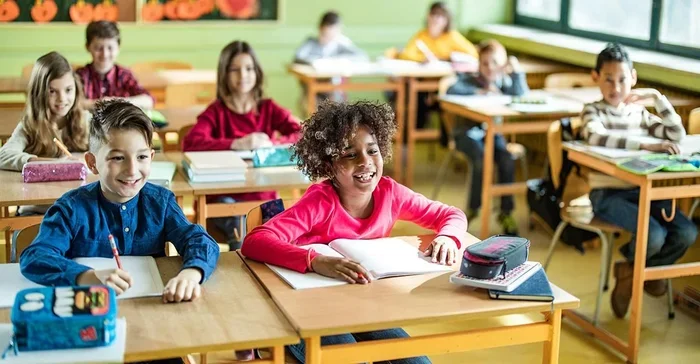
Primary education and secondary education form the backbone of every child’s learning journey. Primary education focuses on foundational skills like reading, writing, and math for young learners. Secondary education builds on those basics, introducing advanced subjects and critical thinking. Together, these two stages prepare students for higher learning and real-world success.
Key Takeaways
- Primary education lays the groundwork for all future learning, typically covering ages 5 to 11 or 12.
- Secondary education bridges the gap between childhood and adulthood, usually spanning ages 11 to 18.
- Both stages are essential for developing literacy, numeracy, and social skills that last a lifetime.
- The education system varies by country, but the core purpose remains the same: to empower learners.
- Understanding these stages helps parents and educators make better decisions for student success.
- Schools often use figures of speech like similes, metaphors, and idioms to make learning more engaging during both stages.
- Strong foundations in primary school lead to better outcomes in secondary school and beyond.
📑 Table of Contents
- What Is Primary Education and Secondary Education?
- Understanding Primary Education
- Understanding Secondary Education
- The Education System: How Primary and Secondary Education Connect
- Benefits of Strong Primary and Secondary Education
- Common Challenges in Primary and Secondary Education
- Tips for Parents and Educators
- Final Thoughts
What Is Primary Education and Secondary Education?
Every child deserves a strong start in learning. Primary education and secondary education are the two main stages that build the foundation for a lifetime of growth. These stages work together to give students the skills they need to thrive in school, work, and everyday life.
So what exactly do these terms mean? Primary education is the first formal stage of schooling. It usually starts around age five or six and lasts until a child is about eleven or twelve. This stage focuses on basics like reading, writing, and arithmetic. Secondary education comes next. It takes those basics and expands them into deeper knowledge, critical thinking, and real-world preparation.
Think of it like building a house. Primary education lays the foundation. Secondary education builds the walls and roof. Without a solid base, the whole structure weakens. That is why both stages matter so much.
In many countries, both stages are compulsory. Governments recognize that basic education and higher education preparation are essential for a productive society. Whether your child is just starting school or getting ready for graduation, understanding these stages helps you support their journey the right way.
Throughout this guide, we will break down everything you need to know. We will look at what happens in each stage, why they matter, and how they connect to the bigger picture of learning. Let us dive in.
Understanding Primary Education
Primary education is where it all begins. Also known as elementary education or grade school, this stage introduces children to the world of formal learning. It is a time of incredible growth, discovery, and development.
What Happens in Primary School?
During the primary years, students learn core subjects that form the building blocks of all future knowledge. These include:
- Reading and literacy — Children learn to decode words, understand stories, and express themselves through writing.
- Mathematics — Basic addition, subtraction, multiplication, and division become second nature.
- Science — Simple concepts about nature, animals, and the world around them spark curiosity.
- Social studies — Kids begin to understand their community, culture, and place in the world.
- Arts and physical education — Creative expression and movement support overall development.
Teachers in primary schools use playful, hands-on methods to keep young learners engaged. Learning through play is a big part of this stage. Songs, games, stories, and group activities make lessons fun and memorable.
Why Primary Education Matters
The primary years are the most critical for brain development. Research shows that children who receive quality early education perform better in later grades. They develop stronger literacy and numeracy skills, which are essential for every other subject they will ever study.
Primary school also teaches social skills. Children learn to share, cooperate, follow rules, and communicate with peers. These interpersonal skills carry forward into secondary school and adulthood.
One interesting way teachers boost engagement is through creative language tools. For example, many primary school teachers use similes for education to help children compare ideas in fun and memorable ways. These simple comparisons make abstract concepts easier to grasp for young minds.
The Typical Age Range and Structure
Primary education usually covers grades one through six or seven, depending on the country. In the United States, it often spans kindergarten through fifth or sixth grade. In the United Kingdom, it covers reception through year six. Regardless of the structure, the goal remains the same: to give every child a strong academic and social start.
Most primary schools have one teacher who handles most subjects. This allows for close relationships between teachers and students. It also means educators can spot learning challenges early and provide support.
Understanding Secondary Education
Once students complete primary school, they move into secondary education. This stage is all about growth, exploration, and preparation for the future. It is where young learners start to think more independently and explore subjects in greater depth.
What Happens in Secondary School?
Secondary education introduces students to a wider range of subjects and more complex ideas. Here is what a typical secondary school experience looks like:
- Advanced mathematics — Algebra, geometry, and eventually calculus or statistics.
- English and literature — Students analyze texts, write essays, and develop strong communication skills.
- Sciences — Biology, chemistry, and physics replace the general science of primary school.
- History and geography — Deeper exploration of the world, civilizations, and current events.
- Electives — Foreign languages, art, music, technology, and vocational courses give students choices.
Secondary school also brings more independence. Students switch between classrooms and teachers for different subjects. They learn to manage their time, meet deadlines, and take responsibility for their own learning.
The Role of Secondary Education in Student Development
Secondary education does more than teach academic content. It shapes young people into critical thinkers and responsible adults. Students learn to question, analyze, and form their own opinions.
This stage also prepares students for higher education or the workforce. In many countries, secondary school ends with important exams or certifications. These results open doors to colleges, universities, trade schools, or direct employment.
Teachers often use creative tools to make secondary lessons more engaging. For instance, metaphors for education help students connect new ideas to things they already understand. A well-placed metaphor can turn a confusing topic into a clear “aha” moment.
Primary vs. Secondary: Key Differences
Understanding the difference between primary and secondary education helps parents and students navigate the school system with confidence. Here is a quick comparison:
| Aspect | Primary Education | Secondary Education |
|---|---|---|
| Age Range | 5 to 11 or 12 years old | 11 or 12 to 17 or 18 years old |
| Focus | Foundational skills | Advanced knowledge and critical thinking |
| Subjects | Basic reading, math, science, social studies | Broad range including electives and specialized courses |
| Teaching Style | Play-based and hands-on | More structured and independent |
| Classroom Setup | One teacher for most subjects | Multiple teachers for different subjects |
| Outcome | Basic literacy and numeracy | Preparation for higher education or careers |
Both stages are equally important. Primary education gives children the tools they need to learn. Secondary education teaches them how to think. Together, they create a complete educational experience.
The Education System: How Primary and Secondary Education Connect
The education system in most countries follows a clear path. Primary school feeds into secondary school, which then leads to further education or employment. This progression is designed to support students at every step of their development.
In many nations, compulsory education laws require children to attend school until a certain age. This usually falls between sixteen and eighteen, covering both primary and secondary stages. The goal is to ensure every citizen receives a baseline level of knowledge and skills.
Transitions between primary and secondary school can be challenging for some students. Moving to a new school, meeting new teachers, and handling harder coursework can feel overwhelming. Support from parents, teachers, and counselors makes a huge difference during this period.
Creative teaching methods help ease these transitions. For example, using idioms for education in the classroom adds a layer of language fun that keeps students engaged. Idioms like “learning is a journey” or “knowledge is power” resonate with students at both levels and make lessons more relatable.
How Different Countries Handle These Stages
The structure of primary and secondary education varies around the world. Here are a few examples:
- United States: Elementary school (K-5 or K-6), followed by middle school and high school (grades 6 or 7 through 12).
- United Kingdom: Primary school (ages 5-11), followed by secondary school (ages 11-16 or 18).
- India: Primary school (grades 1-5), upper primary (grades 6-8), and secondary school (grades 9-12).
- Australia: Primary school (K-6), followed by secondary school (Years 7-12).
Despite these differences, the core purpose remains consistent. Every system aims to provide young learners with the knowledge, skills, and values they need to succeed.
Benefits of Strong Primary and Secondary Education
Investing in quality education at both stages pays off in incredible ways. Here are some of the key benefits:
1. Better Career Opportunities
Students who complete both primary and secondary education have access to a wider range of careers. Basic education opens doors to vocational training, while secondary education prepares students for university and professional paths.
2. Improved Critical Thinking
Secondary education, in particular, teaches students how to analyze information, solve problems, and make informed decisions. These cognitive skills are valuable in every area of life.
3. Stronger Social Skills
Both stages provide opportunities for students to interact with peers, work in groups, and build friendships. Social development is just as important as academic growth.
4. Higher Earning Potential
Studies consistently show that individuals with more years of education earn higher incomes over their lifetimes. Quality education is one of the best investments a person can make.
5. Personal Growth and Confidence
Mastering new skills and overcoming challenges builds self-esteem. Students who feel supported in their learning journey develop confidence that carries into adulthood.
Common Challenges in Primary and Secondary Education
No education system is perfect. Both stages face challenges that affect students and teachers alike. Understanding these issues is the first step toward addressing them.
Funding gaps remain a major concern in many regions. Schools with fewer resources struggle to provide quality materials, trained teachers, and modern technology. This inequality can widen the achievement gap between students from different backgrounds.
Teacher shortages also impact the quality of education. When classrooms are understaffed, teachers face larger class sizes and heavier workloads. This can lead to burnout and lower engagement.
Another challenge is keeping students motivated. Not every child finds every subject exciting. Student engagement requires creative teaching, supportive environments, and a focus on individual needs.
Parents play a vital role in overcoming these challenges. Staying involved in your child’s education, communicating with teachers, and creating a supportive home environment all contribute to better outcomes.
Tips for Parents and Educators
Whether you are a parent helping with homework or a teacher planning lessons, these tips can make a real difference:
- Read together every day. Even ten minutes of reading at home boosts literacy skills dramatically.
- Encourage questions. Curiosity drives learning. Let children explore topics that interest them.
- Use real-world examples. Connecting lessons to everyday life makes abstract concepts easier to understand.
- Celebrate progress, not just grades. Effort and improvement deserve recognition too.
- Stay involved. Attend school events, volunteer in the classroom, and show that education matters.
- Use creative tools. Incorporate language games, storytelling, and visual aids to make learning enjoyable.
These small actions add up over time. They create a culture of learning that extends beyond the classroom and into everyday life.
Final Thoughts
Primary education and secondary education are two sides of the same coin. Together, they provide the knowledge, skills, and confidence that students need to succeed in life. Primary education builds the foundation. Secondary education expands the horizons. Neither stage works well without the other.
As parents, educators, and community members, we all have a role to play in supporting young learners. By understanding what each stage involves, we can better advocate for quality education and create environments where every child can flourish.
The journey of learning does not end with graduation. It starts with the strong base that primary and secondary education provide. Let us make sure that base is as solid as possible for every student, everywhere.
Frequently Asked Questions
What is the main difference between primary education and secondary education?
Primary education focuses on foundational skills like reading, writing, and basic math for younger children, typically ages 5 to 12. Secondary education builds on those basics with more advanced subjects, critical thinking, and preparation for higher education or careers, usually for students ages 11 to 18.
At what age does primary education end and secondary education begin?
This varies by country, but in most systems, primary education ends around age 11 or 12, and secondary education begins at that same point. Some countries use a middle school or junior high school as a transition between the two stages before students enter full secondary school.
Why is primary education considered so important?
Primary education is the foundation of all future learning. It develops basic literacy and numeracy skills, which are essential for understanding every other subject. Children who receive quality primary education are more likely to succeed in secondary school and beyond.
Can someone succeed in secondary education without a strong primary education?
It is much harder. Students who lack foundational skills in reading and math often struggle with the more advanced content in secondary school. Strong primary education gives students the tools they need to keep up and thrive in later stages of learning.
How do similes and metaphors help in both primary and secondary education?
Similes and metaphors make abstract ideas more concrete and relatable. In primary school, they help young learners grasp new concepts through familiar comparisons. In secondary school, they deepen understanding and encourage creative and critical thinking about complex subjects.
What role do parents play in supporting both stages of education?
Parents are essential partners in education. By staying involved, encouraging curiosity at home, reading with children, and communicating with teachers, parents reinforce what students learn in school and help build a lifelong love of learning.
=== CONCLUSION ===
Primary education and secondary education form the two essential pillars of every student’s academic journey. From the first days of primary school to the final years of secondary education, each stage plays a unique and vital role in shaping capable, confident, and informed individuals. Understanding these stages empowers parents, educators, and policymakers to make better decisions for the next generation.
By investing in quality education at every level, we invest in the future. Let us continue to support our students, celebrate their growth, and ensure that every child has the opportunity to reach their full potential.


