
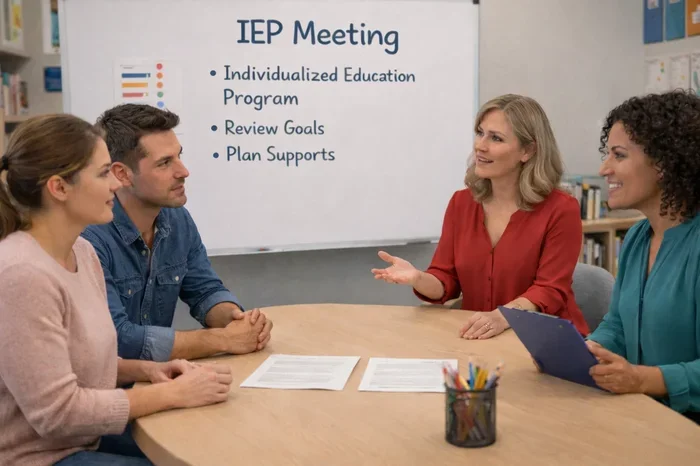
A PWN, or Prior Written Notice, is a legal document that schools must give parents whenever they want to change or refuse to change a child’s special education services. It is a core right under the IDEA law and protects families during the special education process. Understanding what a PWN contains and how to respond to it empowers parents to advocate for their child’s educational needs with confidence.
Key Takeaways
- A PWN is a legal requirement: Schools must provide written notice before making any changes to a child’s IEP, evaluation, or placement.
- It covers both decisions to act and decisions to not act: Whether the school wants to add services or refuses your request, a PWN must be issued.
- Parents have the right to respond: You can agree, disagree, request mediation, or file for due process after receiving a PWN.
- It must be written in plain language: The notice should explain the proposed action, the reasons behind it, and all evaluation data used.
- Documentation is everything: Keeping copies of every PWN builds a strong record for any future advocacy or legal proceedings.
- You are not alone: Advocates, attorneys, and support groups can help you understand and respond to a PWN effectively.
- Timelines matter: There are strict deadlines for schools to provide a PWN and for parents to take action.
📑 Table of Contents
What Is a PWN in Special Education?
If you have a child in special education, you may have heard the term PWN thrown around by teachers or school administrators. PWN stands for Prior Written Notice. It is a formal document that a school district must give you before it takes certain actions regarding your child’s education. Think of it as a legal heads-up that keeps you in the loop.
The idea behind a PWN is simple. Schools must tell parents what they plan to do or what they refuse to do, and they must explain why. This notice is not optional. It is a federal legal requirement under a law called the Individuals with Disabilities Education Act (IDEA). Without it, schools cannot move forward with changes to your child’s Individualized Education Program (IEP), evaluations, or educational placement.
Many parents feel overwhelmed when they first encounter the special education system. The paperwork can be confusing. The meetings can feel rushed. A PWN is actually one of the most powerful tools you have. It gives you clear, written information that you can review, discuss, and respond to at your own pace. When you understand what a PWN contains, you step into every meeting with more knowledge and more confidence.
Why Does a PWN Matter?
A PWN matters because it protects your parental rights. Schools sometimes want to change services, shift a child to a different classroom, or delay an evaluation. Before any of that happens, they must put their reasoning in writing. This creates a paper trail that benefits everyone.
When a school provides a PWN, it must include specific details. It must explain the action it proposes or refuses. It must describe the evaluation data or records that led to that decision. It must list any other options the team considered and why those were rejected. This level of transparency helps parents make informed choices.
Parents often describe their journey through special education as one filled with idioms for someone special, because the process can feel like a whole new language. A PWN helps translate that language into something concrete and actionable. Instead of relying on vague conversations or hallway chats, you get a document that spells everything out clearly.
What Must Be Included in a PWN?
Not every PWN looks the same, but federal law requires certain elements to be present in every notice. Schools must include specific information to make the document legally valid and useful for parents. Here is what you should expect to find.
1. A Clear Description of the Proposed or Refused Action
The PWN must state exactly what the school wants to do or what it is refusing to do. For example, if the school wants to change your child’s educational placement, the document must say so directly. If the school is refusing an independent educational evaluation (IEE) you requested, that refusal must be clearly stated.
2. The Reasons Behind the Decision
The school must explain why it is taking that action or why it is refusing. This is not a brief one-liner. The reasons must be supported by evaluation data, assessments, and team discussions. If the school wants to reduce speech therapy sessions, it must show the data that supports that decision.
3. A Description of All Evaluation Procedures Used
The PWN should describe any evaluations, assessments, or records the school used to reach its decision. This includes formal testing results, teacher observations, and any other relevant information. Parents have the right to know what evidence the school relied on.
4. Other Options Considered
Schools must also explain what other options the IEP team discussed and why those were not chosen. This ensures that the decision was not made in a vacuum. It shows that the team weighed alternatives before settling on its current plan.
5. A Statement of Procedural Safeguards
Every PWN must include a statement about your procedural safeguards. These are your legal rights as a parent. The document should tell you how to access a full copy of your rights and what steps you can take if you disagree with the school’s decision.
6. Contact Information for Resources
The PWN should also provide contact details for organizations or individuals who can help you understand your rights. This might include the state’s Parent Training and Information Center (PTI) or a special education advocate.
When Does a School Have to Provide a PWN?
Schools must provide a PWN in several specific situations. Understanding these triggers helps you know when to expect a notice and when to advocate for one if it does not arrive.
Situations That Require a PWN
- Initial evaluation or reevaluation: When the school wants to evaluate your child for the first time or conduct a follow-up assessment.
- Identification of a disability: When the school determines that your child does or does not qualify for special education services.
- IEP changes: When the school proposes to add, remove, or modify services, accommodations, or goals.
- Placement decisions: When the school wants to change your child’s educational setting, such as moving them from a general education classroom.
- Refusal of a parent request: When the school declines your request for additional services, an IEE, or a specific accommodation.
- Discipline actions: When the school plans to change a child’s placement due to behavioral issues, especially under manifestation determination rules.
If your child’s school takes any of these actions without providing a PWN, that is a procedural compliance issue. You have the right to raise this concern and request that the school follow proper procedures. Similes for a person can sometimes help parents describe the situation, like saying the school’s approach should be “as clear as a written contract.”
How to Respond to a PWN
Receiving a PWN can feel like a lot of pressure. You might feel rushed to sign or unsure about what to do next. The truth is, you have time and options. Here is a practical guide to responding thoughtfully.
Step 1: Read the PWN Carefully
Take the document home. Read it in a quiet space. Highlight any parts that confuse you or that you disagree with. Pay close attention to the reasons the school gives for its decision. Ask yourself whether those reasons make sense based on what you know about your child.
Step 2: Gather Your Own Evidence
If you disagree with the PWN, start collecting your own documentation. This might include private evaluations, accommodations that have worked at home, teacher feedback, or medical reports. The more evidence you have, the stronger your position will be.
Step 3: Write a Formal Response
You should always respond to a PWN in writing. Your response does not need to be long, but it must be clear. State whether you agree or disagree. Explain your reasons. Request any additional evaluations or meetings you feel are necessary. Keep copies of everything.
Step 4: Know Your Next Steps
If you and the school cannot reach an agreement, you have several options. You can request mediation, where a neutral third party helps both sides find common ground. You can file for a resolution session or even pursue due process if the disagreement is significant. Each of these options is part of your procedural safeguards, and the PWN should remind you of them.
The journey of advocating for your child can feel like navigating a maze, but remember that metaphors for someone special remind us that every child is unique and every parent’s effort is meaningful. A PWN is not the end of the conversation. It is the beginning of a structured dialogue that you have every right to shape.
Common Mistakes Parents Make With PWNs
Even the most dedicated parents can stumble when dealing with PWNs. Being aware of common pitfalls helps you avoid them and stay in control of the process.
Mistake 1: Signing Without Understanding
Never sign a PWN if you do not fully understand it. Signing does not mean you agree. However, it can create confusion later if you change your mind. Always ask for time to review the document and seek advice if needed.
Mistake 2: Not Keeping Copies
Every PWN you receive should be saved. Create a dedicated folder, either physical or digital, for all special education documents. Over time, these records build a powerful picture of your child’s educational journey and any disputes that arose.
Mistake 3: Waiting Too Long to Respond
There are timelines involved in the special education process. If you receive a PWN and want to challenge it, responding promptly is important. Delays can sometimes work against your position, especially if the school tries to move forward with its proposed action.
Mistake 4: Assuming the School Is Always Right
Schools have legal obligations, but they are also institutions with limited resources and competing priorities. Do not assume that the school’s decision is final just because it is written on official letterhead. You have the right to question, request more information, and pursue alternatives.
Tips for Using PWNs Effectively
Once you understand how PWNs work, you can use them to your advantage. Here are some practical tips that experienced parents and advocates recommend.
- Request a PWN for every decision: If the school makes any change to your child’s services, ask for a written notice. Do not rely on verbal updates alone.
- Ask for clarification: If any part of the PWN is unclear, contact the school and ask them to explain. You have the right to full transparency.
- Use the PWN as a meeting agenda: Before an IEP meeting, review the most recent PWN. It will show you exactly what the school has been proposing and why.
- Share the PWN with your advocate or attorney: If you work with a special education advocate, sharing the PWN gives them the context they need to support you effectively.
- Track patterns over time: If you receive multiple PWNs that raise similar concerns, that pattern can be important evidence in a due process hearing.
Parents often describe the special education journey using idioms for a person that capture the emotional and practical challenges involved. A PWN can serve as a grounding force in that journey, giving you something concrete to hold onto when emotions run high.
The Legal Framework Behind PWNs
The requirement for Prior Written Notice comes from the Individuals with Disabilities Education Act (IDEA), which is the federal law that governs special education in the United States. IDEA ensures that children with disabilities receive a Free Appropriate Public Education (FAPE) in the least restrictive environment (LRE) possible.
The PWN provision is part of the broader set of procedural safeguards designed to protect parents and children. IDEA requires that schools involve parents in every major decision about their child’s education. The PWN is the written mechanism that makes this involvement meaningful. Without it, parents would be left guessing about what the school plans to do and why.
Each state may have additional requirements that go beyond the federal baseline. Some states require PWNs to be provided within a specific number of days. Others have specific formatting or content rules. It is worth familiarizing yourself with your state’s special education law so you know exactly what to expect.
When a school fails to provide a proper PWN, it can be grounds for a complaint. Parents can file a state complaint or request an investigation through the state’s education agency. These actions can lead to corrective measures that hold the school accountable and protect your child’s rights.
Key Takeaways
- A PWN is a legal requirement: Schools must provide written notice before making any changes to a child’s IEP, evaluation, or placement.
- It covers both decisions to act and decisions to not act: Whether the school wants to add services or refuses your request, a PWN must be issued.
- Parents have the right to respond: You can agree, disagree, request mediation, or file for due process after receiving a PWN.
- It must be written in plain language: The notice should explain the proposed action, the reasons behind it, and all evaluation data used.
- Documentation is everything: Keeping copies of every PWN builds a strong record for any future advocacy or legal proceedings.
- You are not alone: Advocates, attorneys, and support groups can help you understand and respond to a PWN effectively.
- Timelines matter: There are strict deadlines for schools to provide a PWN and for parents to take action.
Conclusion
A Prior Written Notice is one of the most important documents in the special education process. It gives parents the information they need to make informed decisions, protects children’s rights, and creates accountability for schools. When you understand what a PWN contains and how to respond to it, you become a more effective advocate for your child.
Do not let the paperwork intimidate you. Every PWN you receive is an opportunity to learn more about your child’s educational journey and to participate more fully in the decisions that shape it. Keep your documents organized, ask questions, and never hesitate to seek support from advocates or special education professionals. Your voice matters, and a PWN is the tool that ensures it is heard.
Remember that every child deserves the right support in the right setting, and a PWN is part of the system designed to make that happen. Stay informed, stay engaged, and trust that your efforts make a real difference in your child’s life.
Frequently Asked Questions
What does PWN stand for in special education?
PWN stands for Prior Written Notice. It is a legal document that schools must provide to parents before making any changes to a child’s special education services, evaluations, or placement. The notice explains what the school proposes or refuses and why.
Is a PWN the same as an IEP?
No, a PWN and an IEP are different documents. An IEP is the Individualized Education Program that outlines your child’s services and goals. A PWN is a notice that the school must give you before changing anything in the IEP or the evaluation process. They work together but serve different purposes.
Do I have to sign a PWN if I disagree with it?
No, you do not have to sign a PWN if you disagree with it. In fact, you should never sign anything you do not understand or agree with. You can write a formal response explaining your disagreement and requesting additional meetings or evaluations.
How quickly does a school have to provide a PWN?
The timeline varies by state, but schools generally must provide a PWN before taking the proposed action. Federal law under IDEA requires that parents receive notice early enough to have a meaningful opportunity to respond. Check your state’s specific rules for exact timelines.
Can I request a PWN if the school has not provided one?
Yes, you can absolutely request a PWN if the school has made a decision about your child’s services without providing one. Schools are legally required to issue a PWN in many situations, and requesting one is a reasonable step to protect your parental rights.
What should I do if I receive a PWN that I do not understand?
If a PWN is confusing, contact the school and ask for clarification. You can also reach out to a special education advocate or your state’s Parent Training and Information Center. You have the right to fully understand every document related to your child’s education.


