
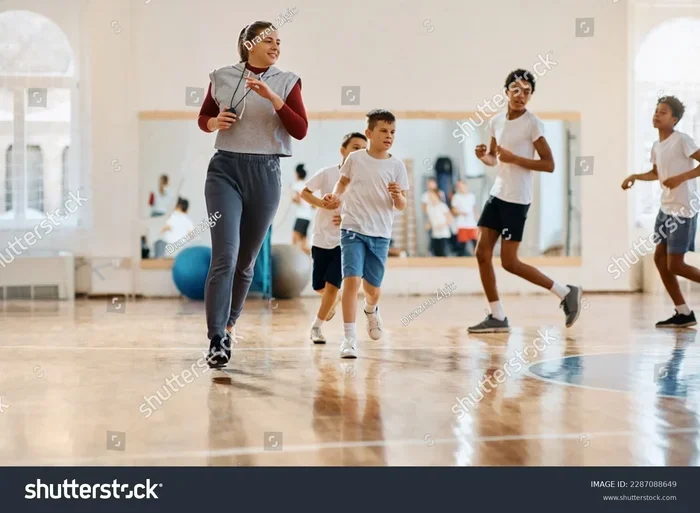
Physical education plays a vital role in every student’s growth, building physical fitness, mental well-being, and social skills that last a lifetime. Schools that prioritize PE programs see better academic performance, healthier exercise habits, and stronger student confidence. This guide covers the top reasons why physical education is important and how it shapes young lives.
Key Takeaways
- Boosts Physical Health: Regular PE classes improve cardiovascular fitness, strength, and motor skills in students.
- Enhances Mental Well-Being: Physical activity reduces stress, anxiety, and depression in young learners.
- Improves Academic Performance: Studies show active students perform better in the classroom.
- Builds Teamwork and Social Skills: PE teaches cooperation, communication, and leadership.
- Instills Lifelong Healthy Habits: Early exposure to fitness creates lasting healthy lifestyle choices.
- Develops Self-Confidence: Mastering physical challenges builds self-esteem and resilience.
📑 Table of Contents
Why Physical Education Is Important for Every Student
Every parent and educator wants students to thrive. Physical education is one of the most powerful tools we have to help them do just that. Yet many schools still treat PE as optional or less important than other subjects. This could not be further from the truth. Why physical education is important goes far beyond just keeping kids active. It shapes their minds, builds character, and sets the foundation for a healthier future. In this article, we will explore the many reasons every student deserves quality PE time.
Kids today face unique challenges. Screen time is rising. Sedentary lifestyles are becoming the norm. Childhood obesity rates continue to climb. Schools must step up and offer more than textbooks. Physical education fills a gap that no classroom lecture can. It teaches students how to care for their bodies. It builds skills they will use forever. Let us dive into the top reasons PE matters so much.
Physical Health Benefits of PE
Building Strong Bodies From a Young Age
One of the most obvious reasons why physical education is important is the direct impact on physical fitness. When students participate in regular PE classes, they build cardiovascular endurance, muscular strength, and flexibility. These are not just numbers on a test. They are the building blocks of a healthy body.
Children who engage in regular physical activity at school are more likely to maintain healthy exercise habits into adulthood. PE classes introduce them to a variety of movements. They try running, jumping, throwing, and climbing. Each activity develops different motor skills. Over time, these skills become second nature.
Here are some key physical health benefits of PE:
- Stronger bones and muscles during critical growth years
- Better coordination and balance
- Reduced risk of obesity and related health problems
- Improved heart health and lung capacity
- Lower chances of chronic disease later in life
Schools that invest in quality PE programs see measurable results. Students show improved fitness levels within just a few months. The habits they build in PE class carry forward into their daily lives.
Combating the Childhood Obesity Crisis
The childhood obesity epidemic is a real and growing concern. According to the World Health Organization, the number of overweight children worldwide has risen dramatically. Physical education is one of the most effective tools we have to fight this trend. PE classes get kids moving. They burn calories. They learn what their bodies need to stay healthy.
Not every child has access to sports outside of school. For many kids, PE class is their only chance for structured physical activity during the day. This makes it even more critical. When schools cut PE time, they take away a lifeline for vulnerable students. Why physical education is important becomes even clearer when we look at these statistics.
Mental and Emotional Benefits
PE as a Natural Stress Reliever
Students face pressure from many directions. Homework, social dynamics, family expectations, and now digital overload. Physical education offers a much-needed outlet. When kids move their bodies, their brains release endorphins. These are natural chemicals that boost mood and reduce stress.
Teachers often notice a difference in student behavior after PE class. Kids return to their desks more focused and calmer. Exercise habits like these help students manage anxiety and mental well-being in a healthy way. This is especially important for students who may not have other outlets at home.
Here is how PE supports mental health:
- Reduces symptoms of depression in adolescents
- Improves sleep quality through daytime activity
- Boosts self-esteem through achievement and skill-building
- Provides a healthy coping mechanism for daily pressures
- Encourages mindfulness through body awareness
Many educators now recognize that mental health and physical health are deeply connected. You cannot fully separate them. PE addresses both at the same time. This makes it a powerful part of any school curriculum.
Building Resilience and Confidence
PE classes are not always easy. Students face challenges. They miss shots. They lose races. They struggle with new skills. But here is the magic. They learn to get back up. This builds resilience and self-confidence in ways that few other subjects can.
When a child finally masters a skill they have been working on, the pride is real. That moment teaches them something powerful. They can overcome obstacles. They can grow through effort. Why physical education is important includes these life lessons just as much as it includes fitness.
Teachers play a huge role here. A supportive PE instructor creates a safe space. Students feel comfortable trying new things without fear of judgment. This environment builds self-esteem that carries into the classroom and beyond.
Academic Performance and PE
The Connection Between Movement and Learning
You might think PE takes time away from academics. But the research tells a different story. Why physical education is important for academic performance is backed by decades of studies. Active students tend to score better on tests. They pay more attention in class. They have better concentration and memory retention.
Here is what happens in the brain during physical activity. Blood flow increases. Oxygen reaches the brain more efficiently. Neurotransmitters like dopamine and serotonin are released. All of this creates the perfect conditions for learning. It is not a coincidence that the most focused students are often the most active ones.
Schools that have maintained or increased PE time report improved test scores in math and reading. The classroom engagement of students who participate in regular PE is noticeably higher. Teachers see it every day. Kids who move more learn better.
Developing Cognitive Skills Through Movement
Physical activity does more than just wake up the brain. It helps develop critical cognitive skills. These include problem-solving, spatial awareness, and strategic thinking. Many PE activities require students to make quick decisions. They plan movements. They adapt to changing situations.
These are the same skills that drive success in the classroom. A student who can think on their feet during a game can also think on their feet during a test. Why physical education is important for brain development is something every school board should understand.
Some educators use movement-based learning strategies throughout the day. They incorporate short activity breaks between lessons. This approach keeps student engagement high and behavioral issues low. PE sets the foundation for this kind of active learning culture.
Social Skills and Teamwork
Learning to Work Together
Few subjects teach teamwork as naturally as PE. Group games, relay races, and team sports require students to cooperate. They must communicate. They must trust each other. They must learn to win gracefully and lose with dignity.
These social skills are essential for success in the real world. In the workplace, in relationships, and in communities, the ability to work with others is invaluable. PE gives students a safe space to practice these skills from a young age. Why physical education is important includes building the social skills that students will use for the rest of their lives.
Teachers can use figurative language to reinforce these lessons. For example, telling students to move like the wind during a warm-up uses similes for education to make instructions more vivid and memorable. Similarly, coaching students to be the backbone of their team draws on metaphors for education to create deeper understanding of teamwork concepts. Even when explaining rules or expectations, PE teachers can use idioms for education to make lessons more relatable and fun, helping students connect language with action in meaningful ways.
Inclusive PE and Building Community
Well-designed PE programs are inclusive. They welcome students of all abilities. They encourage participation over competition. This creates a sense of belonging and community within the school.
When students feel included, they thrive. Peer relationships improve. Bullying decreases. Students develop empathy and respect for differences. Why physical education is important extends to building a positive school culture where every student feels valued.
Teachers can foster this by offering a variety of activities. Not every student loves basketball. Some prefer yoga, dance, or hiking. When PE offers choices, every student finds something that fits. This inclusive approach ensures that no one is left behind.
Lifelong Healthy Habits
Starting Early for Lasting Impact
The habits students form in childhood tend to stick. This is why why physical education is important reaches far beyond the school years. PE class introduces students to a wide range of activities. They discover what they enjoy. They build physical literacy — the confidence and ability to move with competence.
Students who develop a love for movement in PE class are more likely to stay active as adults. They carry healthy lifestyle choices into their careers, families, and communities. This ripple effect is one of the greatest gifts education can offer.
Here are some lifelong benefits of quality PE:
- Sustainable exercise habits that last a lifetime
- Better understanding of nutrition and wellness
- Reduced risk of heart disease and diabetes
- Improved mental health into adulthood
- Stronger sense of discipline and personal responsibility
Schools that prioritize PE are investing in the long-term health of their communities. The return on this investment is immeasurable. Healthier students become healthier adults. Healthier adults build stronger families and workplaces.
Physical Literacy: More Than Just Playing
Physical literacy is a concept that deserves more attention. It means having the skills, confidence, and motivation to be active for life. PE classes are the primary place where physical literacy develops. Students learn fundamental movement skills like running, jumping, throwing, and catching. They practice these skills in fun and supportive environments.
Without quality PE, many children never develop these foundational skills. They grow up feeling awkward or uncoordinated. This leads to avoidance of physical activity. The cycle continues. Breaking it early through PE programs sets children on a path of lifelong wellness.
Common Mistakes Schools Make With PE
Despite its clear benefits, many schools make mistakes that undermine the value of physical education. Here are some common pitfalls to avoid:
- Cutting PE time for academic subjects. Research shows this backfires. Active students actually perform better academically.
- Focusing only on competition. This alienates students who are not naturally athletic. PE should be inclusive and skill-building.
- Using PE as punishment. Making students run laps or do push-ups for bad behavior creates negative associations with exercise.
- Neglecting teacher training. PE teachers need proper training to deliver effective, safe, and engaging lessons.
- Ignoring student interests. Offering only traditional sports misses the chance to engage diverse learners.
Avoiding these mistakes helps schools create PE programs that truly serve every student. Why physical education is important depends on how well it is implemented. A thoughtful approach makes all the difference.
Quick Tips for Parents and Educators
Want to support physical education in your school or home? Here are some practical tips:
- Advocate for PE time. Speak up at school board meetings. Emphasize the academic and health benefits.
- Encourage active play at home. Family walks, bike rides, and backyard games reinforce healthy habits.
- Celebrate effort over talent. Praise your child for trying hard, not just for winning.
- Model an active lifestyle. Kids learn by watching. Let them see you enjoy movement.
- Support diverse activities. Let children explore different sports and exercises to find what they love.
- Limit screen time. Encourage movement as an alternative to passive entertainment.
Small actions add up. When parents and educators work together, students get the full benefit of physical education. Every child deserves the chance to move, grow, and thrive.
Conclusion
Why physical education is important cannot be overstated. It builds strong bodies, sharp minds, and resilient spirits. It teaches teamwork, confidence, and healthy habits that last a lifetime. Schools that invest in quality PE programs see students who are happier, healthier, and more focused in the classroom.
Every student deserves access to meaningful physical education. It is not a luxury. It is a necessity. As parents, educators, and community members, we must champion PE in every school. Our children’s health and future depend on it. Let us make sure they have the opportunity to move, grow, and become the best versions of themselves.
The evidence is clear. The benefits are real. The time to act is now. Let us give every student the gift of physical education and watch them flourish.
Frequently Asked Questions
Why is physical education important for students’ mental health?
Physical education helps reduce stress, anxiety, and depression by releasing endorphins during activity. Regular movement also improves sleep quality and builds self-esteem, both of which are critical for mental well-being in young people.
How does PE affect academic performance?
Studies show that physically active students have better concentration, memory, and test scores. Physical activity increases blood flow to the brain and improves classroom engagement, making it easier for students to focus on academic tasks.
What skills do students develop through physical education?
PE develops motor skills, coordination, teamwork, communication, leadership, and resilience. Students also build physical literacy, which is the confidence and ability to stay active for life.
Can physical education help with childhood obesity?
Yes, absolutely. Regular physical activity during PE classes helps students maintain a healthy weight and develop healthy exercise habits. For many children, PE is their primary source of structured activity during the day.
What happens when schools cut PE programs?
When schools reduce PE time, students lose access to structured physical activity. This often leads to sedentary lifestyles, poorer fitness levels, and worse academic outcomes. Cutting PE does more harm than good in the long run.
How can parents support physical education at home?
Parents can encourage active play, model an active lifestyle, limit screen time, and celebrate effort over talent. Supporting exercise habits at home reinforces what students learn in PE class and helps build a lifelong love for movement.


