
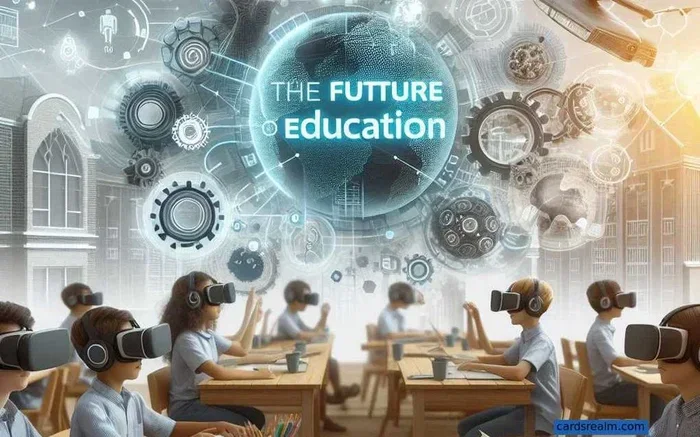
So, what does education do? It builds your knowledge, sharpens your thinking, and opens doors you never knew existed. Education shapes your future by giving you the tools to succeed in work, life, and relationships. Whether you are a student or a lifelong learner, understanding the power of education can change how you see the world.
Key Takeaways
- Education builds critical thinking and problem-solving skills that help you navigate real-world challenges.
- It creates career opportunities and boosts your earning potential over time. Education strengthens social skills and helps you build meaningful relationships.
- Lifelong learning through education keeps your mind sharp and adaptable.
- It empowers personal growth and builds confidence in every area of life.
- Education drives economic mobility and helps break cycles of poverty.
📑 Table of Contents
- What Does Education Do And Why It Matters Every Day
- How Education Shapes Your Career and Future
- The Power of Education for Personal Growth
- How Education Boosts Your Brain and Thinking
- The Social Side of Education
- Economic Impact of Education
- Lifelong Learning: Education Does Not Stop at Graduation
- Quick Tips to Get the Most Out of Your Education
- Common Mistakes People Make About Education
- Final Thoughts: The Lasting Power of Education
What Does Education Do And Why It Matters Every Day
Let us start with the big question. What does education do, really? At its core, education is about more than just sitting in a classroom. It is about growing your mind, building your character, and preparing for the world ahead.
Many people think education only means getting good grades. But that is just the surface. The real benefits of education go far deeper. They touch every part of your life, from how you think to how you connect with others.
When we talk about how education shapes your future, we are talking about real, lasting change. It gives you the power to make better choices. It helps you understand the world around you. And it gives you the confidence to chase your dreams.
Think of education as a foundation. Just like a house needs a strong base, your life needs a solid learning foundation. Without it, everything else becomes shaky. With it, you can build almost anything.
In this article, we will explore the many ways education transforms lives. We will look at how it shapes your career, your mind, and your future. By the end, you will see education in a whole new light.
The Real Purpose of Education
The purpose of education is not just to fill your head with facts. It is to teach you how to think. When you learn to think clearly, you can solve problems, make smart decisions, and handle whatever life throws at you.
Good education also teaches you how to learn. Once you know how to learn, you can pick up new skills at any age. This is what experts call lifelong learning. It is one of the most valuable gifts education gives you.
Beyond thinking skills, education helps you understand different cultures, ideas, and perspectives. It makes you more empathetic. It makes you more open-minded. These social benefits of education are just as important as the academic ones.
How Education Shapes Your Career and Future
One of the most obvious ways education shapes your future is through your career. Let us be real about this. The job market today rewards people who have strong educational backgrounds. Employers look for candidates who can think, learn, and adapt.
When you invest in education, you invest in your future self. You gain skills that make you valuable in the workplace. Whether you want to be a doctor, a teacher, a chef, or an engineer, education gives you the starting point.
Here is something many people do not realize. Education does not just help you get a job. It helps you grow in your job. People with strong educational foundations tend to earn more over their lifetimes. They also have more job security and more opportunities for advancement.
But career success is not the only goal. Education also helps you find work that matters to you. It helps you match your talents with the right path. This is where personal growth through education really shines.
Building Skills That Employers Want
What skills does education actually build? A lot more than you might think.
- Communication skills — You learn to express your ideas clearly, both in writing and speaking.
- Critical thinking — You learn to analyze information and spot what is true and what is not.
- Teamwork — Group projects and class activities teach you how to work with others.
- Time management — Juggling assignments and deadlines builds discipline and organization.
- Problem-solving — Education trains your brain to find solutions, not just complain about problems.
These are the skills developed through education that employers value most. And they apply to almost every job out there. No matter what field you choose, these skills will serve you well.
The Power of Education for Personal Growth
Now let us talk about something deeper. Education does not just change your resume. It changes you as a person. This is the hidden magic of learning.
When you study new topics, your brain forms new connections. You start to see the world differently. Things that once confused you now make sense. Challenges that once scared you now feel manageable. This is intellectual growth in action.
Education also builds your confidence. Every time you master a new concept or finish a tough project, you prove to yourself that you can do hard things. This confidence from education carries over into every area of your life.
Education and Character Building
Did you know that education plays a big role in building your character? It teaches you patience. It teaches you perseverance. It shows you that hard work pays off.
When you struggle with a difficult subject and finally get it, you learn grit. When you work with classmates on a project, you learn cooperation. These character-building lessons are some of the most important things education offers.
Many people also find that education helps them discover their passions. You might walk into a classroom not knowing what you love. But through different classes and experiences, you find your calling. This is the beauty of exploration through learning.
How Education Boosts Your Brain and Thinking
Let us get a little scientific for a moment. Education actually changes your brain. It is called cognitive development, and it is one of the most amazing things about learning.
When you learn something new, your brain creates new neural pathways. These pathways make your brain faster and stronger. Over time, this means you think more clearly, remember more, and solve problems more easily.
This is why education is often compared to a workout for your brain. Just like exercise makes your body stronger, learning makes your mind sharper. And the best part? It never stops. Your brain can keep growing at any age.
Critical Thinking and Problem Solving
Critical thinking is one of the most valuable outcomes of education. It means you can look at information and decide what is true and what is not. In a world full of misinformation, this skill is more important than ever.
Problem-solving goes hand in hand with critical thinking. Education gives you a toolkit of strategies to tackle challenges. You learn to break big problems into smaller pieces. You learn to think creatively and logically at the same time.
These cognitive benefits of education stay with you for life. They help you make better decisions at work, at home, and in your community.
The Social Side of Education
Education is not just an individual journey. It is a social experience, too. When you learn with others, you grow in ways you cannot learn alone.
In school, you meet people from different backgrounds. You learn to work with people who think differently than you. This social development through education is a huge part of what makes school so valuable.
You also build your communication skills through class discussions, group projects, and presentations. These skills help you in every relationship you will ever have. They help you lead, persuade, and connect with others.
Building Relationships and Networks
One of the hidden benefits of education is the network you build. The friends, teachers, and mentors you meet along the way can open doors for you later in life.
Many successful people credit their educational connections for their career breakthroughs. Your classmates today might be your business partners or collaborators tomorrow. This is why the social side of education matters so much.
You can also explore how language and expression play a role in education. Check out our guide on Idioms For Education to see how everyday phrases enrich your learning journey.
Economic Impact of Education
Let us talk numbers for a moment. Education has a powerful effect on your financial future. This is not just a feel-good idea. It is backed by data.
Studies consistently show that people with higher levels of education earn more money over their lifetimes. They also experience lower unemployment rates. This is what experts call economic mobility through education.
But the impact goes beyond individual earnings. Strong educational systems boost entire economies. They create innovation, reduce poverty, and build stronger communities. When a society invests in education, everyone benefits.
Breaking the Cycle of Poverty
For many people, education is the single most powerful tool for breaking free from poverty. It provides knowledge and skills that lead to better jobs and higher incomes.
When communities invest in education, they see real change. Crime rates drop. Health outcomes improve. Economic growth accelerates. This is the transformative power of education at work.
If you are curious about the language side of education, you might enjoy our article on Similes For Education, which explores how figurative language enhances learning and communication in educational settings.
Lifelong Learning: Education Does Not Stop at Graduation
Here is a truth many people forget. Education does not end when you graduate. The best learners keep going long after they leave school.
Lifelong learning means you stay curious your whole life. You read books, take courses, seek new experiences, and ask questions. This mindset keeps you growing and adapting in a fast-changing world.
The world is changing faster than ever. New technologies, new industries, and new challenges emerge every day. People who embrace continuous education are better prepared for these changes. They stay relevant, creative, and resilient.
How to Keep Learning After School
You do not need to go back to school to keep learning. There are many ways to continue your educational journey.
- Read widely — Books, articles, and blogs expose you to new ideas every day.
- Take online courses — Platforms like Coursera, Khan Academy, and Udemy offer free and affordable classes.
- Join communities — Discussion groups and forums let you learn from others with similar interests.
- Travel and explore — New experiences teach you things no textbook ever could.
- Practice reflection — Take time to think about what you have learned and how it applies to your life.
Remember, the goal of education is not perfection. It is progress. Every bit of learning you do adds to your growth.
If you want to dive deeper into the creative side of learning, our article on Metaphors For Education shows how figurative comparisons can deepen your understanding and make complex ideas easier to grasp.
Quick Tips to Get the Most Out of Your Education
Want to make the most of your educational journey? Here are some practical tips that really work.
- Stay curious. Ask questions all the time. Curiosity is the engine of learning.
- Take notes by hand. Research shows this helps you remember more than typing.
- Teach what you learn. Explaining ideas to others cements your understanding.
- Connect topics to real life. This makes learning more meaningful and memorable.
- Do not fear mistakes. Every mistake is a learning opportunity in disguise.
- Set small goals. Breaking big subjects into smaller chunks makes them less overwhelming.
Common Mistakes People Make About Education
Let us clear up some myths about education that hold people back.
- Mistake 1: Thinking education is only about grades. Grades measure one thing. Real learning is much broader and deeper.
- Mistake 2: Believing education ends with a degree. The most successful people never stop learning.
- Mistake 3: Assuming only formal education counts. Self-education, mentorship, and life experience all matter too.
- Mistake 4: Ignoring soft skills. Communication, empathy, and teamwork are just as valuable as technical knowledge.
Avoiding these mistakes will help you get more out of every learning opportunity you encounter.
Final Thoughts: The Lasting Power of Education
So, what does education do at the end of the day? It gives you knowledge, skills, confidence, and opportunity. It shapes your career, your relationships, and your sense of self. It opens doors and builds bridges to a better future.
Education shapes your future in ways both big and small. From the first day of school to the last day of your life, learning keeps giving. It is truly one of the greatest investments you can ever make.
The question is not really whether you can afford to invest in education. The question is whether you can afford not to. Every book you read, every class you take, and every new skill you learn adds to the person you are becoming.
Start today. Stay curious. Keep growing. Your future self will thank you for it.
Frequently Asked Questions
What does education do for your future?
Education opens doors to better career opportunities, higher earnings, and personal growth. It gives you the skills and knowledge needed to navigate a complex world and build a brighter future for yourself and your family.
How does education shape a person’s character?
Education teaches discipline, perseverance, empathy, and responsibility. Through challenges and collaboration, it builds strong character traits that help you become a more thoughtful and capable individual.
Can education change your life?
Absolutely. Education has the power to transform lives by providing new perspectives, skills, and opportunities. Many people credit their educational experiences as the turning point that changed their entire life direction.
What are the main benefits of education?
The main benefits of education include better career prospects, higher income, improved critical thinking, stronger social skills, greater confidence, and a deeper understanding of the world around you.
Does education only happen in schools?
No. While formal schooling is one path, education happens everywhere. Self-learning, mentorship, travel, work experience, and online courses all contribute to your growth. Lifelong learning is the key to continuous improvement.
Why is education important for society?
Education drives economic growth, reduces inequality, and strengthens communities. Educated societies tend to be healthier, more innovative, and more stable. Investing in education benefits everyone, not just the individual learner.


