
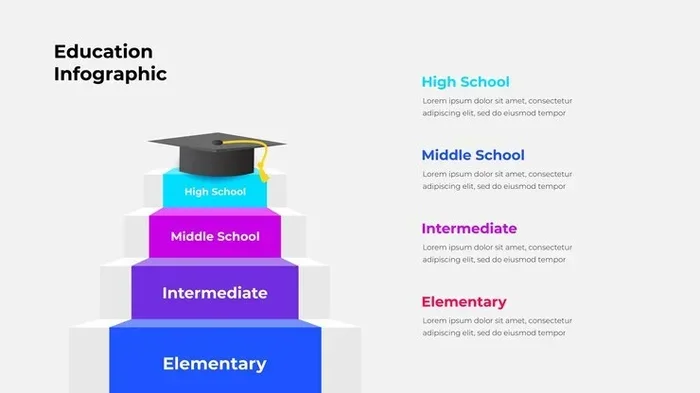
The levels of education describe the stages a learner moves through from childhood to adulthood. Understanding these levels helps you plan your academic journey, choose the right programs, and build a strong career foundation. Each stage builds on the last, creating a clear pathway from early learning to advanced degrees.
Have you ever wondered about the levels of education and what they really mean? Maybe you are a parent trying to understand the school system. Or perhaps you are an adult thinking about going back to school. Either way, knowing the stages of learning can change how you see your future.
The education system is not just one big block. It is made up of clear stages, each with its own purpose. From the first day of preschool to earning a advanced degree, every step matters. In this article, we will break down each level, explain why it matters, and help you understand how they all connect.
Whether you are just starting out or looking to level up, this guide covers everything you need. Let us dive into the world of learning and see what each stage has to offer.
Key Takeaways
- There are four main levels of education: early childhood, primary, secondary, and higher education.
- Each stage serves a unique purpose in building knowledge, skills, and critical thinking.
- Higher education opens doors to better career opportunities and higher earning potential.
- Choosing the right path depends on your goals, interests, and personal circumstances.
- Education levels affect more than jobs — they shape how you think, communicate, and grow.
- Understanding the system helps you make informed decisions at every stage.
📑 Table of Contents
- What Are the Levels of Education?
- Early Childhood Education
- Primary and Secondary Education
- Higher Education and College Degrees
- Why Education Levels Matter for Your Future
- How to Choose the Right Educational Path
- Common Mistakes People Make About Education Levels
- Expert Insights on Education Levels
- Conclusion
What Are the Levels of Education?
The levels of education refer to the different stages a person goes through during their learning journey. Think of them like steps on a ladder. Each step builds on the one below it. You cannot reach the top without climbing through each stage.
Most education systems around the world follow a similar structure. The exact names might vary by country, but the core stages remain the same. Here is a quick look at the four main levels:
- Early Childhood Education — Ages birth to about 8 years old.
- Primary Education — Also called elementary school, typically ages 5 to 11.
- Secondary Education — Middle school and high school, ages 11 to 18.
- Higher Education — College, university, and vocational training after high school.
Each level has its own goals. Early education focuses on social skills and basic learning. Primary school builds reading, writing, and math foundations. Secondary school deepens knowledge and prepares students for the real world. Higher education offers specialized training for specific careers.
If you want to learn more about how language plays a role in education, check out our Idioms For Education guide. It is a fun way to see how words shape the classroom.
Why Do the Levels Matter?
The structure of education levels is not random. It is designed to match how children and young adults grow and learn. A 5-year-old learns differently than an 18-year-old. The system recognizes this and adapts.
Understanding these levels also helps you set goals. Want to become a doctor? You know you need higher education. Hoping to start a trade? Vocational training at the tertiary level might be your path. When you know the educational hierarchy, you can plan smarter.
Early Childhood Education
Early childhood education covers the youngest learners. This stage includes preschool, pre-kindergarten, and kindergarten. It usually starts at age 3 and goes through age 8.
You might think little kids just play all day. But there is so much more happening. During these years, children develop critical social and cognitive skills. They learn how to share, take turns, and follow instructions. They start recognizing letters, numbers, and shapes.
What Happens in Early Education?
Here is what a typical early childhood experience looks like:
- Play-based learning: Kids explore the world through hands-on activities.
- Social development: They learn to interact with peers and adults.
- Language skills: Vocabulary grows rapidly during these years.
- Motor skills: Drawing, cutting, running, and balancing all develop.
- Emotional growth: Children learn to manage feelings and build confidence.
Research shows that quality early education has long-lasting effects. Kids who attend good preschool programs tend to do better in school later. They also show stronger problem-solving skills and better behavior.
This stage sets the tone for everything that follows. A strong foundation in early years makes the next levels of learning much easier. If you are curious about how language and expressions enrich young learning, our Similes For Education page has some great examples.
Primary and Secondary Education
Primary and secondary education form the backbone of the education system. Together, they cover about 13 years of a person’s life. This is where the real academic groundwork gets laid.
Primary Education
Primary education, often called elementary school, typically covers grades K through 5 or 6. Children usually start around age 5 and finish by age 11 or 12.
During these years, students focus on core subjects:
- Reading and literacy: Learning to read is the single most important skill at this stage.
- Mathematics: Basic addition, subtraction, multiplication, and division.
- Science: Introduction to nature, animals, plants, and the physical world.
- Social studies: Understanding communities, cultures, and geography.
Primary school is not just about academics. Students also learn responsibility, teamwork, and time management. These learning stages shape habits that last a lifetime.
Secondary Education
Secondary education splits into two parts: middle school and high school. Middle school usually covers grades 6 through 8, and high school covers grades 9 through 12.
In middle school, students start switching between classes and teachers. They encounter more challenging material. In high school, the academic levels get even more serious. Students choose elective courses and start thinking about their futures.
High school is a turning point. Students prepare for degree programs or enter the workforce. They take standardized tests, join extracurricular activities, and build their resumes. The choices made during secondary education often shape the next steps.
If you want to explore how creative language can make learning more engaging, our Metaphors For Education article is a great resource.
Comparing Primary and Secondary Education
Here is a simple comparison of the two stages:
- Focus: Primary builds basics; secondary deepens knowledge and explores interests.
- Structure: Primary uses one classroom and one teacher; secondary uses multiple teachers and classrooms.
- Subjects: Primary covers fewer subjects broadly; secondary offers more specialized courses.
- Independence: Students gain more responsibility and freedom as they move through secondary school.
Higher Education and College Degrees
Higher education is the fourth and final major stage. It is also known as tertiary education. This level includes all learning that happens after high school graduation.
Higher education is not one-size-fits-all. There are many paths, and each one serves different goals. Let us look at the main options.
Types of Higher Education Programs
Not all college paths are the same. Here are the most common ones:
- Associate Degrees: Two-year programs offered by community colleges. They provide foundational knowledge in a specific field.
- Bachelor’s Degrees: Four-year programs at colleges and universities. These are the most common undergraduate degrees.
- Master’s Degrees: Graduate-level programs that usually take 1 to 2 years after a bachelor’s degree.
- Doctoral Degrees: The highest academic level, including PhDs and professional degrees like medicine and law.
- Vocational and Trade Programs: Short-term training for specific careers like plumbing, electrical work, or healthcare.
Why Higher Education Matters
Higher education opens doors that secondary school alone cannot. It provides specialized knowledge and skills that employers value. People with college degrees often earn more over their lifetimes.
But the benefits go beyond money. Higher education teaches critical thinking, communication, and problem-solving. It exposes you to diverse ideas and people. It helps you grow as a human being, not just as a worker.
The educational pathway you choose should match your passions and goals. Not everyone needs a four-year degree. Trade schools and certification programs offer excellent career options too. The key is finding the right fit for you.
Why Education Levels Matter for Your Future
Understanding the levels of education is one thing. But knowing why they matter is another. Each stage connects to the next, and the choices you make have real consequences.
Here are some of the biggest reasons education levels matter:
- Career opportunities: Many jobs require specific degrees or certifications. The higher your education, the wider your options.
- Earning potential: Statistically, people with more education earn higher salaries over their careers.
- Personal growth: Education sharpens your mind and broadens your perspective.
- Social mobility: Learning gives you the tools to move up in life and break cycles of poverty.
- Critical thinking: Each level builds your ability to analyze, question, and solve problems.
If you are a student or a parent, thinking about these levels early can make a huge difference. Planning ahead gives you time to explore options and set realistic goals. Our Similes For Education page also offers creative ways to talk about learning with kids.
How to Choose the Right Educational Path
Choosing a path through the levels of education does not have to be overwhelming. It is a personal decision, and there is no single right answer. Here are some tips to help you decide.
Start With Your Goals
Ask yourself what you want to do in life. Do you want to be a teacher? A nurse? An engineer? A business owner? Your career goal should guide your education choices.
Some careers need advanced degrees. Others value experience and certifications more than diplomas. Research the requirements for your dream job before you commit to a path.
Consider Your Learning Style
Not everyone learns the same way. Some people thrive in classrooms. Others prefer hands-on training. Online courses offer flexibility for working adults. Choose a format that fits how you learn best.
Think About Finances
Education costs money, but there are many ways to manage it. Scholarships, grants, and financial aid can reduce the burden. Community colleges offer affordable entry points. Trade programs often lead to well-paying jobs without massive debt.
Stay Flexible
Your path does not have to be straight. Many people change direction mid-journey. A degree in one field can lead to a career in another. Lifelong learning is a real thing, and the levels of education are always accessible.
If you want to compare how language tools can support learning at any stage, our Metaphors For Education article explores how figurative language deepens understanding.
Common Mistakes People Make About Education Levels
Even with all the information available, people still make mistakes when thinking about education. Here are a few to avoid.
Mistake 1: Thinking College Is the Only Option
College is valuable, but it is not the only route to success. Trade schools, apprenticeships, and certification programs offer excellent career paths. Do not let anyone tell you that a four-year degree is the only way forward.
Mistake 2: Ignoring Early Education
Some people skip over early childhood education as if it does not matter. But research proves the opposite. The early years build the foundation for everything that follows. Investing in quality preschool and kindergarten pays off for years.
Mistake 3: Not Planning Ahead
Many students drift through school without a clear plan. They graduate and wonder what comes next. Taking time to understand the education levels and what each one leads to can save you time and money.
Expert Insights on Education Levels
Educators and career advisors agree on one thing: the journey through the levels of education is personal. There is no single formula for success. What works for one person may not work for another.
Experts recommend staying curious and open-minded. The skills you build at each stage compound over time. A strong primary education makes secondary school easier. A solid bachelor’s degree opens doors to graduate programs. Every step counts.
Also, do not underestimate the power of soft skills. Communication, teamwork, and adaptability matter just as much as academic knowledge. Employers look for these qualities at every education level.
Conclusion
The levels of education form the backbone of personal and professional growth. From early childhood to doctoral programs, each stage plays a vital role. Understanding these levels helps you make better decisions, set meaningful goals, and build a brighter future.
Whether you are just starting out or looking to advance your career, remember this: education is a journey, not a race. Take your time. Explore your options. Find the path that fits who you are and who you want to become. The right education levels for you are the ones that help you grow, learn, and thrive.
If you enjoyed this guide, share it with someone who might benefit. And be sure to check out our other resources on similes for education and metaphors for education to make learning fun and engaging at every stage.
Frequently Asked Questions
What are the four main levels of education?
The four main levels are early childhood education, primary education, secondary education, and higher education. Each level serves a specific purpose and builds on the one before it.
Why are education levels important?
Education levels matter because they shape your knowledge, skills, and career opportunities. Understanding the system helps you plan your academic journey and set realistic goals for the future.
Can you skip a level of education?
In most cases, education follows a sequential path. However, some people may enter higher education through alternative routes like vocational training or certification programs that do not require completing every traditional stage.
What is the difference between primary and secondary education?
Primary education focuses on foundational skills like reading and math, usually for young children. Secondary education covers middle school and high school, where students explore more advanced subjects and prepare for careers or further study.
Is higher education worth it?
Higher education can lead to better career opportunities and higher earning potential. However, the value depends on your goals, the field you study, and the type of program you choose. Trade schools and certifications also offer strong career paths.
How do I choose the right education level for my career?
Research the requirements for your desired career, consider your learning style and financial situation, and talk to career advisors. The best path is the one that aligns with your goals and passions.


