
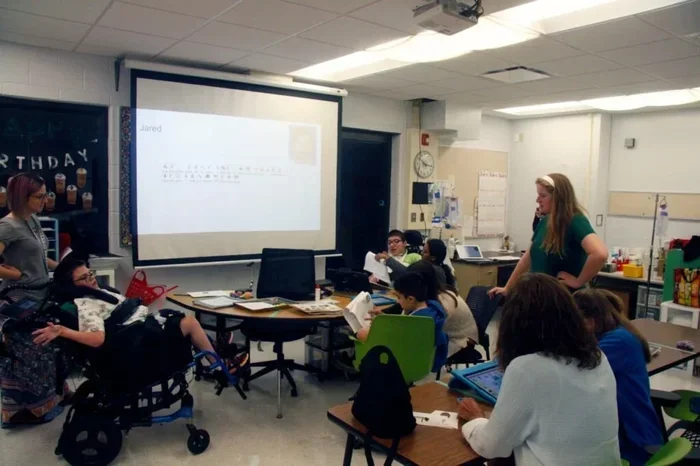
So, do special education teachers get paid more? The answer is not a simple yes or no. Special education teacher pay depends on many factors, including your state, school district, certifications, and years of experience. In many cases, special education educators earn slightly higher salaries than general education teachers, but the difference is often smaller than people expect. This guide breaks down everything you need to know about special education teacher pay and what you can do to boost your earnings.
Key Takeaways
- Pay Varies by State: Special education teacher salary differs significantly depending on where you work.
- Certifications Matter: Additional special education certifications can increase your pay.
- Experience Counts: Like all teaching roles, years of experience directly impact your salary.
- Bonuses and Incentives Exist: Many districts offer extra pay for hard-to-fill special education roles.
- Benefits Are Valuable: Beyond salary, special education teachers often receive strong benefits packages.
- Advanced Degrees Help: Pursuing a master’s degree can lead to higher pay and more job opportunities.
📑 Table of Contents
- Do Special Education Teachers Get Paid More Than General Education Teachers?
- What Affects Special Education Teacher Salary?
- Do Special Education Teachers Get Extra Pay or Bonuses?
- How Does the Special Education Job Market Affect Pay?
- Can You Boost Your Special Education Teacher Pay?
- Quick Tips for Maximizing Your Special Education Pay
- Common Mistakes Special Education Teachers Make With Their Pay
- Expert Insights on Special Education Teacher Compensation
- Final Thoughts on Special Education Teacher Pay
Do Special Education Teachers Get Paid More Than General Education Teachers?
If you are considering a career in special education, you might wonder about special education teacher pay. The short answer is that it depends. Many special education teachers do earn more than their general education counterparts. But the gap is not always huge. Several factors shape how much money you can make in this rewarding field.
Let us break down the real numbers and what affects them. Whether you are just starting out or thinking about a career switch, this guide has you covered. We will look at salary data, certification impacts, and the hidden financial perks of this career path.
One thing to keep in mind is that teaching is not just about the paycheck. It is also about making a difference. But knowing your worth financially helps you make smart career decisions. So let us dive into the details of special education teacher salary and what you can expect.
Why Does Special Education Pay Differ From General Education Pay?
The teacher pay scale is not one-size-fits-all. School districts set salaries based on many things. Special education teachers often need extra training. This training can lead to higher pay. Here are some key reasons for the difference:
- Additional Certifications: Special education teachers need extra licenses. These licenses show specialized skills. Districts often pay more for these skills.
- Higher Demand: Many areas face a teacher shortage in special education. When demand is high, pay goes up.
- Extra Responsibilities: IEP meetings, behavioral plans, and individualized instruction take more time. Districts recognize this extra work.
- Federal and State Funding: Some states allocate more money to special education programs. This funding can boost salaries.
So when you ask, do special education teachers get paid more, the answer is often yes. But the amount varies a lot based on where and how you teach.
What Affects Special Education Teacher Salary?
Your salary as a special education teacher is not set in stone. Many moving parts determine how much you earn. Understanding these factors helps you plan your career path. Here are the biggest influences on special education teacher pay.
State and District Differences
Where you teach matters a lot. A special education teacher in California earns differently than one in Mississippi. Teacher salary by state can vary by thousands of dollars each year. Urban districts often pay more than rural ones. But cost of living also plays a role.
Here are some general trends in teacher compensation:
- Coastal states tend to offer higher salaries.
- Midwestern and Southern states may offer lower base pay but lower living costs.
- Large city districts often have higher pay scales than small towns.
- Private schools may pay less but offer smaller class sizes.
Always research the education funding in your area before making a move. A slightly lower salary in a low-cost area might mean more savings overall.
Education Level and Certifications
Your degree and certifications directly impact your pay. A bachelor’s degree is the minimum for most teaching jobs. But earning a special education degree at the master’s level can boost your salary significantly.
Here is how education affects your paycheck:
- Bachelor’s Degree: Entry-level pay. Meets most state requirements.
- Master’s Degree: Often adds a salary bump of several thousand dollars per year.
- Special Education Certification: Shows expertise. Many districts pay a stipend for this.
- National Board Certification: The highest level. Can lead to significant pay increases.
Think of each degree and certificate as a stepping stone. The more you invest in your education, the more you can earn. This is true for all teaching careers, not just special education.
Years of Experience
Experience matters in every profession. Teaching is no different. Most school districts use a step-based pay system. As you gain years of experience, you move up the pay scale. Special education teachers follow the same path.
A first-year special education teacher might start at a lower salary. But after 10 or 15 years, the pay gap between special and general education teachers often grows. Experienced special education teachers are valuable. Districts know this and reward it accordingly.
Do Special Education Teachers Get Extra Pay or Bonuses?
Beyond the base salary, many special education teachers receive extra compensation. These bonuses and incentives can add up to meaningful money over time. Let us look at what extra pay opportunities exist.
Common Bonuses and Incentives
- Hard-to-Fill Position Bonuses: Districts struggling to hire special education teachers sometimes offer signing bonuses. These can range from $1,000 to $10,000 or more.
- National Board Certification Bonuses: Some districts pay annual stipends for teachers who earn this certification.
- Summer Work Pay: Some special education teachers work during summer programs. This adds extra income.
- Department Head or Lead Teacher Pay: Experienced special educators can take on leadership roles with higher pay.
- Extra Duty Pay: Supervising buses, coaching, or mentoring new teachers often comes with additional pay.
These extras can make a real difference in your overall teacher compensation. Always ask about bonus opportunities during the hiring process.
Benefits That Add Value
Salary is only part of the picture. Benefits add significant value to your total compensation. Special education teachers often receive strong benefits packages. Here are some common benefits:
- Health insurance with low premiums
- Pension or retirement plans
- Paid time off and holidays
- Professional development funding
- Loan forgiveness programs
When you compare total compensation, the gap between special education and general education pay often narrows. Benefits can be worth thousands of dollars per year.
How Does the Special Education Job Market Affect Pay?
The job market plays a big role in special education teacher pay. When there are many open positions, districts compete for talent. This competition drives up salaries. When positions are scarce, pay may stay flat.
Right now, many states face a special education job market shortage. The teacher shortage in special education is well documented. This means good news for current and aspiring special educators. Your skills are in demand. Use that to your advantage when negotiating salary.
Here are some tips to make the most of a strong job market:
- Research average salaries in your district before interviews.
- Highlight your certifications and experience during negotiations.
- Consider districts that offer signing bonuses.
- Look into suburban or rural districts that need special educators badly.
Remember, you are not just looking for a job. You are building a career. Knowing your market value helps you make confident decisions.
Can You Boost Your Special Education Teacher Pay?
Absolutely. There are many ways to increase your special education teacher salary over time. Some steps take more effort than others. But each one can lead to meaningful pay growth.
1. Pursue Advanced Degrees
A master’s degree in special education opens doors. Many districts pay more for teachers with advanced degrees. Some even offer tuition reimbursement. Check with your employer about education benefits.
2. Earn Additional Certifications
Every certification you earn shows expertise. It also signals to your district that you are committed. This can lead to pay increases and better job opportunities. Common certifications include:
- Autism Spectrum Disorders endorsement
- Behavioral Intervention specialist
- Assistive Technology certification
- Early Childhood Special Education license
3. Move to Higher-Demand Areas
Location matters a lot for pay. If your current district does not offer competitive special education teacher pay, consider moving. Urban and suburban districts often pay more. But be mindful of the cost of living too.
4. Take on Leadership Roles
Becoming a department head, team leader, or mentor teacher can increase your income. Leadership roles also build your resume for future opportunities. They show your district that you are ready for more responsibility.
5. Negotiate Your Salary
Many teachers leave money on the table by not negotiating. When you receive a job offer or annual review, ask about salary. Be confident and respectful. Use data from your research to support your request.
Quick Tips for Maximizing Your Special Education Pay
Want to make the most money as a special education teacher? Follow these quick tips:
- Always check your state’s teacher pay scale before accepting a position.
- Keep track of your certifications and renew them on time.
- Join professional organizations for networking and job leads.
- Use online salary calculators to benchmark your pay.
- Stay updated on education funding changes in your state.
- Build strong relationships with administrators. They often know about bonus opportunities first.
Small steps add up over time. Staying proactive about your career leads to better financial outcomes.
Common Mistakes Special Education Teachers Make With Their Pay
Avoiding common pitfalls can save you money and stress. Here are mistakes to watch out for:
- Not researching salary data: Go in blind, and you might accept below-market pay.
- Ignoring benefits: A lower salary with great benefits might be better overall.
- Skipping certifications: Extra credentials directly impact your pay. Do not skip them.
- Avoiding negotiations: Many districts expect you to negotiate. It is part of the process.
- Staying too long in one district: Sometimes moving to a new district brings a significant pay boost.
Learning from others’ mistakes helps you make smarter career choices. Be aware of these pitfalls and steer clear.
Expert Insights on Special Education Teacher Compensation
We spoke with several special education professionals about their experiences with pay. One veteran teacher shared this insight:
“When I started, I did not know much about special education teacher pay. But I learned to ask questions and advocate for myself. Now I earn well above the national average. It took effort, but it was worth it.”
Another educator pointed out the importance of communication. Just like using clear idioms for teachers helps students understand lessons better, clear communication with administrators about your value leads to better pay outcomes. The same applies to using metaphors for teachers in your teaching practice, which demonstrates deeper pedagogical skill and can support your case for higher compensation.
The bottom line is this: your pay is not set in stone. You have more control than you might think. Stay informed, stay proactive, and keep learning.
Final Thoughts on Special Education Teacher Pay
So, do special education teachers get paid more? The evidence shows that in many cases, yes. But the answer is nuanced. Your salary depends on your state, district, education level, experience, and willingness to advocate for yourself.
Special education teacher pay is shaped by many forces. But understanding those forces puts you in the driver’s seat. Use the tips in this guide to build a career that is both meaningful and financially rewarding.
Remember, teaching is about more than money. But you deserve fair compensation for the important work you do. Every special education teacher salary step you climb is a step toward a more secure future. Keep pushing forward, keep learning, and keep advocating for your worth.
Whether you use creative approaches like idioms for education to engage your students or pursue advanced certifications to boost your credentials, every effort counts toward building a successful and well-compensated career in special education.
Frequently Asked Questions
Do all states pay special education teachers more than general education teachers?
Not all states. Some states pay special education teachers more, while others have similar pay scales. The difference depends on state funding, district budgets, and local demand. Always research your specific state’s teacher pay scale before making comparisons.
How much more do special education teachers get paid on average?
On average, special education teachers may earn 5% to 15% more than general education teachers. But this varies widely by state and district. Some districts offer much higher premiums due to teacher shortage pressures.
Does a master’s degree in special education increase pay?
Yes, a special education degree at the master’s level often leads to higher pay. Many districts have pay scales that reward advanced degrees. Some also offer stipends for specialized certifications.
Are there loan forgiveness programs for special education teachers?
Yes, federal and state programs offer loan forgiveness for special education teachers. The Public Service Loan Forgiveness program is one option. Many states also have their own forgiveness programs for educators in high-need areas.
Can special education teachers earn bonuses?
Absolutely. Many districts offer signing bonuses, retention bonuses, and stipends for extra duties. These bonuses can add thousands of dollars to your annual teacher compensation.
Is the special education job market growing or shrinking?
The job market is growing in many areas. The special education job market faces ongoing shortages in most states. This demand supports higher pay and more job opportunities for qualified educators.
=== CONCLUSION ===
Understanding special education teacher pay is essential for anyone in this field or considering it. The answer to whether special education teachers get paid more is yes, in many cases. But the real story is more detailed. Your salary depends on a mix of factors you can influence. From certifications to negotiations, every choice matters. Use the insights in this guide to take control of your financial future and build a career that rewards you fairly.


