
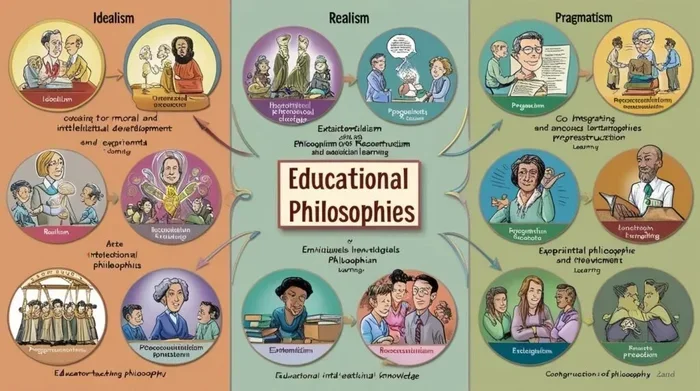
Philosophy of education is the study of how we teach, why we teach, and what knowledge truly matters. It guides every classroom decision, from curriculum design to teaching methods. Understanding this field helps educators, parents, and students connect learning to deeper educational values and real-world outcomes.
Have you ever wondered why some classrooms feel inspiring while others feel flat? The answer often comes down to one thing: philosophy of education. This field explores the big ideas behind how we teach, what we teach, and why it all matters. It is not just an abstract concept for academics. It shapes real decisions that teachers make every single day.
When we talk about educational philosophy, we are really asking fundamental questions. What is the purpose of schooling? How should students learn best? What values should guide the education system? These questions matter because they directly affect learning outcomes, classroom practices, and the experiences of millions of students worldwide.
In this article, we will break down what philosophy of education really means. We will explore the major types, show you how it shapes everyday teaching, and help you build your own framework. Whether you are a seasoned teacher, a curious parent, or a student exploring the field, this guide has something valuable for you.
Key Takeaways
- Philosophy of education shapes every aspect of teaching: From curriculum design to daily classroom practices, it influences how knowledge is transmitted and received.
- Multiple educational philosophies exist: Perennialism, progressivism, essentialism, and existentialism each offer unique approaches to learning and teaching.
- It matters more than ever today: Rapid changes in education policy, technology, and student needs make a strong teaching philosophy essential for modern educators.
- You can build your own philosophy: Anyone involved in education can develop a personal framework that aligns with their goals and values.
- Common mistakes hold teachers back: Over-relying on one approach or ignoring student feedback can limit the impact of your classroom practices.
- It connects to broader learning concepts: Figurative language, critical thinking, and creative expression all benefit from a solid educational foundation.
📑 Table of Contents
What Is Philosophy of Education?
The Core Definition
Philosophy of education is the branch of philosophy that examines the nature, goals, and methods of teaching and learning. It asks deep questions about knowledge, values, and the purpose of schooling. At its core, it helps us understand why certain teaching methods work and others do not.
Think of it as the blueprint behind education. Every curriculum design decision, every lesson plan, and every assessment tool reflects an underlying philosophy. Even if a teacher never names it, their teaching philosophy drives their choices in the classroom.
The field draws from many areas. It connects with learning theories, psychology, sociology, and even politics. This is why education policy and classroom practice are so closely linked. A society’s beliefs about knowledge and growth shape its schools.
Why People Often Overlook It
Many people assume philosophy of education is too theoretical. They think it belongs in university lecture halls, not in real classrooms. But this is a big mistake. In truth, every teacher already operates with some form of educational philosophy, whether they realize it or not.
The problem comes when that philosophy is unconscious. A teacher who never reflects on their approach may rely on outdated pedagogical approaches. They might stick to knowledge transmission alone, where the teacher talks and students listen. Without reflection, education reform becomes much harder.
Understanding this field gives educators power. It lets them question habits, try new ideas, and create learning environments that truly serve students. It also connects to how we use language to inspire. For instance, the way teachers use similes for education can make complex ideas feel relatable and memorable.
Why Philosophy of Education Matters Today
Shaping the Future of Learning
The world of education is changing fast. Technology, global challenges, and shifting workforce needs are transforming what skills matter most. In this environment, a clear philosophy of education acts as a compass. It helps educators navigate change without losing sight of what truly matters.
Today’s students need more than memorization. They need critical thinking, creativity, and the ability to adapt. A strong educational framework supports these goals. It ensures that learning outcomes go beyond test scores and prepare students for real life.
Schools that ignore philosophy often drift. They adopt trends without asking whether those trends align with their mission. This leads to confusion among teachers and disengagement among students. A grounded philosophy keeps everyone focused and aligned.
Connecting Values to Classroom Practices
Every classroom reflects a set of values. Some teachers prioritize discipline and structure. Others focus on exploration and student voice. These choices are not random. They come from a deeper set of beliefs about what education should achieve.
For example, a teacher who values lifelong learning will design activities that encourage curiosity. They will not just prepare students for a single test. They will build habits that support growth beyond the classroom. This is where pedagogical approaches and personal values meet.
Parents also benefit from understanding this connection. When you know a school’s educational philosophy, you can better support your child’s journey at home. You start to see homework, projects, and feedback through a clearer lens.
Language plays a big role here too. The way educators describe learning shapes how students feel about it. Using tools like metaphors for education can help make abstract ideas feel vivid and personal for learners of all ages.
Major Types of Educational Philosophy
There is no single way to think about education. Over the decades, thinkers have developed different frameworks. Each one offers a unique lens on how learning happens and what schools should prioritize.
Perennialism
Perennialism focuses on timeless ideas and enduring truths. Supporters believe that certain knowledge and principles never change. They emphasize classic texts, great works, and knowledge transmission from teacher to student.
This approach values rigor and intellectual discipline. It is common in schools that prioritize literature, history, and philosophy. Critics sometimes argue it can feel rigid or disconnected from modern life.
Progressivism
Progressivism takes the opposite approach. It centers on the student’s experience and interests. Learning happens through doing, exploring, and solving real problems. Student-centered learning is a core idea here.
John Dewey is one of the most famous names tied to this philosophy. He believed schools should mirror democratic life. Students should collaborate, question, and experiment. This approach fuels critical thinking and creativity.
Many modern classrooms blend progressivist ideas with other approaches. Project-based learning, group work, and hands-on activities all reflect this influence.
Essentialism
Essentialism focuses on teaching core knowledge and basic skills. It stresses a shared body of knowledge that every educated person should know. Subjects like math, science, reading, and writing take center stage.
This philosophy values structure and clear standards. Teachers lead the classroom, and the curriculum is carefully planned. It has influenced education policy in many countries, especially through standards-based reform.
Supporters appreciate its clarity and accountability. Detractors worry it can limit creativity and fail to address individual student needs.
Existentialism
Existentialism places the individual at the center of learning. It emphasizes personal freedom, choice, and self-definition. Students are encouraged to explore their own identities and passions.
In an existentialist classroom, the teacher acts more as a guide than a lecturer. The focus is on personal growth and authentic experience. This approach connects deeply with educational values around self-discovery and meaning.
This philosophy is less common in traditional schools but has strong roots in alternative and progressive education models.
How Philosophy Shapes Teaching Methods
From Theory to the Classroom
Educational philosophy does not stay in textbooks. It flows directly into how teachers plan lessons, manage classrooms, and interact with students. Every decision a teacher makes carries the fingerprint of their beliefs about learning.
For instance, a teacher who believes in constructivism will design activities where students build their own understanding. They might use group discussions, hands-on experiments, or real-world problem-solving. A teacher who leans toward traditional knowledge transmission might rely more on lectures and direct instruction.
Neither approach is inherently right or wrong. The key is awareness. When teachers understand their own teaching philosophy, they can make intentional choices. They can also adapt when one method is not working for a particular group of students.
This awareness matters for teacher training programs as well. Future educators who study philosophy of education enter the classroom with stronger foundations. They are better equipped to handle challenges and innovate in their practice.
The Role of Student-Centered Learning
One of the biggest shifts in modern education is the move toward student-centered learning. This approach puts the learner at the heart of the process. Instead of passively receiving information, students actively construct their understanding.
This shift reflects progressivist and existentialist influences. It values curiosity, autonomy, and personal relevance. Teachers act as facilitators, creating environments where exploration feels safe and exciting.
In practice, this might look like flexible seating arrangements, choice-based projects, or open-ended questions. The goal is to make classroom practices more engaging and meaningful. When students feel ownership of their learning, learning outcomes improve dramatically.
Creative language also plays a role in this environment. Using idioms for education can make instructions feel more natural and relatable. It helps build a shared classroom culture where learning feels like a living, breathing part of daily life.
Philosophy of Education in Modern Classrooms
Real-World Examples
Let us look at how philosophy plays out in real settings. Imagine a high school history class. In a perennialist classroom, students might read primary source documents from great thinkers and debate their ideas. The focus is on enduring wisdom and intellectual rigor.
In a progressivist version of that same class, students might investigate a current event and trace its historical roots. They would work in groups, present findings, and connect the past to the present. The teacher facilitates rather than directs.
In an essentialist classroom, the teacher might focus on key facts, dates, and causes. Students memorize and review material aligned with clear standards. The emphasis is on building a strong foundation of shared knowledge.
Each classroom looks different because each one is guided by a different philosophy. None of these approaches is perfect on its own. The best educators often blend elements from multiple frameworks.
Quick Tips for Educators
- Reflect regularly: Ask yourself what beliefs guide your daily decisions. Write them down if it helps.
- Stay curious: Explore different pedagogical approaches and see what resonates with your style.
- Listen to students: Their feedback reveals a lot about whether your philosophy is working in practice.
- Connect to values: Make sure your classroom practices align with the educational values you care about most.
- Embrace language: Use creative and figurative language to make lessons more engaging and memorable.
- Keep learning: Read about learning theories and stay updated on education reform trends.
Building Your Own Philosophy of Education
Steps to Get Started
Creating your own educational philosophy is simpler than it sounds. You do not need a PhD in philosophy. You just need honesty, curiosity, and a willingness to reflect.
Step 1: Identify your core values. What do you believe about learning? Is knowledge something you pass down? Or is it something students discover themselves? Start by answering these big questions.
Step 2: Study the major frameworks. Read about perennialism, progressivism, essentialism, and existentialism. See which ideas align with your instincts. You might find that you naturally lean toward one or two.
Step 3: Observe and experiment. Watch how different teachers approach their classrooms. Try new teaching methods and note what works. Your philosophy should grow as you grow.
Step 4: Write it down. A written teaching philosophy statement is powerful. It clarifies your goals and helps you stay consistent. It also comes in handy for job applications and professional development.
Step 5: Revisit often. Your philosophy is not set in stone. As you gain experience and encounter new ideas, update your views. Growth is the whole point of education.
Common Mistakes to Avoid
One common mistake is adopting someone else’s philosophy wholesale. Just because a famous educator or school promotes a certain approach does not mean it fits you. Your educational philosophy should feel authentic to who you are.
Another mistake is treating philosophy as separate from practice. In reality, every lesson plan reflects beliefs about learning. The goal is to make those beliefs intentional and clear.
Some educators also resist change. They cling to one framework even when it stops working. A healthy philosophy of education stays flexible. It evolves with the needs of students and the demands of the times.
Finally, do not underestimate the power of language in shaping philosophy. How you talk about learning influences how students experience it. Using creative expressions and thoughtful framing can transform a classroom atmosphere. Exploring tools like similes for education can add richness and clarity to your communication with students.
Conclusion
Philosophy of education is far more than an academic topic. It is the invisible force behind every lesson, every policy, and every classroom experience. It shapes how we think about knowledge, growth, and the purpose of schooling itself.
Understanding this field empowers everyone connected to education. Teachers gain clarity and confidence. Parents make better choices. Students benefit from more intentional and meaningful learning experiences. The ripple effects are real and lasting.
In a world that changes constantly, a strong educational foundation matters more than ever. Whether you are just starting out or have decades of experience, revisiting your philosophy of education is always worthwhile. It keeps you grounded, inspired, and ready to make a difference.
Start today. Reflect on your beliefs. Explore new ideas. And remember that every choice you make in the classroom sends a message about what you truly value. That is the real power of educational philosophy.
Frequently Asked Questions
What is the simplest way to understand philosophy of education?
Think of it as the set of beliefs that guide how and why we teach. It answers basic questions like what knowledge matters most and how students learn best. Every educator, whether they know it or not, operates with some form of this philosophy shaping their daily decisions.
Why is philosophy of education important for teachers?
It gives teachers a clear framework for making decisions in the classroom. When you understand your own beliefs about learning, you can plan lessons that truly align with your goals. It also helps you adapt to new challenges and stay intentional rather than just following habits.
Can philosophy of education change over time?
Absolutely. Your educational philosophy should grow as you gain experience and encounter new ideas. Many teachers find that their views evolve after working with different student groups or trying new pedagogical approaches. Flexibility is a sign of a healthy philosophy.
How does philosophy of education affect students directly?
Students feel the impact every day through teaching methods, classroom culture, and learning activities. A teacher’s philosophy shapes the tone of the room, the types of tasks students receive, and how feedback is given. When the philosophy is strong, students engage more deeply and achieve better learning outcomes.
Are there different philosophy of education examples used around the world?
Yes, different countries and schools emphasize different frameworks. Some systems lean toward essentialism and standardized knowledge, while others embrace progressivism and student-led exploration. Understanding these differences helps educators appreciate diverse approaches and find what works best for their context.
How can I start developing my own teaching philosophy?
Begin by reflecting on your core values about learning and growth. Study the major educational philosophies, observe experienced teachers, and experiment with different methods in your own practice. Writing down your beliefs and revisiting them regularly will help you build a philosophy that feels authentic and effective.
=== CONCLUSION ===
Philosophy of education is the foundation that supports everything we do in teaching and learning. It connects our deepest values to our daily actions. It turns abstract ideas into real classroom practices that shape young minds.
We have covered the core definition, the major types, and the practical impact of this field. We have explored how it influences teaching methods, shapes modern classrooms, and guides personal growth for educators at every stage. The key message is simple: your philosophy matters, and it is always worth refining.
Take what you have learned here and apply it. Reflect on your beliefs. Try new approaches. And remember that education is not just about content. It is about cultivating thinkers, creators, and compassionate human beings. That is the true heart of philosophy of education.


