
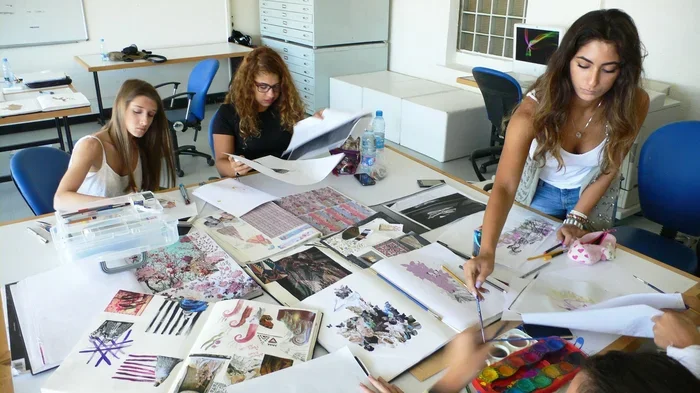
So, what education do you need to be a fashion designer? The good news is that there is no single fixed path. You can pursue a formal fashion design degree, attend short-term courses, or even teach yourself through practice and dedication. Most successful designers combine creative training with real-world experience, internships, and a strong portfolio that showcases their unique style.
Dreaming of creating stunning garments and seeing your designs on the runway? You are not alone. Thousands of people every year ask themselves the same question: what education do you need to be a fashion designer? The answer might surprise you. There is no one-size-fits-all route into this exciting and creative field.
Some designers spend four years earning a bachelor’s degree. Others jump straight into the industry through internships and self-study. What matters most is your passion, your willingness to learn, and your ability to build skills that employers and clients respect. This guide breaks down every educational path so you can choose the one that fits your goals and lifestyle.
Whether you are a high school student planning ahead or someone looking to switch careers, this article covers everything you need to know. We will explore degrees, courses, portfolios, and real-world experience. By the end, you will have a clear picture of your options and the confidence to take the next step.
Key Takeaways
- A bachelor’s degree in fashion design is the most common and widely respected educational path for aspiring designers.
- Associate degrees and certificate programs offer faster, more affordable routes into the fashion industry.
- Building a strong portfolio matters just as much as your degree or diploma.
- Internships provide hands-on experience and help you build valuable industry connections.
- Self-taught designers can succeed too, but they must be disciplined and proactive about learning.
- Fashion business skills like marketing and merchandising are just as important as creative design.
- Continuing education and networking keep your skills sharp throughout your career.
📑 Table of Contents
Types of Fashion Design Education
The world of fashion education is wider than many people realize. You have several solid options, and each one comes with its own benefits. Let us walk through the most popular choices.
Bachelor’s Degree in Fashion Design
A bachelor’s degree in fashion design remains the gold standard for most aspiring designers. This four-year program typically covers a wide range of topics. You will study design theory, textile science, pattern making, and garment construction. Most programs also include courses in fashion history and illustration.
Many top fashion schools offer bachelor’s programs that combine creativity with technical training. Schools like Parsons, FIT, and Central Saint Martins are well known in the industry. But you do not need to attend a famous school to get a quality education. Many state universities and smaller colleges offer excellent programs too.
During your studies, you will build a portfolio. This collection of your best work becomes your calling card when you apply for jobs. A strong portfolio can open doors that a diploma alone cannot.
Associate Degrees and Certificate Programs
If a four-year degree feels like too much of a commitment, consider an associate degree in fashion design. These two-year programs focus on the essentials. You will learn core skills like sewing, draping, and pattern drafting. Many community colleges offer these programs at a much lower cost.
Certificate programs are another great option. These short courses usually take a few months to a year to complete. They focus on specific skills such as fashion illustration or digital design tools. Certificates work well if you already have a degree in another field and want to add fashion skills to your toolkit.
One thing to keep in mind: some employers prefer candidates with a full bachelor’s degree. But a certificate or associate degree can still get you started, especially if you pair it with hands-on experience.
Online Fashion Design Courses
The rise of online learning has made fashion education more accessible than ever. You can now take online fashion design courses from anywhere in the world. Platforms like Coursera, Skillshare, and MasterClass offer classes taught by industry professionals.
Online courses are flexible and affordable. You can learn at your own pace and fit studying around your existing commitments. They work well for beginners who want to explore fashion design before committing to a full degree program.
However, online courses have limitations. They do not always provide the same level of hands-on training as in-person programs. You also miss out on the networking opportunities that come with attending a physical school. Use online courses as a supplement, not a replacement, for real-world practice.
What You Will Learn in Fashion School
Fashion school is not just about drawing pretty dresses. It is a rigorous training ground that prepares you for every aspect of the industry. Here is a closer look at what you will study.
Core Design Skills
Every fashion design program starts with the basics. You will learn fashion illustration, which is the art of drawing clothing designs on paper or digitally. This skill helps you communicate your ideas clearly to clients and manufacturers.
You will also dive into pattern making and garment construction. These are the technical skills that turn a design concept into a real, wearable piece. You will work with fabrics, learn how they drape, and understand how different cuts affect the final look.
Textile science is another important subject. You will study different types of fibers, weaves, and finishes. Understanding fabrics helps you choose the right materials for each design and ensures your garments look and feel their best.
Business and Marketing Knowledge
Creativity alone will not build a sustainable fashion career. You also need fashion business skills. Most good programs include courses in merchandising, marketing, and retail management.
You will learn how to price your designs, identify target markets, and promote your brand. These skills are essential whether you want to work for an established fashion house or launch your own label. The fashion industry is as much about business as it is about art.
Some programs also cover fashion merchandising, which focuses on how products are displayed, marketed, and sold. This knowledge gives you a competitive edge in the job market.
Building a Strong Portfolio
Your portfolio is arguably the most important tool in your fashion career. It shows employers and clients what you can do. A great portfolio tells a story and highlights your unique creative voice.
What Goes Into a Strong Portfolio
A strong portfolio should include a variety of work. Show your range by including sketches, completed garments, and digital designs. Include both class projects and personal creations. Admissions committees and hiring managers want to see versatility and originality.
Quality matters more than quantity. Choose your best pieces and present them in a clean, professional format. Many designers now use digital portfolios or personal websites. A well-designed online portfolio is easy to share and can reach a global audience.
How to Stand Out
To stand out, you need a clear design identity. Your portfolio should feel cohesive, even if it includes diverse pieces. Choose a consistent color palette, layout, and style that reflects your brand as a designer.
Include behind-the-scenes content too. Show your process, from initial sketches to finished garments. This gives viewers insight into how you work and demonstrates your problem-solving skills. Think of your portfolio as a living document that grows with you throughout your career.
Internships and Hands-On Experience
Classroom learning is valuable, but nothing replaces real-world experience. Internships bridge the gap between school and a full-time career. They give you a taste of what working in fashion is really like.
Why Internships Matter
Internships let you apply what you have learned in a real setting. You will work alongside experienced professionals and learn industry standards firsthand. You will also develop practical skills like working with deadlines, collaborating with teams, and managing multiple projects.
Many fashion schools require internships as part of their curriculum. Even if yours does not, you should pursue one anyway. The connections you make during an internship can lead to job offers down the road. In fashion, who you know matters just as much as what you know.
Finding the Right Opportunity
Start your search early. Many fashion houses and retailers offer summer internship programs. Apply well before the deadlines. Reach out to designers and brands you admire, even if they do not have a formal internship program listed.
Do not limit yourself to big-name brands. Smaller studios and independent designers can offer equally valuable experience. You might get more hands-on responsibilities and a closer look at the creative process from start to finish.
Use your school’s career services office for help. They often have connections with industry partners and can help you find opportunities that match your interests.
Do You Need a Degree to Succeed in Fashion?
This is one of the most debated questions in the fashion world. The honest answer is: it depends. A degree gives you a strong foundation and credibility. But it is not the only path to a successful fashion career.
The Case for Formal Education
A formal education provides structure and discipline. You will learn fundamentals that might take years to pick up on your own. You will also have access to mentors, industry connections, and school resources like workshops and equipment.
Many employers prefer candidates with a degree. Having one on your resume can help you get past the initial screening process. And the networking opportunities during college can shape your entire career trajectory.
As the saying goes, learning about fashion is like learning a new language, and formal education gives you the grammar and vocabulary to express yourself clearly. It gives you a solid base to build on.
Alternative Paths to Success
Some of the most successful designers never completed a formal degree. They taught themselves through practice, experimentation, and persistence. If you are self-motivated and disciplined, this path can work for you too.
Start by mastering the basics. Learn to sew, study pattern making, and practice your sketching skills. Use free online resources and tutorials to build your knowledge. Create your own projects and treat them as if they were school assignments.
Seek out mentors in the industry. Attend fashion events, join online communities, and connect with other designers. Many experienced professionals are happy to share advice with ambitious newcomers. The fashion world rewards creativity and hustle in equal measure.
Continuing Education and Lifelong Learning
Fashion is a constantly evolving industry. Trends change, technologies advance, and consumer preferences shift. To stay relevant, you must commit to lifelong learning.
Even after you land your first job, continue sharpening your skills. Take advanced courses in areas like sustainable fashion or digital design. Attend workshops and industry conferences. Read fashion publications and follow emerging designers.
Many successful designers return to school later in their careers to update their skills or explore new areas. Some pursue short courses in fashion business or technology. This willingness to keep learning sets apart the designers who thrive from those who stagnate.
Common Mistakes to Avoid
As you plan your fashion education, watch out for these common pitfalls:
- Skipping the basics: Do not jump straight into advanced design without mastering fundamentals like sewing and pattern making.
- Neglecting business skills: Fashion is a business. Ignoring the commercial side limits your career growth.
- Waiting for perfection: Start building your portfolio and gaining experience now. You will improve with practice.
- Ignoring networking: Some of the best opportunities come from connections, not applications.
- Following trends blindly: Develop your own design identity instead of copying what is already popular.
Final Thoughts on Fashion Design Education
So, what education do you need to be a fashion designer? The answer is simpler than you might think. You need a combination of creative training, technical skills, and real-world experience. Whether you choose a bachelor’s degree, an associate program, online courses, or a self-taught path, the key is to stay committed and keep learning.
Your education does not end with a diploma. It is a lifelong journey that evolves with every project, every internship, and every new challenge you embrace. The fashion industry rewards those who are curious, hardworking, and passionate about their craft.
Start where you are. Use what you have. Take the next step, whether that means enrolling in a program, signing up for an online course, or simply picking up a sketchbook and drawing. Your journey as a fashion designer begins with a single decision to pursue your dream.
Remember, every designer you admire started somewhere. Your education is your foundation. Build it well, and the runway will be waiting for you.
Frequently Asked Questions
What education do you need to be a fashion designer?
There is no single answer. Many fashion designers hold a bachelor’s degree in fashion design or a related field. However, associate degrees, certificate programs, and self-taught paths can also lead to a successful career. What matters most is building strong design skills and a compelling portfolio.
How long does it take to become a fashion designer?
A bachelor’s degree takes about four years. Associate degrees and certificate programs take one to two years. Self-taught designers can enter the industry faster, but they must be disciplined about building skills and gaining experience through internships and personal projects.
Can I become a fashion designer without a degree?
Yes, you can. Many successful designers are self-taught. Without a formal degree, you will need to be proactive about learning the technical skills, building a portfolio, and gaining hands-on experience. Networking and internships become even more important on this path.
What skills do fashion schools teach?
Fashion schools teach a wide range of skills including fashion illustration, pattern making, garment construction, textile science, and fashion business. You will also develop your creative vision and learn how to present your work through a professional portfolio.
Is fashion design a good career choice?
Fashion design can be a rewarding career for creative, driven individuals. It offers opportunities in design, merchandising, marketing, and more. The industry is competitive, but those with strong skills, a solid portfolio, and good connections can find fulfilling work.
What is the difference between fashion design and fashion merchandising?
Fashion design focuses on creating clothing and accessories. Fashion merchandising focuses on buying, marketing, and selling fashion products. Many fashion programs cover both areas, and understanding both gives you a wider range of career options in the industry.
=== CONCLUSION ===
Choosing your education path in fashion is a big decision, but it does not have to be overwhelming. Whether you pursue a formal fashion design degree, enroll in a short certificate program, or teach yourself through practice and dedication, the most important thing is to start. The fashion industry values creativity, hard work, and a willingness to keep learning. Every step you take toward building your skills brings you closer to your dream. Trust the process, stay curious, and let your passion for fashion guide you forward.


