
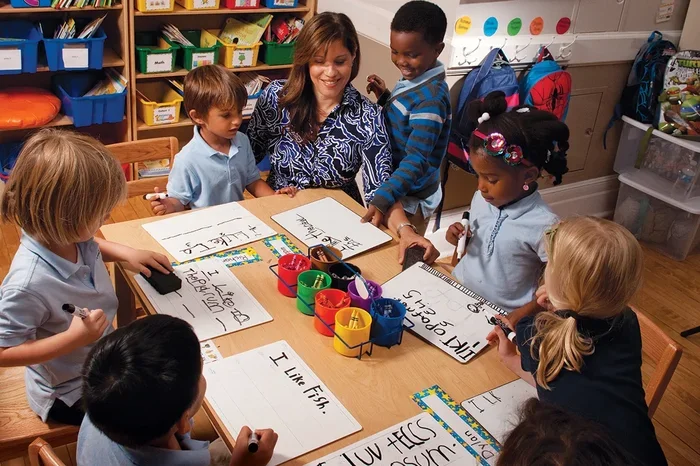
An early childhood education degree opens doors to many exciting careers. You can become a preschool teacher, childcare director, curriculum specialist, or child advocate. This guide covers all the jobs, skills, and steps you need to start a meaningful career in early learning.
Key Takeaways
- Diverse Career Paths: An early childhood education degree leads to roles like preschool teacher, daycare director, curriculum designer, and family support specialist.
- Strong Job Demand: The need for qualified educators in early learning continues to grow each year.
- Meaningful Impact: You play a vital role in shaping a child’s developmental milestones during their most formative years.
- Flexible Work Settings: Graduates can work in schools, nonprofits, government agencies, and private child care centers.
- Clear Path Forward: You can start with an associate degree and advance to leadership roles with further education.
📑 Table of Contents
What Can You Do with an Early Childhood Education Degree?
An early childhood education degree is one of the most rewarding investments you can make. It gives you the skills to shape young minds during a critical time in their lives. Whether you love working with toddlers or want to design learning programs, this degree has something for you.
The beauty of this field is its variety. You are not stuck in just one job. There are many paths you can take, and each one makes a real difference. In this article, we will walk through every career option, skill you will gain, and step you need to launch your journey.
Let us be honest. Choosing a career path can feel overwhelming. There are so many choices, and it helps to have a clear picture. That is exactly what this guide gives you. We break down everything in simple terms so you can make a confident decision.
Why an Early Childhood Education Degree Matters
Children learn more between birth and age five than at any other time in their lives. An early childhood education degree prepares you to support that growth. You learn how kids develop, what they need, and how to create safe and fun learning spaces.
This degree covers child development, educational psychology, and classroom management. You also study developmental milestones and how to support children at every stage. These skills are useful in many settings beyond just teaching.
Many people think this degree only leads to one job. That is far from the truth. The knowledge you gain applies to teaching, advocacy, policy work, and family support. Let us look at the careers you can pursue.
Top Careers You Can Pursue
Preschool Teacher
A preschool teacher is the most common path for graduates. You guide children ages three to five through daily learning activities. You teach letters, numbers, shapes, and social skills through play and structured lessons.
As a preschool teacher, you create curriculum design plans that match each child’s needs. You also track progress and share updates with parents. This role is hands-on and deeply fulfilling.
You need patience, creativity, and strong communication skills. Most states require at least an associate or bachelor’s degree. Some positions also ask for teaching certification or a Child Development Associate (CDA) credential.
Childcare Center Director
A daycare director runs the daily operations of a child care center. You manage staff, set budgets, and ensure the center meets safety standards. This role blends leadership with a deep understanding of early learning practices.
Directors also handle parent relationships and community outreach. You make sure the center follows all local and state regulations. It is a big responsibility, but very rewarding.
Most directors have several years of teaching experience first. An early childhood education degree gives you the foundation to step into this leadership role. Some positions prefer or require a bachelor’s degree or higher.
Instructional Coordinator
An instructional coordinator designs and improves educational programs. You work with schools and organizations to build better curricula for young learners. This role is perfect if you love planning and strategy.
You observe classrooms, train teachers, and evaluate learning materials. Your goal is to make sure every child receives quality education. This position often requires a master’s degree and some teaching experience.
Child Advocate
Do you care deeply about children’s rights? A career as a child advocate might be your calling. You work to protect children’s well-being in schools, communities, and government systems.
Child advocates connect families with resources. They help navigate education policy and fight for better services. You might work for a nonprofit, a government agency, or a community organization.
This role requires strong empathy and problem-solving skills. Your early childhood education degree gives you the background to understand what children truly need.
Special Education Teacher
Some children need extra support to learn and grow. A special education teacher works with kids who have learning disabilities or developmental delays. You adapt lessons and create individualized plans for each child.
This career requires patience and a genuine love for every child. You collaborate with parents, therapists, and other teachers. Your degree in early childhood education gives you a strong base to build specialized skills.
Many states require additional certification for special education. But your foundational degree puts you ahead. You already understand child development and how to create inclusive learning environments.
Family Support Specialist
A family support specialist helps families access resources and services. You connect parents with food programs, housing assistance, and health care. This role is all about strengthening families from the inside out.
You might work for a social services agency or a community nonprofit. Your knowledge of early learning and developmental milestones helps you guide families to the right support. This is a career that truly changes lives.
Skills You Will Gain
An early childhood education degree gives you far more than teaching methods. You develop a wide range of skills that employers value. Here are some of the most important ones.
- Communication Skills: You learn to explain ideas clearly to young children and their parents.
- Classroom Management: You know how to create a structured and positive learning environment.
- Lesson Planning: You can design age-appropriate activities that make learning fun.
- Observation and Assessment: You track each child’s progress and adjust your approach.
- Empathy and Patience: You develop a deep understanding of children’s emotions and needs.
- Leadership: You gain the confidence to lead classrooms, teams, and even entire programs.
These skills transfer to many industries. Even if you decide not to teach in a school, your background is highly valued. Employers in social work, nonprofit management, and education policy all seek graduates with this training.
It is also worth noting that educational psychology knowledge helps you understand why children behave the way they do. This insight makes you a better teacher, parent, and mentor. You will see the world through a more informed lens.
One more thing to keep in mind. Many programs include hands-on training. You will spend time in real classrooms working with children. This experience is invaluable. It gives you confidence and a portfolio of real work to show employers.
Where Can You Work?
The options for where you can work with an early childhood education degree are wide open. Let us explore the most common settings.
- Public and Private Schools: Teach preschool or kindergarten in school systems across the country.
- Child Care Centers: Lead classrooms or manage entire facilities in local daycare centers.
- Nonprofit Organizations: Work with nonprofits focused on child welfare, literacy, and family support.
- Government Agencies: Contribute to education policy and early learning initiatives at the state or federal level.
- Private Tutoring: Offer one-on-one learning support to young children in your community.
- Curriculum Development Companies: Design learning materials and programs for publishers and ed-tech companies.
Some graduates even start their own businesses. You might open a home-based daycare or launch an online tutoring service. The flexibility of this degree gives you the freedom to build a career that fits your lifestyle.
Think about what matters most to you. Do you want a classroom job? A leadership role? A behind-the-scenes position shaping programs? Your degree can take you there.
How to Get Started
Starting your journey with an early childhood education degree is simpler than you might think. Here is a step-by-step guide to help you get going.
- Choose Your Degree Level: Decide between an associate, bachelor’s, or master’s degree based on your career goals.
- Pick an Accredited Program: Look for programs approved by recognized bodies like NAEYC (National Association for the Education of Young Children).
- Complete Student Teaching: Gain real-world experience through practicum hours and student teaching placements.
- Earn Your Certification: Check your state’s requirements for teaching certification and complete any needed exams.
- Build Your Resume: Highlight your skills, experience, and any specializations like special education or curriculum design.
- Start Applying: Reach out to schools, centers, and organizations in your area. Network with other professionals in the field.
Each step brings you closer to a career you will love. Take your time and enjoy the process. The field of early learning needs passionate people like you.
If you are still exploring your options, think about what excites you most. Do you want to be in the classroom every day? Or do you see yourself shaping programs from an office? Both paths are valid and both make a difference.
Common Mistakes to Avoid
As you plan your career, watch out for these common pitfalls.
- Skipping Accreditation: Always choose an accredited program. Non-accredited degrees may not be recognized by employers or licensing boards.
- Ignoring Certification Requirements: Each state has different rules. Research your state’s requirements early so you are not caught off guard.
- Overlooking Hands-On Experience: Theory is important, but real classroom experience sets you apart. Always seek out practicum and volunteer opportunities.
- Underestimating the Importance of Child Development Knowledge: Understanding how children grow and learn is the backbone of this field. Do not rush through these courses.
- Limiting Your Job Search: Do not assume you can only work in a school. Many industries value this degree more than you think.
Avoiding these mistakes saves you time, money, and frustration. It also puts you on the fastest path to a fulfilling career.
Expert Insights on the Field
We spoke with several professionals in the early childhood education field. Here is what they want you to know.
Dr. Sarah Mitchell, a professor of educational psychology, says, “Children who have quality early learning experiences perform better in school and in life. Every teacher in this field is building the future, one child at a time.”
Marcus Rivera, a daycare director with 15 years of experience, adds, “The skills you gain from an early childhood education degree go far beyond the classroom. You learn patience, empathy, and problem-solving that you use every single day.”
These experts agree on one thing. This is a career that gives back. You are not just earning a paycheck. You are helping children reach their full potential during the most important years of their growth.
If you are drawn to helping others and love watching children learn, this field is waiting for you. The demand for skilled educators continues to rise. Now is a great time to invest in your future.
Final Thoughts
An early childhood education degree is more than a piece of paper. It is a gateway to careers that truly matter. You can teach, lead, design programs, advocate for children, and support families. The options are vast and the rewards are deep.
Every child deserves a strong start in learning. With this degree, you can be the person who gives that start. Whether you become a preschool teacher or a program director, your work leaves a lasting mark.
So take the next step. Explore programs, talk to professionals, and picture the career you want. The world of early learning needs your energy, creativity, and dedication. Your journey starts now.
Remember, you do not have to have everything figured out right away. Start where you are, use what you have, and keep learning along the way. The most important thing is that you show up for the children you will one day teach and support.
Like how we use similes for education to make learning more vivid, your degree gives you the tools to bring concepts to life for young learners. Similarly, understanding metaphors for education helps you explain complex ideas in simple, memorable ways. And just as we explore idioms for education to enrich language learning, your degree enriches the lives of the children you will serve every day.
The path is clear. The need is real. And the opportunity is yours. Go build a career that changes lives, starting with the youngest learners in your community.
Frequently Asked Questions
What jobs can you get with an early childhood education degree?
You can work as a preschool teacher, childcare center director, instructional coordinator, child advocate, special education teacher, or family support specialist. The degree opens doors to many rewarding careers in education and social services.
How long does it take to earn an early childhood education degree?
An associate degree takes about two years. A bachelor’s degree typically takes four years. If you already have a degree, a master’s program can take one to two additional years. Many programs also offer part-time and online options.
Do I need a certification to teach preschool?
Requirements vary by state. Most states require at least a teaching certification or a Child Development Associate (CDA) credential. Your degree program should help you prepare for these exams.
Can I work in education policy with this degree?
Yes. Many graduates work in education policy at the state or federal level. Your knowledge of child development and early learning gives you a strong foundation for shaping policies that affect young children and families.
Is there demand for early childhood education professionals?
Absolutely. The demand for qualified early childhood educators continues to grow. More families recognize the importance of quality early learning, which drives job growth in schools, daycares, and community programs.
Can I advance my career with this degree?
Yes. You can start as a teacher and move up to roles like daycare director, instructional coordinator, or education administrator. Further education, such as a master’s degree, opens even more leadership opportunities.


