
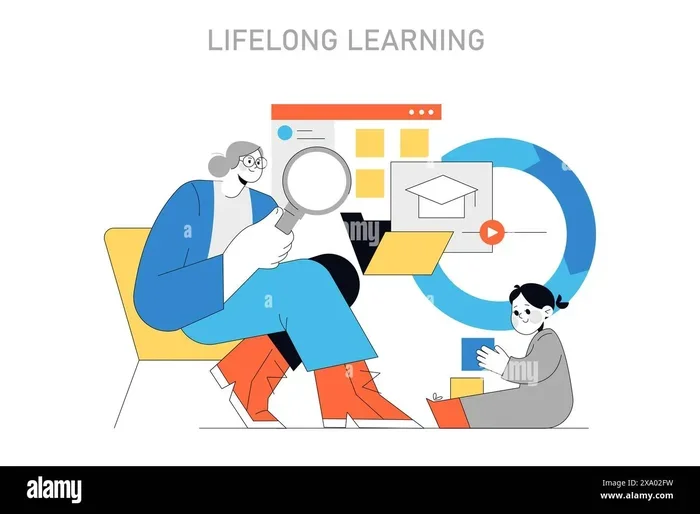
Lifelong education is the ongoing, self-driven pursuit of knowledge throughout your entire life. It goes far beyond classrooms and degrees, covering personal growth, career development, and intellectual curiosity. Understanding what is lifelong education helps you see learning as a daily habit, not just a school-time activity. This guide covers why it matters, how to start, and simple steps to make learning a natural part of your life.
Key Takeaways
- Lifelong learning is a continuous process: It never stops and fits into every stage of life, from childhood to retirement.
- It boosts career and personal growth: Staying curious keeps your skills sharp and opens new doors professionally and personally.
- You do not need a classroom: Online courses, books, podcasts, and real-world experiences all count as valid learning tools.
- It strengthens mental health: Keeping your brain active through education improves memory, focus, and emotional well-being.
- Small steps matter: You do not need huge time commitments. Even 15 minutes of daily learning builds powerful habits over time.
📑 Table of Contents
- What Is Lifelong Education and Why It Matters So Much
- Understanding Lifelong Education: The Big Picture
- Why Lifelong Education Matters in Today’s World
- How to Start Your Lifelong Learning Journey
- The Benefits of a Learning Mindset
- Common Mistakes People Make with Lifelong Learning
- Quick Tips for Staying Motivated
- Conclusion
What Is Lifelong Education and Why It Matters So Much
Have you ever thought about learning something new just because it excited you? Not for a grade. Not for a job. Just because you wanted to know more. That is the heart of lifelong education. It means keeping your mind open and curious from the day you are born until the very end. Lifelong learning is not a trend or a buzzword. It is a way of living that changes how you see the world.
Many people think education ends after school or college. But that could not be further from the truth. What is lifelong education if not the understanding that every day brings a chance to grow? Whether you pick up a new skill at work, read a book for fun, or listen to a podcast on your commute, you are already doing it. The beauty of this approach is that it fits into every part of your life. It does not care about your age, job, or background.
The world changes fast. Technology evolves. Industries shift. Jobs that did not exist ten years ago are now in high demand. Continuous education helps you keep up and stay relevant. But more than that, it feeds your soul. It gives you a sense of purpose and keeps your brain healthy and sharp. Let us dive deeper into why this matters so much.
Understanding Lifelong Education: The Big Picture
At its core, lifelong education is the voluntary and self-motivated pursuit of knowledge. It happens inside and outside formal settings. You choose what to learn, when to learn it, and how deep you want to go. There are no strict rules. No exams you must pass. No deadlines you cannot move.
This type of learning covers many areas of life. It includes gaining new professional skills, exploring hobbies, understanding different cultures, and even improving your emotional intelligence. The goal is simple: grow as a person every single day.
Formal vs. Informal Learning
There are two main types of learning in this journey. Formal education means structured learning like college degrees, certifications, and training programs. Informal learning happens naturally. It is the conversation you have with a friend that changes your perspective. It is watching a YouTube tutorial to fix something at home. Both matter. Both count. The best learners mix both styles to get the most out of every day.
The Role of Metaphors and Similes in Education
Teachers and mentors often use creative language to make ideas stick. For example, a great instructor might use similes for education to compare complex ideas to everyday experiences. Saying “learning a new language is like building a bridge” helps learners visualize progress. These teaching tools make tough concepts feel simple and relatable.
Similarly, educators use metaphors for education to paint vivid pictures in students minds. When someone says “the classroom is a garden,” they are not just speaking poetically. They are making a point that growth takes time, care, and the right environment. These figurative tools are part of the broader educational journey and help learners of all ages grasp new ideas more easily.
Common Education Idioms That Inspire Learners
You have probably heard phrases like “the sky is the limit” or “knowledge is power.” These are idioms for education that have inspired generations of learners. They carry deep meaning in just a few words. When you hear “you cannot judge a book by its cover,” it reminds you that true learning goes beyond surface appearances. These expressions shape how we think about growth and curiosity. They remind us that education is a lifelong adventure, not a box to check.
Why Lifelong Education Matters in Today’s World
The pace of change in the modern world is incredible. New tools, platforms, and ideas appear every single day. Staying still means falling behind. Lifelong learning keeps you moving forward with confidence.
Here are some powerful reasons why continuous education matters so much right now.
It Keeps Your Career Strong
Employers value people who keep growing. When you invest in skill development, you become more valuable at work. You solve problems faster. You bring fresh ideas to the table. Professional growth often comes from those who stay curious and keep updating their knowledge. A person who stops learning after getting a degree will find it hard to adapt. But someone who embraces lifelong education stays competitive no matter what changes come.
It Boosts Your Confidence
Every new thing you learn gives you a confidence boost. When you understand a topic you once found confusing, you feel capable. That feeling builds over time. Soon, you trust yourself to tackle challenges you never thought possible. Educational attainment is not just about certificates. It is about believing in your own ability to grow.
It Improves Your Mental Health
Research shows that keeping your brain active reduces the risk of cognitive decline. Learning new things creates new neural connections in your brain. It improves memory, focus, and even your mood. People who engage in personal development activities regularly report feeling happier and more fulfilled. Education is one of the best gifts you can give your mind.
How to Start Your Lifelong Learning Journey
Starting is easier than you think. You do not need to enroll in a full degree program. You just need a willingness to explore. Here are practical ways to begin.
Set Small, Clear Learning Goals
Begin with something simple. Want to learn how to cook Italian food? Start with a recipe video. Curious about history? Pick up a beginner-friendly book. Learning goals do not need to be huge. Small, consistent steps create powerful momentum over time. Write down one thing you want to learn this week and go for it.
Explore Online Learning Platforms
Online learning has changed everything. You can now take courses from top universities without leaving your home. Platforms like Coursera, Udemy, and Khan Academy offer thousands of subjects. Whether you want to learn coding, photography, or philosophy, there is a course for you. Many of these courses are free or very affordable. This makes learning opportunities available to almost everyone.
Build a Daily Learning Habit
Consistency beats intensity. Spending just 15 to 20 minutes a day on learning adds up fast. Try listening to an educational podcast during your morning walk. Read one chapter of a book before bed. Watch a short documentary on a weekend morning. These small moments build into a powerful learning mindset over weeks and months.
Join Communities of Learners
Learning is more fun when you do it with others. Join a book club, an online forum, or a local workshop. Surrounding yourself with curious people keeps you motivated. You will also discover new topics you never would have explored on your own. Intellectual growth often happens through shared conversations and fresh perspectives.
The Benefits of a Learning Mindset
A learning mindset is the belief that you can always grow and improve. People with this mindset see challenges as opportunities. They do not fear mistakes. Instead, they treat mistakes as lessons. This attitude transforms every area of life.
When you have a learning mindset, you become more adaptable. You handle change better. You communicate more effectively because you understand different viewpoints. You also become more creative. New knowledge sparks new ideas. The more you feed your mind, the more it gives back.
Personal development and lifelong education go hand in hand. When you commit to growing, you improve not just your career but also your relationships, your health, and your overall quality of life. It is one of the most rewarding investments you can make.
Common Mistakes People Make with Lifelong Learning
Even the best intentions can lead to wrong turns. Here are some common mistakes to avoid on your educational journey.
- Trying to learn everything at once: Overloading your brain leads to burnout. Pick one or two topics at a time and go deep.
- Ignoring your interests: Do not force yourself to learn things just because they are popular. Follow your genuine curiosity. That is where the real joy is.
- Skipping practice: Reading about a skill is not the same as doing it. Apply what you learn as soon as possible.
- Comparing yourself to others: Everyone learns at their own pace. Focus on your progress, not someone else’s timeline.
- Treating learning as a chore: If it feels like a duty, you will quit. Make it fun. Choose topics that excite you and keep you curious.
Quick Tips for Staying Motivated
Staying motivated on your educational journey is not always easy. Here are some quick tips that really work.
- Track your progress: Keep a simple journal of what you learn each day. Seeing your growth in writing is incredibly motivating.
- Reward yourself: Finished a course? Treat yourself to something you enjoy. Small rewards build positive habits.
- Teach what you learn: Explaining a topic to someone else deepens your understanding. It also feels great to share knowledge.
- Mix it up: Alternate between reading, watching, listening, and doing. Variety keeps learning fresh and exciting.
- Connect learning to your life: When you see how new knowledge helps your daily life, motivation comes naturally.
Conclusion
What is lifelong education if not the commitment to growing every single day? It is about staying curious, staying open, and staying hungry for knowledge. Lifelong learning is not reserved for students or scholars. It belongs to everyone willing to take even one small step forward.
The world gives us endless opportunities to learn. From online courses to real-world experiences, from books to conversations, the tools are everywhere. All you need is the desire to use them. Continuous education enriches your career, strengthens your mind, and brings joy into your life. Start today. Pick one thing you have always wanted to learn. Take that first step. Your future self will thank you.
Remember, education does not end when you leave school. It is just the beginning of a much bigger adventure. Embrace lifelong education and watch how it transforms every part of your life.
Frequently Asked Questions
What is lifelong education in simple terms?
Lifelong education means learning something new throughout your entire life. It is not limited to schools or classrooms. It includes any form of knowledge growth, from taking online courses to reading books to having meaningful conversations. The key idea is that learning never stops, no matter your age or stage in life.
Why is lifelong education important for career growth?
Employers look for people who keep updating their skills. Continuous education helps you stay relevant in a fast-changing job market. It also builds your confidence and makes you more adaptable. When you keep learning, you open doors to new opportunities and career advancements that you might not have thought possible before.
Can anyone practice lifelong learning?
Absolutely. Lifelong education has no age limit or requirement. Whether you are 15 or 75, you can start learning something new today. The beauty of it is that there are no barriers. Free online resources, libraries, community classes, and even everyday experiences all offer chances to grow.
How is lifelong education different from formal education?
Formal education is structured and usually happens in schools or colleges with set curriculums and exams. Lifelong education is self-directed and flexible. You choose what to learn, when to learn it, and how fast you go. Both are valuable, but lifelong education gives you full control over your own educational journey.
What are some easy ways to start lifelong learning?
Start small and keep it fun. Listen to educational podcasts during your commute. Read one article or book chapter a day. Sign up for a free online course on a topic you enjoy. Join a local club or discussion group. The goal is to make learning a natural and enjoyable part of your daily routine.
Does lifelong education really improve mental health?
Yes, research supports this. Keeping your brain active through learning strengthens memory and focus. It also reduces stress and boosts mood. People who engage in regular personal development and intellectual growth often report feeling more satisfied and connected to the world around them. Learning truly feeds your mind and spirit.
=== INTERNAL LINKS ===
Just as similes for education help teachers explain ideas in relatable ways, lifelong learning uses creative tools to make growth feel natural and accessible.
Much like metaphors for education transform abstract ideas into vivid pictures, lifelong education turns everyday experiences into powerful lessons that shape who we become.
Phrases like “knowledge is power” are classic idioms for education that have inspired millions to pursue continuous education and embrace the joy of never stopping their educational journey.


