
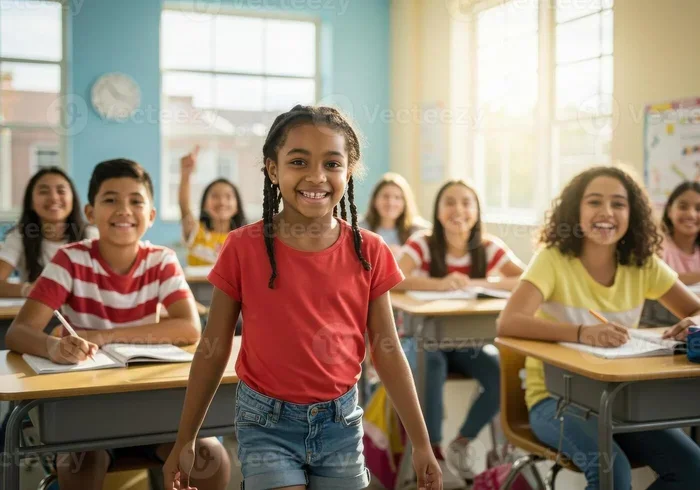
Education is not just a privilege — it is a fundamental human right that every person deserves. When we treat learning as a basic right, entire communities rise, economies grow, and individuals unlock their full potential. Understanding why education must be accessible to all helps us build a fairer, more just world for future generations.
Imagine a world where every child, no matter where they are born, gets a fair shot at learning. Sounds like a dream, right? But the truth is, education should be a basic human right — not a luxury reserved for the lucky few. When we talk about why education should be a human right, we are really asking a bigger question: what kind of world do we want to live in?
The idea that learning belongs to everyone is not new. People have fought for equal access to education for centuries. From grassroots movements to global agreements, the message is clear: knowledge is power, and that power should never be hoarded. In this article, we will explore the many reasons why education as a fundamental right matters, what happens when it is denied, and what we can do to make it real for every person on this planet.
Key Takeaways
- Education is a foundational human right: International laws and declarations recognize learning as essential to human dignity and freedom.
- Universal access drives social equality: When everyone can learn, gaps in poverty, health, and opportunity shrink dramatically.
- Quality education boosts economies: Educated populations create stronger, more innovative societies with higher standards of living.
- Children suffer most without access: Denying education to young people limits their lifelong chances and well-being.
- Policy changes matter: Governments and organizations must prioritize free, inclusive education systems for all learners.
- Everyone benefits when learning is a right: From individuals to entire nations, the positive effects of universal education ripple outward.
📑 Table of Contents
- The Foundation: Education as a Basic Human Right
- The Social Impact of Universal Education
- The Economic Case for Education as a Right
- What Happens When Education Is Denied
- What Can Be Done to Make Education a True Right
- Quick Tips: How You Can Support Education as a Human Right
- Common Mistakes People Make About Education Rights
- Expert Insight: Why Educators Believe Education Is a Right
- Conclusion
The Foundation: Education as a Basic Human Right
So, what makes education a human right in the first place? The answer lies in the way we define what it means to live a dignified life. Without education, people struggle to understand their rights, advocate for themselves, or participate fully in society. Learning is the building block of human freedom.
What International Law Says
Many global agreements already recognize education as a fundamental right. The Universal Declaration of Human Rights, adopted in 1948, states that everyone has the right to education. The United Nations also includes quality learning in its Sustainable Development Goals. These are not just words on paper. They represent a shared promise that every person deserves the chance to grow through learning.
When countries sign these agreements, they commit to making education for all a priority. That means building schools, training teachers, and removing barriers that keep people from learning. It is a big job, but it starts with believing that every learner matters.
Why This Matters for Human Dignity
Think about it this way. When someone cannot read a medicine label, how do they stay healthy? When someone cannot write a contract, how do they protect themselves from being taken advantage of? Education gives people the tools to live with dignity. It opens doors that would otherwise stay shut.
Without access to learning, people become invisible. Their voices go unheard. Their potential goes untapped. That is why the right to education is so closely tied to human dignity. It is not just about knowing facts — it is about being able to live a full, self-determined life.
The Social Impact of Universal Education
When we talk about why education should be a human right, the social benefits are impossible to ignore. Education does not just change one life at a time. It changes entire communities.
Breaking the Cycle of Poverty
Poverty and lack of education feed each other. Families who cannot afford school often stay trapped in the same cycle for generations. But when education is treated as a right, that cycle starts to break. Children who learn to read and do math gain skills that lead to better jobs. Better jobs mean healthier families. Healthier families mean stronger neighborhoods.
Here is a simple truth: free education for all is one of the most powerful tools we have to fight poverty. It levels the playing field and gives every child a chance to dream bigger.
Building Stronger, More Equal Societies
Education also drives social equality. When everyone has the same opportunities to learn, societies become fairer. People from different backgrounds can connect, understand each other, and work together. Quality education helps reduce prejudice and builds empathy.
Think about classrooms where children from different cultures sit side by side. They learn each other’s stories. They grow up seeing each other as equals. That kind of education equity does not just happen by accident. It takes intention and effort. But the result is a society that is more just and more peaceful.
The Economic Case for Education as a Right
Beyond the moral argument, there is a strong economic case for treating learning as a right. How are education and higher earnings related? The connection is clear and powerful.
Educated Workforces Drive Growth
Countries that invest in universal education see stronger economies. Workers with skills earn more, spend more, and create more jobs. Innovation thrives when people have the knowledge to invent, solve problems, and adapt to change.
On the flip side, nations that limit access to learning lose out. They miss out on talent. They miss out on ideas. They fall behind. That is why global education is not just a nice goal — it is an economic necessity.
Individual Financial Freedom
For individuals, education opens doors to financial freedom. People with more schooling tend to have better-paying jobs, more job security, and greater wealth over their lifetimes. Education and higher earnings go hand in hand, and that means more stability for families and communities.
But here is the catch: this only works if education is accessible to everyone. If only wealthy families can afford quality learning, then the economic benefits stay concentrated. Free and quality education ensures that the rewards of learning are shared broadly, not kept behind a paywall.
What Happens When Education Is Denied
It is easy to talk about the good things that happen when everyone can learn. But we also need to face the hard truth about what happens when access to education is blocked.
The Cost of Exclusion
Millions of children around the world are denied the chance to go to school. Some live in conflict zones. Others face discrimination based on gender, disability, or income. Whatever the reason, the cost is devastating.
Children who cannot go to school are more likely to:
- Live in poverty as adults
- Face serious health problems
- Have fewer opportunities to find good work
- Be more vulnerable to exploitation
- Have shorter life expectancies
These are not just statistics. These are real people with real dreams. When we deny the right to learn, we deny them their future.
The Ripple Effect on Communities
The damage does not stop with one child. When a generation grows up without education, entire communities suffer. There are fewer doctors, fewer teachers, fewer leaders. The social impact of excluding people from learning echoes for decades.
That is why educational reform matters so much. Every child who gets a chance to learn lifts up everyone around them. They become parents who value school. They become neighbors who contribute. They become citizens who strengthen democracy.
What Can Be Done to Make Education a True Right
Knowing why education should be a human right is important. But knowing what to do about it is even more important. Real change takes action.
Governments Must Lead
Governments play the biggest role in making education for all a reality. That means funding public schools, training qualified teachers, and creating policies that remove barriers. Free primary and secondary education should be the norm, not the exception.
Countries that have made education policy a priority show us what is possible. When governments invest in learning, everyone wins. Students succeed. Economies grow. Communities thrive.
Communities and Organizations Can Help
But governments cannot do it alone. Local organizations, nonprofits, and community leaders all play a part. They can:
- Build schools in underserved areas
- Provide scholarships for students in need
- Advocate for education equity in local and national laws
- Create programs that support lifelong learning
- Mentor young people and guide them toward opportunities
Every effort counts. Even small actions can make a big difference in someone’s life.
The Role of Technology and Innovation
Technology is changing the way we think about access to education. Online learning platforms, mobile apps, and digital resources can reach students in remote areas. Distance education has shown us that learning does not need to happen in a traditional classroom to be effective.
Of course, technology alone is not the answer. It must be used thoughtfully and equitably. But when done right, it can help close gaps and bring quality education to people who have been left behind.
Quick Tips: How You Can Support Education as a Human Right
You do not need to be a politician or a CEO to make a difference. Here are some simple ways to support education as a fundamental right:
- Volunteer with local literacy programs or tutoring organizations
- Donate to charities that provide school supplies or scholarships
- Advocate for education funding in your community
- Share information about the importance of education for all on social media
- Mentor a young person in your neighborhood or online
- Stay informed about education policy and speak up when rights are threatened
Every action, no matter how small, adds up. When we all do our part, we move closer to a world where learning is truly a right for everyone.
Common Mistakes People Make About Education Rights
There are some misunderstandings that get in the way of progress. Let us clear a few of them up.
- Mistake 1: Thinking education is only about schools. Education happens everywhere — at home, in libraries, through work, and online. Lifelong learning is just as important as formal schooling.
- Mistake 2: Believing free education means low quality. Free does not have to mean low quality. Many countries provide excellent free education that rivals private options.
- Mistake 3: Assuming it is someone else’s problem. Education rights are everyone’s responsibility. Community support, parental involvement, and civic engagement all matter.
Expert Insight: Why Educators Believe Education Is a Right
Teachers and education experts around the world agree on one thing: every child deserves the chance to learn. They see firsthand how education transforms lives. They watch students grow in confidence, discover their passions, and dream bigger than they ever thought possible.
As one educator put it, “When a child learns to read, the whole world opens up to them. That is not a privilege — that is a right.” This belief drives millions of teachers to work in difficult conditions because they know what education can do. It changes everything.
Conclusion
Why should education be a human right? The answer is clear. Education lifts people out of poverty, builds stronger communities, drives economic growth, and protects human dignity. When we treat learning as a right, not a privilege, we create a world that is fairer, kinder, and more just for everyone.
The path to universal education is not always easy. It takes money, commitment, and courage. But every step forward matters. Every child who gets to learn is a victory for all of us. Let us keep pushing for a world where education is truly a right for everyone — no exceptions, no excuses.
If you want to learn more about how education shapes our lives and our future, check out this guide on why education is important. Understanding the bigger picture helps us fight for what is right.
And if you are curious about how education connects to career success and earning potential, this article on how education and higher earnings are related offers great insights.
Finally, if you want to explore the deeper meaning behind learning and its role in society, take a look at what the purpose of education really is. These resources can help deepen your understanding and inspire you to take action.
Frequently Asked Questions
Why is education considered a human right?
Education is considered a human right because it is essential for human dignity, freedom, and full participation in society. International laws like the Universal Declaration of Human Rights recognize that every person deserves the opportunity to learn and grow.
What happens when education is not treated as a right?
When education is not treated as a right, inequality grows. People miss out on better jobs, health outcomes, and opportunities. Communities suffer, and cycles of poverty continue for generations.
How does education help reduce poverty?
Education gives people the skills they need to find better jobs and earn higher incomes. It also improves health, decision-making, and civic participation, all of which help lift families and communities out of poverty.
What role do governments play in ensuring education as a right?
Governments are responsible for building schools, training teachers, funding public education, and creating policies that make learning accessible to all citizens. Without strong government action, universal education cannot become a reality.
Can technology help make education more accessible?
Yes, technology can play a big role. Online learning platforms, mobile apps, and digital tools can reach students in remote or underserved areas. However, technology must be used equitably to truly expand access to education for everyone.
What can ordinary people do to support education as a human right?
Ordinary people can volunteer, donate, advocate for education funding, mentor young people, and spread awareness about the importance of education for all. Every effort, no matter how small, contributes to a more just and educated world.


