
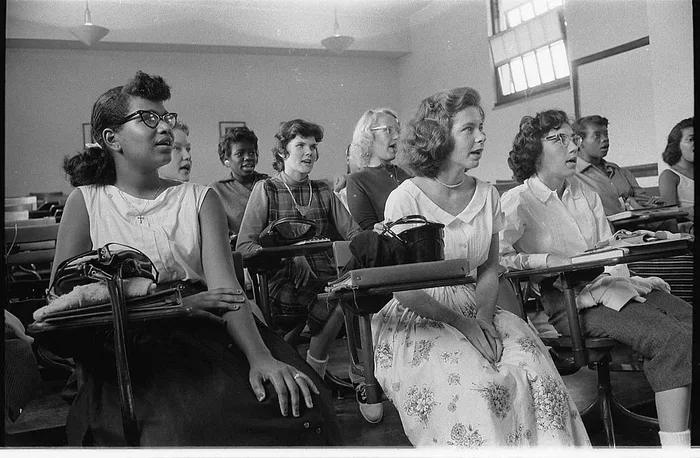
The result of Brown v Board of Education was a unanimous Supreme Court decision that declared racial segregation in public schools unconstitutional. The 1954 ruling overturned the “separate but equal” doctrine from Plessy v Ferguson and became one of the most important milestones in the civil rights movement. This decision paved the way for school desegregation and reshaped the landscape of American public education.
The result of Brown v Board of Education changed America in ways few legal decisions ever have. In 1954, the United States Supreme Court issued a ruling that struck down racial segregation in public schools. It was a turning point. It was a moment that gave millions of children hope for a fairer future. And it set the stage for the modern civil rights movement.
If you have ever wondered what exactly came out of this historic case, you are in the right place. This article breaks down the decision in plain language. We will cover the background, the ruling itself, the immediate effects, and the long-term legacy. By the end, you will understand why this case remains so important today.
Key Takeaways
- Unanimous Ruling: The Supreme Court ruled 9-0 that segregation in public schools violated the Equal Protection Clause.
- Overturned Plessy v Ferguson: The “separate but equal” doctrine was officially dismantled for public education.
- Started Desegregation: The ruling set the legal foundation for integrating schools across the United States.
- Inspired the Civil Rights Movement: Brown became a catalyst for broader social and legal change.
- Faced Massive Resistance: Many states and communities pushed back, leading to decades of struggle.
- Lasting Legacy: The case continues to influence education policy and civil rights discussions today.
📑 Table of Contents
What Was Brown v Board of Education?
Brown v Board of Education was a landmark legal case that challenged racial segregation in American public schools. The case was named after Oliver Brown, a parent from Topeka, Kansas. His daughter, Linda Brown, had to walk a dangerous route to get to her segregated black school. There was a white school much closer to her home. But she could not attend it because of the color of her skin.
The case was not just about one girl or one town. It represented a broader fight against racial discrimination in public education. Families across the country had grown tired of being told their children were “separate but equal.” They knew that was not true. The facilities for black students were almost always inferior. The resources were fewer. The opportunities were limited.
The Legal Background
Before Brown, the legal standard came from a much older case called Plessy v Ferguson. That 1896 decision allowed for “separate but equal” facilities. For nearly six decades, this idea shaped American life. It justified segregation in schools, restaurants, buses, and more. But by the mid-1900s, many people recognized the deep unfairness of this doctrine.
The Equal Protection Clause of the Fourteenth Amendment became the legal foundation for challenging segregation. Lawyers from the NAACP Legal Defense Fund built their case around the idea that separate educational facilities were inherently unequal. They gathered evidence showing how segregation harmed black children psychologically and educationally.
The Supreme Court’s Historic Decision
On May 17, 1954, Chief Justice Earl Warren delivered the unanimous opinion of the Court. The ruling was clear and powerful. Segregation in public schools violated the Constitution. The Court stated that separate educational facilities were inherently unequal. There was no way to make “separate” truly “equal.”
The decision was unanimous. All nine justices agreed. This was significant. It sent a strong message that the nation was ready to confront its history of racial segregation in education. The ruling combined five separate cases under the Brown name, representing families from Kansas, South Carolina, Virginia, Delaware, and Washington, D.C.
What the Ruling Specifically Said
The Court’s opinion rested on several key points:
- Segregation based on race in public schools was unconstitutional.
- Separate facilities could never provide true equality in education.
- Racial separation caused harm to minority children by creating feelings of inferiority.
- The Fourteenth Amendment guaranteed equal protection for all citizens, including in education.
The Court did not set a specific timeline for desegregation. Instead, it ordered that the cases be remanded to lower courts. Those courts were told to proceed “with all deliberate speed.” This phrase would later become a source of frustration for civil rights advocates.
The Immediate Results and Impact
The result of Brown v Board of Education sent shockwaves through the nation. Some communities celebrated the decision. Others fiercely resisted it. The ruling did not instantly change the face of American education. But it opened the door for real progress.
Initial Reactions Across the Country
In the South, many states and local governments pushed back hard against the ruling. Some politicians even vowed to resist federal orders. The concept of school desegregation faced enormous opposition. In some places, public schools were closed rather than integrated. In others, new private schools were created to avoid admitting Black students.
In other parts of the country, the ruling was met with quiet support and cautious optimism. Northern and Western states had different forms of segregation, often through housing patterns and school district lines. The Brown decision gave communities a legal tool to challenge these practices.
The Role of the Civil Rights Movement
The Brown ruling energized the broader civil rights movement. It showed that the legal system could be used to fight injustice. Activists drew strength from the Supreme Court’s decision. It became a symbol of what was possible when people stood up for equal rights.
In the years that followed, the movement led to the Civil Rights Act of 1964 and the Voting Rights Act of 1965. These laws built upon the foundation that Brown laid. The ruling proved that the courts could be a force for meaningful social change.
How the Ruling Changed Public Schools
The result of Brown v Board of Education did not transform schools overnight. Change was slow and often painful. But over time, the ruling reshaped the American education system in profound ways.
Desegregation Efforts in Practice
In the years following the ruling, federal courts ordered school districts to integrate. Some districts complied willingly. Others required federal intervention. The process of school integration involved busing students to different neighborhoods, building new schools, and restructuring attendance zones.
Notable moments in the desegregation journey include:
- Little Rock Nine (1957): Nine Black students bravely enrolled at Central High School in Arkansas, protected by federal troops.
- Ruby Bridges (1960): A six-year-old girl became the first Black student to integrate an elementary school in New Orleans.
- Southern Manifesto (1956): A document signed by Southern politicians vowing to resist desegregation, showing the depth of opposition.
These events showed both the courage of families who sought better opportunities and the fierce resistance they faced. The path to educational equality was neither short nor easy.
Impact on Educational Resources and Quality
Over time, the Brown decision led to improvements in educational resources for Black communities. Schools that had been neglected began to receive more funding and attention. The ruling highlighted the importance of equal access to quality education for every child, regardless of race.
However, challenges remained. Even decades after Brown, many schools remained effectively segregated due to housing patterns, economic inequality, and local policy decisions. The fight for truly integrated and equitable schools continued well beyond 1954.
The Long-Term Legacy of Brown v Board of Education
More than seventy years later, the result of Brown v Board of Education continues to shape American society. The ruling established a powerful legal precedent that extended far beyond the classroom. It influenced how courts think about discrimination, equality, and constitutional rights.
Broader Legal and Social Influence
The Brown decision became a cornerstone of American history and constitutional law. It inspired challenges to segregation in other areas of public life, including housing, transportation, and public accommodations. The idea that “separate but equal” was inherently flawed became a guiding principle for civil rights advocacy.
Legal scholars often point to Brown as one of the most important Supreme Court decisions in history. It demonstrated the power of the judiciary to protect the rights of minority groups. It also highlighted the importance of using evidence and social science to support legal arguments. The famous “doll studies” conducted by psychologists Kenneth and Mamie Clark played a crucial role in the Court’s reasoning.
Ongoing Challenges and Conversations
Despite the progress made since 1954, the work of Brown is not finished. Many American schools today still face issues of racial inequality and unequal funding. The achievement gap between different racial groups remains a serious concern. And debates about school integration and educational equity continue in communities across the nation.
The language we use in education matters too. The expressions and idioms for education that teachers and students use every day carry cultural weight. Similarly, similes for education and metaphors for education shape how we think about learning and opportunity. The words we choose reflect the values we hold, and Brown v Board of Education reminds us that those values must include fairness and justice for all.
Why This Case Still Matters Today
The result of Brown v Board of Education is not just a historical fact. It is a living reminder of what is possible when people fight for justice. The case showed that ordinary families can change the course of history. Oliver Brown and thousands of other parents took a stand, and the nation changed because of it.
Today, educators, policymakers, and communities continue to draw lessons from Brown. The ruling reminds us that equal access to education is not just a legal right. It is a moral imperative. Every child deserves the chance to learn in an environment that is safe, well-resourced, and welcoming.
The Brown decision also teaches us that progress is rarely quick or easy. Change often meets resistance. But with persistence, courage, and a commitment to constitutional rights, meaningful transformation is possible. That lesson extends far beyond the schoolhouse door.
As we look at the state of American education today, the legacy of Brown v Board of Education is clear. It gave us a legal framework for fighting discrimination. It inspired generations of activists and leaders. And it set a standard for what our schools and our society should aspire to be.
The story of Brown is not just about one court case. It is about the ongoing pursuit of equal protection and educational opportunity for every single person in this country. And that story is still being written.
Frequently Asked Questions
What was the final ruling in Brown v Board of Education?
The Supreme Court ruled unanimously that racial segregation in public schools was unconstitutional. The Court declared that “separate educational facilities are inherently unequal,” overturning the Plessy v Ferguson precedent.
Why was Brown v Board of Education so important?
This case was important because it dismantled the legal basis for segregation in public schools. It became a cornerstone of the civil rights movement and established that the Equal Protection Clause of the Fourteenth Amendment applied to education.
How did the ruling affect school segregation in America?
The ruling set the legal foundation for desegregation efforts across the country. While change was slow and met with resistance, the decision gave families and advocates a powerful tool to challenge discriminatory school policies.
Who was Oliver Brown, and why is the case named after him?
Oliver Brown was a parent from Topeka, Kansas, whose daughter Linda had to attend a segregated school far from their home. The case was named after him because alphabetically his name came first among the plaintiffs, ensuring the case would be heard by the Supreme Court.
Did the Brown decision immediately end segregation in schools?
No, the ruling did not end segregation immediately. Many states resisted the decision for years or even decades. The Court ordered integration “with all deliberate speed,” but the actual process of desegregation took many years and faced significant opposition.
How does the Brown v Board of Education ruling affect education policy today?
The ruling continues to influence education policy by establishing that racial discrimination in schools is unconstitutional. It serves as a legal and moral foundation for ongoing discussions about school integration, educational equity, and equal access to quality education for all students.
=== CONCLUSION ===
The result of Brown v Board of Education was nothing short of revolutionary. The Supreme Court’s unanimous decision declared that segregation in public schools violated the Constitution. It dismantled the “separate but equal” doctrine and set the stage for the modern civil rights movement. The ruling gave millions of children a fighting chance at a better future through equal access to education.
But the story does not end with the ruling itself. The result of Brown v Board of Education was just the beginning of a long and difficult journey. Desegregation took decades. Resistance was fierce. And the fight for truly equitable education continues to this day. The case remains a powerful reminder that the law can be a force for justice, but only when people have the courage to use it.
As we reflect on this landmark decision, let us remember the families who risked everything for their children. Let us honor their sacrifice by continuing to push for educational equality in our own communities. The promise of Brown v Board of Education is still unfolding. And it is up to all of us to make sure it is fulfilled.


