
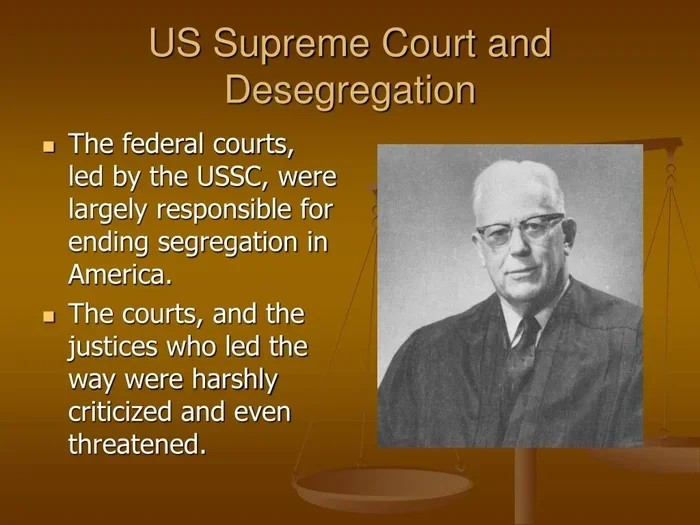
The Brown v Board of Education case was a landmark Supreme Court decision that declared racial segregation in public schools unconstitutional. It overturned the “separate but equal” doctrine and became a turning point in the civil rights movement. This case changed American education forever and paved the way for desegregation across the country.
The Brown v Board of Education case is one of the most important moments in American history. It changed how schools worked, how people thought about equality, and how the law treated race. If you have ever wondered what this case was really about and why it still matters, you are in the right place.
This article breaks down everything you need to know. We will cover the background, the key players, the Supreme Court decision, and the lasting impact. By the end, you will understand why Brown v Board of Education is called a landmark ruling and what it means for education today.
Key Takeaways
- Historic Ruling: The Supreme Court unanimously ruled that segregated schools violated the Fourteenth Amendment.
- Overturned Plessy v Ferguson: The decision ended the “separate but equal” legal doctrine that had stood for nearly 60 years.
- Led by Oliver Brown: The case was named after Oliver Brown, a parent from Topeka, Kansas, who fought for his daughter’s right to attend a nearby school.
- Civil Rights Milestone: Brown v Board became a catalyst for the broader civil rights movement in America.
- Desegregation Took Time: Despite the ruling, full integration of schools took decades of continued effort and advocacy.
- Lasting Legacy: The case still influences education policy and civil rights discussions today.
📑 Table of Contents
The Background: Why the Case Happened
Before we dive into the case itself, let us look at the world it came from. In the early 1900s, many states in America had racial segregation laws. These laws said that Black people and white people had to use separate facilities. This included schools, buses, restaurants, and even drinking fountains.
The idea behind these rules was simple but deeply unfair. The law said that as long as both races had “equal” facilities, separation was allowed. This concept was known as “separate but equal.” In reality, Black schools were almost always worse than white schools. They had older books, broken desks, and fewer resources.
The “Separate But Equal” Doctrine
The “separate but equal” rule came from an earlier Supreme Court case called Plessy v Ferguson in 1896. That decision said segregation was legal as long as the facilities were equal. For nearly 60 years, this ruling stood as the law of the land.
But in practice, “separate” was never “equal.” Black children attended rundown schools while white children went to well-funded buildings. This inequality sparked a growing fight for civil rights and education justice. People began to question why skin color should decide the quality of a child’s education.
Life in Segregated Schools
To understand the case, you need to picture what school was like for Black children in the 1950s. In many parts of the country, especially in the South, Black students could not attend the same schools as white students. They had to walk past white schools just to get to their own.
Often, Black schools were located far from where students lived. Teachers were paid less. Classrooms were overcrowded. Learning materials were old and worn out. Education equality was not a reality for many Black families, and this unfairness set the stage for a legal battle that would shake the nation.
The Key Players in Brown v Board of Education
Every great legal case has people behind it. The Brown v Board of Education case was no different. Let us meet the key players who made this history.
Oliver Brown
The case is named after Oliver Brown, a welder and assistant pastor from Topeka, Kansas. Oliver’s daughter, Linda Brown, had to ride a bus to a Black school that was far from their home. There was a white school much closer, but Linda could not attend it because of the color of her skin.
Oliver joined a group of parents who were tired of this unfair system. Together, they decided to take legal action. Their goal was simple but powerful: they wanted their children to have the same access to quality education as white children.
Thurgood Marshall and the NAACP
The legal fight was led by Thurgood Marshall, a brilliant lawyer who worked for the NAACP (National Association for the Advancement of Colored People). Marshall would later become the first Black Supreme Court Justice, but at the time, he was fighting hard for civil rights through the court system.
Marshall and his team argued that segregated schools were harmful to Black children. They presented evidence showing that separation made Black students feel inferior. This psychological damage was a key part of their case. The NAACP had been building these arguments for years, and Brown v Board became their biggest test yet.
The Families of Topeka
Thirteen parents from Topeka joined the lawsuit on behalf of their children. They came from different backgrounds but shared the same belief: their kids deserved better. The lawsuit was filed in 1951, and it worked its way through the court system until it reached the Supreme Court.
The case was combined with similar cases from other states, including South Carolina, Virginia, and Delaware. Together, these cases made a powerful argument that racial segregation in public schools was unconstitutional. The legal team knew they were taking on a huge challenge, but they believed in the cause deeply.
The Supreme Court Decision
On May 17, 1954, the Supreme Court delivered its ruling in Brown v Board of Education. The decision was unanimous, meaning all nine justices agreed. Chief Justice Earl Warren wrote the opinion, and it was clear and powerful.
The Ruling
The Court ruled that segregated schools were inherently unequal. The justices stated that separating children by race created a feeling of inferiority that hurt Black students’ ability to learn. The Court declared that the “separate but equal” doctrine had no place in public education.
The ruling was based on the Fourteenth Amendment, specifically the equal protection clause. This clause says that no state can deny any person equal protection under the law. The Court decided that segregation violated this fundamental right.
Why the Decision Mattered
The Brown v Board of Education case was a game-changer for several reasons:
- It overturned Plessy v Ferguson: The 1896 ruling that allowed segregation was officially ended.
- It declared segregation unconstitutional: No state could legally run separate schools for different races.
- It set a legal precedent: The ruling gave future civil rights cases a strong foundation to build on.
- It energized the civil rights movement: The decision inspired activists across the country to push for more equality.
The ruling was a huge victory for civil rights and for the idea that all people deserve equal treatment under the law. But the road to real change was far from over.
The Aftermath: What Happened Next
The Supreme Court ruling did not instantly change everything. In fact, the aftermath was complicated and sometimes dangerous. Let us look at what happened after the decision.
Resistance and “Massive Resistance”
Many states, especially in the South, fought hard against the ruling. Some politicians even promised to never integrate their schools. This period was called “massive resistance.” Some school districts simply closed their doors rather than admit Black students.
In some places, mobs gathered to protest integration. Governors stood in school doorways to block Black students from entering. The tension between the law and local resistance created a painful chapter in American history.
The Little Rock Nine
One of the most famous moments came in 1957 in Little Rock, Arkansas. Nine Black students, known as the Little Rock Nine, tried to enter a previously all-white high school. They faced angry crowds and were initially blocked by the governor.
President Eisenhower eventually sent federal troops to protect the students and enforce the law. The courage of the Little Rock Nine showed the nation that the fight for desegregation required real bravery. Their story is still told today as an example of standing up for what is right.
Slow Progress Toward Integration
Even after the ruling, many schools remained segregated for years. Some districts dragged their feet on integration. Others found creative ways to avoid it. The promise of education equality took decades to begin to fulfill.
It was not until the 1960s and 1970s that significant progress was made. Busing programs, court orders, and federal enforcement all played a role. But even today, many schools remain largely separated by race and income. The Brown v Board of Education case planted the seed, but the work of true integration continues.
The Lasting Legacy of Brown v Board
More than 70 years later, the impact of Brown v Board of Education is still felt. The case did not just change schools. It changed how Americans think about race, equality, and justice.
A Foundation for Civil Rights
The ruling gave the civil rights movement a powerful legal tool. It showed that the courts could be used to fight injustice. Future cases about voting rights, housing, and employment discrimination all drew on the principles established in Brown.
If you want to learn more about how language shapes our understanding of history, check out our guide on idioms about the past that capture the spirit of this era.
Impact on Education Today
The case fundamentally changed American education. It opened doors for millions of Black students who were previously shut out of quality schools. It also set the stage for programs like affirmative action and federal funding for under-resourced schools.
Today, educators and policymakers still reference Brown v Board when discussing school segregation and funding gaps. The case reminds us that education is a right, not a privilege. It challenges us to keep working toward true equality in every classroom.
Cultural and Social Influence
Beyond the legal world, Brown v Board became a cultural symbol. It is taught in schools across the country. It is the subject of books, movies, and documentaries. The case represents the idea that ordinary people can stand up and change the world.
Oliver Brown and the other parents did not set out to become heroes. They just wanted their children to have a fair chance. Their courage reminds us that civil rights progress often starts with simple, human demands for dignity and respect.
Common Misconceptions About the Case
There are several myths about the Brown v Board of Education case that are worth clearing up:
- Myth: The ruling immediately integrated all schools. Fact: Integration took years, decades, and in some places is still incomplete.
- Myth: Only one family was involved. Fact: The case combined efforts from multiple families across several states.
- Myth: The decision was controversial among the justices. Fact: The ruling was unanimous.
- Myth: The case only affected Southern schools. Fact: While the South resisted most, segregation existed in Northern and Western states too.
Lessons We Can Learn Today
The Brown v Board of Education case offers lessons that go far beyond history class. It teaches us about the power of standing up for what is right. It shows us that legal victories are just the beginning of real change.
Here are some key lessons we can apply today:
- Education is a fundamental right: Every child deserves access to quality learning, regardless of race or background.
- Inequality matters even when facilities look equal: Separate systems always carry psychological and social harm.
- Change takes time and persistence: The ruling was just the first step, and decades of follow-through were needed.
- Ordinary people can drive extraordinary change: A group of parents in Topeka started a movement that transformed a nation.
Understanding the history of school segregation and desegregation helps us see where we still need to improve. If you are interested in how language and expressions reflect historical struggles, explore our collection of idioms for education that capture the spirit of learning and growth.
Conclusion
The Brown v Board of Education case was about much more than one court ruling. It was about dignity, equality, and the belief that every child deserves a fair shot at a good education. The case overturned a system that had denied Black Americans equal access to schools for generations.
While the road to true integration has been long and difficult, the decision marked a turning point in American history. It gave the civil rights movement momentum and set a legal foundation for fighting discrimination. Today, the legacy of Brown v Board lives on in classrooms, courtrooms, and conversations about justice.
The story of Oliver Brown and the families of Topeka reminds us that progress starts with courage. It starts with saying “enough” and demanding better. The Brown v Board of Education case will forever stand as a powerful example of what is possible when people fight for equality and justice for all.
Frequently Asked Questions
What was the Brown v Board of Education case about?
The case was about racial segregation in public schools. The Supreme Court ruled that separating students by race was unconstitutional and violated the Fourteenth Amendment’s equal protection clause.
When was the Brown v Board of Education decision made?
The Supreme Court delivered its unanimous ruling on May 17, 1954. This date is now remembered as a landmark moment in civil rights history.
Who was Oliver Brown in the Brown v Board case?
Oliver Brown was a parent from Topeka, Kansas, whose daughter Linda had to travel far to attend a segregated Black school. He became the lead plaintiff in the case that challenged school segregation.
What did the Brown v Board ruling overturn?
The ruling overturned the “separate but equal” doctrine established by Plessy v Ferguson in 1896. The Court declared that segregated schools were inherently unequal.
Did the Brown v Board case immediately end school segregation?
No. While the ruling was a major legal victory, actual desegregation took years of continued effort, legal battles, and federal enforcement. Resistance in many states slowed progress significantly.
Why is the Brown v Board case still important today?
The case remains important because it established the principle that education equality is a fundamental right. It also continues to influence discussions about school segregation, funding gaps, and civil rights in America.


