
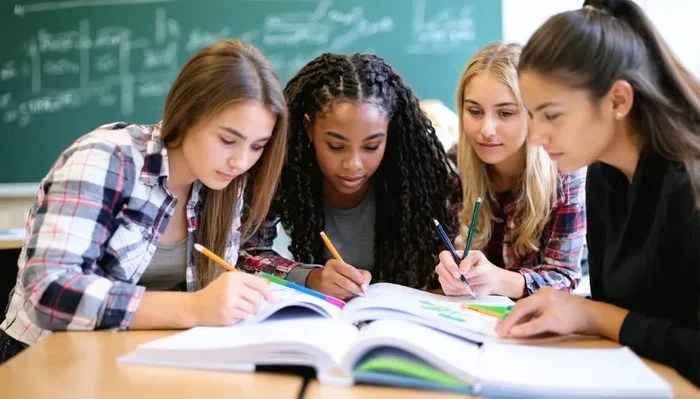
What’s education and why does it matter? Simply put, education is the process of gaining knowledge, skills, and values through learning. It shapes who we are and how we grow. In today’s fast-changing world, education opens doors to better opportunities, stronger critical thinking, and a more fulfilling life.
Have you ever stopped to think about what’s education really all about? Most people hear the word “education” every day. But do we truly understand its depth and power? Education is far more than sitting in a classroom or earning a diploma. It is the foundation of personal growth, career success, and a meaningful life.
In today’s world, the importance of education has never been greater. Technology changes fast. Industries shift overnight. The people who thrive are those who never stop learning. What’s education if not the tool that helps us adapt, grow, and lead? This guide breaks down everything you need to know about education, why it matters, and how you can make the most of it.
Whether you are a student, a working professional, or simply curious about the world, this article is for you. We will explore the definition, types, benefits, and real-world impact of education. By the end, you will see learning in a whole new light.
Key Takeaways
- Education Definition: Education is more than just schooling. It includes all forms of learning that build knowledge and skills.
- Lifelong Value: Education matters at every stage of life, from childhood through adulthood.
- Career Growth: Strong education leads to better job opportunities and higher earning potential.
- Personal Development: Learning builds confidence, critical thinking, and emotional intelligence.
- Two Types Matter: Both formal and informal education play essential roles in shaping a well-rounded person.
- Future-Proofing: Education prepares you for a world that keeps changing and evolving.
📑 Table of Contents
- What Is Education? A Clear Definition
- Why Education Matters More Than Ever
- How Education Shapes Society
- Education for the Future: Lifelong Learning
- The Language of Education: Similes, Metaphors, and Idioms
- Common Mistakes People Make About Education
- Quick Tips to Get the Most From Your Education
- Expert Insights on Modern Education
- The Connection Between Education and Intellectual Growth
- The Global View of Education
- Conclusion
What Is Education? A Clear Definition
At its core, what’s education? The education definition is simple. Education is the process of acquiring knowledge, skills, values, and beliefs through study, experience, or teaching. It is how humans pass what they know from one generation to the next.
But education goes deeper than that. It shapes how we think, how we solve problems, and how we relate to others. When we talk about knowledge acquisition, we mean more than memorizing facts. We mean building a mental framework that helps us understand the world.
The Two Main Types of Education
Education comes in two broad forms. Understanding both helps you appreciate the full picture.
- Formal Education: This is structured learning in schools, colleges, and universities. It follows a set curriculum and leads to recognized degrees or certificates. Think of your school years, college courses, or professional training programs.
- Informal Education: This happens outside the classroom. It includes self-study, life experiences, conversations, reading books, and watching educational videos. Informal learning is often more personal and flexible.
Both types matter. Formal education gives you credentials and structure. Informal education gives you real-world wisdom and curiosity. The best learners use both.
Why Education Matters More Than Ever
We live in a time of rapid change. The job market shifts constantly. New technologies emerge every year. In this environment, education is not just helpful. It is essential.
Education and Career Opportunities
Let us be honest. Most good jobs require some form of academic achievement. Employers look for degrees, certifications, and proven skills. But education does more than help you get hired. It helps you grow within your career. People who continue learning throughout their lives often reach leadership positions faster.
The educational value of a degree or certification goes beyond the piece of paper. It shows employers that you can commit to a goal, manage your time, and handle complex material. These are qualities every workplace needs.
Building Critical Thinking Skills
One of the greatest gifts of education is critical thinking. This means the ability to analyze information, spot patterns, question assumptions, and form your own opinions. In a world full of misinformation, critical thinking is a superpower.
When you learn how to think clearly, you make better decisions. You become less likely to fall for scams or false claims. You can evaluate arguments and form balanced judgments. This skill benefits every area of your life.
Personal Growth and Confidence
Education does not just fill your head. It fills your heart with confidence. When you know more, you feel more capable. You speak up in meetings. You tackle challenges head-on. Personal development through learning helps you become the best version of yourself.
Learning also builds empathy. When you study history, literature, or science, you see the world through different eyes. You understand people who are different from you. This makes you a better friend, partner, and citizen.
How Education Shapes Society
Education is not just a personal journey. It has a powerful effect on communities and entire nations. Let us look at the bigger picture.
The Role of the Educational System
A strong educational system lifts everyone. Countries that invest in education see lower poverty rates, better public health, and stronger economies. Schools and universities serve as engines of social mobility. They give people from all backgrounds a chance to build a better life.
When a society values learning, it values progress. Innovation comes from educated minds. Breakthroughs in medicine, technology, and the arts all start with education.
Education and Social Equality
Access to quality education is one of the most powerful tools for reducing inequality. When everyone has the chance to learn, communities become more fair and just. Educational opportunities should not depend on wealth, race, or zip code.
Many organizations and governments work hard to expand access to learning. Online courses, scholarships, and community programs are making education more available than ever before. Still, there is much work to do.
Education for the Future: Lifelong Learning
The idea of lifelong learning is gaining momentum fast. The days of “learn once, work forever” are over. Today, the most successful people are those who never stop growing.
Why Continuous Learning Matters
Technology changes the rules of almost every industry. Artificial intelligence, automation, and digital tools are reshaping the workplace. If you stop learning, you risk falling behind. But if you keep growing, you stay relevant and valuable.
Lifelong learning does not mean going back to school full-time. It means staying curious. It means reading, taking online courses, attending workshops, or simply asking better questions. The learning process never truly ends.
How to Build a Learning Habit
Building a habit of continuous learning is easier than you think. Here are some practical tips:
- Read every day. Even 15 minutes of reading adds up over time. Books, articles, and blogs all count.
- Take online courses. Platforms like Coursera, Udemy, and Khan Academy offer affordable learning on almost any topic.
- Join a community. Discussing ideas with others deepens your understanding. Look for local or online learning groups.
- Set learning goals. Decide what you want to learn each month. Write it down and track your progress.
- Teach what you learn. Explaining concepts to others is one of the best ways to truly understand them.
The Language of Education: Similes, Metaphors, and Idioms
Language plays a big role in how we understand and talk about education. Figures of speech help us express complex ideas in simple, memorable ways. If you want to explore this topic further, check out our guides on similes for education, metaphors for education, and idioms for education. These resources show how creative language enriches the way we discuss learning.
Common Education Idioms You Should Know
Idioms are phrases that carry a meaning beyond their literal words. In education, idioms add color and depth to conversations. They help us express ideas about learning in a vivid, engaging way. Understanding these phrases can also improve your language skills and communication in academic and professional settings.
Using figurative language like similes and metaphors in education makes lessons more memorable. For example, saying “the classroom was a garden where minds bloomed” paints a vivid picture. Such language techniques help teachers connect with students and make complex topics easier to grasp.
Common Mistakes People Make About Education
Let us clear up a few misconceptions about education that hold people back.
- Mistake 1: Education ends after school. Many people think learning stops once they graduate. In reality, the most valuable lessons often come after formal schooling ends.
- Mistake 2: Only degrees matter. A degree helps, but skills and experience matter just as much. Employers increasingly value practical abilities over paper credentials.
- Mistake 3: Education is only for young people. People of all ages can and should learn. Education has no age limit.
- Mistake 4: More education always equals more success. The quality and relevance of what you learn matters more than the quantity. Focus on meaningful learning, not just accumulating certificates.
Quick Tips to Get the Most From Your Education
- Stay curious. Ask questions. Explore topics that interest you, even if they seem unrelated to your career.
- Take notes by hand. Research shows that writing by hand improves retention and understanding.
- Join study groups. Learning with others makes the process more enjoyable and effective.
- Apply what you learn. Real understanding comes from practice, not just theory.
- Embrace failure. Mistakes are part of the learning process. They teach you what works and what does not.
Expert Insights on Modern Education
Educators and thought leaders agree on one thing: the purpose of education has evolved. It is no longer just about passing exams or getting a job. Education today is about developing well-rounded individuals who can think creatively, solve problems, and contribute positively to society.
Dr. Maria Montessori once said, “Education is a natural process carried out by the human individual.” This idea reminds us that learning is something we do naturally when given the right environment and encouragement. The best learning environment is one that supports curiosity, respects individual pace, and encourages exploration.
Modern education also emphasizes student success through personalized learning. Not everyone learns the same way. Some people are visual learners. Others prefer hands-on activities. The future of education lies in recognizing these differences and adapting teaching methods accordingly.
The Connection Between Education and Intellectual Growth
Intellectual growth is one of the most rewarding outcomes of education. When you learn new things, your brain forms new connections. You start seeing patterns and relationships that you never noticed before. This mental growth makes you sharper, more creative, and more adaptable.
Education also strengthens your skill development. Every new topic you learn adds to your toolkit. These skills compound over time. What you learn today becomes the foundation for what you learn tomorrow. This is why early education is so important. It sets the stage for a lifetime of growth.
The educational goals of any learner should include both knowledge and application. Understanding a concept is great. But being able to use it in real life is even better. This is the difference between surface learning and deep learning.
The Global View of Education
Education looks different around the world, but its core purpose remains the same. Every culture values the transmission of knowledge from one generation to the next. In some countries, formal education is highly structured and competitive. In others, learning is more community-based and experiential.
What is universal is that education transforms lives. It gives people the tools to improve their circumstances and contribute to their communities. The global push for universal education access is one of the most important movements of our time.
Countries that prioritize education see better health outcomes, stronger economies, and more stable societies. The ripple effects of education extend far beyond the individual learner. When one person learns, the whole community benefits.
Conclusion
So, what’s education really? It is the lifelong journey of gaining knowledge, building skills, and growing as a human being. It shapes your career, your confidence, and your community. In a world that never stops changing, education is your greatest asset.
The beauty of education is that it belongs to everyone. You do not need a fancy campus or expensive tuition to learn. You need curiosity, dedication, and the willingness to grow. Start where you are. Use what you have. Learn something new today.
Remember, every expert was once a beginner. The decision to keep learning is the decision to keep growing. Embrace education in all its forms, and watch your world expand.
Frequently Asked Questions
What is the simple definition of education?
Education is the process of gaining knowledge, skills, values, and beliefs through learning, study, or experience. It can happen in formal settings like schools or informally through life experiences and self-study.
Why is education important for career success?
Education provides the skills, credentials, and critical thinking abilities that employers value. It opens doors to better job opportunities, higher salaries, and faster career growth. Continuous learning also keeps you adaptable in a changing job market.
What is the difference between formal and informal education?
Formal education is structured learning in schools or universities with a set curriculum and recognized credentials. Informal education happens outside the classroom through self-study, life experiences, conversations, and independent exploration. Both are valuable and complement each other.
Can education change a person’s life?
Absolutely. Education builds confidence, expands opportunities, and transforms how people think and solve problems. Many people credit education as the single biggest factor in improving their quality of life and achieving their goals.
How can I make education a lifelong habit?
Start by reading regularly, taking online courses, setting learning goals, and joining learning communities. The key is to stay curious and make learning a natural part of your daily routine rather than something you do only in school.
Does education only happen in a classroom?
No. Some of the most powerful learning happens outside the classroom. Life experiences, conversations, travel, and self-directed study all contribute to your education. The best learners seek knowledge from every available source.


