
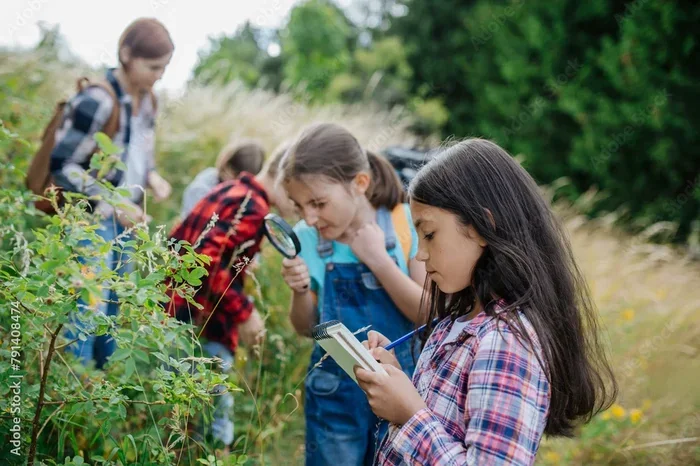
Place based education is a teaching approach that roots learning in the local community, environment, and culture. It helps students connect classroom lessons to real-world experiences right in their own neighborhoods. This method boosts student engagement, deepens cultural relevance, and builds stronger community ties. Teachers who use this approach see better outcomes in critical thinking and problem solving. Keep reading to learn how place based education can change the way you teach or learn.
Imagine a classroom where the lesson plan extends beyond the four walls. Students step outside to study the river behind their school. They interview local elders about the town’s history. They design solutions for real problems in their neighborhood. This is the heart of place based education. It is a powerful teaching approach that turns the local community into a living textbook.
If you have ever wondered why some students light up when learning connects to their own lives, this approach holds the answer. Place based education makes learning personal, relevant, and deeply meaningful. In this article, we will explore what it means, why it works, and how you can bring it into practice today.
Key Takeaways
- What It Is: Place based education connects learning to the local community, environment, and culture.
- Why It Matters: It increases student engagement, deepens understanding, and builds real-world skills.
- Key Benefits: Students develop stronger critical thinking, civic responsibility, and environmental awareness.
- How It Works: Teachers use local ecosystems, heritage, and community projects as living classrooms.
- Who Benefits: Students of all ages, teachers, families, and entire communities gain from this approach.
- Getting Started: You don’t need a lot of resources — just a willingness to explore your local area.
📑 Table of Contents
- What Is Place Based Education?
- Why Does Place Based Education Matter?
- How Place Based Education Works in Practice
- Key Benefits of Place Based Education
- Place Based Education and Language Arts
- Who Can Benefit from Place Based Education?
- Place Based Education vs. Traditional Education
- Getting Started with Place Based Education Today
- Final Thoughts
What Is Place Based Education?
Place based education is a teaching philosophy that uses the local environment, culture, and community as the foundation for learning. Instead of relying solely on textbooks and abstract examples, students explore the world right around them. The local park becomes a science lab. The town square becomes a history lesson. The neighborhood becomes a geography classroom.
This approach draws from the idea that authentic learning happens when students can see the direct connection between what they study and their own lives. It is not about replacing traditional academics. It is about enriching them with real-world context. When a student learns about water quality by testing the stream near their home, the lesson sticks. That is the power of experiential learning.
At its core, place based education asks a simple question: “What is happening right here, and how can we learn from it?” The answer opens up endless possibilities for meaningful, hands-on education.
The Roots of Place Based Education
The idea is not new. Educators and thinkers have long recognized the value of connecting learning to place. In the early 2000s, organizations like the Place-Based Education Coalition helped formalize the approach. They drew inspiration from thinkers like David Sobel and community education movements. The goal was always the same: make learning rooted, relevant, and real.
Today, schools across the country are embracing this model. Rural, urban, and suburban communities all benefit. The beauty of place based education is that it works everywhere. Every town, every neighborhood, every ecosystem has stories to tell and lessons to teach.
Why Does Place Based Education Matter?
There is a growing body of research showing that place based education leads to better outcomes. Students are more engaged. They retain more information. They develop a deeper sense of ownership over their learning. But the benefits go far beyond test scores.
Boosts Student Engagement
When students see that their learning connects to their own community, something shifts. They pay closer attention. They ask better questions. They care more about the results. Student engagement rises naturally when the material feels relevant and alive.
Think about it this way. A lesson about ecosystems feels abstract when it only exists in a textbook. But when students walk outside to observe the local ecosystem in their own schoolyard, the concept comes alive. They notice the insects. They identify the plants. They understand the food chain not as a diagram but as something they can see and touch.
Builds Civic Responsibility
Place based education teaches students that they are part of a larger community. They learn about local challenges and brainstorm solutions. This builds civic responsibility and a sense of agency. Students begin to see themselves as contributors, not just consumers of knowledge.
For example, a class might study local traffic patterns and propose safer crosswalks near their school. They interview neighbors, collect data, and present findings to the city council. This kind of service learning builds confidence and real-world skills that last a lifetime.
Strengthens Cultural Connection
Every community has a rich cultural heritage. Place based education gives students the chance to explore and honor that heritage. They learn about local traditions, stories, and histories that textbooks often overlook. This builds cultural relevance and pride.
When students discover that their own community has a fascinating story, they feel a sense of belonging. That connection fuels curiosity and deeper learning. It also helps preserve local knowledge for future generations.
How Place Based Education Works in Practice
You might be wondering how place based education actually looks in a real classroom. The answer is: it looks different everywhere. That is the beauty of it. The approach adapts to the unique character of each community. Here are some practical examples.
Example 1: Environmental Science in a Local Forest
A middle school science teacher takes her class to the wooded area behind the school. Students measure tree diameters, identify bird species, and test soil pH. They compare their findings with data from a nearby park. They create a field journal documenting seasonal changes. This is field based learning at its finest.
The students are not just memorizing facts about ecosystems. They are living the science. They are making observations, forming hypotheses, and drawing conclusions. These are critical thinking skills that transfer to every subject.
Example 2: History Through Oral Storytelling
A high school history class partners with a local historical society. Students interview elderly residents about what life was like decades ago. They record stories, photograph old buildings, and map how the town has changed over time. They create a digital archive that the whole community can access.
This project teaches research skills, technology skills, and communication skills. It also creates something valuable: a preserved record of local memory. The students become historians in the truest sense. They learn that local heritage matters and that their work has a real audience.
Example 3: Math and the Local Marketplace
A math teacher designs a unit around the neighborhood farmers market. Students calculate costs, compare prices, track sales data, and create budgets for a mock stand. They learn percentages, fractions, and statistics through a context they can see and touch. Hands on learning makes abstract math concepts feel concrete and useful.
This approach also supports interdisciplinary approach teaching. Students use reading skills to study market signs. They use writing skills to create promotional materials. Math becomes a tool, not just a subject.
Example 4: Art Inspired by the Local Landscape
An elementary art class visits a nearby nature preserve. Students sketch plants, paint landscapes, and create sculptures from natural materials. They learn about color, texture, and form through direct observation. This kind of nature based education nurtures creativity while deepening environmental awareness.
Teachers can extend this activity by inviting a local artist to work with the class. Students learn about regional art traditions and create pieces that reflect their own sense of place. The result is both beautiful and educational.
Key Benefits of Place Based Education
The advantages of place based education go well beyond academic performance. Here is a closer look at the major benefits.
| Benefit | How It Helps |
|---|---|
| Deeper Learning | Students understand concepts more fully when they experience them firsthand. |
| Stronger Community Bonds | Learning together on local projects builds trust and connection among students and families. |
| Improved Retention | Experiences create stronger memory traces than passive reading or listening. |
| Real-World Skills | Students develop problem solving, collaboration, and communication abilities. |
| Environmental Stewardship | Direct contact with nature fosters care and responsibility for the environment. |
| Cultural Awareness | Exploring local history and traditions builds respect for diverse perspectives. |
Each of these benefits reinforces the others. When students feel connected to their community, they engage more deeply. When they engage more deeply, they learn more. It is a positive cycle that place based education sets into motion.
Quick Tips for Implementing Place Based Education
Ready to try place based education in your classroom or homeschool setting? Here are some practical tips to get started.
- Start small. You do not need a grand project. A single walk around the neighborhood can spark a week of learning.
- Use what is nearby. Look at your local park, library, museum, or community garden. These are free resources waiting to be used.
- Invite community members. Local experts, elders, and business owners bring authentic knowledge into the classroom.
- Connect to the curriculum. Align your place based activities with state standards. This keeps the approach grounded and measurable.
- Let students lead. Ask students what they notice in their community. Their curiosity will guide the best learning experiences.
- Document everything. Use journals, photos, and videos to capture the learning process. This creates a portfolio and a sense of pride.
Common Mistakes to Avoid
Even well intentioned educators can stumble when adopting place based education. Here are some pitfalls to watch for.
- Skipping the reflection. The learning happens not just in the field but in the debrief. Always build in time for students to process what they experienced.
- Making it too complicated. You do not need elaborate lesson plans. Simple, thoughtful activities often have the biggest impact.
- Ignoring student interests. If the topic does not resonate with your students, they will tune out. Let their questions and curiosities shape the direction.
- Overlooking safety. Always plan ahead for field trips. Get permissions, check weather, and have clear guidelines for off-site learning.
- Treating it as a one-time event. Place based education works best when it becomes a consistent part of your teaching practice, not a rare activity.
Place Based Education and Language Arts
One of the most exciting aspects of place based education is how naturally it integrates with language arts. Students who are engaged with their surroundings have rich material to write about. They describe the smell of the river. They recount conversations with community members. They craft stories inspired by local legends and folklore.
Teachers can use literary devices to deepen this connection. For instance, when students write descriptive paragraphs about a local landmark, they can practice using similes for education to make their writing more vivid. Comparing the old oak tree to something familiar helps students express what they see with clarity and creativity.
Similarly, students can explore metaphors for education to capture the deeper meaning of their community experiences. Saying “our town is a tapestry of stories” invites students to think about how different people and places weave together into something greater.
Language arts also benefits from exploring idioms for education rooted in local culture. Many communities have their own expressions and sayings that reflect their unique character. Studying these phrases teaches students about language evolution, cultural identity, and the power of figurative speech.
These connections show that place based education is not limited to science or social studies. It enriches every subject, including reading, writing, and communication. When students write about what they know and love, their work becomes more authentic and compelling.
Who Can Benefit from Place Based Education?
The short answer is: everyone. Place based education is flexible enough to serve diverse learners and communities. Let us look at who benefits the most.
Students
Students gain a sense of purpose and belonging. They see that their learning has meaning beyond the classroom. This is especially powerful for students who may feel disconnected from traditional academic settings. Place based education meets them where they are — literally and figuratively.
Teachers
Teachers often report renewed enthusiasm when they shift to place based education. The approach breaks the routine of textbook-driven instruction. It invites creativity and collaboration. Teachers also build stronger relationships with their students when they learn together in the community.
Families and Communities
Families become more involved when their children bring home meaningful projects. Parents and grandparents share their knowledge and feel valued. Communities benefit from the energy and fresh perspectives that young people bring to local issues.
Place Based Education vs. Traditional Education
How does place based education compare to the traditional model? Here is a side by side look.
| Aspect | Traditional Education | Place Based Education |
|---|---|---|
| Focus | Textbook and curriculum driven | Community and environment driven |
| Learning Style | Primarily classroom based | Classroom and field based |
| Student Role | Passive receiver of information | Active explorer and investigator |
| Context | Abstract and general | Local and specific |
| Assessment | Standardized tests | Projects, portfolios, and presentations |
| Community Connection | Limited | Deep and ongoing |
Neither approach is perfect on its own. The best education often blends elements of both. Place based education adds a layer of richness and relevance that traditional methods sometimes lack. It does not replace foundational knowledge. It gives that knowledge a home and a purpose.
Getting Started with Place Based Education Today
If you are excited about the possibilities of place based education, the best next step is simple: start where you are. Look out your window. What do you see? A park? A busy street? A farm? A body of water? Every one of these is a learning opportunity.
Begin by identifying one local resource that connects to your current lesson. A trip to the community garden can teach biology. A visit to the town hall can teach government. A walk through the historic district can teach social studies. The options are as varied as your community itself.
Next, reach out to local organizations. Libraries, museums, nonprofits, and businesses often welcome partnerships with schools. These connections add depth and authenticity to your place based education efforts. They also show students that learning is a community endeavor, not just a school activity.
Finally, give yourself permission to experiment. Not every place based education activity will go perfectly. That is okay. The goal is progress, not perfection. Each experience teaches you and your students something valuable about your community and about each other.
Final Thoughts
Place based education is more than a teaching method. It is a mindset. It says that every community is a classroom. Every environment is a curriculum. Every student has something valuable to contribute. When we root learning in place, we root it in purpose.
The world is full of lessons waiting to be discovered. You just have to look around. Whether you are a teacher, a parent, or a lifelong learner, place based education offers a path to deeper, more meaningful learning. Start exploring your own community today, and watch how the world opens up as a classroom.
Frequently Asked Questions
What is place based education in simple terms?
Place based education is a teaching approach that uses the local community, environment, and culture as the foundation for learning. Instead of relying only on textbooks, students explore real places and solve real problems in their own neighborhoods.
How is place based education different from project based learning?
Both approaches are hands on, but place based education specifically roots learning in the local context. Project based learning can happen anywhere. Place based education always connects to a specific place and its unique characteristics.
Can place based education be used in urban schools?
Absolutely. Place based education works in every setting. Urban communities have their own ecosystems, histories, and cultural landmarks. City parks, local businesses, and neighborhood organizations all offer rich learning opportunities.
What age groups benefit most from place based education?
Students of all ages benefit. Young children learn through direct sensory experience. Older students can tackle complex community projects and research. The approach scales beautifully from elementary school through high school and beyond.
Do teachers need special training for place based education?
Not necessarily. Many teachers naturally incorporate local resources into their lessons. Professional development programs can help deepen the approach, but the core idea is simple: use what is around you to teach. Training helps, but it is not a strict requirement.
How does place based education support academic standards?
Place based education can be aligned with state and national standards across subjects. Science standards come alive through field observations. Social studies standards are met through community research. Math standards are practiced through real data collection. The approach naturally covers multiple standards at once.
=== CONCLUSION ===
Place based education offers a powerful way to make learning meaningful, engaging, and rooted in the real world. It transforms students from passive listeners into active explorers. It strengthens communities and preserves local knowledge. The approach is flexible, accessible, and backed by growing evidence of its effectiveness.
Whether you are a teacher looking to refresh your curriculum or a parent seeking richer learning experiences for your child, place based education has something to offer. Start small. Stay curious. And remember that the best classroom might just be the one outside your door.


