
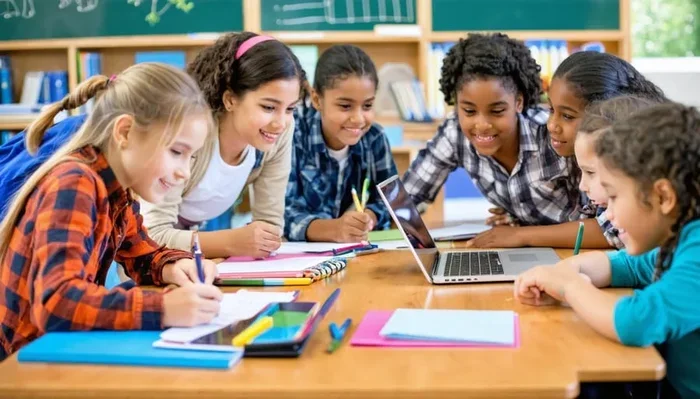
Equality in education means giving every student a fair shot to learn and grow, no matter their background or circumstances. It is about removing barriers, sharing resources fairly, and making sure all learners feel valued and supported. This guide breaks down the meaning, importance, challenges, and practical steps to build a truly fair education system for everyone.
Equality in education is one of the most important topics in modern schooling. It shapes how every child experiences learning and growth. When we talk about equality in education, we mean that every student deserves the same chance to succeed. This idea goes far beyond just opening school doors. It touches on resources, support, respect, and real opportunity for all.
Why does this matter so much? Because education sets the foundation for a person’s entire life. A fair system gives everyone a shot at a better future. An unfair one locks doors before they even open. In this article, we will explore what equality in education really means, why it matters, and how we can all help make schools more fair and inclusive.
Key Takeaways
- Equality in education ensures every student gets what they need to succeed, regardless of who they are or where they come from.
- Access to quality teachers, materials, and opportunities is a core pillar of a fair education system.
- Socioeconomic status, gender, and cultural background still create major barriers to equal learning.
- Policy-level changes and classroom-level strategies both play a big role in promoting fairness.
- Understanding figurative language like similes for education and metaphors for education can deepen conversations about equity in schools.
- Small, consistent actions by teachers and parents can make a huge difference in closing the opportunity gap.
📑 Table of Contents
- What Does Equality in Education Actually Mean?
- Why Equality in Education Matters So Much
- The Key Pillars of Equality in Education
- Common Challenges to Equality in Education
- How to Promote Equality in Education
- Measuring Progress in Educational Equality
- Quick Tips for Supporting Equality in Education
- Final Thoughts
What Does Equality in Education Actually Mean?
Defining the Core Concept
At its heart, equality in education means treating every learner with the same level of care and providing them with the tools they need. It is not about giving everyone the exact same thing. It is about giving everyone what they need to thrive. Think of it like this: a tall student and a short student both need to see over a fence. The tall student might not need a box, but the short one does. Equality means giving each student the box they need.
This concept covers many areas. It includes access to quality teachers. It includes safe buildings and up-to-date materials. It also includes emotional support and a welcoming classroom culture. When all of these pieces fall into place, students can focus on learning instead of struggling to survive.
How It Differs from Equity
People often mix up equality and equity. They are related but different. Equality in education means every student gets the same starting point. Equity goes a step further. It means giving extra support to those who need it most. Both ideas matter. A truly fair system needs both working together.
For example, a school might give every student the same laptop. That is equality. But a student without home internet still struggles. Equity would mean also providing internet access. Understanding this difference helps us build better solutions.
Why Equality in Education Matters So Much
Building a Fair and Just Society
Equality in education is the backbone of a fair society. When all children learn in supportive environments, communities grow stronger. Schools become places where everyone belongs. Students develop empathy and respect for others who are different from them.
Without equality, gaps grow wider over time. Some students fall behind early and never catch up. Others get every advantage and surge ahead. This creates a cycle that is very hard to break. Breaking that cycle starts with fair schooling for every child.
Boosting Economic Growth and Opportunity
Fair education systems also drive economic success. When more people get quality learning, the whole economy benefits. Skilled workers innovate, create jobs, and build stronger communities. Studies show that countries with high levels of educational equity tend to have stronger economies and lower poverty rates.
On a personal level, education opens doors. It leads to better jobs, higher incomes, and healthier lives. But this only works if every student has a real chance. Equality in education makes sure that talent is not wasted just because of someone’s background or zip code.
Supporting Mental Health and Self-Worth
Feeling valued in school changes a child’s life. When students see that their school treats everyone fairly, they feel a sense of belonging. This boosts confidence and mental health. Students who feel included are more likely to engage, ask questions, and take risks in their learning.
On the flip side, unfair treatment can cause deep harm. Students who feel ignored or judged may withdraw. They may stop trying. Over time, this affects their whole outlook on life and learning. A fair school environment protects every student’s emotional well-being.
The Key Pillars of Equality in Education
Building a fair education system rests on several important pillars. Each one plays a vital role in making sure every student gets what they need.
Access and Opportunity
The first pillar is access. Every child should be able to attend a good school nearby. This means safe transportation, well-maintained buildings, and no tuition barriers. Equality in education starts with making sure no child is left out because of money, location, or disability.
Opportunity goes hand in hand with access. Students need chances to explore subjects, join clubs, and participate in activities. A school that only offers advanced classes to some students is not truly equal. Every learner deserves a full range of opportunities to discover their strengths.
Resource Distribution
Resources include teachers, books, technology, and funding. A fair system spreads these resources evenly across all schools. Too often, schools in poorer neighborhoods get fewer supplies and less experienced teachers. This is a major barrier to equality in education.
Fixing this requires strong funding policies and community advocacy. When resources flow fairly, every school can offer a high-quality learning experience. Students in every neighborhood deserve the same tools to succeed.
Inclusive Teaching Practices
Teachers play a huge role in creating fairness. Inclusive teaching means adapting lessons for all learners. It means respecting different cultures, languages, and abilities. A good teacher finds ways to make every student feel seen and heard.
Inclusive classrooms use diverse materials and examples. They welcome questions and different viewpoints. Teachers who understand equality in education create spaces where every voice matters. This kind of teaching builds trust and encourages every student to do their best.
Common Challenges to Equality in Education
Socioeconomic Barriers
Poverty remains one of the biggest threats to fair education. Families without enough money may struggle to buy school supplies or pay for extras like tutoring. Children from low-income households often attend schools with fewer resources.
These gaps start early and compound over time. A child who starts behind often stays behind without targeted support. Addressing socioeconomic barriers is essential to achieving equality in education. It requires both school-based programs and broader community support.
Gender and Cultural Gaps
Gender bias still shows up in classrooms around the world. Girls may be steered away from science and math. Boys may face pressure not to pursue the arts. Cultural expectations can also limit what students believe is possible for them.
These gaps send a powerful message. They tell certain groups that they do not belong. Overcoming them takes intentional effort. Schools must actively promote equality in education by challenging stereotypes and celebrating diversity in every form.
Language and Disability Barriers
Students who speak languages other than the main teaching language face extra hurdles. They may struggle to understand lessons or express their ideas. Similarly, students with disabilities may not get the accommodations they need.
Both groups deserve full access to learning. This means bilingual programs, special education services, and assistive technology. Removing language and disability barriers is a key part of building a truly fair education system.
How to Promote Equality in Education
Policy-Level Changes
Governments and school districts set the rules that shape education. Smart policies can drive real change. Funding formulas should direct more money to schools that need it most. Standards should require inclusive practices in every classroom.
Policy makers also need to listen to students, parents, and teachers. The people closest to the problems often have the best solutions. When policies reflect real needs, they support equality in education in meaningful and lasting ways.
Classroom-Level Strategies
Teachers can make a huge difference every single day. Simple strategies go a long way. Getting to know each student as an individual is a great start. Differentiating instruction helps meet diverse needs without singling anyone out.
Creating a classroom culture of respect is equally important. When students learn to value each other’s differences, fairness becomes natural. Teachers can also use language that reflects equality in education. Saying things like “we all learn differently” normalizes diversity and builds community.
It is also helpful to incorporate diverse perspectives into lessons. Using materials from many cultures and viewpoints broadens students’ understanding of the world. This connects to how we use language too. Just as idioms for equality capture the spirit of fairness in everyday speech, classroom materials should reflect the full richness of human experience.
The Role of Parents and Communities
Schools do not work alone. Parents and community members play a big part in supporting fair education. Volunteering at school events, advocating for better resources, and talking to children about the value of diversity all help.
Community programs like tutoring and mentoring fill gaps that schools cannot always cover. When families and schools work together, students get the strongest support possible. Equality in education is a team effort that extends beyond the classroom walls.
Measuring Progress in Educational Equality
How do we know if equality in education is actually happening? We need clear measures. Graduation rates, test score gaps, and access to advanced courses all tell a story. But numbers alone do not capture the full picture.
Surveys of students and teachers provide valuable insights too. They reveal whether students feel safe, supported, and challenged. Schools that track both data and experiences make smarter decisions. Over time, these efforts show whether fairness is improving or slipping behind.
It is also important to celebrate progress. Even small wins matter. A school that adds a new bilingual program or hires more diverse staff is moving in the right direction. Every step forward strengthens the path toward true equality in education.
Quick Tips for Supporting Equality in Education
- Get to know each student’s unique background and needs.
- Use diverse books, materials, and examples in your lessons.
- Encourage open conversations about fairness and respect.
- Advocate for fair funding and resources in your school district.
- Support community programs that help underserved students.
- Model inclusive language and behavior every day.
- Stay informed about education policy and equity issues.
Final Thoughts
Equality in education is not just a nice idea. It is a fundamental right that every student deserves. When we invest in fair schools, we invest in the future of our communities and our world. Every child brings unique gifts and potential. Our job is to make sure nothing stands in the way of that potential.
The journey toward full fairness is ongoing. There are always new challenges to face and new solutions to explore. But every effort counts. Whether you are a teacher, parent, student, or community member, you have a role to play. Together, we can build an education system that truly works for everyone. Just as understanding idioms for education helps us express ideas more vividly, understanding equality in education helps us build a brighter future for all learners.
Frequently Asked Questions
What is the difference between equality and equity in education?
Equality in education means giving every student the same resources and opportunities. Equity means giving each student what they specifically need to succeed. Both are important and work best together in a fair system.
Why is equality in education important for society?
Fair education reduces poverty, boosts economic growth, and builds stronger communities. When every student has a real chance to learn, society as a whole benefits. It creates a more just and opportunities-rich world for everyone.
What are the biggest barriers to equality in schools?
The biggest barriers include poverty, unequal funding, gender bias, cultural gaps, language differences, and disabilities. These challenges can limit access and opportunity for many students if not addressed with intentional effort and strong support systems.
How can teachers promote equality in their classrooms?
Teachers can promote fairness by getting to know each student, using diverse materials, differentiating instruction, and creating a culture of respect. Small daily actions build an inclusive environment where every learner feels valued and supported.
What role do parents play in achieving educational equality?
Parents support equality in education by advocating for their children, volunteering at schools, and reinforcing the value of diversity at home. When families and schools work together, students receive the strongest and most consistent support for their growth and success.
Can figurative language like similes and metaphors help teach about equality?
Yes, figurative language makes abstract ideas more relatable. Using similes for equality or metaphors for equality can spark meaningful classroom discussions and help students connect with the meaning of fairness in a memorable way.


