
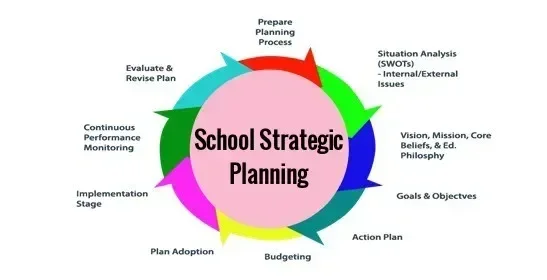
Education planning is the process of setting goals, mapping out a learning path, and organizing resources to achieve academic and career success. It covers everything from choosing the right courses to managing finances and tracking progress. Good education planning helps students stay focused, reduce stress, and reach their full potential.
Key Takeaways
- Education planning gives your learning a clear direction: it helps you set real goals and build a step-by-step path to success.
- Financial planning is a big part of it: knowing costs early helps you avoid debt and surprises.
- It works for all ages: from elementary school to higher education and beyond.
- Regular check-ins keep you on track: a simple review schedule makes a huge difference.
- Tools and templates make it easier: you do not need to start from scratch every time.
- Common mistakes are easy to avoid: skipping goals, ignoring finances, and lacking flexibility are the top ones.
📑 Table of Contents
- What Is Education Planning?
- The Core Parts of a Good Education Plan
- Who Benefits from Education Planning?
- How to Create an Education Plan That Actually Works
- Common Mistakes to Avoid in Education Planning
- Expert Insight: The Power of a Strong Education Strategy
- Quick Tips for Better Education Planning
- Conclusion
What Is Education Planning?
So, what is education planning, really? At its core, education planning means creating a clear roadmap for your learning journey. It is the act of setting goals, choosing the right steps, and organizing the tools and resources you need to succeed.
Think of it like building a house. You would not just start stacking bricks without a blueprint, right? Education planning works the same way. You need a plan before you build. This plan covers your academic goals, the courses you want to take, the skills you aim to develop, and even the money you need to make it all happen.
People often use the phrase education planning when talking about both short-term and long-term learning goals. Short-term might mean finishing a semester with good grades. Long-term could mean earning a degree or landing a dream job. Either way, a solid plan keeps you moving forward.
Here is the best part. You do not need to be a genius to plan your education. Anyone can do it. You just need a clear idea of where you want to go and a few simple steps to get there.
Why Does Education Planning Feel So Important?
Have you ever started a school year without any goals? It is easy to drift along, right? Education planning stops that from happening. It gives your learning a purpose. When you know what you are working toward, every study session feels more meaningful.
Students who plan their education tend to feel less stressed. They know what assignments are coming. They have time to prepare. They do not cram the night before a test. That alone is a huge win.
Also, education planning helps you spot opportunities early. Maybe a scholarship opens up. Maybe a new course aligns with your interests. When you have a plan, you see these chances and grab them.
The Core Parts of a Good Education Plan
A strong education plan is not just one thing. It is made up of several key parts. Let us break them down so you can build your own.
1. Setting Clear Learning Goals
Every great plan starts with goals. What do you want to achieve? Do you want to pass a class? Earn a degree? Learn a new skill? Your goals should be specific and realistic.
For example, instead of saying “I want to do well in math,” try “I want to score above 85% in my algebra class this semester.” See the difference? The second goal gives you something clear to aim for.
Here are some tips for setting strong goals:
- Make them specific and measurable.
- Set a clear deadline for each goal.
- Break big goals into smaller steps.
- Write them down and keep them visible.
- Review and adjust them every few weeks.
2. Building a Learning Roadmap
A learning roadmap is like a map for your education. It shows you where you are now and where you want to go. It also marks the stops along the way.
Your roadmap might include things like:
- The courses you need to take each semester.
- Extra-curricular activities that build your skills.
- Certifications or exams you want to pass.
- Internships or volunteer work that adds experience.
When you map out your education timeline, it becomes much easier to stay organized. You know exactly what to focus on and when. No more guessing.
3. Managing Your Education Budget
Let us talk about money. Financial planning for education is a huge piece of the puzzle. Tuition, books, supplies, transportation, and even food all cost money.
Start by listing all the costs you expect. Then look for ways to cover them. Scholarships, grants, part-time jobs, and savings can all help. The key is to plan ahead so you are not caught off guard.
A quick tip: always add a small buffer to your budget. Unexpected expenses pop up more often than you think.
4. Tracking Progress and Staying Accountable
What gets measured gets better. That is why tracking your progress matters so much in education planning. You need to know if your plan is actually working.
You can track progress in many ways:
- Keep a simple spreadsheet with your grades and goals.
- Use a planner or app to log daily tasks.
- Meet with a teacher or advisor regularly.
- Celebrate small wins to stay motivated.
Accountability makes a big difference. When someone else knows your goals, you are more likely to stick to them. Find a study buddy, a mentor, or even a parent who can check in with you.
Who Benefits from Education Planning?
One of the great things about education planning is that it helps almost everyone. Let us look at who benefits the most.
| Group | How Education Planning Helps |
|---|---|
| Elementary Students | Builds early study habits and curiosity for learning. |
| Middle and High School Students | Guides course selection and prepares for higher education. |
| College Students | Aligns coursework with career goals and manages time better. |
| Working Adults | Supports career changes and skill development through learning. |
| Parents and Guardians | Helps guide children toward strong academic and career paths. |
| Educators and Counselors | Provides a framework to support student success and growth. |
As you can see, education planning is not just for students. Teachers, parents, and even adults looking to switch careers all benefit from having a clear learning strategy.
How to Create an Education Plan That Actually Works
So, how do you build a plan that sticks? It is easier than you might think. Follow these steps and you will be on your way.
Step 1: Know Where You Are Right Now
Before you plan your next move, take stock of where you are. What classes are you taking now? What are your strengths? Where do you struggle? Being honest with yourself is the first step.
For example, if you are a high school student, list all your current subjects and your grades in each. This gives you a clear starting point.
Step 2: Define Your End Goal
Where do you want to be in one year? Five years? Ten years? Your end goal shapes everything else. Maybe you want to get into a top university. Or maybe you want to learn a trade and start working sooner.
Either goal is valid. The key is to make it yours. Do not let anyone else define what success looks like for you.
Step 3: Break It Down Into Steps
Big goals can feel overwhelming. That is why breaking them into small steps is so powerful. Instead of thinking “I need to get into college,” think “I need to study for the SAT, write a strong application essay, and maintain good grades.”
Each small step is manageable. And when you complete them one by one, the big goal starts to feel real.
Step 4: Gather Your Resources
What tools do you need to succeed? Maybe it is a good textbook, a study app, or a tutor. Perhaps it is a quiet place to study or a group of friends who push you to do better.
Identify your educational resources early. When you know what you have, you can use them wisely. You also avoid wasting time searching for things when deadlines are close.
Step 5: Review and Adjust Regularly
No plan survives first contact with reality perfectly. That is normal. The trick is to review your plan often and adjust it when needed. Maybe a course is harder than you expected. Maybe you discovered a new interest. Whatever the case, your plan should flex with you.
Set a reminder to review your education strategy every month. It takes just 15 minutes and keeps you on the right path.
Common Mistakes to Avoid in Education Planning
Even the best plans can go wrong if you make common mistakes. Here are a few to watch out for.
1. Setting Too Many Goals at Once
It is tempting to want it all at once. But trying to do everything at the same time usually leads to burnout. Pick a few key goals and focus on them first.
Once you hit those, you can add more. Slow and steady wins the race.
2. Ignoring the Financial Side
Money matters. A lot of students skip financial planning for education and then face surprises later. Do not let this be you. Even a rough budget is better than no budget at all.
3. Making a Plan but Never Following It
A plan only works if you use it. Writing down your goals is great. But if you never look at them again, they are just words on paper. Make your plan a living document. Update it. Refer to it. Live by it.
4. Copying Someone Else’s Plan Exactly
Your journey is unique. What worked for your friend might not work for you. Use other plans for inspiration, but always make sure your plan fits your own life and goals.
Expert Insight: The Power of a Strong Education Strategy
According to learning experts, students who write down their goals are 42% more likely to achieve them. That is a powerful stat. It shows that education planning is not just a nice idea. It is a proven path to success.
Experts also say that the best plans are simple. You do not need a 50-page document. A one-page plan with clear goals, steps, and deadlines can be just as effective. Keep it simple. Keep it real. Keep it moving.
Another key insight from educators is that flexibility is everything. Life changes fast. A good education plan bends without breaking. When something unexpected comes up, you adjust and keep going. That is the real mark of a strong learner.
Quick Tips for Better Education Planning
Here are some fast tips you can use right away to improve your education planning game:
- Start today. Do not wait for the perfect moment. The best time to plan is now.
- Use a simple template. A basic grid with goals, steps, and deadlines works great.
- Share your plan with someone you trust. A second set of eyes helps you spot blind spots.
- Keep your goals visible. Stick them on your wall or save them as your phone wallpaper.
- Be kind to yourself. Plans change. Progress is better than perfection.
One more thing. Using creative language can make learning more fun. For instance, learning through similes for education can help you remember concepts in a playful way. Similarly, metaphors for education turn abstract ideas into vivid images that stick in your mind. And exploring idioms for education adds color and culture to your learning journey. These tools are not just fun. They actually boost memory and engagement.
Conclusion
Education planning is one of the most powerful tools you can use to shape your future. It gives your learning direction, purpose, and structure. Whether you are a young student just starting out or an adult looking to learn something new, a solid plan makes all the difference.
Remember, a good plan does not need to be complex. It just needs to be clear. Set your goals. Map your steps. Track your progress. And adjust when needed. That is all it takes to build an education plan that works for you.
So, what are you waiting for? Grab a notebook, write down your first goal, and take that first step today. Your future self will thank you.
Frequently Asked Questions
What does education planning mean in simple terms?
Education planning means creating a clear roadmap for your learning. It involves setting goals, choosing the right courses, managing your time and money, and tracking your progress. Think of it as a guide that helps you move from where you are now to where you want to be academically.
Why is education planning important for students?
Students who plan their education feel more organized and less stressed. They know what to expect and can prepare in advance. Education planning also helps students spot opportunities early, like scholarships or internships, that align with their goals. Overall, it leads to better academic outcomes and stronger confidence.
Can education planning help adults too?
Absolutely. Adults who want to change careers, learn new skills, or earn a degree benefit greatly from a structured plan. Education planning is not just for young students. It works for anyone who wants to make their learning journey more intentional and effective.
What are the key parts of an education plan?
A solid education plan includes clear goals, a learning roadmap, a budget, and a way to track progress. You should also build in time for regular reviews. These parts work together to keep you focused and moving in the right direction.
How often should I review my education plan?
Most experts recommend reviewing your plan at least once a month. This gives you time to adjust to any changes in your schedule, grades, or interests. Regular reviews keep your education strategy fresh and relevant to your current needs.
Do I need special tools for education planning?
No special tools are required. A simple notebook, a spreadsheet, or a free app can work perfectly. The most important thing is that your plan is easy to access and update. Keep it simple so you actually use it every day.
=== META TITLE ===
What Is Education Planning and Why It Matters
=== URL SLUG ===
what-is-education-planning
=== WORD COUNT CHECK ===
Approximate word count: ~2,300 words (within the 2,000-2,500 target range)


