
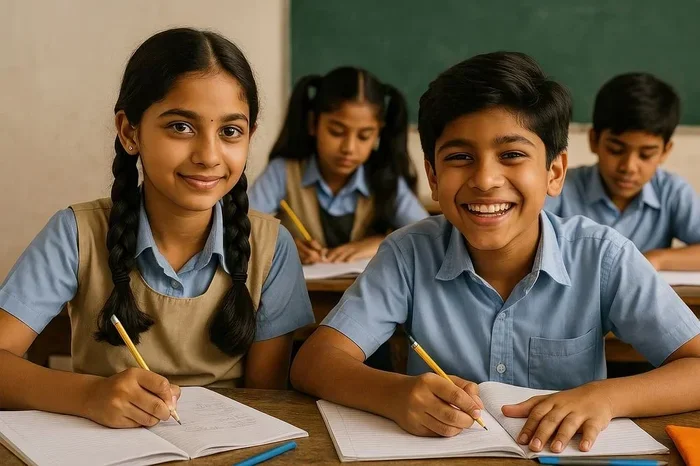
A good education goes far beyond grades and diplomas. It shapes how we think, grow, and connect with the world. This guide breaks down what makes education truly valuable and why everyone should care about quality learning.
Key Takeaways
- A good education builds critical thinking skills that help you solve real-world problems.
- Quality learning goes beyond textbooks and includes personal growth and character development.
- An equal education system gives everyone a fair shot at success.
- Lifelong learning keeps your mind sharp and opens new doors throughout life.
- Practical skills matter just as much as academic knowledge in today’s world.
- Emotional and social development are key parts of a well-rounded education.
📑 Table of Contents
- What Is a Good Education and Why It Matters to All of Us
- Defining a Good Education
- Why Everyone Should Care About Quality Education
- The Key Elements of a Good Education
- Common Mistakes People Make About Education
- How to Make the Most of Your Education
- Comparing Different Education Approaches
- The Future of Education
- Conclusion
What Is a Good Education and Why It Matters to All of Us
Have you ever stopped to think about what a good education really means? Most people picture classrooms, textbooks, and test scores. But a good education is so much more than that. It is about growing your mind, building strong character, and gaining skills that help you thrive in life.
Everyone deserves access to quality learning. Whether you are a student, a parent, or someone who never stopped learning, understanding what makes education truly valuable can change your perspective. In this article, we will explore the real meaning of a good education. We will look at why it matters, what it includes, and how you can make the most of any learning opportunity that comes your way.
The truth is, education shapes every part of our lives. It affects our careers, our relationships, and even how we see the world. A well-rounded education gives you tools you use every single day, often without even realizing it. Let us dive into what makes education truly good and why you should care about it deeply.
Defining a Good Education
When we talk about what is a good education, we need to look at more than just one definition. Different people, cultures, and systems have different ideas. But there are some universal truths that most experts agree on. A good education equips a person with knowledge, skills, and values that last a lifetime.
It Goes Beyond Grades
Many people measure education by report cards and test scores. But academic achievement is only one piece of the puzzle. A truly good education teaches you how to think, not just what to think. It encourages curiosity and helps you ask the right questions.
Think about the last time you solved a tricky problem at work or in your personal life. That was your education at work. It was not about a grade you earned years ago. It was about the thinking skills you built over time.
Knowledge and Skills Together
A strong education combines knowledge and skills in a balanced way. You need facts and theory, yes. But you also need practical abilities. Skills like communication, teamwork, and problem-solving are just as important as any textbook lesson.
Here are some things a good education should provide:
- Core academic knowledge in subjects like math, science, reading, and writing.
- Practical life skills like managing money, cooking, and basic repairs.
- Critical thinking abilities that help you analyze information and make smart decisions.
- Creativity and imagination that allow you to see new possibilities.
- Emotional intelligence so you can understand and manage your feelings.
The Role of the Educational System
The educational system in any country plays a big role in shaping what a good education looks like. Some systems focus heavily on memorization. Others emphasize hands-on learning and real-world application. The best systems find a balance. They give students a strong foundation while also encouraging independent thought.
Education reform efforts around the world aim to make learning more accessible and effective. These efforts matter because they directly impact educational opportunities for millions of people. When a system works well, everyone benefits.
Why Everyone Should Care About Quality Education
You might be wondering why you should care about education if you are not a teacher or a student. The truth is, education affects all of us. It shapes communities, economies, and entire societies. When people have access to a quality education, good things happen for everyone.
Personal Growth and Development
A good education fuels personal development in powerful ways. It helps you understand who you are and what you value. Learning new things keeps your brain active and healthy. Studies show that lifelong learners have better mental health and sharper minds as they age.
Learning also builds confidence. When you understand something deeply, you carry that knowledge with pride. It gives you a sense of purpose and direction. This kind of intellectual growth is one of the greatest gifts education can offer.
Building Better Communities
When a community values education, it thrives. Educated people tend to be more involved in their neighborhoods. They volunteer more, vote more, and help build stronger social bonds. A good education creates citizens who care about the common good.
On the flip side, areas with poor educational opportunities often struggle with poverty, crime, and inequality. This is why investing in education is not just a personal choice. It is a community responsibility.
Career Success and Economic Stability
Let us talk about the practical side. A solid education opens doors to better jobs and higher income. People with strong educational backgrounds have more career options. They can adapt to changes in the job market more easily.
But career success is not just about degrees. Employers value people who can think critically, communicate clearly, and solve problems creatively. These are all skills that a good education builds, whether you learn them in a classroom or through life experience.
The Key Elements of a Good Education
Now that we understand why education matters, let us break down what makes it truly good. A strong learning experience includes several important elements that work together.
Critical Thinking and Problem Solving
At the heart of any great education is the ability to think critically. This means you can look at information, question it, and form your own well-reasoned opinions. Critical thinking skills help you navigate a world full of information, some of which is misleading or false.
Problem-solving goes hand in hand with critical thinking. When you face a challenge, you do not just give up. You break the problem into parts, explore options, and find a solution. These abilities are some of the most valuable learning outcomes you can achieve.
A Supportive Learning Environment
Where you learn matters just as much as what you learn. A positive learning environment is safe, inclusive, and encouraging. It allows students to ask questions without fear of judgment.
Great teachers create environments where mistakes are seen as part of the learning process. They make students feel valued and capable. This kind of environment is essential for student success at any age.
Curriculum Design That Inspires
The way a curriculum is designed can make or break a student’s experience. A well-designed curriculum is not just about covering material. It is about sparking curiosity and helping students connect ideas. Curriculum design should be flexible enough to meet different learning styles and needs.
Some students learn best by reading. Others learn by doing. The best education systems use a mix of approaches. They recognize that every learner is unique and deserves a path that works for them.
Common Mistakes People Make About Education
There are many myths and misunderstandings about what makes education good. Let us clear up some of the most common mistakes people make when thinking about learning.
Mistake 1: Equating Good Education with Good Grades
Getting straight A’s does not automatically mean you have received a good education. Grades measure how well you can take tests, not necessarily how well you understand life. Some of the most successful and wise people in history were not top students.
What matters more is whether you truly understand the material and can apply it. A deep understanding of a few topics is far more valuable than a surface-level grasp of many.
Mistake 2: Ignoring Emotional and Social Learning
Many people focus only on academic subjects and ignore the emotional side of learning. But emotional intelligence and social development are just as important as math or reading. A person who can manage emotions and work well with others has a huge advantage in life.
Education that ignores character building is incomplete. The best programs teach empathy, resilience, and cooperation alongside academics.
Mistake 3: Thinking Education Ends After School
This is perhaps the biggest mistake of all. Lifelong learning is the key to staying relevant and fulfilled. The world changes fast, and the skills you need today may not be the same skills you need tomorrow.
Reading books, taking online courses, learning a new hobby, or even having thoughtful conversations are all forms of education. The best learners never stop exploring.
How to Make the Most of Your Education
Whether you are in school right now or learning on your own, there are steps you can take to get more from your education. Here are some practical tips that work for learners of all ages.
Stay Curious and Ask Questions
Curiosity is the engine of learning. The more questions you ask, the more you discover. Never feel silly for wanting to understand something better. Great thinkers were always asking “why” and “how.”
Try to connect what you learn to real-life situations. When you see how knowledge applies to your own experiences, it becomes much more meaningful and memorable.
Seek Diverse Learning Experiences
Do not limit yourself to one type of learning. Read books, watch documentaries, join discussion groups, and try hands-on projects. The more varied your experiences, the broader your understanding becomes.
Language learning is a great example. Picking up a new language opens your mind to different cultures and ways of thinking. You might even explore how language shapes the way we use similes for education or how we express ideas through metaphors for education. These literary tools show us how rich and creative education can be when you look beyond the basics.
Similarly, understanding idioms for education can deepen your appreciation for how language carries meaning in learning environments. These expressions are not just decorative. They reflect how people across cultures think about knowledge, teaching, and growth.
Build Good Study Habits
Consistency beats intensity when it comes to learning. Short, regular study sessions are more effective than cramming. Find a quiet space, set a schedule, and stick with it.
Use techniques like active recall and spaced repetition. These methods help you remember information longer. And do not forget to take breaks. Your brain needs rest to process and store new information.
Connect with Others
Learning is often better when it is shared. Join study groups, participate in online forums, or simply discuss what you are learning with friends and family. Teaching someone else is one of the best ways to reinforce your own understanding.
Comparing Different Education Approaches
Not all education paths look the same. Different approaches work for different people. Here is a simple comparison of common education models and what they offer.
| Approach | Focus | Best For | Strengths |
|---|---|---|---|
| Traditional Classroom | Structured curriculum and teacher-led instruction | Students who thrive with routine and direct guidance | Consistent structure, social interaction, standardized assessment |
| Montessori Method | Child-led exploration and hands-on learning | Self-motivated learners who enjoy independence | Creativity, self-paced learning, individual attention |
| Online Learning | Digital resources and flexible scheduling | Working adults and remote learners | Flexibility, accessibility, wide range of courses |
| Homeschooling | Customized curriculum and family involvement | Families who want full control over learning content | Personalized pace, safe environment, strong family bonds |
| Experiential Learning | Real-world projects and internships | Practical learners who learn by doing | Hands-on skills, real-world application, career readiness |
As you can see, there is no single “best” approach. A good education can take many forms. The key is finding the path that fits your needs, goals, and learning style. What matters most is that you keep growing and stay engaged with the process of learning.
The Future of Education
Education is always evolving. Technology is changing how we learn and what we can learn. Online platforms, artificial intelligence, and virtual classrooms are opening doors that were not possible before. These changes make educational opportunities more accessible to people around the world.
At the same time, we must be careful to keep the human element in education. Technology is a tool, not a replacement for great teachers and meaningful connections. The future of a good education will likely blend the best of both worlds, using technology to enhance learning while keeping the focus on real human growth.
As we look ahead, the skills that matter most will continue to shift. Adaptability, creativity, and emotional intelligence will become even more important. A truly good education prepares you not just for a specific job but for a lifetime of growth and change.
Conclusion
So, what is a good education? It is not just about getting into a top school or earning a fancy degree. A good education is one that helps you grow as a person, think clearly, and contribute positively to the world around you. It builds your mind, strengthens your character, and gives you tools you use every day.
Everyone should care about education because it affects all of us. When we invest in quality learning, we invest in better communities, stronger economies, and brighter futures. Whether you are a young student or someone who never stopped learning, the pursuit of knowledge is one of the most rewarding journeys you can take.
Start today. Stay curious. Keep learning. And remember that a good education is not a destination. It is a lifelong adventure that never truly ends.
Frequently Asked Questions
What makes an education truly good?
A truly good education goes beyond test scores and grades. It builds critical thinking skills, emotional intelligence, and practical abilities. It creates curious, confident learners who can apply knowledge in real life.
Why is education important for everyone?
Education shapes individuals and communities. It opens doors to better careers, stronger relationships, and personal growth. When everyone has access to quality learning, society as a whole becomes healthier and more prosperous.
Can you have a good education without going to college?
Absolutely. A good education can come from many sources, including self-study, online courses, apprenticeships, and life experiences. What matters most is that you keep learning and growing throughout your life.
How does a good education impact career success?
A strong education gives you knowledge, skills, and credentials that employers value. But beyond that, it builds problem-solving abilities and adaptability, which are essential for long-term career growth and success in a changing job market.
What role does emotional intelligence play in education?
Emotional intelligence is a vital part of a well-rounded education. It helps you understand yourself, manage stress, build strong relationships, and navigate social situations effectively. Schools that teach emotional skills produce more balanced and resilient learners.
How can parents support a good education at home?
Parents can support education by creating a positive learning environment at home, encouraging curiosity, reading together, and showing that learning is a lifelong value. Simple actions like asking about what your child learned that day can make a big difference.


