
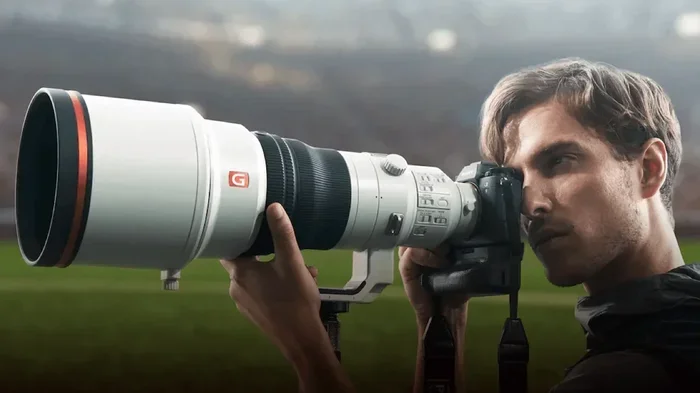
Becoming a professional photographer doesn’t always require a formal degree, but education in photography can sharpen your skills and open doors. Many successful photographers combine formal training with self-study, workshops, and real-world practice. Whether you choose a bachelor’s degree, a short certificate course, or a hands-on apprenticeship, the right education path depends on your goals and budget.
So, you love taking photos and wonder if you need a fancy degree to call yourself a professional photographer. The honest answer? It depends. Some photographers learned everything on the job. Others spent years in photography school. The good news is there is no single education required to be a photographer. You have options. This guide walks you through every path so you can pick the one that fits your life, budget, and dreams.
Photography is one of the most exciting creative fields today. With cameras in almost every phone, the industry is more competitive than ever. But that also means there is huge demand for people who truly understand light, composition, and storytelling. A solid photography education helps you stand out. It gives you skills that go way beyond just pointing and shooting.
Key Takeaways
- No strict degree is required: Many professional photographers succeed without a formal photography education.
- Formal degrees help: A bachelor’s degree in photography or visual arts builds strong technical and creative foundations.
- Short courses work too: Photography certificate programs and workshops teach practical skills fast.
- Portfolio matters most: Clients care more about your portfolio than your diploma.
- Self-learning is powerful: Online tutorials, books, and practice can make you a skilled professional photographer.
- Specialization counts: Focusing on areas like portrait photography or commercial photography boosts your career.
📑 Table of Contents
- What Education Is Required to Be a Professional Photographer?
- Types of Photography Education Programs
- Do You Need a Degree to Succeed?
- Essential Skills Every Photographer Needs
- How to Choose the Right Education Path
- Common Mistakes to Avoid in Photography Education
- Expert Insights on Photography Education
- Final Thoughts: Your Education Journey Starts Now
What Education Is Required to Be a Professional Photographer?
The short answer is: no formal education is strictly required. Anyone can pick up a camera and start shooting. But if you want to work with big clients, agencies, or magazines, a bit of training goes a long way. Think of education as a tool, not a rule. It gives you an edge, but it does not define your talent.
Many top professional photographers never finished a degree. They built their skills through practice, online courses, and mentorships. Others graduated from top photography schools and used their credentials to land their first jobs. The path you choose should match your goals. If you want to shoot weddings on weekends, a short course might be enough. If you dream of fashion photography for major brands, a full degree program could help.
Why Education Matters in Photography
Even though you do not need a degree, learning the craft matters a lot. Photography is not just about clicking a button. It involves understanding exposure settings, composition techniques, and how to work with different types of lighting. A good photography education teaches you all of this and more.
Here is why investing in education pays off:
- You learn the technical basics: Things like aperture, shutter speed, and ISO become second nature.
- You develop a creative eye: Training helps you see beauty in everyday moments.
- You understand photo editing: Tools like Adobe Lightroom and Photoshop are key skills today.
- You build confidence: Knowing your stuff makes you more convincing to clients.
- You network: School connects you with other creatives and industry professionals.
Some people say that learning similes for education helps students grasp comparisons in visual storytelling. That idea shows how language and education shape the way you see and describe the world through a lens. Similarly, understanding metaphors for education can deepen your creative thinking and help you communicate your artistic vision more clearly. These skills may sound simple, but they make a big difference in how you present your work and talk about your craft with clients and collaborators.
Types of Photography Education Programs
There are several ways to get photography education. Each path has its own benefits. Let us break them down so you can find the best fit.
Bachelor’s Degree in Photography
A bachelor’s degree in photography or fine arts usually takes four years. You will study everything from camera basics to advanced composition techniques. Most programs also cover photo editing, digital photography, and the business side of the industry.
Here is what a typical degree program includes:
- Core photography courses (lighting, portraiture, landscape)
- Art history and visual theory
- Digital editing and post-production
- Business and marketing for creatives
- A final portfolio project
A degree can be expensive, but it gives you a well-rounded photography education. It also opens doors to jobs in commercial photography, photojournalism, and fashion. Many employers prefer candidates with a degree for full-time positions.
Associate Degrees and Certificate Programs
If four years feels like too much, consider an associate degree or a photography certificate. These programs take one to two years. They focus on hands-on skills and practical training. You will spend most of your time behind the camera, not in a lecture hall.
Certificate programs are great for people who want to learn fast. They cover the essentials of camera skills, lens techniques, and exposure settings. Many community colleges and online platforms offer these programs at a lower cost than a full degree.
Online Photography Courses
Online learning has exploded in recent years. Platforms like Skillshare, Udemy, and MasterClass offer photography courses for every skill level. You can learn from home at your own pace. This is one of the most flexible ways to get education required to be a photographer.
Some popular online topics include:
- Portrait photography basics
- Wedding photography workflows
- Product photography for e-commerce
- Advanced photo editing techniques
- Building a portfolio that wins clients
The best part? You do not need to quit your day job. Online courses let you balance learning with real life. Many successful freelance photographers started with nothing more than a laptop and an internet connection.
Workshops and Masterclasses
Short photography workshops are perfect for quick skill boosts. These sessions usually last a few days or a weekend. You work closely with an experienced photographer who shares real-world tips.
Workshops are ideal if you already know the basics but want to specialize. For example, you might attend a portrait photography workshop or a landscape photography retreat. These experiences often give you practical knowledge that you cannot get from a textbook.
Do You Need a Degree to Succeed?
This is the question most aspiring photographers ask. And the answer is: not necessarily. The photography industry is one of the few creative fields where your portfolio speaks louder than your diploma.
Let us look at the pros and cons of formal education versus self-taught paths.
| Formal Education | Self-Taught Path |
|---|---|
| Structured learning environment | Flexible and affordable |
| Access to professional equipment | Learn at your own pace |
| Networking with peers and instructors | Real-world experience from day one |
| Recognized credential for employers | No student debt |
| Comprehensive curriculum | Requires strong self-discipline |
| Feedback from experienced mentors | May miss foundational knowledge |
Many professional photographers today are self-taught. They learned by doing, making mistakes, and constantly improving. If you choose this route, you need to be your own teacher. Set goals, practice daily, and seek feedback from other photographers.
Understanding how people learn creatively can also help. For instance, exploring idioms for education can give you insight into how language shapes the way we think about learning and growth. These small connections between education and creative expression can inspire new ways to approach your photography education and career development.
Essential Skills Every Photographer Needs
Whether you go to photography school or learn on your own, certain skills are non-negotiable. Here are the ones every professional photographer should master.
Technical Skills
- Understanding exposure: Know how aperture, shutter speed, and ISO work together.
- Mastering lighting: Natural light, studio light, and flash techniques.
- Photo editing: Skills in Lightroom, Photoshop, or similar tools.
- Lens knowledge: Different lenses serve different purposes. Wide-angle, telephoto, and prime lenses each have their place.
- Composition techniques: Rule of thirds, leading lines, and framing.
Creative Skills
- Eye for detail and color
- Ability to tell a story through images
- Understanding of mood and emotion in visual arts
- Curiosity and willingness to experiment
Business Skills
- Client communication and professionalism
- Pricing your services correctly
- Marketing and social media presence
- Portfolio building and website management
- Contract and copyright knowledge
These skills are the backbone of a successful photography career. You can learn them through formal education, online courses, or years of practice. The key is to keep improving every single day.
How to Choose the Right Education Path
Choosing the right photography education depends on your situation. Ask yourself a few questions before you decide.
What Are Your Career Goals?
Do you want to shoot weddings, work in a studio, or become a photojournalist? Different goals require different levels of education. Wedding photographers often need strong interpersonal skills and quick technical ability. Photojournalists need a deep understanding of storytelling and ethics.
How Much Time and Money Can You Invest?
A four-year degree costs time and money. A short online course costs much less. Be honest about what you can commit. There is no shame in starting small and building up.
Do You Need a Credential?
Some employers and agencies require a degree. If you want a corporate job or work with big publications, a bachelor’s degree might be necessary. If you plan to freelance, your portfolio matters more than a diploma.
Can You Learn While Working?
Many people start as freelance photographers while taking evening classes or online courses. This approach lets you earn money and learn at the same time. It is one of the most practical ways to get the education required to be a photographer without putting your life on hold.
Remember, the best education path is the one that keeps you growing. Whether it is a full degree, a weekend workshop, or daily practice with your camera, every step counts.
Common Mistakes to Avoid in Photography Education
Not all education paths are created equal. Here are some mistakes aspiring photographers make when pursuing training.
- Skipping the basics: Jumping into advanced editing before mastering camera fundamentals is a common mistake.
- Ignoring business skills: Many talented photographers fail because they do not know how to market themselves.
- Relying only on school: Photography school gives you a foundation, but real growth happens through practice and experience.
- Not building a portfolio early: Start creating and sharing your work from day one. Waiting too long can slow your progress.
- Copying others too closely: Inspiration is great, but finding your unique style is what makes you stand out as a professional photographer.
Avoiding these mistakes will save you time and frustration. Stay patient, stay curious, and keep learning.
Expert Insights on Photography Education
We spoke with several working professional photographers about their education journeys. Here is what they had to say.
Maria Lopez, Portrait Photographer: “I took a six-month certificate program, and it changed my life. I learned lighting and posing that I could not have figured out on my own. But honestly, my best skills came from shooting real clients every week.”
James Chen, Commercial Photographer: “I have a bachelor’s degree in visual arts. It helped me get my foot in the door at a major agency. But once I was in, my portfolio did all the talking.”
Aisha Patel, Freelance Photographer: “I am completely self-taught. I watched hundreds of tutorials and practiced for years. Today I run a successful business with no formal photography education. My advice is to just start and keep going.”
These stories show that there is no single right way. The education required to be a photographer is whatever works for you. The most important thing is to never stop learning and improving.
Final Thoughts: Your Education Journey Starts Now
So, what is the education required to be a professional photographer? The truth is, there is no one-size-fits-all answer. You can earn a four-year degree, complete a short certificate program, take online courses, or teach yourself through practice and dedication. Every path has value. What matters most is that you take the first step.
The world of photography is wide open for those who are willing to learn and grow. Your education is not just about earning a certificate or degree. It is about developing your eye, sharpening your skills, and building the confidence to share your work with the world. Whether you choose formal photography school or a hands-on apprenticeship, the journey itself is what makes you a better photographer.
Start where you are. Use what you have. And never stop shooting. Your future as a professional photographer begins today.
Frequently Asked Questions
Do I need a college degree to become a professional photographer?
No, a college degree is not required. Many successful professional photographers are self-taught or completed short certificate programs. However, a degree can help you stand out to certain employers and agencies.
What is the best education path for a beginner photographer?
Start with online courses or a local workshop to learn the basics. As you grow, consider an associate degree or certificate program. The best path is the one that fits your budget and schedule.
How long does photography education take?
It depends on the program. A certificate course can take a few months. An associate degree takes about two years, and a bachelor’s degree takes four years. Self-learning has no set timeline.
Can I become a photographer without any formal education?
Absolutely. Many freelance photographers built thriving careers without any formal photography education. Your skills, portfolio, and work ethic matter more than a diploma in most cases.
What skills should I focus on during my photography education?
Focus on mastering exposure, lighting, photo editing, and composition techniques. Also develop business skills like client communication and portfolio building to succeed as a professional photographer.
Are online photography courses worth it?
Yes, online courses are a flexible and affordable way to learn. They cover everything from basics to advanced digital photography techniques. Many working photographers credit online learning for launching their careers.
=== CONCLUSION ===
The education required to be a photographer is not a fixed road. It is a flexible journey shaped by your goals, budget, and passion. Whether you earn a bachelor’s degree, complete a certificate program, or teach yourself through practice, the key is to keep learning and growing. Your portfolio and your dedication will always speak louder than any piece of paper. So pick a path, start learning, and let your creativity shine. The world needs more skilled professional photographers, and that could be you.


