
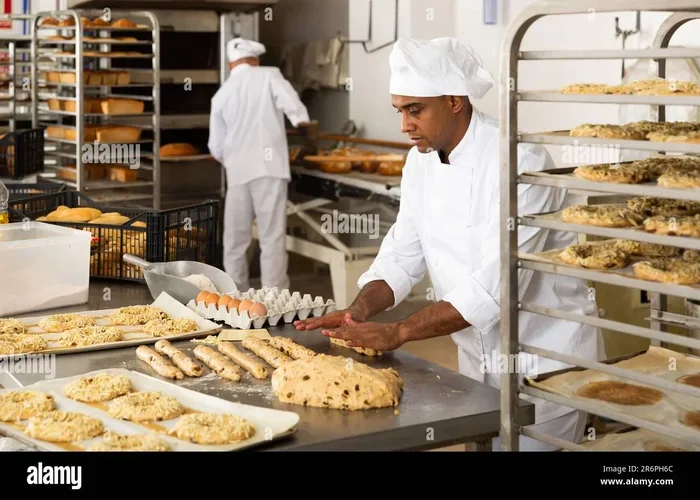
So you want to become a baker? The good news is that education required to be a baker is flexible and accessible. You can start with a high school diploma, pursue a formal baking degree, or learn through hands-on apprenticeships. This guide covers every path so you can pick the one that fits your goals and budget.
Have you ever wondered what education is required to be a baker? Maybe you have been baking at home for years and now want to turn that passion into a career. Or perhaps you are just starting out and want to know where to begin. Either way, you are in the right place.
The path to becoming a baker is not as rigid as you might think. There is no single road that everyone must follow. Some bakers learn entirely on the job. Others spend years in formal culinary school. And many find success by combining both approaches. This article breaks down every option so you can make a smart choice for your future.
Let us start with the basics. At the very least, most employers expect a high school diploma or GED. But beyond that, your education is really up to you. You can keep it simple or go all in with advanced training. The key is finding the path that matches your goals, budget, and timeline.
Key Takeaways
- No strict degree is mandatory: Many bakers succeed with just a high school diploma and on-the-job training.
- Formal education options exist: Culinary schools and baking programs offer structured learning and recognized credentials.
- Apprenticeships provide real-world experience: Working alongside professionals builds practical skills fast.
- Certifications boost your resume: Food safety and professional baker credentials make you more hireable.
- Specialized skills matter: Cake decorating, bread making, and pastry arts open doors to higher-paying roles.
- Entrepreneurship is within reach: With the right training, you can start your own bakery business.
📑 Table of Contents
- What Education Is Required to Be a Baker: The Big Picture
- High School Education and Foundational Skills
- Formal Baking Education: Culinary Schools and Baking Programs
- Apprenticeships and On-the-Job Training
- Certifications and Licenses for Bakers
- Skills You Need Beyond Formal Education
- Starting Your Own Bakery Business
- Common Mistakes to Avoid in Your Baking Education
- Expert Insights: What Professional Bakers Say
- Final Thoughts: Your Baking Education Journey
What Education Is Required to Be a Baker: The Big Picture
When people ask about the education required to be a baker, they usually want a straight answer. Here is the honest one: there is no single answer. The baking industry values skills and experience just as much as formal credentials. Let us look at the big picture first.
According to the U.S. Bureau of Labor Statistics, most bakers enter the field with a high school diploma or equivalent. They then gain experience through on-the-job training. However, if you want to work in high-end bakeries, restaurants, or run your own shop, formal education can give you a serious edge. It teaches you not just how to bake, but how to manage a kitchen, understand food science, and run a bakery business.
The beauty of this field is that it welcomes people from all backgrounds. You do not need a college degree to make great bread or decorate a stunning cake. You need patience, practice, and a willingness to learn. That said, having a solid foundation in baking techniques and food safety will set you apart from the crowd.
Why Education Matters in Baking
You might be thinking, “I can just watch YouTube videos and learn.” And yes, there is a lot of free content out there. But formal education gives you more than just recipes. It teaches you the science behind baking. Why does bread rise? How do different flours behave? What makes a cake moist and crumbly?
Understanding the science of baking helps you troubleshoot problems and create new recipes with confidence. It also shows employers that you are serious about your craft. In a competitive job market, that can make all the difference.
High School Education and Foundational Skills
The most basic step on your baking journey starts in high school. If you are still in school or recently graduated, this is the perfect time to build a strong foundation.
Most baker career paths begin with a high school diploma or GED. From there, you can take several steps to get ahead. Here are some foundational skills and classes that help:
- Home Economics or Culinary Arts: Many high schools offer these courses. They teach basic cooking and baking skills that are incredibly useful.
- Math: Baking is essentially applied chemistry and math. Measuring ingredients, scaling recipes, and managing costs all require solid math skills.
- Business and Finance: If you dream of owning your own bakery someday, classes in business, accounting, and entrepreneurship are gold.
- Chemistry and Biology: These sciences help you understand how ingredients interact. Fermentation, gluten development, and Maillard reactions all have scientific roots.
Even if your school does not offer specific baking classes, you can still start practicing at home. Bake bread on weekends. Experiment with cookies and cakes. The more you practice, the better you will get.
Formal Baking Education: Culinary Schools and Baking Programs
If you want structured learning and a recognized credential, formal education is the way to go. There are several types of programs available, and they vary in length, cost, and depth.
Associate Degrees in Baking and Pastry
An associate degree in baking and pastry arts typically takes two years to complete. Community colleges and technical schools often offer these programs. You will learn about bread making, cake decorating, pastry creation, and kitchen management.
Most programs also include courses in food safety and sanitation. This is critical because bakers must follow strict health regulations. An associate degree gives you a well-rounded education and a credential that employers respect.
Bachelor’s Degrees in Culinary Arts
For those who want to go deeper, a bachelor’s degree in culinary arts is an option. These four-year programs cover baking and pastry in addition to broader culinary skills. They also include coursework in business management, nutrition, and menu planning.
A bachelor’s degree is ideal if you want to move into leadership roles. Think pastry chef, bakery manager, or even culinary instructor. It also opens doors to higher-paying positions in upscale restaurants and hotels.
Certificate and Diploma Programs
Shorter programs are another great option. Baking certificate programs often last a few months to one year. They focus specifically on baking skills and are perfect if you want to get into the workforce quickly.
These programs are hands-on and practical. You will spend most of your time in a real kitchen, not a classroom. Many culinary institutes and vocational schools offer them. They are also more affordable than full degree programs.
Apprenticeships and On-the-Job Training
Not everyone wants to sit in a classroom. That is perfectly fine. Apprenticeships and on-the-job training are excellent alternatives. Many professional bakers learned their craft this way.
An apprenticeship lets you work alongside experienced bakers. You learn by doing, which means you pick up skills fast. You also earn money while you learn, which is a huge plus.
How Apprenticeships Work
Most apprenticeships last one to three years. You start with basic tasks like measuring ingredients and mixing dough. As your skills grow, you take on more complex work. Eventually, you might be decorating cakes or managing bread production.
Some apprenticeships are sponsored by professional organizations. Others are offered directly by bakeries and restaurants. The International Baking Industry Exposition and local culinary unions are good places to find opportunities.
Benefits of Learning on the Job
- Real-world experience: You work in an actual bakery, not a practice kitchen.
- Mentorship: You learn directly from skilled professionals who have years of experience.
- No student debt: You earn a salary instead of paying tuition.
- Networking: You build relationships with industry professionals from day one.
- Flexible learning: You pick up tips and tricks that no textbook can teach.
Many successful bakers started as apprentices and never attended formal school. Their experience became their education. If you are a hands-on learner, this path might be perfect for you.
Certifications and Licenses for Bakers
While not always required, certifications can boost your career significantly. They show employers and customers that you have verified skills and knowledge. Here are the most common ones.
Food Safety Certification
Almost every state requires food handlers to have some form of food safety training. The most widely recognized certification is the ServSafe Food Handler certification. It covers proper handling, storage, and preparation of food.
This certification is usually quick and affordable. Many employers will pay for you to get it, or they require it before you start working. Either way, it is a must-have for anyone in the baking industry.
Professional Baker Certification
The Retail Bakers of America (RBA) offers a professional certification program. It has several levels, from Certified Journey Baker to Certified Master Baker. Each level requires a combination of education, experience, and passing an exam.
Earning an RBA certification signals to employers that you are serious about your craft. It can also lead to higher pay and better job opportunities. If you want to stand out, this is one of the best investments you can make.
Specialized Certifications
Some bakers choose to specialize. Cake decorating certifications and pastry arts credentials are popular options. These are often offered through culinary schools or independent organizations. They help you stand out in a specific niche.
For example, if you love creating elaborate wedding cakes, a cake decorating certification can set you apart from other bakers. Customers love seeing specialized skills, and it can justify higher prices for your work.
Skills You Need Beyond Formal Education
Education is important, but it is not the only thing that matters. Successful bakers also need a specific set of skills. Some you can learn in school, and others you develop through practice.
Attention to Detail
Baking is a precise science. A little too much flour or a few minutes too long in the oven can ruin a batch. You need sharp attention to detail at every step. Measuring, timing, temperature control, and presentation all require careful focus.
Creativity
Baking is also an art. Customers want beautiful cakes, creative pastries, and unique flavor combinations. You need to think outside the box and experiment with new ideas. The most talented bakers blend technical skill with artistic vision.
Physical Stamina
Baking can be physically demanding. You may spend hours on your feet. You might lift heavy bags of flour or work in hot kitchens. Good physical stamina is essential for long shifts and busy periods.
Time Management
Bakeries operate on tight schedules. Bread might need to be ready by 6 AM. Cakes must be finished by a specific deadline. Strong time management skills help you stay organized and meet every deadline without stress.
Customer Service
If you work in a retail bakery or run your own shop, customer service is critical. You interact with customers daily. Being friendly, patient, and helpful goes a long way in building a loyal customer base.
Interestingly, the way we describe these skills matters too. People often use similes for a person to describe bakers who are detail-oriented or creative. Similarly, metaphors for education help us understand how learning shapes a baker’s journey. These figurative expressions capture the essence of what it means to grow in this craft.
Starting Your Own Bakery Business
One of the most exciting career paths for bakers is entrepreneurship. Starting your own bakery allows you to be your own boss and share your passion with your community. But it takes more than just great baking skills.
You need to understand business basics like budgeting, marketing, and licensing. Many culinary programs include business courses for this reason. If you learned through apprenticeships, consider taking a short business course or workshop to fill in the gaps.
Starting small is often the smartest approach. A home bakery or pop-up shop lets you test your recipes and build a customer base without a huge upfront investment. As you grow, you can expand to a full storefront.
The education required to be a baker who runs a business goes beyond baking. You need to know how to manage finances, handle suppliers, and market your brand. These skills take time to develop, but they are absolutely learnable.
Common Mistakes to Avoid in Your Baking Education
As you plan your path, watch out for these common mistakes. Avoiding them will save you time, money, and frustration.
- Skipping food safety training: This is non-negotiable. Always get proper certification before handling food for others.
- Only watching tutorials: Watching is not the same as doing. Get your hands in the dough and practice regularly.
- Ignoring business skills: Even if you just want to bake, understanding the business side helps you succeed long-term.
- Choosing the wrong program: Not all baking programs are equal. Research schools, read reviews, and talk to graduates before enrolling.
- Underestimating the need for practice: Talent alone is not enough. Consistent practice is what turns a good baker into a great one.
Remember, every expert baker was once a beginner. The education required to be a baker is not about perfection from day one. It is about building your skills step by step and staying committed to your craft.
Expert Insights: What Professional Bakers Say
We asked several professional bakers about their education paths. Here is what they had to say.
Maria, Head Baker at a Local Bakery: “I started with just a high school diploma and a weekend job at a bakery. I learned everything on the job. Ten years later, I am a head baker. Formal education would have been nice, but real experience taught me the most.”
James, Pastry Chef and Baking Instructor: “I went to culinary school, and it changed my life. The structured learning, the access to professional equipment, and the connections I made were invaluable. If you can afford it, I highly recommend it.”
Sarah, Home Bakery Owner: “I took a six-month certificate program and then started my own business. It was the perfect balance of learning and getting to work quickly. I wish I had started sooner.”
These stories show that there is no one right way to become a baker. Your education is what you make of it. Whether you choose a formal program, an apprenticeship, or a mix of both, the most important thing is to keep learning and growing.
When we talk about learning paths, it is worth noting that education comes in many forms. Just as idioms for education capture the wisdom of learning through colorful expressions, your baking journey will be shaped by the unique lessons you collect along the way. Each recipe you master, each mistake you learn from, and each customer who smiles at your work adds to your education.
Final Thoughts: Your Baking Education Journey
So, what is the final answer to the question, “What education is required to be a baker?” The answer is that you have options. You can start with a high school diploma and learn through practice. You can attend a culinary school and earn a degree. You can pursue an apprenticeship and earn while you learn. Or you can combine several approaches for a well-rounded foundation.
The education required to be a baker is as unique as the baker themselves. What matters most is your passion, your commitment to practice, and your willingness to keep improving. The baking world is full of opportunities for people who love what they do.
Start where you are. Use what you have. Take the next step, whether that is enrolling in a course, applying for an apprenticeship, or simply baking more at home. Every step forward brings you closer to the career you want.
Baking is more than a job. It is a craft, an art, and a way to bring joy to others. With the right education and a whole lot of heart, you can build a fulfilling career as a professional baker. The oven is warm. The ingredients are ready. All you need to do is begin.
Frequently Asked Questions
Can I become a baker without any formal education?
Yes, absolutely. Many successful bakers start with just a high school diploma and learn through on-the-job training. Apprenticeships and hands-on practice can teach you everything you need to know about bread making, cake decorating, and bakery operations.
How long does baking school take?
It depends on the program. Certificate programs can take a few months. Associate degrees usually take two years. Bachelor’s degrees in culinary arts typically take four years. Choose the length that fits your goals and timeline.
Is a culinary degree worth it for a baker?
It can be. A culinary degree gives you structured learning, professional connections, and a recognized credential. However, if you prefer hands-on learning or have budget constraints, apprenticeships and certificate programs are excellent alternatives.
What certification is best for bakers?
The ServSafe Food Handler certification is essential for everyone. For professional recognition, the Retail Bakers of America certification is highly respected. Specialized cake decorating or pastry credentials can also help you stand out in a niche.
Can I start a bakery business with just home baking experience?
You can start small, but you will need proper food safety certification and any required local licenses. Taking a short business course can also help you manage finances, marketing, and operations effectively.
What is the difference between a baker and a pastry chef?
A baker typically focuses on breads, rolls, and basic pastries. A pastry chef has more advanced training in desserts, cakes, and intricate pastries. Formal education and experience often determine which role you pursue in a professional kitchen.
=== CONCLUSION ===
The education required to be a baker is flexible, accessible, and full of possibilities. Whether you choose a formal degree, a hands-on apprenticeship, or a mix of both, what matters most is your dedication to the craft. Start small, keep learning, and never stop baking. Your journey as a baker begins with a single step, and every loaf you bake brings you closer to your dream.


