
Becoming a police officer requires at least a high school diploma, but many departments now prefer or require college-level coursework. Your education path depends on the department, state, and career goals you have in mind. A degree in criminal justice or a related field can open doors to higher pay and faster promotions.
Key Takeaways
- Minimum education: Most departments require a high school diploma or GED.
- College advantage: Many agencies prefer or reward candidates with college credits or an associate’s/bachelor’s degree.
- Police academy: All candidates must complete a state-certified training academy, regardless of education level.
- Specialized roles: Higher education unlocks positions in federal agencies, detectives, and specialized units.
- Continuing education: Ongoing learning helps with promotions and career growth throughout your law enforcement journey.
📑 Table of Contents
- What Education Do You Need to Become a Police Officer?
- Why Education Matters in Law Enforcement
- Minimum Education Requirements Across Departments
- Police Academy Training: The Classroom and Beyond
- Degrees and Certifications That Boost Your Career
- Comparing Education Paths: Which One Is Right for You?
- Continuing Education and Career Growth
- Common Mistakes to Avoid
- Final Thoughts on Education for Police Officers
What Education Do You Need to Become a Police Officer?
If you have ever dreamed of wearing a badge and serving your community, you might wonder about the education requirements to become a police officer. The good news is that you do not need a four-year college degree to start. Most departments accept a high school diploma or GED as the bare minimum. But here is the catch — more and more agencies are raising the bar.
The truth is that education for police officers looks different depending on where you live and what agency you want to join. Some small town departments barely ask for a diploma. Larger city police forces and federal agencies often want candidates with college credits or full degrees. Understanding these differences early helps you plan the right path. It also gives you a serious edge over other applicants.
In this guide, we break down every education level, every training step, and every option available to you. Whether you are fresh out of high school or thinking about going back to school, this article covers it all. Let us walk through what you need to know.
Why Education Matters in Law Enforcement
Some people think policing is all about physical strength and quick reflexes. And while fitness matters a lot, education plays an equally important role. Modern policing demands critical thinking, strong communication, and a solid understanding of the law. Officers deal with complex situations every single day.
Departments value educated officers for several reasons. First, officers with criminal justice education understand legal procedures better. Second, they tend to write clearer reports and communicate more effectively in court. Third, research shows that higher education is linked to fewer use-of-force incidents. Officers with college backgrounds often handle tense situations with more patience and judgment.
Think about it this way. If you compare similes for education to the tools in a toolbox, each degree or certificate adds a new tool. The more tools you have, the better equipped you are for the job. The same logic applies to metaphors for education — learning builds a strong foundation that supports everything else you do as an officer.
Many departments also use a points-based hiring system. In these systems, education earns you extra points. Those points can push you higher on the eligibility list. That means more job offers and better placement options. So even if education is not strictly required, it can still make a huge difference.
Minimum Education Requirements Across Departments
High School Diploma or GED
The most basic requirement for becoming a police officer is a high school diploma or GED. The vast majority of local police departments across the United States accept this as the minimum. You can find this requirement in small towns, suburban agencies, and rural sheriff’s offices.
Here is what you need to know about this path:
- You must be at least 18 or 21 years old, depending on the state.
- A clean criminal record is absolutely essential.
- You will need to pass a physical fitness test.
- Written exams and background checks are standard.
- You must complete the police academy after being hired.
This route works well if you want to start your career quickly. You can get hired, finish the academy, and begin patrolling within a year or two. Many experienced officers started this way and built successful careers without ever stepping foot in a college classroom.
College Credits and Associate Degrees
A growing number of departments prefer or require some college coursework. This usually means completing at least 30 to 60 college credits. An associate degree in criminal justice or a related field typically satisfies this requirement.
Many community colleges offer affordable programs designed specifically for aspiring officers. These programs cover topics like criminology, constitutional law, and police procedures. Completing one of these programs shows a department that you are serious about the profession.
Some agencies that prefer college credits include:
- County sheriff departments in metropolitan areas
- State highway patrol agencies
- Transit police departments
- University police departments
Even if a department does not require college credits, having them can give you a competitive edge. You may start at a higher pay grade or qualify for positions in specialized units sooner.
Bachelor’s Degree Requirements
Federal agencies and some large city departments require a bachelor’s degree for entry-level positions. The FBI, for example, requires at least a bachelor’s degree for all special agent candidates. The U.S. Marshals Service and Secret Service have similar requirements.
A bachelor’s degree in criminal justice is the most common choice. But degrees in criminology, sociology, psychology, or public administration also work well. These programs typically take four years to complete and provide in-depth knowledge of the justice system.
If you are targeting federal law enforcement or detective roles, a bachelor’s degree is almost always necessary. It opens doors that a diploma alone simply cannot.
Police Academy Training: The Classroom and Beyond
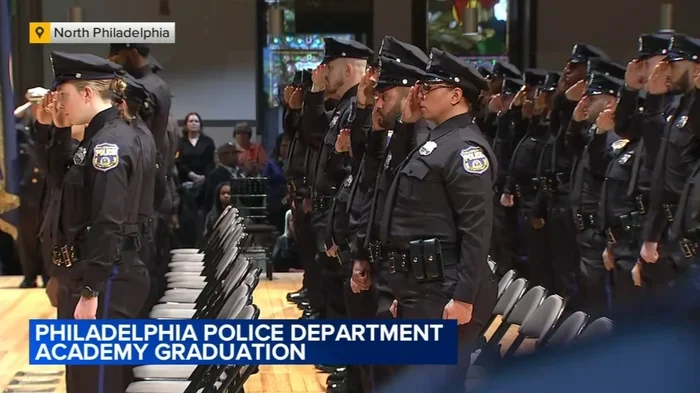
No matter what level of education you bring, every police officer must complete a police academy. This is a state-certified training program that typically lasts 12 to 24 weeks. The academy combines classroom instruction with hands-on physical training.
During academy training, you will study subjects like:
- Criminal law and constitutional rights
- Traffic enforcement and accident investigation
- Firearms handling and marksmanship
- Defensive tactics and use of force policies
- Report writing and evidence collection
- Community policing and ethics
The physical training portion includes running, obstacle courses, and defensive techniques. Fitness standards vary by state, but they are always demanding. You will be tested regularly, and failing to meet the standards can result in dismissal from the program.
Some people confuse police academy education with college education. They are different but complementary. The academy teaches you how to be a cop. College education teaches you why the laws exist and how the justice system works. Together, they create a well-rounded officer.
Think of the academy as the idioms for education in action — short, powerful expressions of what it means to learn on the job. The classroom gives you the language, and the field gives you the experience.
Degrees and Certifications That Boost Your Career
Once you are working as a police officer, education does not stop. In fact, many departments encourage or require ongoing education for promotions and transfers. Here are the most valuable degrees and certifications for law enforcement professionals.
Associate of Science in Criminal Justice
An AS in Criminal Justice is a two-year degree that covers the basics of law enforcement, corrections, and the court system. It is a popular choice for officers who want to advance without committing to a full four-year program.
This degree can help you qualify for:
- Detective or investigator positions
- Sergeant or corporal promotions
- Transfer to federal agencies
- Specialty unit assignments
Bachelor of Science in Criminal Justice
A BS in Criminal Justice provides a deeper understanding of crime theory, policy analysis, and leadership. It is the standard requirement for many federal positions and supervisory roles.
Officers with this degree often move into management faster. They also qualify for positions in intelligence, cybercrime, and federal task forces. The investment in a four-year degree pays off significantly over the course of a career.
Certified Law Enforcement Programs
Beyond degrees, many agencies offer or require specific certifications. These include:
- POST certification (Peace Officer Standards and Training)
- FBI National Academy graduate programs
- Advanced firearms certification
- Forensic investigation certificates
- Crisis negotiation training
These certifications demonstrate expertise and commitment. They also often lead to salary increases and specialized assignments.
Comparing Education Paths: Which One Is Right for You?
Choosing the right education path depends on your goals, timeline, and budget. Here is a simple comparison to help you decide.
| Education Level | Time to Complete | Cost Range | Best For |
|---|---|---|---|
| High School Diploma / GED | 4 years (or less) | Free | Quick entry into local police departments |
| College Credits (30-60) | 1-2 years | $1,000 – $5,000 | Competitive edge and higher pay |
| Associate Degree | 2 years | $5,000 – $15,000 | Mid-level advancement and specialty roles |
| Bachelor’s Degree | 4 years | $15,000 – $60,000 | Federal jobs, detective roles, management |
The table shows a clear trend. More education generally means more opportunities. But it also means more time and money invested. The best path is the one that aligns with your personal situation and career ambitions.
If you are just starting out, consider earning your diploma or GED first. Then, while working as an officer, pursue an associate or bachelor’s degree on a part-time basis. Many departments offer tuition reimbursement programs that make this very affordable.
Just as similes for a forest compare the depth of a woodland to something familiar, comparing your education options helps you see the full picture. Each path has its own strengths, and each leads to a rewarding career in law enforcement.
Continuing Education and Career Growth
Once you become a police officer, your education journey does not end. In fact, many departments require officers to complete ongoing training every year. This includes topics like de-escalation techniques, implicit bias training, and updated legal procedures.
For those looking to climb the ranks, continuing education is essential. Here is how further learning can boost your career:
- Promotions: Sergeant, lieutenant, and captain positions often require college coursework.
- Pay increases: Many agencies offer higher pay for officers with degrees.
- Specialty assignments: Detectives, K-9 units, and SWAT teams often prefer educated candidates.
- Federal transfers: Moving to federal agencies usually requires a bachelor’s degree.
- Retirement benefits: Some pension plans reward officers who pursue additional education.
Officers who treat learning as a lifelong habit tend to have the longest and most fulfilling careers. The field of law enforcement changes constantly. New technologies, new laws, and new community expectations mean that staying educated is not optional — it is necessary.
Just as metaphors for education describe learning as a journey or a building block, your education in policing is always growing. Every course, every certification, and every new skill adds another layer to your expertise.
Common Mistakes to Avoid
Many aspiring officers make avoidable mistakes when planning their education. Here are the most common ones:
Waiting too long to start. Some people plan to go to college after they become officers. But starting early gives you a huge advantage during the hiring process. Even a few college credits can make a difference.
Choosing the wrong major. Not all degrees are equally valuable for law enforcement. While any degree can help, criminal justice, criminology, and public administration are the most directly relevant.
Ignoring physical fitness. Education matters, but you cannot neglect your body. Police academies are physically demanding. Officers who arrive in poor shape struggle to keep up.
Skipping the police academy. A degree does not replace academy training. You must complete the certified academy program regardless of your educational background.
Not researching department requirements. Every agency has different standards. Always check the specific requirements for the department you want to join before making education decisions.
Final Thoughts on Education for Police Officers
So, what education do you need to become a police officer? The short answer is: it depends. A high school diploma gets your foot in the door at many departments. But college education opens more doors, leads to higher pay, and prepares you for a longer, more successful career.
The best approach is to start with the minimum requirement and then continue learning whenever you can. Every class you take, every certification you earn, and every new skill you develop makes you a better officer and a stronger candidate for advancement.
Remember that education for police officers is not just about getting a job. It is about becoming the kind of officer your community can trust and respect. The knowledge you gain in the classroom translates directly into better service on the street.
Take the first step today. Whether that means enrolling in a community college, signing up for the police academy, or simply researching departments in your area — every action moves you closer to your goal. The path to becoming a police officer starts with education, and the journey is well worth the effort.
Frequently Asked Questions
Do all police departments require a college degree?
No, most local police departments only require a high school diploma or GED. However, larger agencies, federal organizations, and some state departments prefer or require college education. Always check the specific requirements of the agency you are interested in.
Can I become a police officer with just a GED?
Yes, a GED is accepted by the vast majority of police departments as the minimum educational requirement. You will still need to pass physical fitness tests, background checks, and complete the police academy.
What degree is best for a police officer career?
A bachelor’s degree in criminal justice is the most popular and widely recognized choice. Degrees in criminology, law enforcement, or public administration also work well. The best degree depends on your specific career goals.
Does having a degree increase police officer pay?
Yes, many departments offer higher starting pay and faster promotions for officers with college degrees. Some agencies also provide tuition reimbursement programs to encourage ongoing education.
How long does police academy training last?
Police academy programs typically last between 12 and 24 weeks, depending on the state and agency. The training includes both classroom instruction and rigorous physical conditioning.
Can I work as a police officer while going to college?
Yes, many officers pursue part-time or online college degrees while working. This allows you to gain real-world experience and earn your education at the same time. Some departments even offer tuition assistance programs.


