
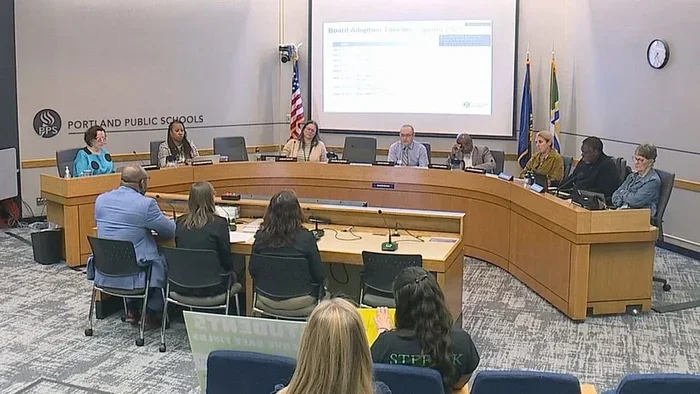
The board of education serves as the governing body that oversees public schools in a district. It sets policies, manages budgets, hires superintendents, and ensures students receive quality education. Understanding what does the board of education do helps parents, teachers, and community members engage meaningfully with local education decisions.
Have you ever wondered who actually makes the big decisions about your local schools? Who decides what kids learn, how teachers get paid, or what happens when a school needs repairs? The answer sits in a room filled by elected or appointed members known as the board of education. Understanding what does the board of education do changes how you see your child’s school system entirely.
Many people think teachers and principals run everything. But behind the scenes, a governing body sets the direction for every school in a district. They handle big-picture choices about education policy, money, and long-term goals. This article breaks down exactly what this group does, why it matters, and how you can get involved.
Key Takeaways
- Policy Setting: The board creates rules that shape how schools operate daily.
- Budget Control: They decide how millions in funding get spent across the district.
- Hiring Leadership: The board hires and evaluates the superintendent who runs schools.
- Community Voice: Board meetings let families and citizens shape education direction.
- Accountability: They ensure schools meet standards and serve all students fairly.
📑 Table of Contents
What Is a Board of Education?
A board of education is a group of people chosen to govern a school district. Think of them as the leadership team for all public schools in a specific area. They are sometimes called a school board, and their job is to make sure schools run smoothly and serve students well.
These boards exist at the local level, which means they answer directly to the community. In some places, members get elected by voters. In others, a mayor or city council appoints them. Either way, their job is the same: oversee public education and make decisions that affect thousands of students every day.
The size of a board varies. Some districts have five members. Others have seven or even nine. Each member serves a term, usually between two and four years. During that time, they attend meetings, review data, and work with educational leaders to guide their district forward.
Core Responsibilities of a Board of Education
So what does the board of education do on a regular basis? The list is long, but let us break it into the most important duties. Each one plays a huge role in shaping the quality of education kids receive.
Setting Education Policy
The board writes the rules that everyone in the district must follow. These policy decisions cover everything from student behavior to dress codes. They also set academic standards that teachers use in the classroom.
For example, a board might decide whether students need to pass a certain test to graduate. Or they might create rules about how schools handle bullying. These policies come from listening to community stakeholders, including parents, teachers, and local leaders.
Good policy work requires research and debate. Board members review data, visit schools, and talk to experts. They then vote on new rules or changes to old ones. This process keeps the governance structure fair and transparent.
Managing the Budget
Money makes the school world go round. And the board controls the purse strings. Every year, they must build a school district budget that covers salaries, building maintenance, supplies, and programs.
A typical district budget can run into tens or even hundreds of millions of dollars. The board decides where every dollar goes. They must balance competing needs like new textbooks versus building repairs. This is one of the most challenging parts of their job.
Boards also apply for state and federal grants. They set tax rates for the community in some cases. All of this work directly impacts school funding and the resources available to students and teachers.
Hiring and Evaluating the Superintendent
The superintendent is the top executive in a school district. The board hires this person and holds them accountable. The superintendent then manages day-to-day operations and implements board policies.
Think of the board as the steering wheel and the superintendent as the engine. The board sets the direction. The superintendent makes it happen. This partnership is essential for strong educational leadership across the district.
Boards evaluate the superintendent regularly. They look at test scores, graduation rates, and community feedback. If the superintendent is not meeting goals, the board can decide to replace them. This keeps the entire system responsive and focused on results.
Overseeing Curriculum and Academic Standards
What do students actually learn in class? The board plays a big role in answering that question. They approve or reject curriculum choices made by administrators and teachers.
For instance, a board might adopt a new math program or update science textbooks. They ensure these materials align with state standards and reflect community values. This work shapes the academic standards that define student learning at every grade level.
Boards also decide on special programs. These might include advanced placement courses, vocational training, or arts programs. Each decision affects student educational outcomes and future opportunities.
How a Board of Education Makes Decisions
Decision-making is at the heart of the board’s work. But it is not a free-for-all. There is a process in place to make sure choices are fair, informed, and in the best interest of students.
The Role of Board Meetings
Board meetings are where the magic happens. These gatherings happen monthly or biweekly. The public is usually welcome to attend. This openness is a key part of school governance and keeps the board accountable.
During meetings, board members discuss agenda items, hear from staff, and vote on proposals. They also listen to public comments from parents and community members. These voices help shape final decisions.
Many boards also hold special meetings for sensitive topics. Budget hearings and policy reviews often get extra attention. The goal is always to make decisions that serve students first.
Collaboration with Teachers and Staff
A good board does not work alone. They partner with teachers unions, school staff, and district administrators. These partnerships bring real-world classroom insights into the decision-making process.
Teachers know what works in the classroom. Staff understand the daily challenges of running a school. When the board listens to these voices, their policy decisions become stronger and more practical.
Local vs. State Boards of Education
Not all boards operate the same way. There are important differences between local and state-level education boards. Understanding this helps you see the full picture of public education governance.
Local Boards
Local boards govern individual school districts. They handle day-to-day operations and make decisions that directly affect students in their community. These boards are closest to the people they serve.
They deal with things like school boundaries, local tax rates, and neighborhood school policies. When people ask what does the board of education do, they usually mean this local level. It is the most visible and accessible form of education governance.
State Boards
State boards operate at a higher level. They set broad guidelines that all districts must follow. These include statewide academic standards and teacher certification rules.
State boards also distribute funding to districts. They work with the governor and legislature to shape education reform across the entire state. While they do not manage individual schools, their influence is massive.
| Feature | Local Board | State Board |
|---|---|---|
| Scope | Individual school district | Entire state |
| Main Focus | Day-to-day operations | Broad policy and standards |
| Members | Elected or appointed locally | Appointed or elected by state |
| Budget Control | District-level spending | Statewide funding distribution |
| Community Access | High — open meetings | Lower — less direct contact |
Why the Board of Education Matters to Your Community
The board of education touches every family with school-age children. Their decisions affect property values, community pride, and future opportunities for young people. Understanding this connection makes the board’s work feel more personal and urgent.
Shaping the Future of Your Neighborhood
Strong schools attract families and businesses. When a board does its job well, neighborhoods thrive. Good educational leadership creates a ripple effect that benefits everyone.
Conversely, poor governance can lead to declining enrollment and falling property values. This is why school board elections matter so much. Every vote sends a message about the kind of community you want to build.
Ensuring Equity and Access
Boards have a responsibility to serve every student equally. This means addressing gaps in resources, support, and opportunities. Equity-focused boards work hard to close achievement gaps and give every child a fair shot.
They also make sure schools are welcoming places for students of all backgrounds. This commitment to public education fairness strengthens the entire community over time.
How You Can Get Involved
Feeling inspired to play a role? There are many ways to engage with your local board. Your voice matters more than you might think.
- Attend board meetings: Show up and speak during public comment periods.
- Vote in board elections: Your vote directly shapes who leads the district.
- Join advisory committees: Many boards have committees for parents and community members.
- Contact your board members: Email or call them with questions and concerns.
- Stay informed: Read agendas and meeting minutes available online.
Getting involved does not require special expertise. You just need to care about the quality of education in your area. The board exists to serve the community, and community participation makes it better.
Common Mistakes People Make About Boards of Education
There are some misconceptions that get in the way of understanding how boards work. Let us clear a few of those up.
Mistake one: Thinking the board controls every classroom decision. In reality, principals and teachers have a lot of autonomy. The board sets the framework, not every daily lesson plan.
Mistake two: Believing board meetings are boring or pointless. They can be surprisingly engaging. Public comments, heated debates, and passionate community members make these meetings worth watching.
Mistake three: Assuming only educators should serve on the board. Many effective board members come from business, law, or community organizing backgrounds. Diverse perspectives strengthen governance.
Final Thoughts
The board of education is the backbone of local public schooling. From setting education policy to managing budgets and hiring leaders, their work touches every aspect of a student’s school experience. Now that you understand what does the board of education do, you can see why this group deserves attention and respect.
Strong boards lead to strong schools. And strong schools build strong communities. Whether you are a parent, teacher, student, or taxpayer, your engagement makes a difference. Show up, speak up, and help shape the future of education in your area.
Learning about figurative language in education can also be fun. Check out our similes for education guide, explore our metaphors for education collection, or dive into our idioms for education page for more enriching content.
The more you know about how education works, the better equipped you are to make a difference. Start today. Attend a meeting. Ask questions. Get involved. Your community’s schools will thank you for it.
Frequently Asked Questions
Who makes up a board of education?
Board members are typically elected by voters in the community or appointed by local government officials. They come from diverse backgrounds, including education, business, and community service. Most boards have between five and nine members who serve terms of two to four years.
How often do boards of education meet?
Most boards hold regular meetings once or twice a month. Special meetings may be called for urgent matters like budget votes or policy changes. All meetings are usually open to the public, and agendas are posted in advance online.
Can anyone attend a board of education meeting?
Yes. Board meetings are public events, and anyone can attend. Most boards also have a public comment period where community members can speak about issues that matter to them. This openness is a cornerstone of democratic school governance.
What is the difference between a board of education and a superintendent?
The board sets policy and direction. The superintendent carries out those policies and manages daily operations. Think of the board as the decision-makers and the superintendent as the person who turns those decisions into action across the district.
Do boards of education control what students learn in class?
Boards approve curriculum choices and set broad academic standards. However, individual teachers and principals have significant freedom in how they deliver instruction. The board provides the framework, while educators bring it to life in the classroom.
How can I influence my local board of education?
Attend meetings, speak during public comment periods, and vote in board elections. You can also contact members directly with concerns or suggestions. Joining parent-teacher organizations and community groups amplifies your voice even further.


