
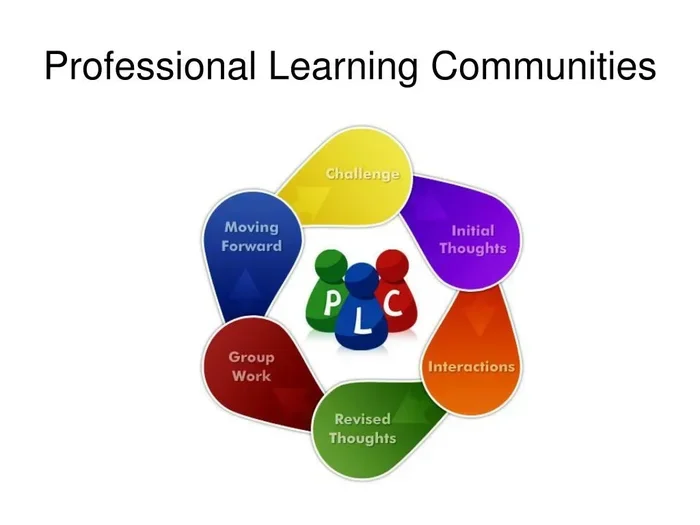
PLC in education stands for Professional Learning Community, a collaborative approach where educators work together to improve teaching practices and student outcomes. PLCs help schools achieve continuous improvement through shared goals, data-driven decisions, and team-based strategies. Understanding the PLC meaning in education is essential for any teacher, administrator, or parent invested in better learning results.
Key Takeaways
- PLC stands for Professional Learning Community: It is a collaborative framework where educators work together to improve instruction and student learning.
- PLCs focus on three big ideas: Learning, collaboration, and results. Everything in a PLC revolves around these core principles.
- Data drives decisions in a PLC: Teachers use formative assessment data to identify gaps and adjust instruction quickly.
- PLCs benefit everyone: Students get better instruction, teachers grow professionally, and schools see measurable improvement.
- Implementation takes work: Building a true PLC requires time, commitment, and strong leadership support.
- Common mistakes can derail PLC efforts: Avoid treating PLCs as meetings, not programs, and keep the focus on student learning.
📑 Table of Contents
- What Does PLC Mean in Education and Why It Matters
- The PLC Education Definition: What Exactly Is a Professional Learning Community?
- Why PLCs Matter: The Benefits for Students and Teachers
- How PLCs Work: The Step-by-Step Process
- Common Mistakes Schools Make When Implementing PLCs
- Tips for Building a Successful PLC in Your School
- How PLCs Connect to Broader Educational Language
- The Future of PLCs in Education
- Conclusion
What Does PLC Mean in Education and Why It Matters
So, you have heard the term PLC in education tossed around at staff meetings or in faculty newsletters. Maybe your child’s school mentioned it. Or perhaps you are an educator trying to figure out what all the buzz is about. Either way, you are in the right place.
PLC stands for Professional Learning Community. At its core, a PLC is a group of educators who meet regularly to collaborate, share ideas, and focus on one big goal: improving student learning. It is not a fancy program or a new curriculum. It is a way of working together that has been proven to make a real difference in schools.
The PLC education model has gained massive popularity over the past two decades. Schools across the world use it to drive continuous improvement, boost student achievement, and create a culture of shared responsibility. In this article, we will break down everything you need to know about what a PLC is, how it works, and why it matters for educators, students, and parents alike.
The PLC Education Definition: What Exactly Is a Professional Learning Community?
Let us start with the basics. The PLC meaning in education is straightforward. A Professional Learning Community is a team of teachers, administrators, and sometimes even students and parents who work together to answer three critical questions:
- What do we want each student to learn?
- How will we know when each student has learned it?
- How will we respond when a student struggles or already knows the material?
These three questions form the foundation of every PLC framework. They keep the team focused on what really matters: student learning. Everything else flows from these questions.
Unlike traditional professional development where a speaker talks at teachers for hours, a PLC is hands-on and collaborative. Teachers work in small teams. They share what works. They problem-solve together. They hold each other accountable. The result is a smarter, more unified approach to teaching.
Key Characteristics of a Strong PLC
Not all groups of teachers are PLCs. A PLC has specific traits that set it apart from a regular department meeting or planning session. Here are the hallmarks of a strong PLC in schools:
- Shared mission and vision: Every team member agrees on the purpose of the group and the goals they are working toward.
- Collaborative culture: Teachers work together, not in isolation. They share resources, strategies, and concerns openly.
- Focus on learning: The central question is always about student learning, not just teaching methods.
- Action orientation: PLCs do not just discuss problems. They take action and measure the results.
- Continuous improvement: There is no finish line. Teams always look for ways to get better.
When these elements are in place, a PLC education model creates a powerful engine for change. Teachers feel supported. Students benefit from better instruction. And schools see real, measurable growth.
Why PLCs Matter: The Benefits for Students and Teachers
You might be wondering, “Does this actually work?” The answer is a strong yes. Research and real-world experience show that PLCs in education deliver meaningful results. Let us look at the biggest benefits.
Better Student Outcomes
The ultimate goal of any PLC in education is to help students learn more effectively. When teachers collaborate and align their instructional strategies, students receive a more consistent and coherent learning experience. Studies have shown that schools with strong PLCs see higher test scores, better graduation rates, and improved learning outcomes across the board.
Here is how PLCs directly benefit students:
- Targeted intervention: When data shows a student is struggling, the team quickly steps in with targeted support.
- Challenge for advanced learners: PLCs also identify students who have already mastered the material and provide enrichment opportunities.
- Consistent expectations: Students benefit when all teachers in a grade level or subject area share the same learning goals and standards.
- Faster feedback loops: Teachers can adjust their approach in real time based on how students are performing.
Professional Growth for Educators
PLCs do not just help students. They also transform teachers. Working in a collaborative team helps educators grow in ways that solo preparation never can. Teachers learn from each other. They try new approaches and see what works. They build confidence and deepen their subject knowledge.
Many educators report that PLCs reignited their passion for teaching. Instead of feeling isolated, they feel part of a community. This sense of collective responsibility is one of the most powerful aspects of the PLC model.
Stronger School Culture
When a school embraces the PLC framework, the entire culture shifts. Teachers trust each other more. Communication improves. There is a shared sense of purpose. This positive culture ripples out to students, parents, and the wider community.
Schools that have successfully implemented PLCs often report:
- Higher teacher retention rates
- Greater job satisfaction among staff
- More positive attitudes toward school improvement
- Stronger parent and community engagement
How PLCs Work: The Step-by-Step Process
Understanding the PLC education model is one thing. But how does it actually work in practice? Let us walk through the process step by step.
Step 1: Form Collaborative Teams
The first step is to create small, focused teams of educators. These teams usually consist of teachers from the same grade level or subject area. The key is to keep teams small enough for real collaboration but large enough for diverse perspectives.
Each team should have a facilitator and a clear agenda for every meeting. Teams meet regularly, typically weekly or biweekly. Consistency is crucial. A PLC is not a one-time event. It is an ongoing commitment.
Step 2: Identify Shared Learning Goals
Next, the team sits down and answers the first critical question: What do we want each student to learn? This involves reviewing curriculum standards, aligning on essential standards, and setting clear, measurable goals for every unit of study.
Teams often create common assessments and share pacing guides. This ensures that all students in a grade level or course are learning the same core content. It also makes it easier to compare results and identify areas that need attention.
Step 3: Use Data to Drive Decisions
Data is the heartbeat of any PLC in schools. Teams regularly review formative assessment results, student work samples, and other performance data. The goal is not to assign blame but to identify patterns and adjust instruction accordingly.
Effective data-driven decisions in a PLC involve looking at four types of data:
- Formative assessment data: Ongoing checks for understanding during instruction.
- Summative assessment data: End-of-unit or end-of-year results.
- Student work samples: Qualitative evidence of learning and misconceptions.
- Behavioral and engagement data: Attendance, participation, and student feedback.
Step 4: Respond to Student Needs
This is where the PLC model truly shines. When the team identifies students who are struggling, they do not wait. They respond immediately with targeted intervention strategies. This might include small group tutoring, reteaching specific concepts, or adjusting homework and practice activities.
Similarly, for students who have already mastered the material, the team provides enrichment and extension activities. Every student gets what they need to grow.
Step 5: Reflect and Improve
The final step is reflection. Teams look at their results, celebrate successes, and identify areas for growth. This cycle of continuous improvement keeps the PLC moving forward. There is always room to get better, and that mindset is what makes the model so powerful.
Common Mistakes Schools Make When Implementing PLCs
Even with the best intentions, schools can stumble when implementing a PLC in education. Being aware of these pitfalls can save a lot of frustration and wasted effort.
Treating PLCs as Just Another Meeting
This is the number one mistake. If PLC meetings become routine check-ins with no real focus on student learning, they lose their purpose. A PLC is not a place to share administrative updates. It is a team dedicated to improving instruction and outcomes.
Focusing on Teaching Instead of Learning
It is easy to fall into the trap of discussing how teachers are delivering content. A true PLC education approach keeps the focus on whether students are actually learning. If they are not, the team must change its approach. The conversation should always center on student results.
Lack of Administrative Support
PLCs need strong leadership to succeed. Without buy-in from principals and district leaders, teams may lack the time, resources, and protection they need to do their work effectively. Leaders must model collaborative behavior and prioritize PLC time on the school calendar.
Ignoring Data or Using It Poorly
Data without action is useless. Some schools collect mountains of assessment data but never use it to inform instruction. In a PLC framework, data must lead to concrete next steps. Every data review should result in specific action plans.
Tips for Building a Successful PLC in Your School
Ready to start or strengthen your PLC in education journey? Here are some practical tips to help you succeed.
Start Small and Build Momentum
You do not need to transform your entire school overnight. Start with one grade level or one subject area. Build a strong team. Prove the model works. Then expand from there. Small wins build confidence and buy-in from skeptical staff members.
Protect PLC Time
Time is the biggest challenge for most PLCs. Schedule meetings during the school day, not after hours. Protect that time fiercely. If teachers are exhausted from a full day of instruction, they cannot give their best to collaboration. Consider swapping class periods or hiring substitutes to free up time.
Use Protocols and Agendas
Every PLC meeting should have a clear agenda and a structured protocol. This keeps discussions focused and productive. Start with data review, move to analysis, and end with action planning. Avoid letting meetings drift into general chatter.
Celebrate Wins Along the Way
Improving student learning takes time. It is important to celebrate progress, no matter how small. When a team sees a measurable improvement in assessment scores or student engagement, acknowledge it. Positive reinforcement keeps morale high and motivation strong.
Stay the Course
Building a true PLC is a journey, not a destination. There will be setbacks and challenges. The key is to stay committed to the process. Over time, the collaborative culture of a PLC becomes woven into the fabric of the school. And that is when the magic happens.
How PLCs Connect to Broader Educational Language
The world of education is full of figurative language that shapes how we think about teaching and learning. Educators often use similes for education to describe the learning process in vivid ways. For example, saying “a good lesson is like a well-oiled machine” captures the idea of smooth, efficient instruction that a PLC strives to achieve.
Similarly, metaphors for education help paint a picture of the collaborative journey. When we say “teachers are the architects of student success,” we are using a metaphor that aligns perfectly with the PLC philosophy of building something meaningful together. And just as idioms for education capture the spirit of the teaching profession, the PLC model captures the spirit of collective effort toward shared goals.
Understanding this broader context helps educators appreciate that the PLC education model is not just a set of procedures. It is a mindset. It is a way of thinking about teaching and learning that values collaboration, shared responsibility, and relentless focus on student growth.
The Future of PLCs in Education
The PLC framework continues to evolve as education changes. Technology is playing a bigger role, with digital platforms making it easier for teams to share data, resources, and ideas across classrooms and even across districts. Virtual PLCs are becoming more common, especially in areas where teacher collaboration time is limited.
Looking ahead, we can expect PLCs to become even more integrated into daily school life. The focus on formative assessment and personalized learning aligns perfectly with the PLC approach. As schools face new challenges, from addressing learning loss to supporting diverse learners, the collaborative power of PLCs will only grow in importance.
Educators who embrace the PLC model today are positioning themselves and their students for long-term success. The skills and habits built through PLC work, such as data literacy, collaborative problem-solving, and reflective practice, are invaluable. They prepare teachers not just for the current school year but for a lifetime of growth and improvement.
Conclusion
PLC in education is more than a buzzword or a trendy acronym. It is a proven, powerful approach to improving teaching and learning through collaboration, shared goals, and data-driven action. When implemented well, PLCs transform schools into communities where every educator is committed to every student’s success.
Whether you are a teacher looking to deepen your practice, an administrator seeking school improvement strategies, or a parent wanting to understand what your child’s school is doing, understanding the PLC meaning in education gives you valuable insight. The three big questions at the heart of every PLC, what will students learn, how will we know, and how will we respond, provide a clear roadmap for excellence.
The journey to building a strong PLC takes time, effort, and commitment. But the rewards are worth it. Better instruction, higher student achievement, stronger teacher morale, and a positive school culture are all within reach. Start small, stay consistent, and keep the focus where it belongs: on student learning.
Remember, a professional learning community is not a destination. It is a continuous journey of growth, reflection, and collaboration. And that journey is one of the most impactful things a school can undertake.
Frequently Asked Questions
What does PLC stand for in education?
PLC stands for Professional Learning Community. It is a collaborative group of educators who work together to improve teaching practices and student learning outcomes. The focus is on answering three key questions about what students should learn, how to measure learning, and how to respond when students struggle.
How is a PLC different from a regular team meeting?
A regular team meeting often focuses on administrative tasks or sharing information. A PLC in education, on the other hand, is laser-focused on student learning. Teams in a PLC analyze data, adjust instruction, and take collective action to meet every student’s needs. The difference is intentionality and a relentless focus on results.
What are the four critical questions of a PLC?
The four critical questions of a PLC framework are: What do we want students to learn? How will we know they have learned it? How will we respond when they struggle? And how will we extend learning for students who have already mastered the material? These questions guide every PLC discussion and decision.
How often should PLC teams meet?
Most effective PLCs in schools meet weekly or biweekly. Consistency is key. Regular meetings allow teams to review data, adjust strategies, and respond quickly to student needs. The meetings should be structured, focused, and protected from interruptions.
Can PLCs work in online or hybrid learning environments?
Yes, absolutely. Virtual PLCs have become increasingly common and effective. Digital tools make it easy to share data, collaborate on lesson plans, and monitor student progress remotely. The core principles of a PLC education model remain the same regardless of the learning environment.
What role does school leadership play in a PLC?
Leadership is essential for PLC success. Administrators must provide time, resources, and training. They should model collaborative behavior and protect PLC time on the school calendar. Strong leadership ensures that the PLC meaning in education is understood and implemented consistently across the school.


