
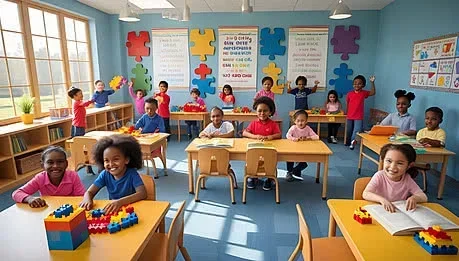
ASD stands for Autism Spectrum Disorder, a neurodevelopmental condition that affects how children learn, communicate, and interact in school. Special education settings provide tailored support to help students with ASD thrive academically and socially. Understanding ASD is the first step toward creating inclusive, effective learning environments for every child.
Key Takeaways
- ASD stands for Autism Spectrum Disorder: a broad range of developmental conditions affecting communication, behavior, and learning.
- Special education services are legally required: Schools must provide individualized support through plans like IEPs.
- Early intervention makes a big difference: Identifying ASD early leads to better outcomes in school and life.
- Classroom accommodations are key: Simple changes like visual schedules and sensory-friendly spaces help students with ASD succeed.
- Every child with ASD is unique: The spectrum is wide, and support must be tailored to each individual’s needs.
- Families play a vital role: Collaboration between parents, teachers, and therapists leads to the best results.
📑 Table of Contents
- What Does ASD Stand For in Special Education?
- How ASD Affects Learning in School
- The Role of Special Education Services for ASD
- Creating Supportive Classrooms for Students with ASD
- Early Intervention: Why Timing Matters
- Supporting Families of Children with ASD
- Key Takeaways for Educators and Parents
- Conclusion
What Does ASD Stand For in Special Education?
ASD stands for Autism Spectrum Disorder. It is a neurodevelopmental condition that affects how a person communicates, interacts with others, processes information, and experiences the world around them. In special education, ASD is one of the most common categories under which children receive tailored learning support.
The term “spectrum” is important. It means that ASD looks different in every child. Some students need very intensive support, while others thrive with minor accommodations. This is why special education programs must be flexible and individualized. No two children with ASD have the exact same experience.
In school settings, educators use the term ASD to identify students who may need additional help with communication, social skills, behavior regulation, and learning strategies. Understanding what ASD means is the first step toward helping these children reach their full potential.
When families and teachers work together to understand ASD, they create a stronger support system. This teamwork is at the heart of effective special education. Many resources exist to help everyone involved learn more and stay informed.
How ASD Affects Learning in School
Communication Challenges
Children with ASD may struggle with both verbal and nonverbal communication. Some children are nonverbal or have limited speech. Others may speak well but have difficulty understanding sarcasm, body language, or social cues. In a classroom, this can make group discussions, following instructions, and asking for help more challenging.
Teachers in special education settings often use visual aids, picture cards, and assistive technology to bridge communication gaps. These tools help students express their needs and understand lessons more clearly.
Social Interaction Difficulties
Socializing can be hard for students with ASD. They may not know how to take turns in conversation, read facial expressions, or understand unwritten social rules. This can lead to feelings of isolation or frustration during group activities and recess.
Special education programs often include social skills training. These sessions teach children how to greet peers, share, listen, and navigate playground dynamics. Role-playing exercises and social stories are common tools used by educators.
Sensory Processing Differences
Many children with ASD experience sensory processing differences. Lights may feel too bright. Sounds may seem too loud. Certain textures in clothing or food may be unbearable. These sensory challenges can make a typical school day overwhelming.
Special education classrooms often adjust the environment to reduce sensory overload. This might mean using softer lighting, providing noise-canceling headphones, or offering fidget tools. Small changes like these can make a huge difference in a student’s ability to focus and learn.
Repetitive Behaviors and Routines
Children with ASD often rely on routines. Changes in the daily schedule can cause significant stress. Repetitive behaviors, such as hand-flapping or repeating phrases, help some children self-regulate and cope with their environment.
Teachers learn to build predictable structures into the school day. Visual schedules, clear transitions, and advance warnings about changes help students with ASD feel safe and ready to learn. Consistency is a powerful tool in special education.
The Role of Special Education Services for ASD
Special education services exist to give children with ASD the support they need to succeed. Schools are required by law to evaluate children and provide appropriate services. These services are designed to meet each child’s unique learning profile.
Individualized Education Programs (IEPs)
An IEP is a legally binding document that outlines a student’s learning goals and the support they will receive. For children with ASD, the IEP may include speech therapy, occupational therapy, behavioral support, and modified classroom assignments. The IEP team meets regularly to review progress and make adjustments.
Parents are a critical part of the IEP process. They know their child best and bring valuable insights to every meeting. A strong IEP reflects the child’s strengths, challenges, and the specific accommodations they need.
Section 504 Plans
Some students with ASD may qualify for a Section 504 Plan instead of a full IEP. A 504 Plan provides accommodations that remove barriers to learning. Examples include extra time on tests, preferential seating, or permission to use a fidget tool. These plans ensure that students with ASD have equal access to education.
Related Services and Therapies
Special education often includes a team of professionals. Speech-language pathologists help with communication skills. Occupational therapists work on fine motor skills and sensory processing. Behavioral specialists use positive reinforcement strategies to encourage desired behaviors. Together, these professionals create a comprehensive support network.
Many schools also partner with external therapists and community organizations. This collaboration ensures that students receive consistent, well-rounded support both inside and outside the classroom.
Creating Supportive Classrooms for Students with ASD
Building a classroom environment that welcomes students with ASD requires intentional effort. Small adjustments can create a space where every child feels safe, valued, and ready to learn.
Visual Supports and Structure
Visual schedules are one of the most effective tools for students with ASD. Picture-based schedules show the day’s activities in order, reducing anxiety about what comes next. Visual timers help children understand how long an activity will last.
Teachers also use visual instructions, labeled classroom areas, and color-coded systems. These supports make abstract concepts more concrete and easier to follow. When instructions are clear and visual, students with ASD can focus on learning rather than figuring out what to do.
Positive Behavior Support
Behavior is a form of communication for many children with ASD. When a student acts out, it is often because they are trying to express a need they cannot put into words. Positive behavior support focuses on understanding the reason behind the behavior and teaching replacement skills.
Instead of punishment, special education teachers use reinforcement. They reward desired behaviors with praise, tokens, or preferred activities. This approach builds confidence and encourages students to repeat positive actions.
Inclusive Practices
Inclusion means placing students with ASD in general education classrooms alongside their peers, with appropriate support. Research shows that inclusion benefits all students. It builds empathy, reduces stigma, and creates a more diverse and understanding school culture.
Successful inclusion requires planning. Teachers need training, resources, and co-teaching models that allow them to meet the needs of every learner. When done well, inclusion helps students with ASD develop social skills and academic confidence.
The Power of Language and Respect
How we talk about children with ASD matters deeply. Using respectful, person-first language helps create a culture of dignity and inclusion. Words carry weight, and the way we describe children shapes how they see themselves and how others treat them.
It is worth exploring how we use language in everyday conversations about children who are different. For instance, learning about Idioms for Someone Special can help us understand how expressions shape our perception of children who are unique. Similarly, exploring Metaphors for Someone Special and Similes for Someone Special can open our eyes to the beauty of celebrating differences through language. The words we choose in the classroom and beyond set the tone for acceptance and respect.
Early Intervention: Why Timing Matters
Early intervention is one of the most impactful things we can do for children with ASD. The earlier a child receives support, the better their outcomes tend to be in school and in life.
Signs to Watch For
Parents and caregivers should pay attention to developmental milestones. Some early signs of ASD include limited eye contact, lack of response to their name, delayed speech, and difficulty with back-and-forth play. Some children may also have intense interests in specific topics or become very upset by changes in routine.
It is important to remember that every child develops at their own pace. However, if you notice persistent signs, it is worth talking to a pediatrician or early childhood specialist. Early screening can lead to early support, which makes a significant difference.
Early Childhood Education Programs
Many communities offer early intervention programs for children ages birth to five. These programs provide therapy, family support, and developmental assessments. Preschool special education services can lay a strong foundation for a child’s academic journey.
Research consistently shows that children who receive early intervention make faster progress in communication, social skills, and adaptive behavior. The brain is most flexible during the early years, making this the ideal time for targeted support.
Transition Planning
As children with ASD grow, their needs change. Transition planning helps students move smoothly from one stage to the next, whether that is from preschool to elementary school or from high school to adulthood. Good transition planning includes career exploration, life skills training, and connections to community resources.
Special education teams work closely with families to plan these transitions. The goal is to ensure that every student has the skills and support they need to thrive at every stage of life.
Supporting Families of Children with ASD
A diagnosis of ASD affects the whole family. Parents may feel overwhelmed, confused, or even relieved to finally have answers. Whatever the reaction, families need support and information to navigate the special education system effectively.
Navigating the System
The special education process can feel complex. There are evaluations, meetings, paperwork, and legal rights to understand. Parents should know that they are their child’s strongest advocate. Learning about the IEP process, knowing your rights under IDEA (Individuals with Disabilities Education Act), and asking questions are all essential steps.
Many organizations offer free resources and workshops for families. Support groups connect parents with others who understand their journey. These communities provide emotional support, practical advice, and hope.
The Emotional Journey
Raising a child with ASD comes with unique joys and challenges. Parents often develop incredible patience, creativity, and resilience. They also need time for self-care and emotional support. Schools can help by maintaining open communication, celebrating the child’s strengths, and treating parents as partners in education.
Change is a part of every family’s journey. Learning about coping with transitions, such as through understanding Idioms for Change in Life, can offer families new perspectives on navigating the shifts that come with raising a child with ASD. These expressions remind us that change, while difficult, can also bring growth and new possibilities.
Key Takeaways for Educators and Parents
Understanding ASD in special education is an ongoing process. Here are the most important points to remember:
- ASD is a spectrum: Every child with ASD is different and needs individualized support.
- Special education services are essential: IEPs and 504 Plans provide the legal framework for support.
- Early intervention leads to better outcomes: The sooner support begins, the greater the impact.
- Classroom accommodations matter: Visual supports, sensory adjustments, and structured routines help students succeed.
- Respectful language is powerful: How we talk about children shapes their self-image and our school culture.
- Families are partners: Collaboration between parents and educators creates the best results for children.
- Inclusion benefits everyone: Welcoming students with ASD into general education classrooms builds empathy and understanding for all students.
The journey of supporting a child with ASD is not a solo effort. It takes a village of dedicated teachers, therapists, family members, and community members. When we all work together, we create schools where every child can learn, grow, and belong.
Conclusion
ASD stands for Autism Spectrum Disorder, and understanding this term is the foundation of effective special education. Children with ASD learn differently, and they deserve classrooms, teachers, and support systems designed with their unique needs in mind. From IEPs to sensory-friendly environments, from early intervention to family partnerships, every piece of the puzzle matters.
When we take the time to understand ASD, we open doors for children to succeed in ways they never thought possible. The progress these students make, with the right support, is truly inspiring. Every small accommodation, every patient conversation, and every inclusive classroom adds up to a lifetime of opportunity.
If you are a parent, teacher, or caregiver, your role is incredibly important. Keep learning, keep advocating, and keep believing in every child’s potential. The world becomes a better place when we make room for all kinds of minds to shine.
Frequently Asked Questions
What does ASD stand for in special education?
ASD stands for Autism Spectrum Disorder. In special education, it refers to a range of neurodevelopmental conditions that affect communication, social interaction, behavior, and learning. Students with ASD receive tailored support through IEPs, 504 Plans, and specialized classroom strategies.
How is ASD diagnosed in children?
ASD is typically diagnosed through a combination of developmental screenings, behavioral assessments, and professional evaluations. Pediatricians, psychologists, and developmental specialists work together to observe the child’s communication, social skills, and behavior. Early diagnosis allows for earlier intervention, which significantly improves outcomes.
What accommodations help students with ASD in the classroom?
Common accommodations include visual schedules, sensory-friendly spaces, extra time on assignments, preferential seating, assistive technology, and clear, step-by-step instructions. Teachers may also use social stories, positive behavior reinforcement, and structured routines to help students with ASD feel secure and focused.
Can children with ASD succeed in general education classrooms?
Yes, many children with ASD thrive in inclusive general education settings with the right support. Accommodations, co-teaching models, and trained staff help these students access the curriculum and build social connections. Inclusion benefits not only the student with ASD but also their peers and the overall school culture.
What is the difference between an IEP and a 504 Plan for a child with ASD?
An IEP provides individualized instruction, specialized services, and measurable goals, while a 504 Plan focuses on accommodations that remove barriers to learning in a general education setting. Children with more significant needs typically require an IEP, while those who need minor adjustments may qualify for a 504 Plan.
How can parents support a child with ASD at home?
Parents can create structured routines, use visual supports like picture schedules, practice social skills through role-play, and celebrate small victories. Building a calm, predictable home environment and maintaining open communication with teachers and therapists helps reinforce progress made at school.


