
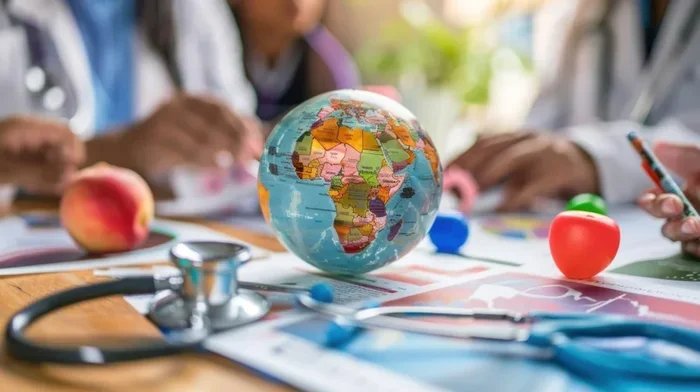
Many countries provide free healthcare and education to residents and citizens. From Scandinavian nations to developing economies, what countries have free healthcare and education is a question that reveals a world of opportunity. These nations invest heavily in public services, ensuring that quality medical care and learning are accessible to all. Understanding how these systems work can inspire policy changes and personal choices. Explore the top destinations and see if free services are within reach.
When you hear about free healthcare and education, you might picture faraway lands with generous governments. The truth is, many nations around the world have made these essentials free for their people. From the icy fjords of Scandinavia to the warm beaches of Latin America, what countries have free healthcare and education spans a diverse list. These countries prove that investing in people pays off in healthier, more prosperous societies.
Understanding these systems is not just trivia. It can shape your travel plans, study abroad dreams, or even your own policy views. Free healthcare means no medical bills when you visit a doctor. Free education means no tuition fees from primary school through university. Together, they create a safety net that lifts entire communities. Let us dive into the countries that make this possible.
Key Takeaways
- Universal Access: Many countries guarantee free healthcare and education as a fundamental right.
- Scandinavian Leaders: Nations like Sweden and Denmark consistently rank high for free public services.
- Funding Models: These systems rely on taxes and government spending, not user fees.
- Global Variety: Free services exist in Europe, Asia, Latin America, and Africa.
- Quality Matters: Free does not mean low quality; many systems deliver excellent outcomes.
- Practical Tips: Knowing how to navigate these systems helps residents and visitors alike.
📑 Table of Contents
- What Does “Free Healthcare and Education” Really Mean?
- Top Countries Offering Free Healthcare and Education
- How These Countries Fund Free Services
- Quick Tips for Navigating Free Systems
- Common Mistakes People Make When Researching Free Services
- Expert Insights: The Real Impact of Free Systems
- Comparison Table: Free Healthcare and Education by Region
- Conclusion
What Does “Free Healthcare and Education” Really Mean?
The term “free” can be misleading. Nothing is truly free; someone pays for it. In these countries, the cost comes from taxes and government budgets. Residents do not pay directly at the point of service. This model is often called universal healthcare or public education. It ensures that everyone, regardless of income, can access care and learning.
Free healthcare covers doctor visits, hospital stays, and sometimes dental care. Free education includes primary, secondary, and often tertiary levels. Some nations also offer tuition-free universities. The goal is to remove financial barriers. This creates a more equal society where talent, not money, determines success.
How Is “Free” Funded?
Governments fund these services through high tax revenues. Citizens pay income tax, sales tax, and social contributions. In return, they receive comprehensive public services. This trade-off is a conscious choice. People accept higher taxes in exchange for security and opportunity. The result is a welfare state that prioritizes human capital.
Top Countries Offering Free Healthcare and Education
Many countries with free healthcare and education stand out globally. They offer high-quality services without direct fees. Here are some of the best examples.
Scandinavian Nations
Sweden, Denmark, Norway, and Finland lead the way. They provide free healthcare funded by taxes. Citizens visit doctors and hospitals without bills. Education is tuition-free from kindergarten through university. These nations consistently rank high in global happiness and equality.
In Sweden, the free education system includes vocational training. In Denmark, universal healthcare covers everything from check-ups to surgeries. These countries show that what countries have free healthcare and education can include some of the world’s most advanced systems.
European Continental Countries
Germany and France offer free or very low-cost healthcare. Education is tuition-free even at public universities. In Germany, students pay only a small semester fee. France combines public education with a robust health safety net. These models prove that free services work beyond the Nordics.
Latin American Models
Cuba is famous for its free healthcare and education system. The government provides universal medical care and free schooling at all levels. Argentina and Brazil also guarantee free public education and universal healthcare. While resources may vary, the commitment to access is strong. These nations show that free services exist in diverse economic contexts.
Asian and African Examples
Sri Lanka has offered free healthcare since the 1940s. Education is also tuition-free from primary to university. In Africa, Ghana provides free universal healthcare through the National Health Insurance Scheme. These examples remind us that what countries have free healthcare and education is not limited to wealthy nations.
How These Countries Fund Free Services
Understanding the funding helps answer the question of sustainability. Most countries with free healthcare and education use a mix of tax models. Here is how they do it.
Tax-Based Funding
Income taxes and value-added taxes (VAT) generate the bulk of revenue. Citizens pay a percentage of their earnings. Sales taxes add a little extra on every purchase. This pool of money funds hospitals and schools. The system works because everyone contributes according to their means.
Government Budget Allocation
Governments prioritize spending on social services. They allocate a large share of the national budget to health and education. This often means less spending on defense or subsidies. The trade-off is deliberate. Leaders believe that healthy, educated citizens drive long-term growth.
Social Health Insurance
Some countries use mandatory social insurance. Workers and employers contribute to a health fund. This fund pays for medical services. Education remains tuition-free through general taxation. Germany uses this hybrid model successfully.
Quick Tips for Navigating Free Systems
If you live in or visit a country with free healthcare and education, a few tips help. First, always carry your ID or residence card. It proves your right to universal healthcare and public education. Second, learn the local language. Even in English-friendly places, medical forms and school communications are often in the local tongue.
Third, understand that “free” does not mean “instant.” Wait times can exist for non-emergency care. For education, tuition-free spots may still require entrance exams or applications. Finally, take advantage of preventive services. Free healthcare includes check-ups that keep you healthy and save money in the long run.
A Note for Students
Many tuition-free universities welcome international students. Norway, for example, charges no tuition for any student. Germany also offers tuition-free public universities for foreigners. You still need to cover living costs. But the lack of tuition makes these destinations incredibly attractive. Just as idioms for education help us express complex ideas simply, these countries simplify the path to knowledge.
Common Mistakes People Make When Researching Free Services
One common mistake is assuming all free healthcare is identical. Quality and coverage vary. Some systems offer universal healthcare that includes dental and vision. Others focus only on basic medical needs. Another mistake is thinking free education means no costs at all. Students often pay for books, materials, or housing. Tuition-free does not mean cost-free.
People also confuse “free” with “low quality.” In reality, many countries with free healthcare and education deliver excellent outcomes. The World Health Organization ranks several public healthcare systems among the best globally. Do not let myths stop you from exploring these opportunities. Just as similes for education make comparisons vivid, the contrast between paid and free systems is striking.
Overlooking Residency Requirements
Free services often require legal residency or citizenship. Tourists usually do not qualify for universal healthcare. International students may pay fees in some countries. Always check the specific rules. Understanding these details prevents frustration later.
Expert Insights: The Real Impact of Free Systems
Experts agree that free healthcare and education boost social mobility. When people access services without debt, they invest more in their futures. Tuition-free universities produce graduates who contribute to the economy without student loans. Universal healthcare reduces financial hardship from medical emergencies.
Studies show that countries with free public education have higher literacy rates. Nations with free healthcare enjoy longer life expectancies. The welfare state model creates a virtuous cycle. Healthy citizens work more productively. Educated citizens innovate and lead. The phrase what countries have free healthcare and education is really asking which nations prioritize people over profit.
As the metaphors for education remind us, learning is a journey that transforms lives. These countries build that journey without toll booths.
Comparison Table: Free Healthcare and Education by Region
| Region | Healthcare Model | Education Model | Key Example |
|---|---|---|---|
| Scandinavia | Tax-funded universal care | Tuition-free K-PhD | Sweden, Denmark |
| Western Europe | Social insurance or tax-funded | Tuition-free universities | Germany, France |
| Latin America | Public universal systems | Free public schools | Cuba, Argentina |
| Asia | Mixed public-private | Free primary and secondary | Sri Lanka |
| Africa | National health insurance | Free primary education | Ghana |
This table shows the diversity of free services across the globe. Every region has its own approach. The common thread is the commitment to accessible public services.
Conclusion
The question what countries have free healthcare and education opens a window into global generosity. From the Nordic welfare states to the public universities of Germany, many nations prove that free healthcare and free education are achievable. These systems rely on smart funding and political will. They create societies where opportunity is not a luxury.
Whether you are a student seeking tuition-free universities or a traveler curious about universal healthcare, the world offers inspiring models. Understanding these systems empowers you to make informed choices. The next time you hear about a country with free public education and universal healthcare, you will know exactly what that means. Embrace the knowledge and share it with others.
Frequently Asked Questions
Which country has completely free healthcare and education?
Cuba offers completely free healthcare and education at all levels. The government funds both through public revenue. Residents receive medical care and schooling without any direct charges.
Is healthcare really free in Scandinavian countries?
Yes, healthcare is free at the point of use in Sweden, Denmark, Norway, and Finland. Citizens pay for it through taxes. There are no bills when visiting a doctor or hospital.
Can international students study for free in Europe?
Many European countries offer tuition-free education for international students. Norway charges no tuition for any student. Germany also provides tuition-free public universities for foreigners.
Do all countries with free education have free healthcare?
Not always. Some countries offer free education but have mixed healthcare systems. Others provide free healthcare but charge for higher education. The combination varies by nation.
Why do some countries choose to offer free services?
They believe that free healthcare and education create a more equal society. These investments lead to a healthier, more productive workforce. It is a policy choice to prioritize human well-being over profit.
What are the downsides of free healthcare and education?
Funding requires high taxes, which can burden citizens. Wait times for non-emergency care can be long. Quality may vary between urban and rural areas. Still, most citizens in these systems report high satisfaction.


