
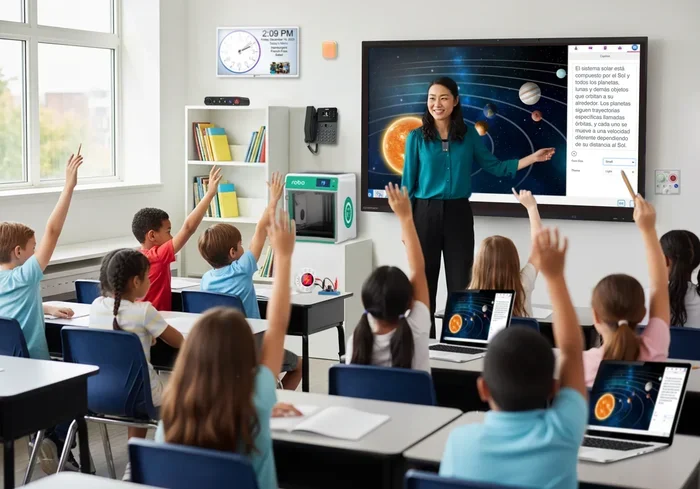
Digital learning is transforming how schools teach and how students learn. From virtual classrooms to personalized lessons, digital learning is changing education in big ways. Schools are adopting new edtech tools to boost student engagement and improve outcomes. This shift brings exciting opportunities but also real challenges that educators must face.
Key Takeaways
- Digital learning is reshaping traditional classrooms with interactive tools and online resources.
- Personalized learning paths let students progress at their own pace using digital platforms.
- Teachers are becoming facilitators rather than just lecturers, thanks to educational technology.
- Challenges like screen time and access gaps need smart solutions for school modernization.
- The future of education will blend online and in-person learning for the best results.
- Digital literacy is now a must-have skill for every student entering the modern world.
📑 Table of Contents
- How Digital Learning Will Change Schools and Education
- The Big Ways Digital Learning Is Transforming Classrooms
- The Benefits of Digital Learning for Students
- Challenges Schools Face with Digital Learning
- The Role of Teachers in a Digital-First World
- What the Future of Digital Learning in Schools Looks Like
- Comparing Traditional and Digital Learning
- How Schools Can Successfully Implement Digital Learning
- Quick Tips for Parents Supporting Digital Learning at Home
- Final Thoughts
How Digital Learning Will Change Schools and Education
Digital learning is no longer a futuristic idea. It is happening right now in classrooms around the world. Schools are swapping old textbooks for tablets. Teachers are using online platforms to reach students in new ways. And students are thriving in environments that were unimaginable just ten years ago. This shift is not a trend. It is a full-blown digital transformation of how we teach and learn.
So what does this mean for the average student, parent, or teacher? In this article, we will break down exactly how digital learning is changing schools and education. We will look at the benefits, the challenges, and what experts think comes next. By the end, you will have a clear picture of where education is headed.
What Does Digital Learning Actually Mean?
Digital learning refers to any form of learning that uses technology. This can include online courses, virtual classrooms, learning management systems, and even interactive apps. It is broader than just remote learning. Digital learning covers everything from a student watching a video lesson at home to a full smart classroom equipped with interactive boards and real-time feedback tools.
The goal is simple. Use technology to make learning more accessible, engaging, and effective. When done right, digital tools help students understand difficult concepts faster. They also give teachers powerful ways to track progress and adjust lessons on the fly.
The Big Ways Digital Learning Is Transforming Classrooms
Classrooms are changing fast. The traditional model of a teacher standing at a chalkboard and students taking notes is evolving. Digital learning is driving this change in several major ways.
1. Personalized Learning Paths
One of the biggest advantages of digital learning is personalization. In a traditional classroom, one teacher must teach 30 students at the same pace. This does not work for everyone. Some students need more time. Others are ready to move ahead.
Digital platforms solve this problem. They use data and algorithms to create personalized learning paths for each student. A child who struggles with fractions can get extra practice. A child who has already mastered fractions can move on to decimals. This kind of adaptive learning was impossible in the old model.
2. Interactive and Multimedia Lessons
Gone are the days when learning meant reading a chapter and answering questions at the end. Today, digital learning brings lessons to life. Students can watch animations, explore virtual labs, and even take virtual field trips to places they could never visit in person.
These interactive learning experiences boost student engagement dramatically. When students are actively involved, they remember more. They also develop a genuine love for learning that goes beyond the classroom.
3. Real-Time Feedback and Assessment
Traditional testing often comes too late. By the time a teacher grades a paper and returns it, the learning moment has passed. Digital tools change this. They provide instant feedback on quizzes, assignments, and activities.
Teachers can also use learning analytics to spot trends. They can see which topics the class struggles with and adjust their teaching accordingly. This makes online assessment a powerful tool for both students and educators.
The Benefits of Digital Learning for Students
Digital learning offers many clear benefits for students of all ages. Let us look at some of the most important ones.
Flexibility and Access
Digital learning breaks down geographic barriers. A student in a rural area can access the same quality of education as a student in a major city. This is a huge step forward for educational equity.
Students can also learn at times that work best for them. Night owls can study late. Early birds can tackle lessons in the morning. This flexibility makes e-learning a great fit for many different lifestyles and needs.
Building Future-Ready Skills
When students use digital tools every day, they develop digital literacy. This is a skill set that employers value highly. Students learn how to navigate online platforms, collaborate in virtual spaces, and think critically about digital information.
These are not just tech skills. They are life skills. In a world where almost every job uses some form of technology, digital literacy gives students a real advantage.
Boosting Creativity and Collaboration
Digital learning encourages students to create, not just consume. They can make videos, build websites, design presentations, and collaborate on projects in real time. Tools like shared documents and collaborative platforms teach teamwork in a modern context.
This kind of hands-on, creative work prepares students for the modern workforce. It also makes learning more fun and meaningful.
Challenges Schools Face with Digital Learning
Let us be honest. Digital learning is not perfect. Schools face real challenges as they try to integrate more technology into education. Ignoring these challenges will not make them go away.
The Digital Divide
Not every student has access to a reliable internet connection or a personal device. This gap, often called the digital divide, is one of the biggest obstacles to digital learning adoption.
Schools and governments must work together to close this gap. Programs that provide devices and broadband access to underserved communities are a step in the right direction. Without solving this problem, digital learning risks widening inequality instead of reducing it.
Screen Time and Student Wellbeing
Too much screen time is a real concern. Parents and educators worry about the impact of long hours in front of devices. Eye strain, mental fatigue, and reduced physical activity are all valid worries.
The key is balance. Schools should blend digital learning with hands-on activities, outdoor play, and face-to-face interaction. Blended learning models offer a practical solution here.
Teacher Training and Support
Many teachers did not grow up with digital tools in the classroom. Learning to use new edtech platforms takes time and effort. Schools must invest in proper teacher training and ongoing support.
Without this investment, even the best technology in education will fail. Teachers need to feel confident and comfortable before they can effectively guide students through digital learning experiences.
The Role of Teachers in a Digital-First World
Digital learning does not replace teachers. It changes their role. In a digital classroom, teachers are no longer just lecturers. They become facilitators, mentors, and guides.
Teachers now spend more time one-on-one with students. They focus on critical thinking, emotional intelligence, and problem-solving skills. These are areas where technology cannot replace human connection.
Think of it this way. Technology handles the information delivery. The teacher handles the deeper, more personal aspects of education. This partnership between human and machine is the heart of modern school modernization.
What This Means for Teacher Training Programs
Teacher training programs are evolving too. Future educators now learn how to design digital lessons, manage virtual classrooms, and use data-driven insights to improve outcomes. These skills are becoming just as important as traditional teaching methods.
What the Future of Digital Learning in Schools Looks Like
The future of education is exciting and full of possibility. Here are some trends that will shape digital learning in the years ahead.
Artificial Intelligence in Education
AI-powered tools are already making waves in education. These tools can adapt to each student’s level, suggest resources, and even grade assignments. As AI in education continues to grow, it will make personalized learning even more precise and effective.
Gamification and Game-Based Learning
Gamification turns lessons into games. Students earn points, unlock levels, and compete with classmates. This approach taps into the natural desire for play and achievement. It makes digital learning more fun and keeps student engagement high.
Augmented and Virtual Reality
Imagine a history lesson where students can walk through ancient Rome. Or a biology class where they can explore the human body from the inside. AR and VR technology is making these experiences possible. They add a whole new dimension to interactive learning.
Comparing Traditional and Digital Learning
To understand the shift clearly, it helps to compare the two models side by side.
| Aspect | Traditional Learning | Digital Learning |
|---|---|---|
| Pace | One-size-fits-all | Personalized and adaptive |
| Resources | Textbooks and worksheets | Multimedia, videos, and apps |
| Feedback | Delayed (after grading) | Instant and real-time |
| Collaboration | In-person only | In-person and virtual |
| Access | Limited by location | Available anywhere with internet |
| Engagement | Teacher-dependent | Interactive and multimedia-driven |
As you can see, digital learning brings clear advantages. But the best approach often combines the strengths of both models. This is the essence of blended learning, and it is where education is heading.
How Schools Can Successfully Implement Digital Learning
Switching to digital learning is not just about buying devices. It requires a thoughtful, strategic approach. Here are some practical tips for schools that want to make the transition smoothly.
Start Small and Scale Up
Do not try to change everything at once. Start with one digital tool or platform. Let teachers and students get comfortable with it. Then gradually expand. This step-by-step approach reduces resistance and builds confidence.
Involve Everyone in the Process
Successful digital transformation includes teachers, students, parents, and administrators. Everyone should have a voice in the process. When people feel heard, they are more likely to support the change.
Focus on Pedagogy First, Technology Second
The best edtech tools will not fix poor teaching. Schools should focus on pedagogy first. Technology should enhance good teaching, not replace it. This principle should guide every digital learning decision.
Quick Tips for Parents Supporting Digital Learning at Home
- Create a dedicated study space free from distractions.
- Set a daily routine that balances screen time with offline activities.
- Stay involved by checking in on your child’s progress regularly.
- Encourage curiosity and exploration beyond the digital curriculum.
- Talk to teachers about any concerns you have about screen time or engagement.
Final Thoughts
Digital learning is fundamentally changing schools and education. It is making learning more personal, more engaging, and more accessible than ever before. But it is not a magic fix. It requires thoughtful planning, strong support, and a commitment to equity.
Schools that embrace this change wisely will prepare their students best for the future. The key is to use technology in education as a tool to enhance human connection and deepen understanding. When we get that balance right, digital learning has the power to transform lives.
If you are curious about how language and learning intersect, check out our guides on similes for education, metaphors for education, and similes for learning. These resources can add creative depth to any digital learning curriculum.
What Is the Main Difference Between Digital Learning and Online Learning?
Digital learning is a broad term that includes any learning that uses technology. Online learning is a subset of that, specifically referring to learning delivered over the internet. Digital learning can happen in a physical classroom with digital tools, while online learning typically means learning from a remote location.
Will Teachers Become Obsolete Because of Digital Learning?
Absolutely not. Teachers remain essential. Digital learning changes their role from lecturer to facilitator. Teachers provide the human connection, mentorship, and emotional support that no technology can replicate. They are more important than ever in a digital classroom.
Is Digital Learning Suitable for All Age Groups?
Yes, digital learning can be adapted for all ages. Young children benefit from interactive games and videos. Older students thrive with self-paced platforms and collaborative tools. The key is choosing age-appropriate digital tools and balancing screen time with other activities.
How Can Schools Bridge the Digital Divide?
Schools can bridge the digital divide by partnering with local governments and nonprofits. Programs that provide affordable devices and broadband access are critical. Schools can also set up community learning hubs where students without home internet can still participate in digital learning.
What Are the Best Digital Learning Platforms for Schools?
Popular platforms include Google Classroom, Canvas, Schoology, and Moodle. The best choice depends on the school’s needs, budget, and technology infrastructure. Teachers should also receive proper training on whichever platform they choose to ensure effective online assessment and student engagement.
How Does Digital Learning Impact Student Motivation?
Digital learning often boosts motivation through interactive content, instant feedback, and personalized paths. When students see their progress in real time, they feel a sense of accomplishment. This gamification element and the freedom to learn at their own pace help keep student engagement high and make learning feel less like a chore.
Frequently Asked Questions
What is how is digital learning going to change schools and education?
how is digital learning going to change schools and education is an important topic with many practical applications.


