
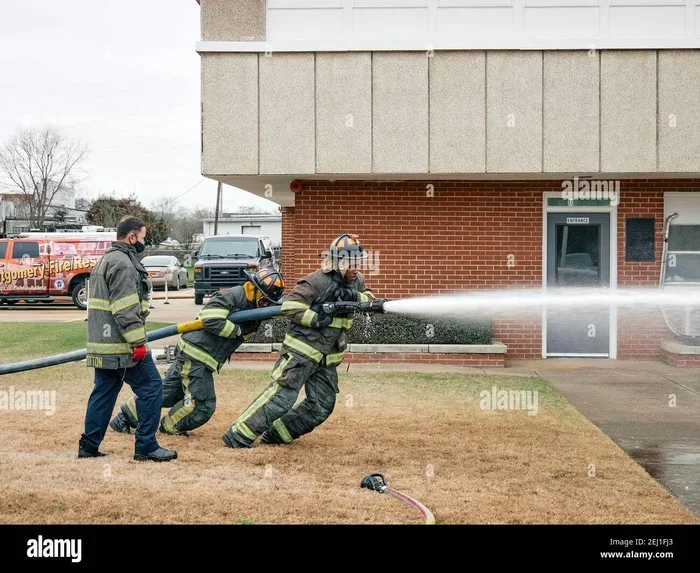
Becoming a firefighter requires a mix of formal education, hands-on training, and certifications. Most fire departments expect at least a high school diploma, but many now prefer or require fire science education, EMT certification, or an associate degree. The good news? You can start with minimal schooling and build your qualifications step by step. This guide walks you through every educational requirement for firefighters so you know exactly what to do next.
Few careers carry the same level of respect and purpose as firefighting. Every day, firefighters rush into dangerous situations to protect lives and property. But before you can wear that helmet, you need the right education and training. Understanding what education does a firefighter need is the first real step toward landing that dream job.
The path to becoming a firefighter is not as simple as signing up and showing up. Fire departments across the country set specific educational requirements that candidates must meet. These requirements vary by state, city, and even individual department. Some departments want only a high school diploma. Others look for candidates with college-level coursework in fire science or emergency medical services.
This guide breaks down every layer of the firefighter education pathway. Whether you are just starting out or looking to advance your career, you will find clear, practical information here. Think of it as your roadmap to understanding exactly what schools, certifications, and training programs you need.
Key Takeaways
- High school diploma or GED: This is the bare minimum most fire departments accept.
- Fire academy training: Required by nearly every department and covers hands-on firefighting skills.
- EMT or Paramedic certification: Many departments require or strongly prefer this credential.
- Associate or Bachelor degree in fire science: Helps you stand out and opens doors to higher-paying roles.
- Continuing education: Keeps your skills sharp and supports career advancement into officer positions.
- Physical fitness and background checks: Education alone is not enough; you must also meet strict physical and personal standards.
📑 Table of Contents
- Why Education Matters for Firefighters
- Minimum Educational Requirements to Become a Firefighter
- Fire Academy Training: The Hands-On Core
- Degrees That Help Firefighters Stand Out
- Continuing Education and Career Growth
- Common Mistakes Aspiring Firefighters Make
- Expert Insights: What Hiring Committees Look For
- Final Thoughts
Why Education Matters for Firefighters
You might wonder why education even matters for a job that is so hands-on. The truth is, modern firefighting demands far more than just physical strength. Today’s firefighters respond to medical emergencies, hazardous material spills, technical rescues, and complex building fires. All of these situations require deep knowledge and quick thinking.
Education gives firefighters the foundation they need to make smart decisions under pressure. When you understand fire behavior, building codes, and human anatomy, you perform better on the scene. Many fire departments now treat firefighter qualifications the same way they treat education requirements for other professional careers.
Think of it this way. A strong educational background helps you learn faster, adapt to new techniques, and lead others more effectively. Fire departments want people who invest in their own growth. They see education as a sign of commitment and professionalism. That is why what education does a firefighter need has expanded so much over the past decade.
Also, the competition for firefighting jobs is fierce. In many areas, hundreds of applicants compete for a single open position. Having extra education can set you apart from the crowd. It shows hiring committees that you take this career seriously and that you are willing to go the extra mile.
Minimum Educational Requirements to Become a Firefighter
High School Diploma or GED
Almost every fire department requires at least a high school diploma or GED. This is the absolute baseline. Without it, most departments will not even consider your application. If you do not have a diploma, earning your GED should be your very first priority.
During high school, focus on classes like mathematics, physics, English, and physical education. These subjects build skills you will use daily as a firefighter. Math helps you calculate water pressure and hose lengths. Physics helps you understand how fire spreads. English helps you write clear reports and communicate with your team.
Additional Helpful High School Courses
While you are in high school, certain elective courses can give you a head start:
- Health sciences: Introduces basic anatomy and emergency care concepts.
- Woodshop or mechanical drawing: Builds hands-on problem-solving skills.
- Computer technology: Fire departments use digital dispatch systems and mapping tools.
- First aid or CPR courses: Many schools offer these. They look great on your application.
Some students even explore concepts like similes for education to better understand how learning compares to real-world skill building. Education is a lot like building a strong ladder, rung by rung, each step preparing you for the next challenge.
Fire Academy Training: The Hands-On Core
No matter how much classroom education you have, you must complete a fire academy. This is where the real transformation happens. Fire academy programs teach you the practical skills you need to fight fires, rescue people, and handle dangerous situations safely.
Most fire academies run between 12 and 16 weeks. They combine classroom instruction with intense physical training. You will learn how to use axes, ladders, hoses, and breathing apparatuses. You will practice search-and-rescue techniques in smoke-filled buildings. You will also study fire behavior, building construction, and incident command systems.
Many community colleges and technical schools offer fire academy programs. These programs often award a certificate upon completion. Some departments run their own academies, which means you only get hired after you finish training. Either way, fire academy is non-negotiable. It is the heart of what education does a firefighter need.
What to Expect During Fire Academy
Fire academy is demanding. Here is a realistic look at what the experience involves:
- Physical conditioning: You will run, climb stairs, carry heavy equipment, and train in full protective gear.
- Classroom learning: Topics include fire chemistry, ventilation techniques, hazardous materials awareness, and emergency medical care.
- Live burn exercises: You will practice fighting real fires in controlled environments.
- Team drills: Firefighting is a team sport. You will learn to work seamlessly with your crew.
- Written and practical exams: You must pass both to graduate.
Fire academy also teaches you the importance of discipline, teamwork, and mental toughness. These qualities matter just as much as any textbook knowledge. Many successful firefighters say their academy experience shaped them more than any classroom ever did.
Degrees That Help Firefighters Stand Out
A high school diploma and fire academy certificate can get you hired at many departments. But if you want to advance faster, earn higher pay, or qualify for specialized roles, a college degree makes a big difference.
Associate Degree in Fire Science
An associate degree in fire science typically takes two years to complete. It covers topics like fire prevention, fire investigation, emergency management, and public fire safety education. Many community colleges offer this program, and some even allow you to combine it with fire academy training.
An associate degree signals to hiring managers that you are serious about your career. It also prepares you for fire officer certification programs, which are required for promotion to lieutenant and captain ranks.
Bachelor Degree in Fire Science or Fire Administration
A bachelor degree takes four years and opens even more doors. This level of education is ideal for those who want to move into fire administration, fire inspection, or fire investigation roles. Some departments promote faster to battalion chief or fire marshal positions when candidates hold a bachelor’s degree.
Bachelor programs often include coursework in leadership, public administration, and advanced fire behavior. They also teach you how to manage fire departments and design community safety programs. Think of metaphors for education as a way to understand the bigger picture: education is like a foundation, and the higher you build it, the more you can construct on top of it.
Other Useful Degrees and Certifications
Beyond fire science, several other degrees and certifications boost your profile:
- EMT (Emergency Medical Technician): Required by most departments. You learn basic life support skills.
- Paramedic: Goes beyond EMT and allows you to provide advanced medical care on the scene.
- Hazardous Materials (HazMat) Certification: Teaches you how to handle chemical spills and toxic situations.
- Fire Investigation Certification: Prepares you to determine the origin and cause of fires.
Each of these credentials adds value to your application. They show that you have invested time and effort into becoming a well-rounded firefighter.
Continuing Education and Career Growth
Getting hired is just the beginning. Firefighters must pursue continuing education throughout their careers. Fire codes change. New equipment arrives. Medical protocols evolve. Staying current on all of these updates keeps you effective and safe.
Most departments require firefighters to complete a certain number of continuing education hours each year. These hours might cover topics like advanced rescue techniques, leadership development, or new hazardous materials regulations. Some firefighters go on to earn additional degrees while working, using tuition assistance programs offered by their departments.
Continuing education also fuels career growth. If you want to become a fire chief or fire commissioner, advanced education is almost always required. Think of idioms for education to remember this truth: education is a journey, not a destination. The more you learn, the further you can go.
Specialized Career Paths That Require Extra Education
Firefighting offers many specialized roles, and most of them require additional training:
- Fire Investigator: Often requires certification in fire investigation and sometimes a degree in forensic science.
- Fire Marshal: Focuses on fire code enforcement and prevention. Usually requires several years of experience plus additional education.
- Fire Instructor: Teaches new recruits at the fire academy. Requires expert-level knowledge and often a teaching credential.
- HazMat Specialist: Handles dangerous materials incidents. Requires advanced HazMat training and certification.
- Fire Safety Inspector: Inspects buildings for fire code compliance. Requires knowledge of local and national fire codes.
Each of these paths starts with the same basic education but grows from there. The more you learn, the more options open up for you.
Common Mistakes Aspiring Firefighters Make
Many people dream of becoming firefighters but make avoidable mistakes along the way. Here are some of the most common ones:
Skipping the EMT requirement. Some candidates focus only on fire training and forget that most departments require EMT certification. Get your EMT credentials first whenever possible.
Neglecting physical fitness. Education is important, but so is your body. Fire departments test candidates with rigorous physical agility exams. You must train for strength, endurance, and flexibility.
Waiting too long to apply. Some people spend years studying but never actually apply to departments. Start the application process early. Gain volunteer experience if you can. Every hour of service counts.
Ignoring the written exam. Many departments use written tests as part of the hiring process. These tests cover reading comprehension, mechanical reasoning, and situational judgment. Study for them just as hard as you study for physical tests.
Not networking with current firefighters. Talk to real firefighters. Ask them about their education paths. Learn what their departments value most. This insider knowledge can shape your entire strategy.
Avoiding these mistakes puts you ahead of many other applicants. It shows maturity and seriousness, which hiring committees notice.
Expert Insights: What Hiring Committees Look For
We spoke with several fire department captains and hiring officers to understand what they truly value in candidates. Here is what they shared:
- “We look for candidates who show up prepared.” A clean application, good test scores, and relevant certifications tell us you took this seriously from day one.
- “Education tells us about your discipline.” Completing a degree or certification program proves you can set a goal and follow through.
- “Hands-on experience matters as much as book learning.” Volunteer firefighting, ride-alongs, and internships give you real-world context that classroom learning alone cannot provide.
- “We want people who keep learning.” A candidate who already has a plan for continuing education signals long-term commitment to the profession.
These insights reinforce a simple truth: what education does a firefighter need goes far beyond a diploma. It is about building a complete package of knowledge, skills, and experience that makes you the best candidate possible.
Final Thoughts
Becoming a firefighter is one of the most rewarding career paths you can choose. But it takes real effort, dedication, and yes, education. From earning your high school diploma to completing fire academy, from getting your EMT certification to pursuing a college degree, every step matters. Each level of firefighter education prepares you for the challenges and responsibilities that come with the job.
Start where you are. Use what you have. Take the next step. Whether that means enrolling in a fire academy, signing up for EMT training, or applying to a community college fire science program, every action moves you closer to your goal. The road is demanding, but it is also full of purpose and pride. Now you know exactly what education a firefighter needs to get hired. Your next move is yours to make.
Frequently Asked Questions
What is the minimum education required to become a firefighter?
Most fire departments require at least a high school diploma or GED. However, many departments now prefer candidates who have completed fire academy training and hold EMT certification. The more education you have, the stronger your application will be.
Do I need a college degree to become a firefighter?
No, a college degree is not always required. Many firefighters get hired with just a high school diploma, fire academy training, and EMT certification. But having an associate or bachelor degree in fire science can help you stand out and advance faster in your career.
How long does fire academy training take?
Fire academy programs typically last between 12 and 16 weeks. They combine classroom learning with intense physical training and hands-on firefighting exercises. Some departments run their own academies after hiring, while others require you to complete a certified academy program beforehand.
Is EMT certification required for all firefighter jobs?
Most fire departments require or strongly prefer EMT certification. This is because firefighters respond to medical emergencies regularly. Some departments even require paramedic-level certification, especially in urban areas with high call volumes.
Can I become a firefighter without any college education at all?
Yes, you can. Many successful firefighters never attended college. They rely on a high school diploma, fire academy training, EMT certification, and strong physical fitness. However, if you want to move into fire administration or specialized roles later, college education becomes very helpful.
What continuing education do firefighters need after getting hired?
Firefighters must complete annual continuing education hours to maintain their certifications and stay current with new techniques and regulations. This might include training on new equipment, updated fire codes, advanced rescue methods, and leadership development courses.


