
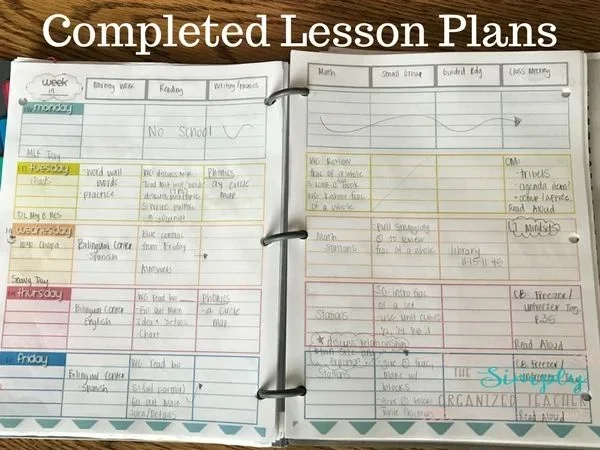
Scope and sequence are two essential parts of curriculum planning that help teachers decide what to teach and when to teach it. Scope covers the breadth of topics, while sequence sets the order of instruction. Together, they create a clear roadmap for effective teaching and student learning.
Every teacher knows the feeling of standing in front of a classroom, wondering where to start. You have a textbook, a set of standards, and a room full of eager faces. But how do you decide what to teach first? What comes next? And how do you make sure you cover everything by the end of the year?
This is where scope and sequence comes in. These two words hold the key to organized, effective curriculum planning. Whether you are a new teacher or a seasoned educator, understanding scope and sequence can change the way you approach your classroom.
In simple terms, scope tells you the what. It defines the topics, skills, and knowledge areas you need to cover. Sequence tells you the when and how. It lays out the order in which you will teach those topics. Together, they form a powerful framework that guides instructional design and supports student learning from start to finish.
Think of it like building a house. The scope is the blueprint, showing you every room and feature. The sequence is the construction schedule, telling you which walls go up first and which come last. Without both, the project falls apart. The same is true for teaching.
In this article, we will break down everything you need to know about scope and sequence in education. We will explore what each term means, why they matter, and how you can create your own plan. By the end, you will have a clear picture of how to structure your year for maximum impact.
Key Takeaways
- Scope defines the breadth and depth of topics covered in a curriculum.
- Sequence determines the logical order in which concepts are taught.
- A strong scope and sequence plan improves lesson planning and student outcomes.
- Teachers use scope and sequence to align instruction with academic standards.
- Both vertical alignment and horizontal alignment play key roles in planning.
- Common mistakes include skipping learning progression and ignoring grade level expectations.
- Using a pacing guide helps keep curriculum mapping on track throughout the year.
📑 Table of Contents
- What Is Scope and Sequence in Education?
- Why Scope and Sequence Matters for Teachers
- How to Create a Scope and Sequence
- Scope vs. Sequence: Understanding the Difference
- Examples of Scope and Sequence in the Classroom
- Common Mistakes to Avoid When Planning
- Expert Insights on Scope and Sequence
- Final Thoughts
What Is Scope and Sequence in Education?
Let us start with the basics. Scope and sequence is a planning tool used by schools and teachers to organize their curriculum. It answers two big questions: What will students learn? And in what order will they learn it?
The term scope refers to the range of content. It covers how deep and how wide your instruction goes. A broad scope means you touch on many topics. A narrow scope means you go deep into fewer topics. Both approaches have their place, depending on the subject and the grade level expectations.
The term sequence refers to the order of instruction. It ensures that foundational skills come before advanced ones. Students learn to add before they multiply. They learn simple sentences before they write essays. This learning progression builds on prior knowledge and sets students up for success.
Why These Two Concepts Work Together
Scope and sequence are not separate ideas. They are two halves of the same plan. You cannot have a good sequence without a clear scope. And a scope without a sequence is just a list of topics with no plan.
When combined, they create a curriculum map. This map shows every topic for the year and the order in which it will be taught. It helps teachers stay organized and ensures that nothing important gets skipped. It also helps administrators check that the educational framework is working as intended.
Many schools use a pacing guide alongside their scope and sequence. A pacing guide adds time frames to the plan. It says, for example, that fractions should be taught in weeks three through five of the fall semester. This keeps teachers on track and makes it easier to assess educational outcomes.
Why Scope and Sequence Matters for Teachers
If you have ever felt overwhelmed by the amount of material you need to cover, you are not alone. A well-designed scope and sequence removes the guesswork. It gives you a clear path to follow each day.
It Keeps You Organized
Teaching involves a lot of moving parts. You need to prepare lessons, grade assignments, and meet with parents. A scope and sequence plan takes the guesswork out of daily decisions. You know exactly what topic you should be teaching on any given day. This frees up mental energy for creative lesson planning and engaging activities.
It Ensures Coverage of Standards
Every state and district has academic standards that outline what students should know at each grade level. A strong scope and sequence aligns your instruction with these standards. This means you can confidently say that your teaching meets the requirements. It also makes standardized testing less stressful, because you have already covered the necessary material.
It Supports Student Growth
Learning is a step-by-step process. Students need to master basic concepts before tackling harder ones. A good sequence ensures that each lesson builds on the last. This creates a smooth learning progression that keeps students engaged and confident.
For example, in English class, students might first learn similes for education to describe their school experiences, then move on to metaphors for education as their understanding deepens, and finally explore idioms for education to grasp more nuanced language use. This kind of gradual progression is exactly what a solid sequence provides.
It Helps with Collaboration
When every teacher in a grade level follows the same plan, collaboration becomes much easier. You can share resources, compare notes, and support each other. A shared scope and sequence also makes it simpler to help students who move between schools or districts.
How to Create a Scope and Sequence
Building your own scope and sequence might sound daunting. But it does not have to be. Follow these steps to create a plan that works for you and your students.
Step 1: Review Your Standards
Start by gathering all the academic standards for your grade level or subject. These documents spell out exactly what students need to learn. Read through them carefully and highlight the key topics and skills. This list will form the backbone of your scope.
Step 2: Define Your Scope
Now it is time to decide what you will cover. Group the standards into broad topics or units. For example, in a math class, you might have units on addition, subtraction, multiplication, and division. Think about how much time you have and how deeply you need to go into each topic.
Consider the depth of knowledge required. Some standards call for basic recall, while others demand critical thinking. Make sure your scope reflects this variety. A balanced scope covers both foundational skills and higher-order thinking.
Step 3: Determine Your Sequence
Once you know what you will teach, decide the order. Start with the most foundational topics and build toward more complex ones. Ask yourself: What do students need to know before they can tackle this next skill?
Also consider the time of year. Some topics naturally fit better in certain seasons. A unit on weather patterns might work well in spring. A unit on holidays around the world might fit in December. Use these natural connections to make your sequence feel logical and engaging.
Step 4: Add Time Frames
Now attach a timeline to your plan. Decide how many weeks or days you will spend on each unit. This becomes your pacing guide. Be realistic about how much time you have. Build in buffer days for review, testing, and unexpected events.
Step 5: Review and Adjust
No plan is perfect from the start. After your first few weeks of teaching, look at what is working and what is not. Are your students grasping the material quickly? Do you need more time on a certain topic? Adjust your curriculum mapping as needed. Flexibility is key to a successful scope and sequence.
Scope vs. Sequence: Understanding the Difference
These two terms often get used together, but they mean different things. Understanding the distinction helps you use each one more effectively.
| Aspect | Scope | Sequence |
|---|---|---|
| Definition | The range of topics and skills to be taught | The order in which topics are taught |
| Focus | What is taught | When and how it is taught |
| Goal | Ensure comprehensive coverage | Ensure logical progression |
| Example | Covering all fractions standards in a year | Teaching equivalent fractions before adding fractions |
| Tool | Curriculum map | Pacing guide |
Think of scope as the big picture and sequence as the step-by-step plan. Both are essential. A scope without a sequence is like a pile of books with no reading order. A sequence without a scope is like a reading list with no idea how many books there are.
Vertical Alignment and Horizontal Alignment
Two important concepts in scope and sequence planning are vertical alignment and horizontal alignment. Vertical alignment looks at how skills build across grade levels. It ensures that what students learn in third grade prepares them for fourth grade. Horizontal alignment ensures that all teachers within the same grade level are teaching the same topics at the same time.
Both types of alignment make the educational framework stronger. They prevent gaps in learning and reduce overlap. When done well, students experience a smooth and consistent journey through their education.
Examples of Scope and Sequence in the Classroom
Theory is great, but seeing real examples helps bring it all together. Let us look at a few scenarios.
Elementary Math
In a typical elementary math scope and sequence, the year might start with counting and number recognition. Next comes addition and subtraction. Then multiplication and division. Fractions might be introduced in the middle of the year, with more complex operations toward the end. Each unit builds on the one before it, creating a clear learning progression.
Middle School English
An English scope and sequence might begin with basic grammar and sentence structure. Students then move into paragraph writing, followed by essay writing. Reading comprehension skills are woven throughout the year. By the end, students are analyzing literature and writing persuasive pieces. The sequence ensures that each skill prepares students for the next challenge.
High School Science
In high school biology, the scope might cover cells, genetics, ecology, and human anatomy. The sequence would start with cells and build up to complex systems. Ecology might come after genetics because it relies on understanding inheritance. This logical order helps students connect ideas across units.
Common Mistakes to Avoid When Planning
Even experienced teachers can make missteps when building a scope and sequence. Here are some pitfalls to watch out for.
Trying to Cover Too Much
It is tempting to pack every standard into every unit. But this leads to rushed lessons and shallow understanding. A good scope is focused, not exhaustive. It is better to go deep on fewer topics than to skim the surface of everything.
Ignoring Student Readiness
Not all students learn at the same pace. A rigid sequence that does not account for different grade level expectations can leave some students behind. Build in flexibility and differentiation strategies to meet the needs of every learner.
Skipping Review Periods
Learning needs time to stick. If you move from topic to topic without review, students will forget earlier material. Build review weeks into your pacing guide. Spaced repetition is one of the most effective strategies for long-term retention.
Forgetting to Assess
A scope and sequence is not just a teaching plan. It is also an assessment plan. Include checkpoints and formative assessments throughout the sequence. These help you track progress and adjust your instruction in real time.
Expert Insights on Scope and Sequence
We asked experienced educators for their thoughts on scope and sequence. Here is what they had to say.
“A good scope and sequence is like a compass,” says Maria Thompson, a veteran elementary teacher. “It does not tell you exactly where to step, but it keeps you pointed in the right direction.”
“The biggest mistake I see is treating the plan as set in stone,” adds James Rivera, a curriculum specialist. “You need a roadmap, but you also need to be willing to take detours when your students need you to.”
These insights highlight an important truth. Scope and sequence is a tool, not a rulebook. It should guide your decisions, not restrict them. The best teachers use their plan as a foundation and adjust based on what their students need.
Final Thoughts
Scope and sequence is one of the most powerful tools in a teacher’s toolkit. It brings order to chaos, clarity to confusion, and structure to the school year. When you know what to teach and when to teach it, you can focus on what really matters: helping your students grow.
Whether you are building a plan from scratch or refining an existing one, remember that scope and sequence is meant to serve you and your students. Keep it flexible. Keep it aligned with your standards. And most importantly, keep it focused on real student learning.
Start small if you need to. Pick one subject and map out your scope and sequence for the next unit. You will be surprised at how much more confident and prepared you feel. And once you see the difference it makes in your classroom, you will wonder how you ever taught without it.
Take the time to get your scope and sequence right. Your future self, and your students, will thank you for it.
Frequently Asked Questions
What is the difference between scope and sequence in education?
Scope refers to the range of topics and skills you plan to cover. Sequence refers to the order in which you teach those topics. Together, they form a complete curriculum planning framework that guides instructional design throughout the year.
Why is scope and sequence important for student learning?
A clear scope and sequence ensures that students learn foundational skills before moving to advanced ones. It creates a logical learning progression that builds confidence and understanding. Without it, students may encounter gaps in their knowledge or feel overwhelmed by the pace.
Can I create my own scope and sequence for my classroom?
Absolutely. Many teachers build their own scope and sequence by reviewing their academic standards, defining their topics, and ordering them logically. You can also use templates or curriculum mapping tools to get started. The key is to align your plan with the standards and your students’ needs.
How often should I update my scope and sequence?
It is a good idea to review your scope and sequence at least once a year. After each semester, reflect on what worked and what did not. Make adjustments based on student learning outcomes and any changes in grade level expectations or standards.
What role does a pacing guide play in scope and sequence?
A pacing guide adds time frames to your scope and sequence. It tells you how long to spend on each unit or topic. This helps you stay on track and ensures that you cover all the necessary material by the end of the school year.
How does scope and sequence relate to backward design?
Backward design is a planning approach that starts with the end goals and works backward to plan instruction. A scope and sequence supports backward design by mapping out the path from where students are to where they need to be. Both tools aim to create intentional, results-driven educational outcomes.
=== CONCLUSION ===
Scope and sequence is more than just a planning tool. It is the foundation of effective teaching. By clearly defining what you will teach and in what order, you create a learning environment that is organized, purposeful, and student-centered. Take the time to build or refine your plan, and watch your classroom transform.


