
Do general education credits expire? The short answer is no — most credits never technically expire, but their value and transferability can change over time. College credits, especially from accredited institutions, often remain on your transcript indefinitely. However, some schools and programs may have policies that limit how old your credits can be for transfer or degree completion.
Have you ever looked at an old transcript and wondered, do general education credits expire? Maybe you started college years ago, took a few classes, and then life got in the way. Now you want to go back and finish your degree. The good news is that most credits don’t just vanish into thin air. But there are some important details you need to know before you assume those old classes still count.
The world of college credits can feel confusing. Rules differ from school to school, state to state, and program to program. In this article, we break it all down in simple terms. By the end, you will have a clear picture of how credit validity works and what steps to take next.
Key Takeaways
- Credits Don’t Expire: Most general education credits remain valid indefinitely, especially from accredited institutions.
- Transfer Policies Vary: Individual schools set their own rules on how old credits can be for transfer.
- Field-Relevant Credits Age Faster: STEM and technology credits may lose relevance sooner than humanities credits.
- Your Transcript Is Your Record: Even old credits stay on your academic record and can be used toward a degree.
- Check With Your School: Always verify credit policies before assuming they are still valid.
- Accreditation Matters: Credits from regionally accredited schools carry more weight and wider acceptance.
📑 Table of Contents
- What Are General Education Credits?
- Do General Education Credits Expire?
- How Transfer Credits Work
- Factors That Affect Credit Validity
- Common Mistakes Students Make
- Tips to Maximize Your Credit Value
- How Schools View Old Credits Differently
- What Education Experts Say
- Special Cases: Military and Professional Training Credits
- What If Your Credits Are Rejected?
- Final Thoughts
What Are General Education Credits?
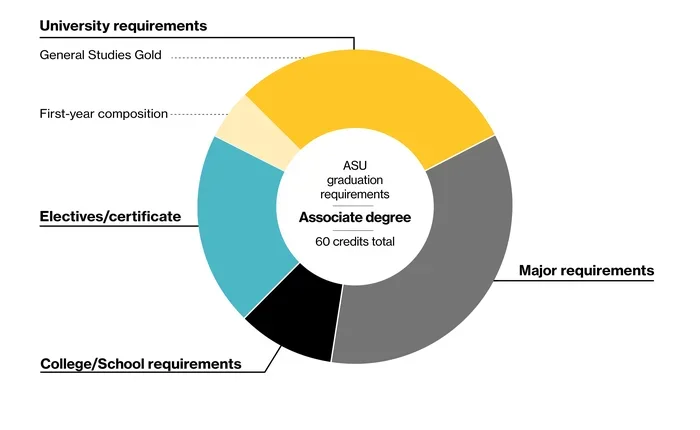
General education credits are the classes every college student must take, no matter what their major is. Think of them as the foundation of your degree. These courses cover subjects like English, math, science, history, and social sciences. They are designed to give you a broad knowledge base before you dive into your chosen field.
Most bachelor’s degree programs require around 30 to 45 credit hours of general education coursework. That is roughly one-third of your entire degree. These credit hours are sometimes called “gen ed” credits or core curriculum credits. No matter what you call them, they serve the same purpose — they make sure every graduate has a well-rounded education.
Here are some common examples of general education courses:
- College English or Composition
- Introduction to Psychology
- American History
- College Algebra or Statistics
- Natural Sciences like Biology or Chemistry
- Fine Arts or Humanities electives
These courses build skills that apply to almost every career. Communication, critical thinking, and analytical reasoning are just a few examples. That is why many schools value them so highly.
Do General Education Credits Expire?
Now let’s tackle the big question. Do general education credits expire? The answer is not a simple yes or no. Most credits do not have an official expiration date. Once you earn a college credit from an accredited institution, it typically stays on your academic record forever. Your transcript will show the course, the grade, and the date you completed it.
However, “not expired” does not always mean “accepted everywhere.” This is where things get tricky. A school may accept your old credits for transfer, but another school might not. Let us look at why this happens.
The Myth of Credit Expiration Dates
Many students believe there is a universal rule that says credits expire after five or ten years. This is a myth. No national or federal law sets a hard expiration date on academic credits. The idea that credits go bad after a few years is not true in most cases.
That said, individual schools can set their own policies. Some universities have guidelines that say transfer credits older than ten years may not count. But this is a school choice, not a universal rule. It is also worth noting that the academic credit system itself does not impose time limits. The clock starts and stops at each institution’s door.
Here is a helpful way to think about it. Imagine you learned to drive a car twenty years ago. Your driving skills might feel rusty, but the knowledge is still there. The same goes for your college credits. The learning does not disappear just because time passes.
When Credits Lose Their Value
While credits may not technically expire, they can lose their practical value. This happens for a few reasons:
- Outdated Curriculum: Some courses change over time. A ten-year-old statistics course may not cover the same tools or methods used today.
- Field-Specific Changes: In fast-moving fields like technology or healthcare, older coursework may no longer align with current standards.
- Credit Transfer Limits: Even if a credit is valid, a school might cap how many old transfer credits they will accept.
So while your credits may still exist on paper, their usefulness depends on the school you are trying to transfer them to. This is why checking with your target institution is so important.
How Transfer Credits Work
Transferring credits is one of the most common reasons students ask about credit expiration. You might have earned credits at a community college and now want to apply them toward a bachelor’s degree. Or maybe you started at one university and want to finish at another.
The transfer process depends on several factors. Let us walk through them.
Regional Accreditation Matters
Not all schools are created equal when it comes to credit acceptance. Schools that hold regional accreditation are the gold standard in the U.S. Credits from regionally accredited institutions are widely accepted by other regionally accredited schools. This is a huge advantage if you plan to transfer.
On the other hand, nationally accredited schools sometimes face more scrutiny. Credits from these institutions may not transfer as easily. Before enrolling anywhere, always check the school’s accreditation status. It can save you a lot of time and money down the road.
The Transfer Credit Evaluation Process
When you apply to transfer credits, the receiving school reviews each course individually. They look at several things:
- The accreditation status of the original school
- The course content and syllabus
- The credit hours and grade earned
- The age of the credit
- How the course aligns with their own curriculum
This process is called a credit evaluation. It can take a few weeks to complete. The outcome determines whether your old credits count toward your new degree. Some schools use transfer equivalency guides to make this process faster and more transparent.
Factors That Affect Credit Validity
Several factors influence whether your old credits will still be accepted. Understanding these can help you plan your academic path more effectively.
Time Since Completion
The longer it has been since you completed a course, the more likely it is that a school will question its relevance. This does not mean the credit is worthless. It just means you may need to provide extra documentation or take a placement test.
For example, if you took a general education course in English composition ten years ago, most schools will still accept it. The fundamentals of writing have not changed dramatically in that time. But if you took a computer programming course ten years ago, the language and tools covered may be outdated.
Changes in Degree Requirements
Universities update their degree requirements regularly. A course that counted toward a bachelor’s degree in 2015 might not fit the current curriculum in 2025. This does not mean your credit is invalid. It just means it may not apply to your specific program.
One way schools handle this is through elective credit. Even if a course does not fit your major requirements, it can often still count as an elective. Elective credits still move you closer to your degree total.
Life Experience and Prior Learning
Some schools offer credit for life experience or prior learning assessments. If your old credits do not transfer, you might still earn credit through exams like CLEP or DSST. These tests let you demonstrate knowledge and earn academic credit without sitting in a classroom.
This is a great option for adult learners who have been out of school for years. It can save both time and money on your degree journey.
Common Mistakes Students Make
Avoiding common pitfalls can save you a lot of frustration. Here are mistakes many students make when dealing with old credits.
- Assuming All Credits Transfer: Not every credit will be accepted by every school. Always check transfer policies before assuming.
- Waiting Too Long: The longer you wait to use your credits, the more likely it is that policies will change or that content will be outdated.
- Ignoring Accreditation: Credits from unaccredited schools are often not accepted anywhere. Always verify accreditation first.
- Not Asking for Help: Many schools have transfer counselors who can evaluate your credits for free. Use this resource.
- Overlooking Elective Options: Even if a credit does not fit your major, it may still count toward your degree total.
Steering clear of these mistakes puts you in a much stronger position. You will save time, money, and energy when you go to transfer or finish your degree.
Tips to Maximize Your Credit Value
Want to make sure your general education credits count as much as possible? Follow these practical tips.
- Keep Your Transcripts: Always hold onto official copies of your transcripts. You will need them for any transfer application.
- Contact Admissions Early: Reach out to the admissions office of your target school before you apply. Ask specifically about their transfer credit policy.
- Save Course Syllabi: Old syllabi can help credit evaluators understand what you learned in a course years ago.
- Choose Accredited Schools: Always enroll in regionally accredited institutions whenever possible.
- Stay Current in Your Field: If your field changes quickly, consider taking a refresher course or exam to update your knowledge.
These steps may seem small, but they add up. They can make the difference between your old credits being accepted or rejected.
How Schools View Old Credits Differently
Every school has its own approach to old credits. Let us compare a few common scenarios.
| School Type | Typical Policy on Old Credits | Transfer Friendliness |
|---|---|---|
| Regionally Accredited University | Credits generally accepted with no strict expiration | High |
| Community College | Credits from other accredited schools usually accepted | High |
| For-Profit Online School | May have stricter age limits on transfer credits | Moderate to Low |
| Art or Specialized School | May focus on portfolio or skill-based assessment | Varies |
As you can see, there is no one-size-fits-all answer. Your best move is to research the specific school you are interested in. Their admissions or registrar office can give you the most accurate information.
What Education Experts Say
Education professionals often use descriptive language to explain the value of credits. For instance, they might say that a strong education is a solid foundation — much like how metaphors for education describe learning as building or growing. Similarly, education is often compared using similes for education, such as saying knowledge is “like a light that never goes out.” And just as idioms for education capture common wisdom about learning, the idea that credits never truly expire reflects a widely held belief in the academic world.
These figurative expressions remind us that learning is lasting. Your effort in earning those credits does not disappear. It becomes part of your academic identity. Even if a specific course is no longer required, the knowledge you gained stays with you.
Experts also point out that the education system is designed to be flexible. Life happens. People change careers, move to new states, or return to school after years away. The system tries to accommodate these journeys as much as possible. Your old credits are a testament to work you have already done, and that work still matters.
Special Cases: Military and Professional Training Credits
Some students earn credits through military training, professional certifications, or workplace experience. These credits follow slightly different rules than traditional classroom credits. Many schools accept military training credits through the American Council on Education (ACE) recommendations. Similarly, professional certifications in fields like IT or healthcare may translate into academic credit.
These types of credits can be especially valuable for adult learners. They recognize real-world experience and can shorten your path to a degree. However, acceptance still depends on the individual school’s policies. Always check with the registrar before assuming these credits will transfer.
What If Your Credits Are Rejected?
It happens. You submit your transcript, and a course you thought would transfer is denied. Do not panic. This is more common than you might think, and there are steps you can take.
First, ask the school for a detailed explanation. They are required to tell you why a credit was not accepted. Sometimes it is a simple matter of the course not matching their curriculum. Other times, it may be an accreditation issue.
If you disagree with the decision, you can appeal. Most schools have a formal appeals process for transfer credit disputes. Gather your course materials, syllabi, and any supporting documentation. Present a clear case for why the credit should count. Many students win appeals every year. It is always worth trying.
As a backup, you can also retake the course. While this means more time and tuition, it ensures the credit is valid and accepted. Think of it as an investment in your future.
Final Thoughts
So, do general education credits expire? The answer is reassuring for most students. Your credits likely do not expire in any official sense. They remain part of your academic history and can often be used toward a degree, even years after you earned them.
The real challenge is not expiration — it is transferability. Different schools have different rules, and those rules can change. The best thing you can do is stay informed, plan ahead, and communicate with admissions offices early and often.
Your education is a journey. Every credit you earn is a step forward. Even if the path twists and turns, those steps still count. Do not let old credits collect dust on a forgotten transcript. Take action today. Reach out to a school, request a credit evaluation, and keep moving toward your degree. Your past effort deserves to pay off.
Remember, the knowledge you gain never truly goes away. Whether it is five years or twenty years later, your general education credits are still a valuable part of your academic story. Make them work for you.
Frequently Asked Questions
Do general education credits ever officially expire?
No, there is no universal expiration date for general education credits. Most credits remain on your transcript indefinitely. However, individual schools may have their own policies about how old credits can be for transfer purposes.
Can I use credits from 15 years ago toward a new degree?
It depends on the school. Some institutions accept very old credits, especially for general education courses. Others may have stricter time limits. Contact the admissions office of your target school to find out their specific policy.
Are credits from community colleges accepted by universities?
Yes, credits from accredited community colleges are widely accepted by universities. Regional accreditation is the key factor. Always verify that both your original school and your target school hold proper accreditation.
What happens if a course I took is no longer offered?
This does not affect the validity of the credit you already earned. If the course content aligns with a current course at your target school, it can still transfer. If not, it may count as an elective credit.
How can I find out if my old credits will transfer?
The best way is to contact the admissions or registrar office of the school you want to attend. Many schools offer free credit evaluations. You can also check their transfer credit policies online before applying.
Do online credits expire faster than traditional credits?
No, online credits do not expire faster. The delivery method does not affect credit validity. What matters is the accreditation of the institution and the policies of the school where you want to transfer the credits.
=== CONCLUSION ===
Do general education credits expire? In most cases, the answer is no. Your credits are a permanent record of your academic effort. They stay on your transcript and can often be used toward a degree, even years or decades later. The key is to understand that while credits may not expire, their transferability depends on the school you are dealing with. Always check with your target institution, keep your transcripts handy, and stay proactive about your education. Your old credits are still worth something — make sure they count.


