
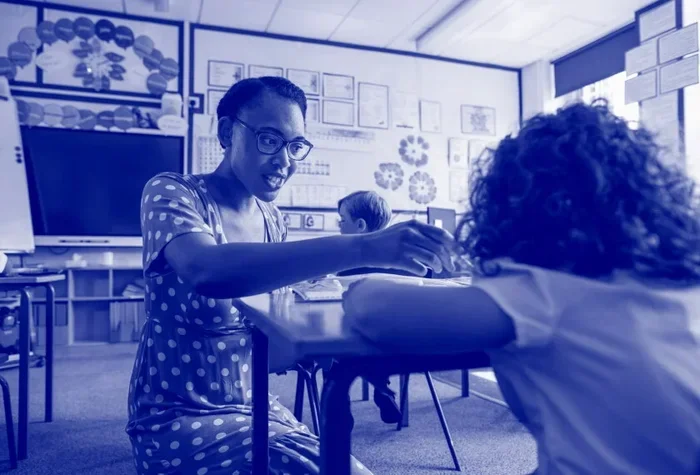
Looping in education is a teaching model where a teacher stays with the same group of students for more than one school year. This approach builds deeper connections, supports instructional continuity, and creates a stable classroom environment. Teachers already know each student’s strengths and gaps, so they can personalize learning from day one. Families and students benefit from stronger bonds and better academic outcomes over time.
Imagine walking into a classroom on the first day of school and already knowing your teacher. They know your strengths. They know your struggles. They have a plan for you before you even sit down at your desk. That is the magic of looping in education.
Looping is a teaching model where a teacher moves with the same group of students to the next grade level. Instead of saying goodbye at the end of each year, the teacher and students continue together. This approach is gaining traction in schools across the country. More educators and parents are recognizing its value. In this article, we will explore everything you need to know about looping in education and why it matters so much.
Key Takeaways
- Looping in education means a teacher follows the same students to the next grade level.
- It strengthens teacher-student relationships and builds deep trust over multiple years.
- Instructional continuity helps teachers address learning gaps faster and more effectively.
- Students experience greater classroom stability, which reduces anxiety and boosts confidence.
- Looping supports personalized learning because teachers already know each child’s needs.
- Challenges exist, such as teacher-student conflict and workload, but strategies can help.
- Research supports looping as a powerful method for improving student outcomes.
📑 Table of Contents
- What Is Looping in Education?
- Why Looping in Education Matters
- The Benefits of Looping in Education
- Challenges of Looping and How to Overcome Them
- How Looping in Education Works in Practice
- Research and Evidence Behind Looping
- Comparing Looping vs. Traditional Teaching Models
- How Looping Connects to Broader Educational Language
- Final Thoughts on Looping in Education
What Is Looping in Education?
At its core, looping in education is simple. A teacher teaches a group of students for one year. Then, instead of moving to a new class, that teacher advances with those same students to the next grade. The teacher “loops” up with them. This model can last for two years or even longer in some cases.
Looping is not a brand-new idea. It has roots in European education systems dating back centuries. Today, it is used in elementary schools, middle schools, and even some high school settings. Schools adopt looping for many reasons. They want to strengthen bonds. They want to improve instructional continuity. And they want to create a more personalized learning experience.
How Looping Differs from Traditional Teaching
In a traditional setup, a teacher works with one group of students for a single school year. Then, those students move to a new classroom with a new teacher. The teacher starts fresh with a brand-new group the following year. There is no carryover of relationships or knowledge.
With looping, the teacher already has a head start. They understand each student’s learning style. They know what worked last year and what did not. This means less time spent on assessment and more time spent on actual teaching. The looping method creates a seamless transition between grade levels.
Why Looping in Education Matters
The importance of looping goes far beyond convenience. It touches every part of a student’s educational journey. Here are the key reasons why looping in education is gaining attention.
Stronger Teacher-Student Relationships
Trust does not build in a single school year. It takes time. When a teacher loops with students, they get that time. The relationship deepens year after year. Teachers understand not just academic needs but emotional ones too.
This strong bond creates a safe learning space. Students feel comfortable asking questions. They are not afraid to make mistakes. Research on teacher-student relationships shows that trust leads to better engagement. Looping makes that trust easier to build and maintain.
Improved Academic Outcomes
Studies have shown that students in looped classrooms often perform better academically. Why? Because teachers can pick up exactly where they left off. There is no need to spend weeks re-assessing skills. The instructional continuity saves valuable time.
Teachers also know which students need extra support. They can intervene earlier. They can adjust their teaching methods to fit each learner. This leads to steady academic growth over multiple years. Students do not lose ground over the summer because their teacher already knows what to review.
Greater Classroom Stability
Change can be stressful for young learners. New teachers, new rules, new expectations. Every year in a traditional model brings a period of adjustment. Looping removes much of that stress.
When students stay with the same teacher, they experience classroom stability. They know the routines. They know what is expected of them. This stability is especially helpful for students who struggle with transitions. It creates a sense of belonging and consistency.
The Benefits of Looping in Education
The advantages of looping extend to students, teachers, and families alike. Let us break them down.
For Students
- Deeper learning: Students spend more time building on prior knowledge.
- Increased confidence: Familiarity with the teacher reduces anxiety.
- Better behavior: Strong relationships reduce classroom disruptions.
- Personalized attention: Teachers can tailor instruction to each child.
- Emotional safety: Students feel known and valued.
For Teachers
- Less onboarding time: Teachers skip the weeks of getting to know new students.
- Better planning: Teachers can plan long-term with a clear picture of each student.
- Stronger parent relationships: Teachers already know the families from the previous year.
- More job satisfaction: Many teachers report deeper fulfillment from long-term connections.
For Families
- Consistent communication: Parents build a lasting relationship with one teacher.
- Clear expectations: Families understand the classroom culture year after year.
- Greater involvement: Parents feel more comfortable participating in the classroom.
Challenges of Looping and How to Overcome Them
Looping is not without its challenges. Being honest about them is important. Here are the common hurdles and how schools can address them.
Teacher-Student Conflict
Sometimes, a teacher and a student simply do not click. In a traditional model, the problem ends when the year does. In a looped classroom, the relationship continues. This can be tough for both parties.
The solution is open communication. Teachers should address conflicts early. Schools can also provide support systems like counseling or mediation. Training in conflict resolution helps teachers navigate these situations with grace.
Workload and Burnout
Looping means carrying the same group of students forward. This can increase a teacher’s workload. They must plan for two grade levels at times. The teacher looping strategy requires careful time management.
Schools can help by providing planning time and collaboration opportunities. Team teaching models can also share the load. Recognizing the extra effort teachers put in goes a long way toward preventing burnout.
Lack of Fresh Perspectives
Critics argue that looping limits exposure to new teaching styles. Students may miss out on different approaches. However, this can be balanced by ensuring that looped teachers continue to grow professionally. Attending workshops and collaborating with other educators keeps ideas fresh.
Also, looping does not mean isolation. Teachers can still bring in new activities, projects, and perspectives within their loop. The key is to stay intentional about growth.
How Looping in Education Works in Practice
Let us look at a real-world example to make this concrete.
A Day in a Looped Classroom
Ms. Johnson taught second grade last year. Her students are now moving to third grade. Instead of assigning them to a new teacher, Ms. Johnson loops up with them. On the first day of third grade, she does not need weeks to learn names and strengths. She already knows who struggles with fractions and who excels in writing.
She starts the year with a review of key second-grade concepts. But she also introduces new third-grade material right away. The transition is smooth. Students feel confident. Parents are already familiar with Ms. Johnson and trust her approach. This is looping in education in action.
Tips for Successful Looping
- Start with clear goals. Teachers should plan what they want to achieve over the loop period.
- Communicate with parents early. Let families know about the model and its benefits.
- Stay flexible. Be ready to adjust plans based on student needs.
- Use formative assessments. Continue checking understanding regularly, even when you think you already know where students stand.
- Build in novelty. Introduce new projects and activities to keep the experience fresh.
- Seek feedback. Ask students and families for input on what is working and what is not.
Research and Evidence Behind Looping
Looping is not just a popular idea. It is backed by research. Studies have shown that students in looped classrooms experience less anxiety and higher engagement. The multi-year classroom model allows teachers to track progress over time more accurately.
Research also points to improved student outcomes in reading and math. Teachers who loop report higher job satisfaction and stronger connections with families. The evidence supports looping as a strong teacher-student bond builder and a sustained instruction strategy that works.
Some of the most successful looping programs are found in schools that serve diverse communities. The model helps bridge gaps by providing consistent support to students who need it most. It is a powerful tool for equity in education.
Comparing Looping vs. Traditional Teaching Models
| Aspect | Looping Model | Traditional Model |
|---|---|---|
| Teacher-Student Duration | Multiple years with the same group | One year per teacher |
| Relationship Building | Deep and continuous | Starts fresh each year |
| Instructional Continuity | Seamless transitions | Assessment and onboarding each year |
| Personalized Learning | Highly tailored from day one | Requires weeks of getting to know students |
| Classroom Stability | High | Moderate to low |
| Teacher Workload | Higher initial planning | Reset each year |
| Academic Outcomes | Generally stronger over time | Varies widely |
As the table shows, looping offers clear advantages in relationship building and continuity. The traditional model has its strengths too, especially in exposing students to diverse teaching styles. Both approaches have value. But for schools focused on long-term student success, looping stands out.
How Looping Connects to Broader Educational Language
Teaching is full of colorful language. Educators use similes for education to describe learning processes in vivid ways. They use metaphors for education to make complex ideas feel simple and relatable. And they lean on idioms for education to communicate shared wisdom and experience. Looping fits naturally into this rich language landscape.
When teachers talk about looping, they often use phrases like “building on solid ground” or “planting seeds that grow over time.” These expressions capture the essence of what looping does. It plants seeds of trust and knowledge that bloom over multiple years. Understanding these educational metaphors and idioms helps teachers communicate the value of looping to parents and communities more effectively.
Final Thoughts on Looping in Education
Looping in education is more than a teaching strategy. It is a commitment to students. It says: “I will stay with you. I will know you. I will help you grow.” That kind of dedication is rare and powerful.
Schools that embrace looping see stronger relationships, better academic results, and happier classrooms. It is not a perfect model for every situation. But for the right environment and the right teacher, it can be transformative. If you are an educator or a parent exploring options, looping is well worth a closer look.
The future of education is personal. It is connected. And looping is one of the best ways to make that vision a reality. Give it a try. You might be surprised by the results.
Frequently Asked Questions
What is looping in education?
Looping in education is a teaching model where a teacher stays with the same group of students for more than one school year. Instead of moving to a new class each year, the teacher advances with their students to the next grade level.
Why is looping in education important?
Looping matters because it builds stronger teacher-student relationships and creates instructional continuity. Teachers already know each student’s strengths and weaknesses, which allows for personalized learning from the very first day of the new school year.
What are the main benefits of looping?
The benefits include deeper teacher-student bonds, improved academic outcomes, greater classroom stability, and more personalized instruction. Students feel safer and more confident when they stay with a familiar teacher over multiple years.
Are there any downsides to looping in education?
Yes, challenges include potential teacher-student conflicts, increased teacher workload, and the risk of limiting exposure to new teaching styles. However, these can be managed with good communication, support systems, and ongoing professional development.
How long does a looping cycle typically last?
A looping cycle usually lasts for at least two consecutive school years. Some programs extend the loop for three years or more, depending on the school’s model and the teacher’s commitment to the multi-year classroom approach.
Can looping work in all grade levels?
Yes, looping can work in elementary, middle, and even high school settings. It is most commonly seen in elementary grades where long-term relationships have the greatest impact. However, the principles of sustained instruction and strong bonds apply at any age.
=== CONCLUSION ===
Looping in education is a powerful model that puts relationships at the center of learning. It gives teachers the time and context they need to truly understand each student. It gives students the stability and trust they need to take academic risks. And it gives families the confidence that their child is in caring, capable hands.
The evidence is clear. Looping works. It improves academic outcomes, deepens teacher-student bonds, and creates classroom stability that lasts. Whether you are a teacher considering the model or a parent exploring school options, looping deserves your attention. The future of education is about connection, continuity, and care. Looping delivers all three.


