
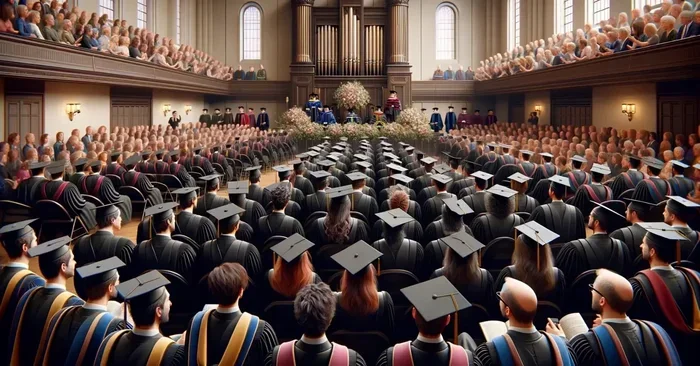
Post secondary education refers to any learning that happens after finishing high school. It includes colleges, universities, trade schools, and vocational programs. This guide covers everything you need to know about pursuing higher education and planning your future.
Key Takeaways
- Post secondary education includes all learning after high school: from colleges and universities to trade schools and certification programs.
- There are many types of post secondary options: associate degrees, bachelor’s degrees, vocational training, and community colleges all serve different goals.
- Higher education boosts career opportunities: it opens doors to better jobs, higher salaries, and personal growth.
- Costs vary widely: understanding tuition, financial aid, and scholarships helps you make smart choices.
- Choosing the right path depends on your goals: your career plans, interests, and budget all matter.
- Post secondary education builds lasting skills: critical thinking, communication, and professional expertise.
- It is never too late to start: many programs welcome students of all ages and backgrounds.
📑 Table of Contents
- What Is Meant by Post Secondary Education?
- Types of Post Secondary Education
- Benefits of Pursuing Post Secondary Education
- How to Choose the Right Post Secondary Path
- Costs and Financial Planning for Post Secondary Education
- Post Secondary Education and Career Success
- Common Mistakes to Avoid When Choosing a Post Secondary Program
- Expert Insights on Post Secondary Education
- Key Takeaways
- Conclusion
What Is Meant by Post Secondary Education?
So, what is meant by post secondary education? Simply put, it is any form of learning you pursue after finishing high school or earning your GED. This stage of education is also called higher education or post-high school education. It covers a wide range of programs and institutions designed to help you grow academically and professionally.
Post secondary education is not just one thing. It is a broad category that includes many different paths. Some people choose traditional four-year universities. Others prefer shorter programs at community colleges or trade schools. The goal is the same though: to gain knowledge, skills, and credentials that open doors to better careers and personal growth.
Think of post secondary education as a bridge. It connects the foundational learning you did in high school to the specialized knowledge you need for your future career. Whether you want to become a nurse, an engineer, a teacher, or a skilled tradesperson, post secondary education gives you the tools to get there.
One important thing to understand is that post secondary education is not only about academics. It also builds life skills. You learn how to think critically, communicate clearly, solve problems, and work with others. These skills matter in every job and every part of life.
Types of Post Secondary Education
Not all post secondary education looks the same. There are many options available, and each one serves a different purpose. Let us break them down so you can see what fits your goals.
Community Colleges
Community colleges offer two-year associate degree programs and certificate courses. They are affordable and accessible. Many students start at a community college and then transfer to a four-year university. This path saves money and gives you time to explore your interests before committing to a longer program.
Community colleges also offer vocational training and workforce development programs. These are great if you want to enter the job market quickly. Programs like medical assisting, cybersecurity, and automotive repair are popular choices.
Universities and Four-Year Colleges
Universities and colleges offer bachelor’s degree programs that typically take four years to complete. They provide deep academic knowledge in a specific field. Popular areas of study include business, science, arts, and engineering.
Universities also offer graduate programs. These include master’s degrees and doctoral programs for students who want to go even further in their field. Graduate school is a big commitment, but it can lead to advanced career opportunities and higher earning potential.
Trade Schools and Vocational Programs
Trade schools focus on hands-on training for specific careers. Programs include electrician training, plumbing, welding, culinary arts, and dental hygiene. These programs are usually shorter than traditional degrees, often lasting from a few months to two years.
Vocational training is a powerful path for people who want to enter the workforce fast. It gives you real-world skills that employers value. Many trade school graduates find excellent jobs right after graduation.
Certification and Continuing Education Programs
Certification programs are shorter courses that give you a specific credential. They are great for career changers or people looking to upgrade their skills. Examples include professional certification in IT, project management, or healthcare.
Continuing education programs help professionals stay current in their fields. They include workshops, online courses, and seminars. Many industries require ongoing learning to keep up with new developments and technologies.
Benefits of Pursuing Post Secondary Education
Investing in post secondary education pays off in many ways. Let us look at the biggest benefits.
Better Career Opportunities. Many jobs today require education beyond high school. A degree or certificate shows employers you have the knowledge and dedication to succeed. Post secondary education expands your job options and earning potential significantly.
Higher Earning Potential. Studies consistently show that people with post secondary education earn more over their lifetimes. The college degree premium is well documented. Even associate degrees and vocational certificates can lead to solid incomes.
Personal Growth and Confidence. Higher education challenges you to think differently. You gain new perspectives and learn how to approach complex problems. This growth builds confidence that helps you in every area of life.
Networking and Connections. College and university programs connect you with peers, professors, and professionals. These relationships can lead to job opportunities, mentorships, and lifelong friendships. Networking is one of the hidden benefits of post secondary education.
Workforce Preparation. Post secondary programs are designed to prepare you for real jobs. They combine theory with practical experience through internships, labs, and projects. You graduate ready to contribute to your chosen field.
How to Choose the Right Post Secondary Path
Choosing the right path can feel overwhelming. But it does not have to be. Here are some steps to help you make a confident decision.
Step 1: Define Your Goals. What do you want to do after you finish your program? Having a clear career goal helps you choose the right type of education. If you want to be a registered nurse, a vocational program might be your best bet. If you want to be a research scientist, a university degree makes more sense.
Step 2: Research Programs. Look at different schools and programs. Compare their academic programs, costs, locations, and outcomes. Read reviews and talk to alumni. The more you know, the better your decision will be.
Step 3: Consider Your Budget. Education costs matter. Look at tuition fees, housing costs, and available financial aid. Community colleges are often the most affordable option. Many universities also offer generous financial aid packages and scholarships.
Step 4: Think About Learning Style. Do you prefer hands-on learning or classroom lectures? Trade schools and vocational programs are great for hands-on learners. Traditional universities work well for those who thrive in academic settings.
Step 5: Check Accreditation. Make sure the school and program are accredited. Accreditation ensures your education meets quality standards. It also matters if you plan to transfer credits or sit for professional exams.
Costs and Financial Planning for Post Secondary Education
Let us talk about money. Tuition fees for post secondary education vary a lot. Community colleges are the most affordable option. Four-year universities can be expensive, but many students do not pay the full sticker price thanks to financial aid.
Here are some common ways to pay for your education:
- Federal Student Aid (FAFSA): This is the first step for most students. It opens doors to grants, loans, and work-study programs.
- Scholarships: Many organizations and schools offer scholarships based on merit, need, or specific criteria.
- Grants: Grants do not need to be repaid. They are free money for education.
- Work-Study Programs: These let you earn money while gaining work experience on campus.
- Employer Tuition Assistance: Some employers pay for their workers to pursue education. Check with your HR department.
Planning ahead makes a huge difference. Start saving early if you can. Explore all your options before taking out loans. And remember, the investment in your education is an investment in your future.
One tip that many students overlook is to compare the total cost of different programs. A shorter vocational program might cost less overall than a four-year degree, even if the degree has higher earning potential. Think about your return on investment.
Post Secondary Education and Career Success
Post secondary education plays a huge role in career success. It gives you the knowledge, credentials, and skills that employers look for. But the benefits go beyond just getting a job.
People with post secondary education tend to have lower unemployment rates. They also report higher job satisfaction. Education gives you options and flexibility. If one career path does not work out, your education opens doors to others.
In today’s economy, many industries are evolving fast. Technology, healthcare, and green energy are growing rapidly. Post secondary education helps you stay relevant and competitive. It gives you the foundation to adapt to changes in the job market.
Learning does not stop after graduation. Continuing education and professional development keep your skills sharp. Many professionals return to school for advanced degrees or new certifications throughout their careers. This commitment to lifelong learning is one of the best investments you can make.
It is also worth noting that education and communication go hand in hand. Understanding figurative language like similes for education and metaphors for education can sharpen your communication skills, which are essential in any post secondary setting. Similarly, knowing idioms for education helps you navigate academic and professional conversations with confidence. These language skills complement your formal education and make you a stronger communicator in the workplace.
Common Mistakes to Avoid When Choosing a Post Secondary Program
Here are some pitfalls to watch out for:
- Choosing a program just because it is popular. Popular does not always mean it is the right fit for you.
- Ignoring accreditation. Unaccredited programs may not be recognized by employers or other schools.
- Not comparing costs. Tuition fees vary widely between institutions. Always do the math.
- Skipping campus visits. Visiting a school gives you a feel for the environment and culture that websites cannot capture.
- Overlooking financial aid opportunities. Many students miss out on scholarships and grants they are eligible for.
- Rushing the decision. Take your time. This is a big choice that affects your future.
Avoiding these mistakes helps you make a more informed decision. It saves you time, money, and frustration in the long run.
Expert Insights on Post Secondary Education
Education experts agree that post secondary education is one of the most valuable investments a person can make. Dr. Linda Carlson, a higher education researcher, notes that “post secondary education opens pathways that high school alone cannot. It provides both specialized knowledge and transferable skills that employers value.”
Career counselors also emphasize the importance of aligning your education with your goals. “Students who connect their program choice to a clear career vision are more likely to succeed and stay motivated,” says James Rivera, a certified academic advisor. “It is not just about getting a degree. It is about building a future.”
Financial advisors recommend starting early with savings plans. Even small contributions add up over time. Many families also use the FAFSA and scholarship applications as a regular part of their planning process.
Key Takeaways
- Post secondary education includes all learning after high school: from colleges and universities to trade schools and certification programs.
- There are many types of post secondary options: associate degrees, bachelor’s degrees, vocational training, and community colleges all serve different goals.
- Higher education boosts career opportunities: it opens doors to better jobs, higher salaries, and personal growth.
- Costs vary widely: understanding tuition, financial aid, and scholarships helps you make smart choices.
- Choosing the right path depends on your goals: your career plans, interests, and budget all matter.
- Post secondary education builds lasting skills: critical thinking, communication, and professional expertise.
- It is never too late to start: many programs welcome students of all ages and backgrounds.
Conclusion
Post secondary education is more than just the next step after high school. It is a powerful tool that shapes your future. Whether you choose a community college, a university, a trade school, or a certification program, you are investing in yourself. The knowledge, skills, and credentials you gain open doors to better careers, higher earnings, and personal fulfillment.
The world of post secondary education is vast and full of opportunities. You do not need to have everything figured out right away. Start by exploring your interests, researching programs, and setting goals. Every step you take in higher learning brings you closer to the life you want to build.
Remember, education is a journey. It does not have to follow one specific path. Find what works for you, stay committed, and keep learning. Your future self will thank you for the investment you make today.
Frequently Asked Questions
What does post secondary education mean?
Post secondary education refers to any learning you pursue after completing high school. It includes colleges, universities, trade schools, vocational programs, and certification courses. This stage of education helps you gain specialized knowledge and skills for your career and personal growth.
Is post secondary education the same as higher education?
Yes, post secondary education and higher education are often used interchangeably. Both terms refer to education that happens after finishing high school. They cover a wide range of programs from community colleges to research universities.
What are examples of post secondary education?
Examples include community colleges, four-year universities, trade schools, vocational programs, certification courses, and graduate schools. Each type offers different levels of education and training for various career paths and personal goals.
How long does post secondary education take?
The length depends on the program. Certificate programs can take a few months. Associate degrees take about two years. Bachelor’s degrees typically take four years. Graduate programs can add two to six more years depending on the degree level.
Do you need post secondary education to get a good job?
Many jobs today require education beyond high school. While some fields accept experience alone, most careers benefit from formal post secondary training. Education opens more doors and often leads to higher earning potential and job stability.
Can adults go back to post secondary education?
Absolutely. Many programs welcome adult learners. Community colleges, online universities, and vocational schools offer flexible schedules designed for working adults. It is never too late to continue your education and pursue new career opportunities.


