
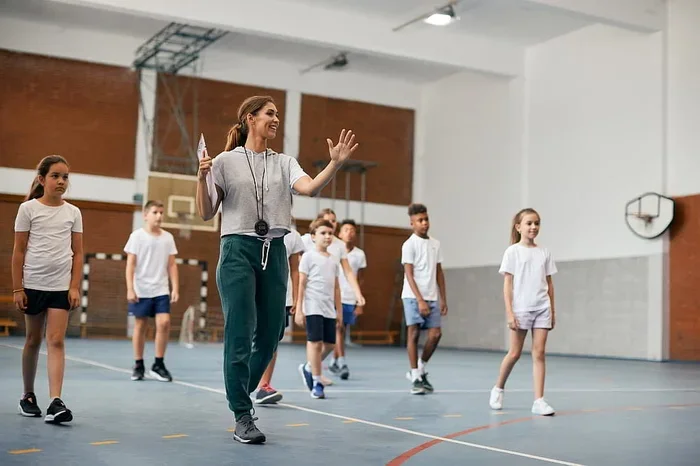
A physical education teacher is a trained educator who leads fitness, sports, and health activities in schools. They help students build physical literacy, motor skills, and lifelong healthy habits. Their work goes far beyond gym class — they shape student health, teamwork skills, and overall youth wellness every single day.
Key Takeaways
- A physical education teacher designs fitness curricula, leads sports activities, and promotes lifelong healthy habits in students.
- They play a vital role in student health, physical literacy, and motor skill development from elementary through high school.
- Becoming a PE teacher requires specific education, certifications, and a passion for fitness education and youth wellness. PE teachers face unique challenges like classroom management, budget limits, and engaging all fitness levels.
- The role of a physical education teacher has evolved to include mental health support, nutrition basics, and inclusive activities.
- Strong PE programs lead to better academic performance, improved student engagement, and healthier communities.
📑 Table of Contents
- What Is a Physical Education Teacher and Why They Matter
- What Does a Physical Education Teacher Do?
- Why Physical Education Teachers Matter
- How to Become a Physical Education Teacher
- Challenges Faced by Physical Education Teachers
- The Evolving Role of the Physical Education Teacher
- Key Takeaways
- Conclusion
What Is a Physical Education Teacher and Why They Matter
Have you ever wondered what a physical education teacher actually does? Many people think they just blow a whistle and let kids run around. But that idea could not be further from the truth. A PE teacher is a skilled educator who shapes young lives through movement, fitness, and health education. They help students develop physical literacy, build confidence, and learn habits that last a lifetime.
In today’s world of screen time and sedentary lifestyles, the role of a physical education teacher matters more than ever. These educators fight against childhood obesity, promote student health, and teach teamwork skills that carry into adulthood. They are not just coaches. They are mentors, motivators, and health advocates wrapped in one role.
Whether you are considering this career or just curious about what happens in gym class, this guide covers everything. We will explore the duties, qualifications, challenges, and impact of a physical education teacher in detail.
What Does a Physical Education Teacher Do?
A physical education teacher wears many hats throughout the school day. Their responsibilities go well beyond teaching kids how to shoot a basketball. Let us break down the core duties.
Designing and Implementing Fitness Curricula
Every great PE teacher starts with a solid curriculum design. They plan lessons that align with state and national standards for physical activity and health education. This means creating a structured lesson planning framework that covers different fitness areas across the school year.
A good curriculum includes warm-ups, skill drills, team games, and cool-down activities. It also builds progressively so students grow stronger and more confident over time. For example, a physical education teacher might start elementary students with basic motor skills like hopping and throwing. Then, by middle school, students might tackle more complex activities like fitness testing and strategy-based sports.
Teaching Motor Skills and Physical Literacy
Motor skills are the foundation of every movement a person makes. A PE teacher helps students develop both fine and gross motor skills through guided practice. Physical literacy goes a step further. It means teaching students to move with confidence and competence in many different situations.
Think of it like learning to read. Just as literacy helps you understand written words, physical literacy helps you understand and enjoy movement. A physical education teacher introduces activities like dancing, climbing, balancing, and throwing. These skills build a strong base that students use in sports, recreation, and daily life.
Promoting Health and Nutrition Awareness
Modern PE teachers do not stop at movement. They also teach the basics of nutrition and overall wellness. Many lesson plans include topics like food groups, hydration, sleep habits, and the importance of an active lifestyle.
A physical education teacher might bring in simple lessons about reading food labels or understanding how the body uses energy during exercise. This health education component helps students make better choices outside the gym. It connects physical activity with everyday decisions about food and rest.
Fostering Teamwork and Social Skills
One of the hidden superpowers of a PE teacher is building social skills. Team sports and group activities naturally teach cooperation, communication, and respect. Students learn how to win gracefully and lose with dignity.
These teamwork skills transfer directly to the classroom and beyond. A student who learns to collaborate on the basketball court will carry that confidence into group projects and future workplaces. A skilled physical education teacher knows how to weave these lessons into every activity.
Why Physical Education Teachers Matter
The importance of a physical education teacher extends far beyond the gymnasium. Research consistently shows that physical activity improves academic performance, mental health, and long-term well-being. Let us look at why these educators are so essential.
Combating Childhood Obesity and Sedentary Lifestyles
Childhood obesity rates have risen sharply over the past few decades. Many children spend hours each day in front of screens. A PE teacher provides structured physical activity that counteracts this trend. They create a safe and fun environment where movement is the norm.
Regular exercise helps children maintain a healthy weight, build strong bones, and reduce the risk of chronic diseases later in life. The physical education teacher is often the only consistent source of guided fitness for many students.
Boosting Academic Performance and Focus
Here is a surprising fact: movement boosts brain power. Studies show that students who participate in regular physical activity perform better in reading, math, and science. A PE teacher helps students burn off extra energy, which leads to better focus during academic classes.
When a school invests in quality fitness education, the benefits ripple through every subject area. Teachers often report that students are more alert and engaged after PE class. This makes the physical education teacher a silent partner in academic success.
Supporting Mental Health and Emotional Well-Being
Exercise is one of the most effective natural tools for managing stress and anxiety. A physical education teacher creates a space where students can release tension and boost their mood through movement. This youth wellness role has become even more critical in recent years.
Many students face pressures from school, social media, and home life. A supportive PE teacher can be the adult who makes a child feel valued and capable. The confidence gained from mastering a new skill — whether it is a cartwheel or a free throw — can transform a student’s self-esteem.
Building Inclusive and Accessible Programs
Every child deserves to move and play, regardless of ability. A great physical education teacher adapts activities to include students of all fitness levels and physical abilities. This commitment to inclusion ensures that no student feels left out.
Modifications might include adaptive equipment, simplified rules, or partner-based activities. The goal is always the same: every student feels successful and supported. This inclusive approach is one of the most rewarding aspects of being a PE teacher.
How to Become a Physical Education Teacher
Thinking about becoming a physical education teacher? The path requires dedication, education, and a genuine love for helping young people thrive.
Education and Degree Requirements
Most schools require at least a bachelor’s degree in physical education, exercise science, or a related field. During your studies, you will learn about athletic development, exercise science, child development, and curriculum design. Many programs also include hands-on student teaching experiences.
Some states require a master’s degree for advanced positions or salary increases. If you want to specialize in areas like adaptive PE or sports coaching, additional certifications can open doors.
Certification and Licensure
Every state requires PE teachers to hold a teaching license or certification. The process typically involves completing an accredited teacher preparation program, passing background checks, and passing subject-area exams. Requirements vary by state, so it is important to check your local regulations early.
Once certified, most teachers must complete continuing education credits to maintain their license. This keeps PE educators up to date on the latest research in fitness education and youth wellness.
Key Skills Every PE Teacher Needs
Beyond degrees and certifications, a successful physical education teacher possesses certain qualities:
- Communication skills: The ability to explain complex movements in simple, clear terms.
- Leadership: The confidence to manage large groups and keep students safe and engaged.
- Patience: Every student learns at a different pace, and a great PE teacher respects that.
- Creativity: Designing fun, varied lessons that keep student engagement high.
- Adaptability: Adjusting plans on the fly for weather, equipment shortages, or unexpected challenges.
- Empathy: Understanding the diverse needs and backgrounds of every student in the class.
Challenges Faced by Physical Education Teachers
The job of a physical education teacher is not without its hurdles. Understanding these challenges helps us appreciate the dedication these educators bring every day.
Classroom Management in Active Settings
Managing a room full of energetic children is no small feat. Classroom management in a gym requires different strategies than a traditional classroom. A PE teacher must establish clear rules, maintain attention, and handle conflicts — all while keeping the energy positive.
Experienced educators develop routines and use creative systems to keep students on task. But even the best physical education teacher will face days when motivation is low or behavior is challenging.
Limited Resources and Budget Cuts
Many schools face tight budgets that affect PE programs directly. Some physical education teachers must share equipment across multiple classes or teach in spaces that are too small or unsafe. Budget cuts have led some schools to reduce the number of PE sessions or eliminate the role entirely.
Advocacy for school physical education funding is a constant challenge. Dedicated teachers often find creative solutions, like using bodyweight exercises or repurposing everyday items as fitness tools.
Engaging Students of All Fitness Levels
Students come to PE class with vastly different abilities and confidence levels. Some are natural athletes. Others feel anxious or embarrassed by physical activity. A PE teacher must create lessons that challenge advanced students while making beginners feel welcome and included.
This balance requires constant attention and thoughtful lesson planning. The best educators focus on personal growth rather than competition, helping every student find joy in movement.
The Evolving Role of the Physical Education Teacher
The role of a physical education teacher has changed dramatically over the past few decades. What was once a simple sports-and-games class has evolved into a comprehensive health and fitness education program.
Today’s PE teachers integrate technology, data-driven fitness tracking, and mental health awareness into their lessons. Many use heart rate monitors, fitness apps, and online platforms to make physical activity more engaging and measurable. The shift toward physical literacy has transformed how educators approach movement education.
Post-pandemic, the importance of school physical education has gained even more recognition. Schools are investing more in PE programs to help students recover from periods of inactivity and social isolation. The modern physical education teacher is more important than ever in shaping a healthier future for the next generation.
As one expert in the field often notes, the best educators in any area — whether teaching similes for education, metaphors for education, or physical education — share a common thread: they inspire. A physical education teacher inspires students to move, to try, and to believe in their own strength. That inspiration can change a life.
Similarly, the way we teach language and movement both rely on creativity and connection. Just as educators use similes for education to make language vivid, a PE teacher uses vivid experiences — the rush of a sprint, the joy of a successful pass — to make fitness memorable. And just as metaphors for education help students think deeper about ideas, a physical education teacher helps students think deeper about their own health and potential.
The parallels between language arts and physical education are striking. Both require practice, patience, and guidance. Both build confidence and self-expression. And both, when taught well, stay with a person for a lifetime. The PE teacher understands this connection intuitively, even if they never explicitly draw the comparison.
Key Takeaways
- A physical education teacher designs fitness curricula, leads sports activities, and promotes lifelong healthy habits in students.
- They play a vital role in student health, physical literacy, and motor skill development from elementary through high school.
- Becoming a PE teacher requires specific education, certifications, and a passion for fitness education and youth wellness.
- PE teachers face unique challenges like classroom management, budget limits, and engaging all fitness levels.
- The role of a physical education teacher has evolved to include mental health support, nutrition basics, and inclusive activities.
- Strong PE programs lead to better academic performance, improved student engagement, and healthier communities.
Conclusion
A physical education teacher is far more than a gym instructor. They are educators, mentors, health advocates, and role models. Their work builds physical literacy, strengthens student health, and develops essential life skills like teamwork, discipline, and resilience.
In a world where children face unprecedented challenges to their health and well-being, the physical education teacher stands as a critical line of defense. They ensure that every student has the opportunity to move, grow, and thrive. Whether you are a parent, a student, or someone considering this career path, understanding the value of a PE teacher is the first step toward supporting stronger, healthier schools.
If you want to learn more about how language and education intersect, check out our guides on idioms for education and explore how different teaching approaches shape the learning experience.
The next time you see a physical education teacher coaching a class, take a moment to appreciate the impact they are making. They are not just teaching sports. They are building healthier, happier, and more confident communities — one lesson at a time.
Frequently Asked Questions
What is the main job of a physical education teacher?
A physical education teacher designs and delivers fitness and sports lessons that help students develop motor skills, physical literacy, and healthy habits. They also promote student health, teach nutrition basics, and foster teamwork skills through structured activities.
What qualifications do you need to become a PE teacher?
Most schools require a bachelor’s degree in physical education, exercise science, or a related field, along with a state teaching license or certification. Some positions may require a master’s degree or additional certifications in areas like adaptive PE or athletic development.
How does a physical education teacher impact student academic performance?
Research shows that regular physical activity improves focus, memory, and academic outcomes. A PE teacher helps students burn off excess energy, reduce stress, and return to academic classes more alert and ready to learn. This connection between movement and learning is well-documented in fitness education research.
What challenges do physical education teachers face today?
Common challenges include classroom management in active settings, limited budgets and equipment, engaging students of varying fitness levels, and advocating for adequate PE time in schools. Despite these hurdles, dedicated PE teachers find creative solutions to keep programs strong and inclusive.
Has the role of a PE teacher changed in recent years?
Yes, significantly. Modern physical education teachers now integrate technology, mental health awareness, and nutrition education into their lessons. The focus has shifted from pure sports instruction to comprehensive youth wellness and physical literacy that prepares students for lifelong health.
Why is physical education important for children?
School physical education helps children build strong bones and muscles, maintain a healthy weight, develop social skills, and learn the importance of regular physical activity. A quality PE program also supports emotional well-being and can reduce anxiety and stress in young students.


