
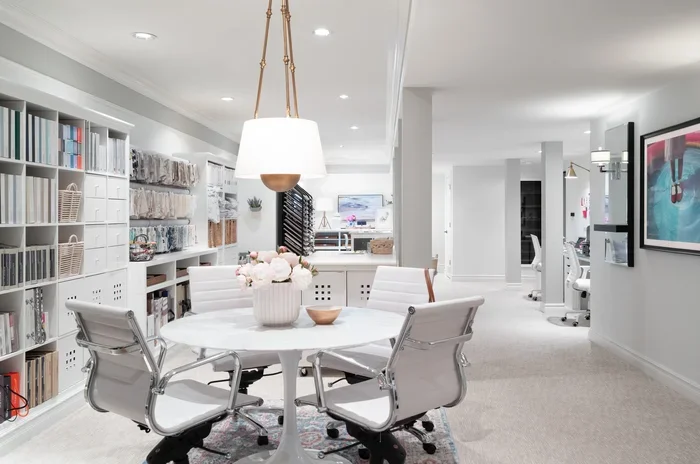
To start an interior design career, you typically need a combination of formal education, hands-on training, and professional certification. Most designers pursue an associate or bachelor’s degree in interior design or a related field. Online courses, design schools, and apprenticeship programs also offer flexible paths into the industry. Whether you want to work in residential or commercial spaces, the right education builds your skills in color theory, spatial planning, and design software.
Choosing a career in interior design is exciting. It lets you combine creativity with practical problem-solving. But before you dive in, one question comes up again and again: what education do you need for interior design? The answer is not as simple as “get a degree.” There are many paths, and each one has its own benefits. In this guide, we break down every option so you can make a smart choice about your future.
Interior design is more than picking paint colors and furniture. It involves understanding space, light, materials, and how people use rooms. A solid education teaches you these fundamentals and more. Whether you want to design cozy homes or sleek office spaces, your learning journey matters. Let us explore the different ways you can get there.
Key Takeaways
- Formal Degrees: An associate or bachelor’s degree in interior design is the most common educational path for aspiring designers.
- Certifications Matter: Earning certifications like the NCIDQ exam boosts your credibility and job prospects significantly.
- Online Learning: Many reputable platforms offer flexible interior design courses you can complete from home.
- Portfolio Is Key: Your education should include opportunities to build a strong portfolio that showcases your design skills.
- Multiple Paths Exist: You do not need a traditional degree to succeed; self-study, workshops, and mentorship can also work.
- Software Skills: Learning design tools like AutoCAD and SketchUp is essential in modern interior design education.
- Specialization Options: You can focus on residential design, commercial design, or sustainable design as you advance.
📑 Table of Contents
Why Education Matters in Interior Design
Some people think you can just start designing without any training. And yes, a few talented individuals have done that. But the industry has standards. Clients and employers look for proof of your skills. Education gives you that proof. It also gives you a foundation of knowledge that self-teaching alone cannot always provide.
When you study interior design formally, you learn about color theory, spatial planning, and design principles. You also gain exposure to history, architecture, and psychology. These subjects help you understand why certain designs work and others do not. Think of education as building a strong base for a house. Without it, the structure may wobble.
Many successful designers say their education opened doors they never expected. Connections made in school, projects completed for class, and feedback from instructors all shape your growth. Interior design courses also introduce you to industry-standard tools and software, which we will cover later.
Degree Options for Interior Design
If you are serious about a career in interior design, a degree is the most traditional route. But not all degrees are the same. Here is a closer look at what is available.
Associate Degree in Interior Design
An associate degree typically takes two years to complete. It covers the basics of design, color, and space planning. You will also get hands-on experience with design software. This option is great if you want to enter the workforce quickly.
With an associate degree, you can work as a junior designer or assistant. Some graduates go on to start their own small projects. However, you may hit a ceiling without further education. Many employers prefer candidates with a bachelor’s degree for mid-level roles.
Bachelor’s Degree in Interior Design
A bachelor’s degree is the gold standard for most interior design careers. It usually takes four years and covers both creative and technical topics. You will study advanced design theory, building codes, and project management. Most programs also require a final portfolio project.
Graduates with a bachelor’s degree have access to more job opportunities. They can pursue roles in residential design, commercial design, and even set design for film and television. This degree also prepares you for certification exams, which we will discuss later.
Master’s Degree in Interior Design
A master’s degree is not required for most jobs. But it can give you an edge if you want to specialize or teach. Some designers pursue a master’s to move into design leadership or research. This path is ideal for those who already have a bachelor’s degree and want to go deeper.
Alternative Education Paths
Not everyone wants to spend four years in a classroom. The good news is that there are other ways to learn interior design. Many of these paths are flexible and affordable.
Online Interior Design Courses
Online courses have exploded in popularity. Platforms like Skillshare, Udemy, and LinkedIn Learning offer classes in design fundamentals, software skills, and business practices. You can learn at your own pace from home. This is a fantastic option for career changers or busy parents.
Online learning does have limits, though. You miss the hands-on feedback and networking that in-person programs provide. But if you pair online courses with real-world practice, you can build strong skills. Many successful designers started with free or low-cost tutorials and grew from there.
Design Schools and Certificate Programs
Dedicated design schools offer focused training without the general education requirements of a full degree. Certificate programs can last a few months to a year. They cover core design skills and often include portfolio development. These programs are ideal for people who already have a degree in another field.
Some well-known design schools offer intensive programs that simulate real design studio environments. You work on actual client projects and get feedback from experienced professionals. This hands-on approach can be incredibly valuable.
Apprenticeships and Mentorship
Learning from a working designer is one of the oldest and most effective paths. An apprenticeship lets you observe real projects, meet clients, and handle small tasks on your own. You earn while you learn, which is a big advantage.
Mentorship relationships can also happen informally. Many designers are happy to guide newcomers. If you are passionate and willing to work hard, do not be afraid to reach out to professionals in your area. Building these connections early can shape your entire career.
Skills You Will Learn Through Education
Good interior design education goes far beyond aesthetics. It equips you with a wide range of practical skills. Here are some of the most important ones you will develop.
Color Theory and Composition: You will learn how to mix colors, create mood, and balance a room. This is the backbone of any design project.
Spatial Planning: Understanding how people move through spaces is critical. You will study layout, flow, and functionality.
Design Software: Modern designers use tools like AutoCAD, SketchUp, and Adobe Suite. Most education programs teach these from the start.
Building Codes and Safety: You must know local regulations, electrical requirements, and material safety standards. This knowledge keeps your designs legal and safe.
Client Communication: Design is a service industry. Education teaches you how to listen to clients, manage expectations, and present your ideas clearly.
These skills work together to make you a well-rounded designer. Interior design education is not just about talent. It is about building a toolkit you can use every day on the job.
Certifications and Licenses
In many states, interior designers need a license to practice professionally. The requirements vary by location, but most involve a combination of education and experience. Let us look at the key certifications you should know about.
NCIDQ Certification
The National Council for Interior Design Qualification (NCIDQ) is the most recognized certification in the industry. To qualify, you typically need a combination of education and work experience. The exam covers building codes, project coordination, and professional practice.
Holding NCIDQ certification signals to clients and employers that you meet industry standards. It can also lead to higher pay and more job opportunities. If you are serious about interior design as a long-term career, this certification is worth pursuing.
State-Specific Licenses
Some states require a separate license to call yourself an interior designer. Others only require registration. Check the rules in your state before you start working. Your education program should prepare you for these requirements.
Specialized Certifications
Beyond the basics, there are certifications in areas like sustainable design, kitchen and bath design, and furniture design. These can help you stand out in a competitive market. They show clients you have deep expertise in a specific area.
How to Choose the Right Education Path
With so many options, choosing the right path can feel overwhelming. Here are some tips to help you decide.
- Define Your Goals: Do you want to work for a firm, start your own business, or specialize in a niche? Your goals shape your education choices.
- Consider Your Timeline: How quickly do you want to start working? A certificate or associate degree gets you into the field faster.
- Check Accreditation: Make sure any program you choose is accredited by a recognized body. This ensures your education meets industry standards.
- Think About Cost: Degrees can be expensive. Look into financial aid, scholarships, and payment plans. Online courses are often more affordable.
- Build a Portfolio: Choose a path that gives you real projects to include in your portfolio. This is your most important marketing tool.
Remember, education is an investment in yourself. Take your time, do your research, and pick the path that fits your life and goals. The best education is the one that prepares you for the work you actually want to do.
Common Mistakes to Avoid
Many aspiring designers make avoidable mistakes when planning their education. Here are a few to watch out for.
- Skipping the Basics: It is tempting to jump straight into advanced projects. But without a strong foundation in design principles, your work may lack depth.
- Ignoring Software Training: Today’s design world runs on technology. If you do not learn the tools, you will struggle to compete.
- Choosing a Program Based on Cost Alone: Cheap is not always better. Look at curriculum, instructor quality, and graduate outcomes.
- Not Building a Portfolio: Your portfolio matters more than your diploma in many cases. Make sure your education includes portfolio-worthy work.
- Overlooking Networking: Some of the best opportunities come from connections you make during your education. Attend events, join clubs, and stay active.
Avoiding these mistakes puts you ahead of many beginners. It keeps your education focused and productive.
The Future of Interior Design Education
The field of interior design is changing fast. Technology, sustainability, and new materials are reshaping what designers do. Education programs are adapting too.
Today’s students learn about eco-friendly materials, smart home technology, and virtual reality design tools. The industry is moving toward more inclusive and accessible design. As a result, modern interior design education is broader and more exciting than ever before.
Online learning continues to grow as well. Many top universities now offer interior design degree programs fully online. This makes quality education accessible to people everywhere. If you have been hesitant because of location or schedule, now is a great time to explore your options.
The key is to stay curious and keep learning. Even after you finish your formal education, the best designers never stop studying. New trends, tools, and techniques emerge all the time. Your education is just the beginning of a lifelong journey in design.
Conclusion
So, what education do you need for interior design? The honest answer is that it depends on your goals, timeline, and budget. A bachelor’s degree offers the most comprehensive preparation. An associate degree or certificate can get you started faster. Online courses and apprenticeships provide flexible alternatives. No matter which path you choose, the most important thing is to keep building your skills and your portfolio. The interior design industry rewards creativity, dedication, and continuous learning. Start where you are, use what you have, and keep growing. Your dream career in interior design is within reach.
Frequently Asked Questions
Do I need a degree to become an interior designer?
Not always. Some designers succeed without a formal degree by building strong portfolios and gaining experience. However, most employers and clients prefer candidates with accredited education. A degree also opens doors to certification and higher-paying roles.
How long does it take to get an interior design degree?
An associate degree takes about two years. A bachelor’s degree typically takes four years. Certificate programs can be completed in a few months. The timeline depends on your chosen program and whether you study full-time or part-time.
Can I study interior design online?
Yes. Many reputable platforms and universities offer online interior design courses. These programs cover design fundamentals, software skills, and portfolio development. Just make sure the program is accredited and includes hands-on projects.
What is the NCIDQ certification?
The NCIDQ certification is the industry standard for professional interior designers. It involves an exam that covers building codes, project management, and professional practice. Most states require this certification for licensed interior designers.
Is interior design a good career?
Interior design can be a rewarding career for creative, detail-oriented people. The field offers diverse work settings, from residential homes to corporate offices. With the right education and portfolio, job prospects continue to grow.
What skills are most important for interior designers?
Key skills include color theory, spatial planning, design software proficiency, client communication, and knowledge of building codes. A strong education helps you develop all of these skills systematically and effectively.
=== INTERNAL LINKS ===


