
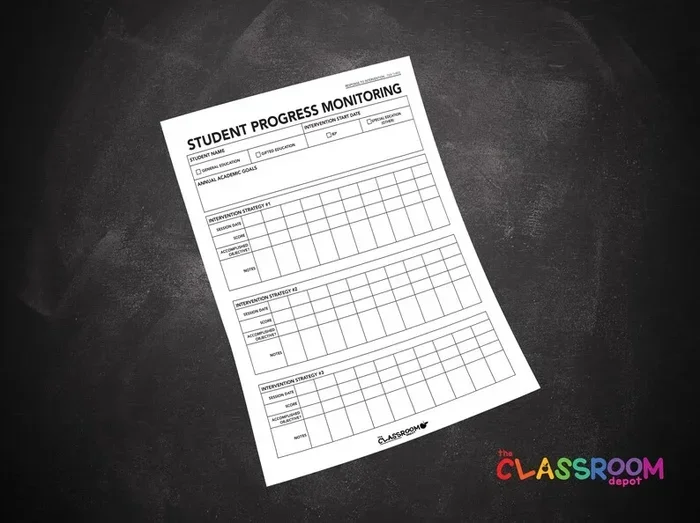
A CBM in education stands for Curriculum-Based Measurement, a practical tool teachers use to monitor how well students are learning core academic skills. It provides real-time data on reading fluency, math computation, and spelling ability, helping educators make informed decisions every day. Understanding CBM in education empowers both teachers and parents to support student growth more effectively.
Have you ever wondered how teachers know whether their students are keeping up with the lesson? The answer often lies in a simple but powerful tool called CBM in education. CBM stands for Curriculum-Based Measurement, and it is one of the most practical ways educators check how well students are learning. Instead of waiting for end-of-year exams, teachers can use CBM to get regular snapshots of student progress. This helps them adjust their teaching methods right away, making sure no student gets left behind.
Whether you are a teacher, a parent, or someone who cares about education, understanding CBM in education can change the way you think about learning. It is not just another testing method. It is a daily guide that helps educators make smart, data-driven decisions. In this article, we will explore what CBM is, how it works, why it matters, and how it fits into the bigger picture of student success. Let us dive in.
Key Takeaways
- Point 1: CBM in education is a formative assessment method that gives teachers quick, reliable data on student academic performance.
- Point 2: Teachers use CBM to track progress in reading fluency, math computation, spelling, and other key skills on a regular basis.
- Point 3: CBM plays a vital role in the Response to Intervention (RTI) framework, helping identify students who need extra support early.
- Point 4: The benefits of CBM include better instructional decision-making, personalized learning plans, and improved learning outcomes for all students.
- Point 5: Common mistakes include inconsistent administration, ignoring baseline data, and failing to adjust instruction based on CBM results.
- Point 6: Both general education and special education teachers rely on CBM to guide their teaching and support student success.
📑 Table of Contents
What Exactly Is CBM in Education?
So, what does CBM actually mean in the world of education? Curriculum-Based Measurement is a type of formative assessment. Teachers use it to measure how well students are mastering specific skills tied to their curriculum. Unlike standardized tests that happen once a year, CBM is given regularly, often weekly or biweekly. This frequent check-in gives teachers a clear picture of each student’s academic growth over time.
The idea behind CBM in education is simple but effective. Teachers pick a short, timed task that matches what students are learning in class. For example, a reading CBM might ask students to read a passage aloud for one minute. A math CBM might ask students to solve as many computation problems as they can in three minutes. The results are then plotted on a graph, creating a visual trend of each student’s progress.
This approach is rooted in the belief that assessment should be instructional decision-making, not just a grading exercise. When teachers use CBM, they are not just collecting data. They are using that data to shape their next lesson, adjust their pacing, and target areas where students struggle the most. It is assessment in service of learning, not just assessment of learning.
How CBM Differs from Traditional Testing
Traditional standardized tests and CBM in education serve different purposes. Standardized tests are often summative, meaning they measure what students have learned at the end of a unit or school year. CBM, on the other hand, is formative. It happens during the learning process and provides ongoing feedback. Here is a quick comparison:
- Frequency: CBM is given frequently, often weekly. Standardized tests are given once or twice a year.
- Purpose: CBM guides daily instruction. Standardized tests evaluate overall achievement at a fixed point in time.
- Duration: CBM tasks take just a few minutes. Standardized tests can take hours.
- Data Use: CBM results are used immediately to adjust teaching. Standardized test results often come too late to make timely changes.
- Focus: CBM tracks specific skill growth. Standardized tests cover a broad range of topics.
The difference is clear. CBM gives teachers a living, breathing view of student academic progress, while traditional tests offer a single snapshot. For educators who want to make a real difference, CBM is the tool that keeps them connected to their students’ needs every single day.
How CBM Works in the Classroom
Implementing CBM in education does not require expensive equipment or complex software. All you need is a timer, a simple worksheet, and a willingness to track results consistently. The process follows a clear cycle that any teacher can adopt.
First, the teacher identifies the key skill to measure. This could be reading fluency, math computation, oral reading accuracy, or spelling ability. Next, the teacher selects a brief CBM probe that matches the skill. The student completes the probe within a set time limit, usually one to five minutes. The teacher then scores the results and records them on a progress monitoring graph.
Over time, these data points form a trend line. If the line is going up, the student is making progress. If the line is flat or declining, the teacher knows it is time to change the approach. This cycle of measure, analyze, and adjust is at the heart of effective progress monitoring.
A Simple Example of CBM in Action
Imagine a third-grade teacher named Ms. Johnson. Every Monday, she gives her class a one-minute reading fluency CBM. Each student reads a grade-level passage aloud, and she counts the number of words read correctly per minute. She records these numbers on a graph for each student. After four weeks, she notices that one student, Carlos, has stayed flat at 40 words per minute while the rest of the class has moved up to 55. Ms. Johnson now knows Carlos needs targeted intervention. She adjusts his reading group and provides extra practice. Within six weeks, Carlos’s CBM scores climb to 52 words per minute. That is the power of CBM in education in action.
Teachers also use CBM to set learning outcomes for individual students. By looking at baseline data, they can set realistic goals and monitor whether students are on track to meet them. This makes data-driven instruction feel manageable, not overwhelming.
The Types of CBM Assessments Used in Schools
Not all CBM probes are the same. Different subjects and skills require different types of measurements. Here are the most common types of CBM used in schools today.
Reading CBM
Reading CBM is perhaps the most widely used form of curriculum-based measurement. It includes several sub-types:
- Oral Reading Fluency (ORF): Students read a passage aloud for one minute. The teacher counts correct words per minute.
- Repeated Reading: Students read the same passage multiple times to build fluency and confidence.
- Maze Completion: Students read a passage with missing words and choose the correct word from a list.
- Reading Comprehension CBM: Students answer brief questions after reading a short passage to check understanding.
These reading assessments help teachers track literacy skills and identify students who may be at risk of falling behind. Many schools use reading CBM as part of their response to intervention framework.
Math CBM
Math CBM focuses on computational skills and problem-solving. Common formats include:
- Math Computation CBM: Students solve as many addition, subtraction, multiplication, or division problems as they can in a set time.
- Math Problem-Solving CBM: Students work through word problems that match their grade-level curriculum.
- Number Facts Fluency: Students practice quick recall of basic math facts, building the foundation for higher-level math.
Math CBM is especially valuable for tracking numeracy skills and ensuring students build a strong mathematical foundation. It helps teachers identify gaps early and provide targeted practice.
Spelling and Writing CBM
Spelling CBM asks students to write as many correctly spelled words as possible from a list in a few minutes. Writing CBM may ask students to compose a short story or paragraph within a time limit. These measures help teachers monitor student performance in written expression and language arts.
Why CBM in Education Matters So Much
The importance of CBM in education cannot be overstated. It serves as a bridge between teaching and learning, giving educators the information they need to make every minute of instruction count. Here is why it matters so deeply.
First, CBM promotes equity in education. Because it is given frequently and measures specific skills, it captures the growth of every student, not just those who test well on big exams. Students from diverse backgrounds, including those in special education, benefit greatly from the personalized attention that CBM enables.
Second, CBM supports the Response to Intervention (RTI) model. In an RTI framework, teachers use CBM data to identify students who need additional help, monitor their progress, and determine whether interventions are working. Without CBM, RTI would be like driving with a foggy windshield. CBM clears the fog.
Third, CBM empowers parents. When teachers share CBM graphs with families, parents can see exactly how their child is doing. This transparency builds trust and encourages home-school collaboration. Parents become active partners in their child’s educational assessment journey.
Finally, CBM makes teaching more efficient. Instead of guessing where students are struggling, teachers can look at the data and target their instruction precisely. This saves time and energy, which means more quality instruction and better learning outcomes for everyone.
CBM and Figurative Language in the Classroom
While CBM itself is a measurement tool, teachers often use a variety of methods to build student understanding. For instance, some educators incorporate similes for education to help students grasp abstract concepts by comparing them to familiar ideas. Similarly, metaphors for education can deepen comprehension by creating vivid mental images. And idioms for education enrich classroom communication and help students understand the nuances of language. These language tools complement CBM by building the reading comprehension skills that CBM measures, creating a well-rounded approach to student growth.
Common Mistakes Teachers Make with CBM
Even the best tools can be misused. Here are some common mistakes teachers should avoid when using CBM in education.
Skipping Baseline Data
Before setting goals or measuring progress, teachers need a solid baseline. Starting CBM without baseline data is like trying to navigate without a map. Always establish where the student is before measuring where they are going.
Administering CBM Inconsistently
CBM works because of its regularity. If a teacher gives a CBM probe one week, skips two weeks, and then gives it again, the data becomes unreliable. Consistency is key to accurate progress monitoring.
Collecting Data Without Acting on It
Some teachers diligently record CBM scores but never use them to adjust instruction. This defeats the entire purpose. Data should always lead to action. If a student’s scores are not improving, the teacher must change the intervention or approach.
Using CBM as the Only Assessment
CBM is a powerful tool, but it is not the only tool. Teachers should also use observations, portfolios, and other assessments to get a complete picture of each student. CBM is one piece of the puzzle, not the whole picture.
Ignoring Student Motivation
CBM probes are short, but some students may feel anxious or unmotivated during timed tasks. Teachers should create a supportive environment and explain the purpose of CBM so students feel comfortable and engaged.
Key Takeaways for Getting Started with CBM
If you are new to CBM in education, here are some practical steps to get started:
- Choose one skill to measure: Start with reading fluency or math computation. Pick the area where you want the most insight.
- Select a reliable CBM probe: Use established, research-based CBM materials that match your curriculum and grade level.
- Set a consistent schedule: Give the probe at the same time each week to build a reliable data trend.
- Graph the results: Use a simple bar or line graph to visualize each student’s progress over time.
- Adjust instruction based on data: Let the CBM results guide your teaching decisions, groupings, and interventions.
- Share data with stakeholders: Communicate CBM results with parents, colleagues, and support staff to keep everyone informed.
Starting small is perfectly fine. You do not need to implement CBM for every subject on day one. Pick one area, build your confidence, and expand from there. The goal is to use CBM in education as a compass that guides your teaching, not a burden that adds stress.
Teachers who embrace CBM in education often find that it transforms their classroom. They feel more confident in their instructional choices. Students feel more supported because their needs are being addressed in real time. And parents feel more connected because they can see tangible evidence of their child’s growth. It is a win-win-win situation.
The beauty of CBM in education lies in its simplicity and power. It takes just a few minutes each week but provides insights that can shape an entire school year. Whether you are tracking reading fluency, monitoring math computation, or assessing spelling ability, CBM gives you the data you need to make a real difference. So take that first step. Try CBM in your classroom and experience the impact for yourself.
Frequently Asked Questions
What does CBM stand for in education?
CBM stands for Curriculum-Based Measurement. It is a formative assessment method used by teachers to regularly monitor student progress in key academic skills such as reading, math, and spelling.
How often should CBM be administered?
Most educators recommend administering CBM probes weekly or biweekly. The key is consistency. Regular measurement creates reliable data trends that teachers can use to make informed instructional decisions.
Can CBM be used for students with special needs?
Absolutely. CBM is widely used in special education settings because it provides detailed, individualized progress data. It helps teachers tailor interventions and track the growth of students with diverse learning needs.
Is CBM the same as standardized testing?
No. CBM is a formative assessment tool used during the learning process, while standardized tests are typically summative assessments given at fixed intervals. CBM provides ongoing, actionable data, whereas standardized tests offer a broader but less frequent measure of achievement.
What subjects can be assessed using CBM?
CBM can be used across many subjects. The most common areas include reading fluency, reading comprehension, math computation, math problem-solving, spelling, and written expression. Teachers can adapt CBM probes to match any curriculum area.
How does CBM support the Response to Intervention (RTI) model?
CBM provides the progress monitoring data that RTI relies on. It helps teachers identify students who need additional support, measure the effectiveness of interventions, and make decisions about whether to continue, modify, or intensify those interventions.
=== CONCLUSION ===
CBM in education is more than just an assessment method. It is a mindset shift that puts data and student needs at the center of teaching. By using curriculum-based measurement, educators gain a clear, ongoing view of how their students are growing. This knowledge allows them to make better instructional choices, intervene earlier, and celebrate progress along the way. Whether you are a veteran teacher or just starting your journey, embracing CBM in education can bring clarity, confidence, and real results to your classroom. Start small, stay consistent, and let the data guide your path to better learning outcomes for every student.


