
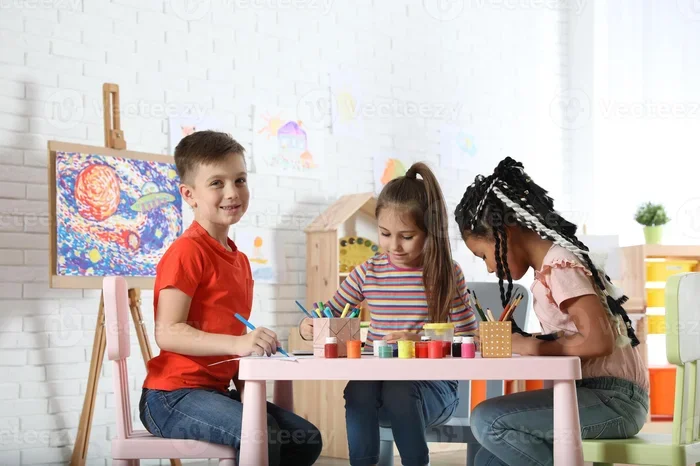
Arts education is not a luxury — it is a fundamental building block for every child’s growth. When children explore music, painting, drama, and dance, they develop critical thinking, emotional intelligence, and academic skills that last a lifetime. This guide breaks down the powerful reasons why arts education belongs in every classroom and every home.
Every parent wants the best for their child. We enroll them in tutoring, sports, and enrichment programs. But there is one area that often gets overlooked — and it might be the most powerful of all. Arts education shapes young minds in ways that go far beyond the classroom. It builds thinkers, dreamers, and confident human beings ready for the real world.
If you have ever watched a child light up while painting, dancing, or playing an instrument, you already know the magic. Arts education is not just about producing little artists. It is about giving every child tools they will use for the rest of their lives. Let us dive into the reasons why this matters so much.
Key Takeaways
- Boosts Academic Performance: Kids involved in arts education often score higher in math, reading, and standardized tests.
- Builds Emotional Intelligence: Creative expression helps children process feelings and build empathy.
- Strengthens Problem-Solving Skills: Arts teach kids to think outside the box and approach challenges creatively.
- Fosters Cultural Awareness: Exposure to diverse art forms broadens children’s worldview and appreciation.
- Enhances Self-Confidence: Performing and creating art gives children a sense of pride and ownership.
- Prepares for Future Careers: Creative skills are in high demand across many industries today.
- Supports Holistic Development: Arts education nurtures the mind, body, and soul together.
📑 Table of Contents
- What Does Arts Education Actually Mean?
- How Arts Education Boosts Academic Performance
- The Emotional and Social Benefits of Creative Learning
- Arts Education and Critical Thinking
- Cultural Awareness and Global Understanding
- Preparing Children for Future Careers
- Common Mistakes Parents Make About Arts Education
- How to Advocate for Stronger Arts Programs
- Key Takeaways
- Conclusion
What Does Arts Education Actually Mean?
When we talk about arts education, we mean much more than just drawing or painting. It covers a wide range of creative disciplines. Music, visual arts, theater, dance, creative writing, and media arts all fall under this umbrella. Each one offers unique benefits that contribute to a child’s overall growth.
Think of it this way. Just as a simile for education draws a comparison to make learning vivid, arts education draws connections between subjects that textbooks alone cannot reach. A child who learns rhythm in music starts to understand patterns in math. A child who acts out a scene begins to see history through someone else’s eyes.
Arts education can happen in schools, community centers, at home, or through online programs. The key is consistency and encouragement. When adults take creative learning seriously, children absorb that message too.
Why Is It Often Undervalued?
Here is the tough truth. Many schools have cut arts programs over the past two decades. Budget pressures and a focus on test scores have pushed creative subjects to the sidelines. Parents sometimes view arts as a fun extra rather than a core need. But research tells a very different story.
Studies from the Arts Education Partnership show that students with regular access to arts education outperform their peers in multiple areas. The decline in creative learning opportunities has created a gap that affects millions of children. Filling that gap is one of the most important things we can do for the next generation.
How Arts Education Boosts Academic Performance
One of the strongest arguments for arts education is its direct impact on grades and test scores. This might surprise parents who think arts and academics are separate worlds. In reality, they are deeply connected.
The Reading and Writing Connection
Children who engage in drama and storytelling develop stronger reading comprehension. They learn to interpret character motivations, understand narrative structure, and express ideas clearly. These skills transfer directly to writing assignments and reading tests.
Similarly, learning about idioms for education through theater exercises helps children grasp figurative language in a hands-on way. When a child acts out the meaning of an idiom, they remember it far better than if they simply read it in a textbook.
Math and Pattern Recognition
Music is built on patterns, fractions, and ratios. When a child learns to read sheet music, they are essentially doing math. Rhythm involves counting and subdivision. Melody involves sequences and intervals. These connections strengthen a child’s mathematical thinking in a fun and engaging way.
Science and Observation
Visual arts teach children to observe the world closely. A painter must notice how light falls on a surface. A sculptor must understand balance and weight. These observation skills are the same ones scientists use every day. Arts education trains the eye and the mind to work together.
The Emotional and Social Benefits of Creative Learning
Beyond grades, arts education plays a vital role in a child’s emotional and social development. These are skills that no standardized test can measure — but they matter enormously in life.
Building Empathy Through Drama
When a child plays a character different from themselves, they step into someone else’s shoes. They learn to feel what others feel. This is empathy in action. Drama and theater exercises give children a safe space to explore emotions, conflicts, and perspectives they might not encounter in daily life.
Think of it like a metaphor for education — acting out a story is a figurative journey that teaches real emotional lessons. A child who portrays a historical figure or a fictional character gains insight into human nature that stays with them forever.
Developing Self-Confidence
Every time a child finishes a painting, performs a song, or shares their creation, they experience a sense of accomplishment. Over time, this builds genuine self-confidence. They learn that their ideas have value. They learn to trust their own voice.
This confidence extends beyond the art room. Children who feel creative and capable are more likely to speak up in class, try new activities, and take healthy risks. Arts education teaches them that making mistakes is part of the process — and that is a life lesson worth its weight in gold.
Improving Social Skills
Group art projects, ensemble music, and theater productions all require teamwork. Children learn to listen, compromise, and collaborate. They discover that the best creations often come from working together, not alone.
These social skills are especially important for children who struggle in traditional classroom settings. Creative learning offers an alternative path to connection and belonging. It gives every child a chance to shine in their own way.
Arts Education and Critical Thinking
We live in a world that demands creative problem solvers. Arts education trains children to think critically from a very young age. Here is how it works.
- Observation: Artists must look carefully at the world around them. This habit of close observation sharpens analytical thinking.
- Interpretation: When children create art, they make choices. Why did they use red instead of blue? What does this shape represent? These decisions build reasoning skills.
- Evaluation: Art has no single right answer. Children learn to assess their own work and the work of others. They develop judgment and perspective.
- Innovation: The arts encourage experimentation. Children learn that there are many ways to solve a problem or express an idea.
These four steps mirror the scientific method and the engineering design process. Arts education is quietly building the same cognitive skills that drive innovation in every field.
Cultural Awareness and Global Understanding
Art is a universal language. Every culture on earth creates art. Through arts education, children explore the music, dance, visual art, and storytelling traditions of people from around the world.
Why Does This Matter?
Children who understand diverse cultures grow into more open-minded adults. They are less likely to judge others based on stereotypes. They appreciate differences and find common ground. In our increasingly connected world, this understanding is not optional — it is essential.
When a child learns a folk song from another country or studies the art of a different civilization, they gain a window into a way of life they might never otherwise experience. Creative learning breaks down walls and builds bridges between people.
Bringing Diversity Into the Art Room
Parents and teachers can make this happen easily. Here are some simple ideas:
- Explore art from different countries and time periods.
- Listen to music from cultures around the world.
- Try traditional crafts from various communities.
- Read stories and folktales from diverse authors.
- Discuss how art reflects the values of different societies.
These small steps add up to a big shift in how children see the world. Arts education turns curiosity into understanding and tolerance into respect.
Preparing Children for Future Careers
Some parents worry that arts education will not lead to stable careers. But the truth is quite the opposite. The modern economy rewards creativity and adaptability like never before.
The Creative Economy Is Growing
Industries like design, media, entertainment, advertising, and technology all depend on creative thinkers. Even fields like healthcare, engineering, and business need people who can innovate and communicate effectively. The skills built through arts education transfer directly to these careers.
According to the World Economic Forum, creativity is consistently ranked among the top skills employers seek. As automation takes over routine tasks, the human ability to imagine, design, and create becomes even more valuable.
Entrepreneurship and Innovation
Many successful entrepreneurs credit their early exposure to the arts for their creative approach to business. The ability to see possibilities where others see problems, to brainstorm freely, and to think in visual and spatial terms — these are all gifts of a strong arts education.
Whether your child becomes a doctor, an engineer, a teacher, or an artist, the creative skills they develop today will serve them in every path they choose.
Common Mistakes Parents Make About Arts Education
Even well-meaning parents can unintentionally undermine the value of creative learning. Here are some pitfalls to avoid.
Treating Arts as a Reward
Saying “Finish your homework and then you can draw” sends the message that art is less important. Try to give arts the same weight as other subjects in your child’s routine.
Focusing Only on Talent
Not every child will become a professional artist — and that is perfectly fine. The goal of arts education is not to create prodigies. It is to develop creative thinkers and confident individuals. Praise effort and exploration, not just results.
Skipping the Process
Parents often want to see a finished product. But the real learning happens during the creative process. Ask your child what they enjoyed about making something, not just what it looks like.
Underestimating Everyday Creativity
Arts education does not require expensive supplies or formal classes. Building with blocks, cooking together, making up songs in the car — all of these are creative learning moments. Recognize and celebrate them.
How to Advocate for Stronger Arts Programs
If your child’s school has limited arts offerings, you are not powerless. Here are practical steps you can take.
Talk to School Leaders
Attend school board meetings and share your support for arts education. Bring research and personal stories. Administrators respond to parent voices, especially when those voices are consistent and informed.
Support Community Programs
Local libraries, community centers, and nonprofits often offer affordable or free arts classes. These programs can fill the gaps left by school budgets. Look for youth art workshops, music lessons, and theater camps in your area.
Create a Creative Home Environment
Keep art supplies accessible. Play music at home. Read stories aloud. Visit museums and galleries together. When creativity is part of your family culture, arts education becomes a natural part of your child’s life.
Partner with Other Parents
Join or start a parent group focused on arts enrichment. Collective voices are louder. Together, you can fundraise for supplies, invite guest artists, or organize school-wide creative events.
Key Takeaways
- Arts education strengthens academic skills in reading, math, and science through creative connections.
- It builds emotional intelligence by teaching empathy, self-expression, and self-confidence.
- Creative learning develops critical thinking and problem-solving abilities that last a lifetime.
- Exposure to diverse art forms fosters cultural awareness and global understanding.
- Arts skills are in high demand in today’s economy and prepare children for future careers.
- Every child benefits from arts education, regardless of their natural talent or background.
- Advocacy matters. Parents and communities can make a real difference in the quality and availability of creative learning programs.
Conclusion
Arts education is one of the most valuable gifts we can give our children. It nurtures their minds, hearts, and spirits in ways that no other subject can. From better grades to stronger emotional health, from cultural awareness to future career readiness, the benefits are clear and well-documented.
Every child deserves the chance to create, imagine, and express themselves. By championing arts education in our homes, our schools, and our communities, we invest in a brighter, more creative, and more compassionate future for everyone.
So pick up those crayons. Turn on the music. Step onto the stage. Let your child’s creative journey begin today. The skills they build through creative learning will stay with them forever.
Frequently Asked Questions
Why is arts education important for child development?
Arts education supports every aspect of child development. It strengthens cognitive skills like math and reading, builds emotional intelligence through self-expression, and develops social skills through collaboration. Children who engage in creative learning become more confident, empathetic, and adaptable individuals.
Does arts education really improve academic performance?
Yes, research consistently shows that students with regular access to arts education perform better academically. Music enhances pattern recognition and math skills. Drama improves reading comprehension and vocabulary. Visual arts strengthen observation and analytical thinking. The benefits are real and measurable.
What if my child is not naturally talented in the arts?
That is perfectly okay. The goal of arts education is not to create professional artists. It is to develop creative thinkers, confident communicators, and emotionally intelligent individuals. Every child can benefit from creative learning, regardless of their skill level.
How can parents support arts education at home?
Keep art supplies available and accessible. Encourage creative play without judgment. Visit museums, attend concerts, and read stories together. Make creativity a regular part of your family routine. Simple activities like cooking, building, and storytelling all count as creative learning.
Are arts programs really being cut from schools?
Unfortunately, yes. Many schools have reduced or eliminated arts programs due to budget constraints and a focus on standardized testing. This trend has left a significant gap in children’s education. Parents and communities can help by advocating for stronger arts programs and supporting community-based alternatives.
What age should children start arts education?
It is never too early. Children benefit from creative experiences from infancy onward. Toddlers can explore finger paints and simple rhythms. Preschoolers can engage in imaginative play and storytelling. By elementary school, children can participate in structured music, art, and drama programs. The key is to make creative learning a joyful and consistent part of their lives from the start.


