
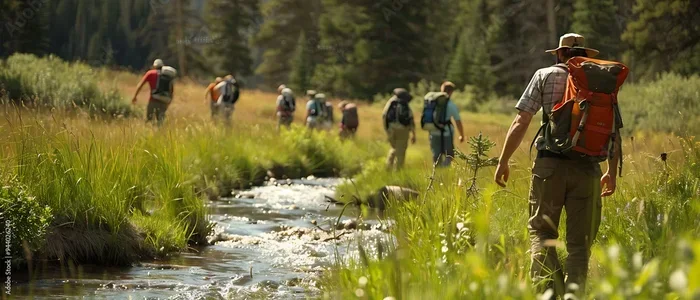
Becoming a wildlife biologist starts with a solid foundation in biology, ecology, and conservation science. Most professionals need at least a bachelor’s degree in wildlife biology or a related field, while advanced roles often require a master’s or PhD. This guide walks you through every step of the education journey to help you launch a rewarding career as a wildlife biologist.
If you have ever dreamed of studying animals in their natural habitats, a career as a wildlife biologist might be your perfect path. But before you can step into the field, you need to understand what education you need to be a wildlife biologist. The journey involves several years of focused study, hands-on training, and a genuine passion for the natural world.
Wildlife biology sits at the crossroads of many scientific disciplines. It combines elements of zoology, ecology, and environmental science to help us understand animal populations and their habitats. Whether you want to track endangered species or restore damaged ecosystems, the right education gives you the tools to make a real difference.
The path to becoming a wildlife biologist is not always straightforward. Different roles require different levels of education. Some positions welcome graduates with a bachelor’s degree, while others demand advanced degrees and years of specialized training. Let us walk through every step so you know exactly what to expect.
Education plays a huge role in shaping your career. In fact, much of what we learn in school involves figurative language that helps us think more creatively about science. For instance, educators often use similes for education to explain complex ideas in simpler terms. Similarly, understanding how metaphors for education work can improve how you communicate scientific findings to the public. These communication skills matter just as much as your technical knowledge.
Key Takeaways
- Bachelor’s Degree: A bachelor’s degree in wildlife biology, zoology, or ecology is the minimum requirement for entry-level positions in the field.
- Advanced Degrees Matter: A master’s or PhD opens doors to leadership, research, and specialized roles in conservation science.
- Hands-On Experience: Field research and internships are just as important as classroom learning for building real-world skills.
- Key Subjects: Biology coursework in ecology, genetics, and animal behavior forms the core of wildlife biology education.
- Certifications Help: Additional certifications in wildlife management and endangered species handling boost your career prospects significantly.
- Strong Job Outlook: The demand for wildlife biologists is growing, especially in wildlife conservation and habitat restoration.
📑 Table of Contents
What Does a Wildlife Biologist Do?
A wildlife biologist studies animals and their environments. The goal is to understand how species interact with their habitats and with each other. This work supports wildlife management efforts and helps protect biodiversity around the world.
Day-to-Day Responsibilities
On a typical day, a wildlife biologist might collect samples from animal populations. You could spend hours in the field tracking migration patterns or setting up camera traps. Back in the lab, you analyze data and write reports about your findings.
Some professionals focus on habitat restoration. Others work on conservation programs designed to protect endangered species. The day-to-day tasks vary widely depending on your employer and specialty. Each role contributes to the bigger picture of preserving our natural ecosystems.
Types of Wildlife Biology Careers
Wildlife biology offers many different career paths. Here are some common options:
- Field Research Scientist: Collects data directly from natural environments and studies animal behavior in the wild.
- Wildlife Technician: Assists senior biologists with monitoring populations, collecting samples, and maintaining equipment.
- Conservation Officer: Enforces wildlife protection laws and regulations to ensure species are legally safeguarded.
- Marine Biologist: Focuses on ocean-dwelling species and aquatic ecosystems in coastal and deep-sea environments.
- Wildlife Manager: Oversees conservation programs and manages animal populations within protected areas.
Each role requires a solid educational foundation. The level of education you pursue will shape which doors open for you in the world of wildlife conservation.
Education Requirements for Wildlife Biologists
The education requirements for wildlife biologists start with a strong undergraduate foundation. Most entry-level positions require at least a bachelor’s degree. This typically takes four years of full-time study and provides the essential knowledge base you need.
Bachelor’s Degree in Wildlife Biology
A bachelor’s degree in wildlife biology is the most direct route into the field. Programs cover core subjects like animal behavior, population dynamics, and genetics. You will also take courses in statistics and research methods, which are essential for analyzing wildlife data accurately.
If a dedicated wildlife biology program is not available, related degrees work well too. Zoology, ecology, and environmental science all provide a strong foundation. The key is to choose a program that includes biology coursework focused on wildlife and natural ecosystems. Look for programs that offer lab work and field excursions as part of the curriculum.
Important Coursework and Subjects
During your undergraduate years, certain subjects carry extra weight. Ecology teaches you how organisms interact with their environment. Genetics helps you understand population diversity and inheritance patterns. Animal behavior courses give insight into how species respond to changes in their habitat.
Statistics and research methods are equally important. Wildlife biologists must interpret data accurately. Strong analytical skills come from rigorous training in these areas. You will also benefit from courses in chemistry and physics, which support your understanding of environmental systems.
Many programs also include fieldwork components. These hands-on experiences let you practice skills outside the classroom. You might study animal habitats in local forests or wetlands, giving you real-world exposure early in your education. Fieldwork is often the most memorable part of a biology degree.
Advanced Degrees and Specializations
While a bachelor’s degree gets you started, advanced education sets you apart. A graduate degree opens access to higher-paying roles and more specialized work. Many professionals in wildlife conservation pursue master’s or doctoral studies to deepen their expertise.
Master’s Degree in Wildlife Biology
A master’s degree typically takes two to three years beyond a bachelor’s. It allows you to dive deeper into a specific area of interest. Common specializations include wildlife ecology, conservation biology, and marine biology.
During a master’s program, you will complete a thesis or capstone project. This gives you the chance to conduct original scientific research. Many employers value this experience because it shows you can manage a project from start to finish. You will also build stronger analytical and writing skills.
A master’s degree also boosts your earning potential. Wildlife biologists with advanced degrees often qualify for leadership positions. You might manage a team of researchers or lead a major conservation initiative. Graduate education helps you stand out in a competitive job market.
PhD Opportunities in Wildlife Biology
A PhD is the highest level of education in this field. It is ideal for those who want to lead independent research or teach at the university level. PhD programs usually take four to six years and involve extensive original research in your chosen specialty.
With a PhD, you can work on cutting-edge conservation science. You might study the effects of climate change on animal habitats or develop new strategies for protecting endangered species. These roles carry significant responsibility and offer the chance to shape the future of wildlife management.
PhD holders often work in academia, government agencies, or nonprofit conservation organizations. The research you conduct during your doctoral studies can have lasting impacts on global biodiversity. It is a serious commitment, but the rewards are substantial for those passionate about the field.
Certifications and Licenses
Beyond formal degrees, certifications add value to your resume. They show employers that you have specialized skills and knowledge. Several organizations offer wildlife-related certifications that can strengthen your career profile and open new opportunities.
The Wildlife Society offers professional certification for qualified biologists. This credential demonstrates your commitment to ethical scientific practices. Some states also require specific licenses for wildlife management roles, especially those involving endangered species or regulated habitats.
Certifications in wildlife handling, hazardous materials, or boat operation can also help. These practical credentials are especially useful for field-based positions. They show that you are ready to work safely in diverse environments. Consider earning certifications that align with the specific type of wildlife biology work you want to pursue.
Skills You Will Build During Your Education
Education in wildlife biology builds more than just academic knowledge. You develop a range of skills that matter on the job every single day. These skills prepare you for the challenges and rewards of working with wildlife in natural settings.
Field Research Skills
Field research is a cornerstone of wildlife biology. Your education teaches you how to observe animals without disturbing their natural behavior. You learn to set up equipment, collect samples, and record accurate data in challenging outdoor conditions.
These skills take practice. Many programs include extended field trips where you live and work in remote areas. This hands-on training prepares you for the realities of a career in wildlife. You will learn to adapt to weather, terrain, and long hours outdoors.
Analytical and Research Skills
Wildlife biologists must interpret complex data sets. Your coursework in statistics and research methods builds these abilities. You learn to use software tools for data analysis and to present findings in clear, compelling reports.
Strong analytical skills also help you evaluate the health of animal populations. You can identify trends that signal environmental problems or successful conservation efforts. These skills transfer to many roles within the broader field of natural resources management.
Communication Skills
Science means little if you cannot share it effectively. Wildlife biology programs emphasize written and oral communication. You learn to write research papers, present at conferences, and explain findings to non-scientists.
Interestingly, the way we use language in education shapes how well we understand science. Understanding idioms for education can make your communication more relatable and engaging. When you explain a complex concept about wildlife conservation, a well-chosen expression can make your message stick with any audience. Strong communication skills set apart the best wildlife biologists from the rest.
Career Outlook and Salary Expectations
The career outlook for wildlife biologists is positive. Growing awareness of environmental issues has increased demand for professionals in this field. Government agencies, nonprofit organizations, and private companies all hire wildlife biologists to support their conservation goals.
Salary varies based on education and experience. Entry-level positions with a bachelor’s degree typically start at moderate pay. With a master’s degree or PhD, earning potential increases significantly. Wildlife biologists in leadership or research roles often earn well above average.
Location also matters. Areas with rich biodiversity or active conservation programs tend to offer more opportunities. States with large natural reserves or coastal regions often have the highest demand for wildlife management professionals. The Bureau of Labor Statistics projects steady growth for zoologists and wildlife biologists in the coming years.
The job market for wildlife biologists is expected to grow as natural resources face increasing pressure. As ecosystems around the world need more attention, the need for skilled professionals will only rise. This makes now an excellent time to pursue education in this rewarding field.
Conclusion
The education you need to be a wildlife biologist combines formal degrees, hands-on fieldwork, and a genuine love for the natural world. Starting with a strong bachelor’s program and potentially advancing to graduate studies, each step builds your expertise in conservation science and wildlife management. The path is challenging but deeply rewarding.
Whether you aim to protect endangered species or restore damaged habitats, the right education gives you the foundation to succeed. Start by choosing a strong undergraduate program, seek out hands-on experiences, and consider how advanced study can deepen your expertise. Every course you take and every field trip you join brings you closer to your goal.
The journey requires dedication, but the reward is a career that truly matters. Wildlife biologists play a vital role in preserving the natural world for future generations. Your education is the first and most important step toward making that difference.
Frequently Asked Questions
What degree do you need to become a wildlife biologist?
A bachelor’s degree in wildlife biology, zoology, or a related field is the minimum requirement. For advanced or leadership roles, a master’s degree or PhD in wildlife biology or conservation science is highly recommended and often required.
How long does it take to become a wildlife biologist?
A bachelor’s degree takes about four years. If you pursue a master’s degree, add two to three more years. A PhD can take an additional four to six years beyond that, depending on your research focus and program requirements.
Can I work as a wildlife biologist with a degree in environmental science?
Yes, environmental science is a strong alternative. Just make sure your program includes relevant biology coursework in ecology, genetics, and animal behavior. These subjects are essential for a successful career in wildlife biology and conservation.
Do wildlife biologists need field experience during their education?
Absolutely. Field experience is critical. Most wildlife biology programs include hands-on fieldwork that teaches you how to collect data, observe animal habitats, and work safely in diverse outdoor environments. This experience is invaluable for your career.
What is the difference between a wildlife biologist and a wildlife technician?
A wildlife biologist typically holds at least a bachelor’s degree and leads research projects or studies. A wildlife technician usually has an associate’s or bachelor’s degree and assists biologists with data collection, fieldwork tasks, and equipment maintenance.
Is a PhD necessary for a career in wildlife biology?
No, a PhD is not required for most positions. However, if you want to lead independent research, teach at a university, or specialize in a niche area like marine biology or conservation genetics, a doctoral degree gives you a significant advantage.


