
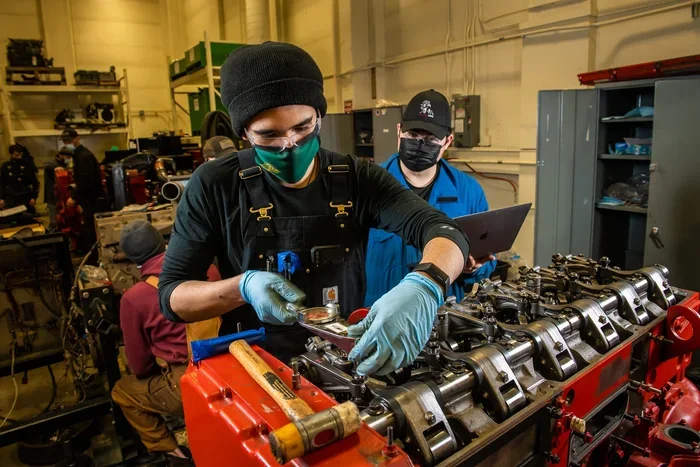
Becoming a diesel mechanic requires a mix of formal education, hands-on training, and industry certifications. Most paths start with a high school diploma or GED, followed by post-secondary training at a technical school or community college. Earning certifications like ASE credentials boosts your job prospects and earning potential significantly.
So you are thinking about becoming a diesel mechanic. That is a solid career choice. Diesel engines power some of the biggest and most important machines out there. From trucks to construction equipment, someone has to keep all of that running smoothly. And that someone can be you.
But before you dive in, you probably want to know what education do you need to be a diesel mechanic. The good news is that there are several paths to get there. You do not need a four-year college degree to start working in this field. What you do need is the right mix of basic education, technical training, and real-world experience.
This guide breaks down every step of the diesel mechanic education journey. We will cover everything from high school requirements to advanced certifications. By the end, you will have a clear picture of what it takes to launch your diesel mechanic career.
Key Takeaways
- High School Foundation: A diploma or GED is the essential starting point for any diesel mechanic career.
- Post-Secondary Training: Certificate, diploma, or associate degree programs from technical schools provide critical diesel technology knowledge.
- Certifications Matter: ASE certifications are widely respected and can increase your salary and job opportunities.
- Hands-On Experience: Apprenticeships and on-the-job training are just as important as classroom learning.
- Continuing Education: The diesel industry evolves constantly, so ongoing learning keeps you competitive.
- Multiple Pathways: You can enter the field through several routes — there is no single “right” way.
- Strong Job Outlook: Qualified diesel mechanics are in high demand across transportation, construction, and marine industries.
📑 Table of Contents
What Does a Diesel Mechanic Actually Do?
A diesel mechanic specializes in repairing and maintaining diesel engines. These engines are different from regular gasoline engines. They are tougher, more efficient, and used in heavy-duty vehicles and equipment. A diesel mechanic works on things like semi-trucks, buses, generators, and construction machinery.
Every day on the job might look different. One morning you could be diagnosing an engine problem. The next afternoon you might be replacing a transmission or fixing a fuel system. Diesel engine repair requires both technical knowledge and practical skills. You need to understand how these complex machines work inside and out.
Core Skills Every Diesel Mechanic Needs
- Diagnostic Skills: You must be able to identify problems quickly and accurately.
- Mechanical Knowledge: Understanding engines, brakes, electrical systems, and hydraulics is essential.
- Tool Proficiency: You will use a wide range of hand tools, power tools, and diagnostic computers.
- Problem-Solving: Every repair is a puzzle. You need to think critically and find solutions.
- Physical Stamina: The work can be demanding. You will be on your feet and sometimes in tight spaces.
Having strong diesel mechanic skills makes a huge difference on the job. These skills are built through education and practice over time.
High School Education: Your First Step
Before you can enroll in advanced diesel mechanic training, you need a solid educational foundation. For most programs, a high school diploma or GED is the minimum requirement. This is non-negotiable. Without it, your options will be very limited.
While you are still in high school, there are certain classes that give you a head start. Math classes like algebra and geometry help you understand measurements and tolerances. Science classes, especially physics, teach you how forces and energy work in engines. English and communication courses help you read technical manuals and talk to customers.
High School Courses That Help
- Automotive Shop Classes: If your school offers them, take them. They give you early exposure to tools and basic repairs.
- Mathematics: You will use math daily for measurements, calculations, and diagnostics.
- Physics: Understanding how engines work starts with basic physics principles.
- English and Technical Writing: Reading service manuals and writing repair reports requires strong communication skills.
- Computer Basics: Modern diesel engines rely heavily on computer systems. Basic tech skills are a big advantage.
Some high schools even offer vocational training diesel programs. These are fantastic if they are available to you. They let you start building real skills before you even graduate.
Post-Secondary Training Options
After high school, you have several options for diesel mechanic school. Each path has its own benefits. The right choice depends on your goals, budget, and timeline.
Certificate and Diploma Programs
Certificate and diploma programs are the fastest way to get trained. These programs typically take between six months and one year to complete. They focus specifically on diesel technology and hands-on repair skills. You will learn about fuel systems, brakes, electrical systems, and engine overhaul.
Community colleges and technical schools offer these programs. They are affordable and designed to get you job-ready quickly. Many programs also help you find internships or entry-level positions after graduation.
Associate Degree Programs
An associate degree in diesel technology takes about two years. It covers the same core topics as a certificate program but also includes general education courses. You will study more in-depth topics like hydraulic systems, advanced diagnostics, and fleet management.
An associate degree can give you an edge when applying for jobs. Some employers prefer candidates with a degree because it shows a broader educational foundation. It also positions you for future advancement into management roles.
Comparing the Paths
Choosing between a certificate and an associate degree depends on your goals. A certificate gets you into the workforce fast. An associate degree opens more doors in the long run. Think about what matters most to you — speed or depth of education.
When you are exploring options, understanding how different learning approaches work can help. Just as idioms for education give you powerful ways to talk about learning, choosing the right program gives you the best foundation for your career. The path you pick shapes how you see and enter the field.
Apprenticeships: Learning While Earning
An apprenticeship combines classroom learning with paid on-the-job training. You work under experienced mechanics and learn by doing. Apprenticeships typically last two to four years. They are an excellent way to earn money while you learn.
Many unions and trade organizations offer diesel mechanic apprenticeship programs. These are highly structured and provide a clear pathway to full certification. Apprenticeships are especially valuable because you build real relationships in the industry while you train.
Certifications and Licenses
Certifications are not always legally required, but they are extremely important. Most employers look for certified mechanics. A certification proves that you have the skills and knowledge to do the job well.
ASE Certification
The National Institute for Automotive Service Excellence (ASE) is the gold standard in mechanic certifications. For diesel mechanics, there are specific ASE ASE certification diesel tests. These cover areas like electrical systems, brakes, and engine repair.
To earn ASE certification, you need a combination of work experience and passing exams. Most mechanics need at least two years of experience before they can test. You can take the exams one at a time or all at once.
Manufacturer Certifications
Some diesel manufacturers offer their own certification programs. These are specific to brands like Cummins, Caterpillar, or Detroit Diesel. Manufacturer certifications can make you more attractive to dealers and specialized shops that work on those brands.
State Licenses
Depending on where you live, you may need a state license to operate as a diesel mechanic. Requirements vary by state. Check with your local licensing board to find out what is needed in your area. Some states require environmental certifications for handling refrigerants and hazardous materials.
Hands-On Experience and Training
Classroom learning is important, but it is not enough on its own. Diesel shop experience is where you truly develop your abilities. Working on real engines, diagnosing real problems, and dealing with real customers teaches you things no textbook can.
Many diesel mechanic training programs include lab work and shop time. You will practice on actual diesel engines and vehicles. This hands-on component is critical. It bridges the gap between theory and real-world application.
After graduation, look for entry-level positions that give you exposure to different types of repairs. The more variety you experience, the more well-rounded your diesel mechanic qualifications become. Over time, you will build confidence and expertise that sets you apart from others in the field.
Building Your Portfolio of Experience
- Start with basic maintenance: Oil changes, brake jobs, and tire rotations build your foundation.
- Move to diagnostics: Learning to use diagnostic computers is a high-value skill.
- Seek specialized work: Focusing on areas like marine diesel or heavy equipment can boost your earning potential.
- Document everything: Keep records of the repairs you have completed. This helps when applying for certifications or better jobs.
The way you approach your training can also shape your mindset. Think of each learning experience as building blocks — much like similes for education help you compare and understand different paths, each training experience helps you see where you fit in the bigger picture of your career.
Continuing Education and Career Growth
The diesel industry never stops evolving. New technologies, cleaner fuel standards, and advanced computer systems change the way engines work. To stay competitive, you need to keep learning throughout your career.
Many manufacturers offer ongoing training programs. These courses keep you up to date on the latest engine designs and repair techniques. Some employers will even pay for your continuing education. This is a great benefit to look for when job hunting.
Advanced Career Paths
With experience and additional education, you can move into specialized roles. Some mechanics become heavy equipment technicians. Others move into fleet management or shop supervision. You could also start your own diesel repair shop one day.
The diesel mechanic salary tends to increase as you gain experience and certifications. Entry-level mechanics can expect a solid starting wage. Senior mechanics and specialists often earn significantly more. Your earning potential grows directly with your education and skill level.
Just as metaphors for education help us understand the deeper meaning of learning, ongoing training transforms your career from a job into a lifelong profession. The investment you make in your education pays off in ways you might not expect.
How Education Shapes Your Earning Potential
| Education Level | Average Starting Salary | Mid-Career Salary Range |
|---|---|---|
| High School Diploma Only | $30,000 – $35,000 | $38,000 – $45,000 |
| Certificate/Diploma | $35,000 – $42,000 | $45,000 – $58,000 |
| Associate Degree | $40,000 – $48,000 | $52,000 – $68,000 |
| ASE Certified + Experience | $42,000 – $50,000 | $55,000 – $75,000+ |
As you can see, investing in education pays off. Each level of training opens up higher-paying opportunities. The diesel mechanic requirements for advanced roles often include additional certifications and specialized knowledge.
Common Mistakes to Avoid
Many people make avoidable mistakes when pursuing a diesel mechanic pathway. Here are a few to watch out for.
- Skipping foundational education: Do not underestimate the value of a high school diploma. It is the gateway to everything else.
- Choosing the wrong program: Not all training programs are equal. Research accreditation, job placement rates, and instructor quality.
- Ignoring certifications: Some people think experience alone is enough. Certifications give you credibility and often lead to higher pay.
- Neglecting hands-on practice: Book knowledge is useless without the ability to apply it in a real shop environment.
- Stopping your education early: The industry changes fast. Mechanics who stop learning fall behind quickly.
Like a skilled craftsperson who is described with precision, much like similes for a person capture the essence of who someone is, your education and experience together define the professional you become.
Expert Insights on Diesel Mechanic Education
Industry professionals consistently emphasize the importance of a strong educational foundation. Experienced shop owners say they look for candidates who combine formal training with real-world skills. They value mechanics who can diagnose problems independently and communicate clearly with customers.
One veteran diesel technician shared that the best mechanics never stop learning. Technology in diesel engines has changed dramatically in the last decade. Computers, sensors, and electronic controls now play a huge role in how engines operate. Mechanics who stay current with these advancements have the best career prospects.
Another expert pointed out that soft skills matter just as much as technical knowledge. Being able to work well in a team, manage your time, and handle customer interactions sets great mechanics apart from good ones. Your education should include opportunities to develop these interpersonal skills as well.
Final Thoughts
So, what education do you need to be a diesel mechanic? The answer is simpler than you might think. Start with a high school diploma or GED. Then pursue formal training through a certificate, diploma, or associate degree program. Add certifications like ASE credentials to boost your credentials. And never stop gaining hands-on experience.
The path to becoming a diesel mechanic is flexible and accessible. You do not need a university degree. You need dedication, curiosity, and a willingness to learn. With the right diesel mechanic education, you can build a rewarding career that keeps you busy, challenges your mind, and pays well.
The diesel industry needs skilled technicians. If you are willing to put in the work to get the right education and training, you will find plenty of opportunities waiting for you. Start today. Your future as a diesel mechanic begins with the first step you take toward your education.
Frequently Asked Questions
Can I become a diesel mechanic without a college degree?
Yes, absolutely. Many successful diesel mechanics start with just a high school diploma and a certificate program. Hands-on experience and certifications often matter more than a degree in this field.
How long does diesel mechanic training take?
Certificate programs take six months to one year. Associate degree programs take about two years. Apprenticeships can last two to four years. The timeline depends on the path you choose.
Is ASE certification required to work as a diesel mechanic?
No, ASE certification is not legally required in most states. However, most employers prefer or require it. Having ASE credentials significantly improves your job prospects and earning potential.
What is the average salary for a diesel mechanic?
Entry-level diesel mechanics typically earn between $30,000 and $42,000 per year. With experience and certifications, mid-career salaries can range from $45,000 to $75,000 or more.
Do I need a special license to work on diesel engines?
Some states require specific licenses, especially for handling refrigerants or working on certain types of equipment. Check with your state licensing board for exact requirements in your area.
Can I specialize in a specific type of diesel repair?
Yes, many mechanics specialize in areas like marine diesel, heavy equipment, or specific engine brands like Cummins or Caterpillar. Specialization often leads to higher pay and more job opportunities.


