
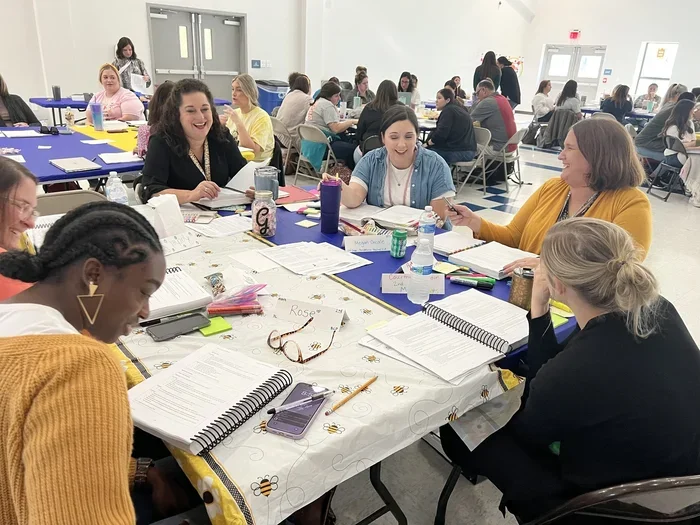
Professional development in education is the ongoing process that helps teachers grow, improve their teaching skills, and boost student outcomes. It matters because it keeps educators up to date with the latest instructional strategies and learning objectives. Strong professional development also supports teacher retention and school improvement. When educators invest in skill development, their students benefit the most. This guide covers why it matters, how it works, and what schools can do better.
Professional development in education is not just a box to check. It is a powerful tool that shapes how teachers teach and how students learn. Every year, the world of education changes. New research comes out. New tools enter the classroom. Teachers who keep learning stay ahead of these shifts. They become better at what they do every single day.
So why does professional development matter so much? The short answer is simple. Teachers are the heart of any school. When teachers grow, schools grow. When teachers improve their teaching methods, students achieve more. This article breaks down the real reasons professional development in education is so important. You will learn about its benefits, challenges, and practical ways to make it work.
Key Takeaways
- Teacher Growth: Professional development helps educators build stronger teaching methods and gain confidence in the classroom.
- Better Student Outcomes: Well-trained teachers use effective teaching strategies that raise academic achievement and engagement.
- Career Advancement: Ongoing learning opens doors to leadership roles and higher qualifications in education.
- Stronger Schools: Investing in educator training leads to better classroom improvement and overall school performance.
- Community Building: Professional learning communities create a support system that encourages collaboration and shared growth.
- Modern Skills: Continuing education ensures teachers can adapt to new curriculum development trends and technology.
📑 Table of Contents
- What Is Professional Development in Education?
- Why Professional Development Matters for Teachers
- How Professional Development Improves Student Outcomes
- The Role of Professional Learning Communities
- Key Benefits for Schools and Educational Leadership
- Common Challenges in Professional Development and How to Overcome Them
- Final Thoughts on Professional Development in Education
What Is Professional Development in Education?
Professional development in education refers to the training and learning activities that educators take part in throughout their careers. It is not a one-time event. It is a continuous journey. This journey includes workshops, courses, coaching, and collaboration with peers.
The goal of educator training is to improve teaching skills and instructional strategies. It also helps teachers meet new learning objectives set by schools and districts. Good professional development programs focus on real classroom needs. They do not just talk theory. They give teachers practical tools they can use right away.
Think of it like this. A doctor never stops learning after medical school. A lawyer never stops studying new laws. Teachers should feel the same way. Continuing education keeps them sharp, motivated, and effective.
Why Professional Development Matters for Teachers
Teachers face many challenges every day. Large class sizes. Diverse student needs. Limited resources. Professional development gives them the support they need to handle these challenges with confidence.
Boosts Teaching Skills and Confidence
When teachers attend educator training, they learn new teaching methods and instructional strategies. These new skills make them more effective in the classroom. They learn how to explain tough concepts in simpler ways. They discover fresh classroom improvement techniques that engage students.
Confidence grows with every new skill a teacher masters. A confident teacher creates a better learning environment. Students feel safer and more motivated to participate. This is one of the most direct benefits of strong professional development.
Supports Career Advancement
Professional development also opens doors for teachers who want to grow in their careers. Many leadership roles in schools require additional training. Educational leadership positions often look for educators who have invested in their own skill development.
Teachers who pursue ongoing learning are more likely to:
- Move into department head roles
- Become instructional coaches
- Take on mentoring responsibilities for new teachers
- Earn advanced certifications and degrees
- Influence school-wide curriculum development decisions
In short, professional development in education is an investment in a teacher’s future. It pays off in both personal satisfaction and career opportunities.
How Professional Development Improves Student Outcomes
The ultimate goal of any professional development program is to improve outcomes for students. When teachers get better, students get better too. The research backs this up clearly.
Better Instructional Strategies Lead to Better Learning
Teachers who receive quality educator training bring better instructional strategies into their classrooms. They learn how to differentiate instruction for students with different needs. They discover new ways to make lessons more interactive and memorable.
For example, a teacher who learns about similes for education might use creative comparisons to help students understand complex topics. Similarly, a teacher trained in metaphors for education can make abstract ideas feel more concrete and relatable. These techniques come from strong professional development programs that focus on practical classroom application.
Higher Academic Achievement and Engagement
Studies show that schools with strong professional development programs see higher academic achievement among their students. Why? Because well-trained teachers set clearer learning objectives. They use more effective teaching methods. They create classrooms where students feel inspired to learn.
Student engagement goes up when teachers use fresh and relevant approaches. Boring lessons lose students. Dynamic lessons pull them in. Professional development gives teachers the tools to make lessons dynamic and meaningful every day.
The Role of Professional Learning Communities
One of the most powerful forms of professional development happens when teachers work together. Professional learning communities (PLCs) are groups of educators who meet regularly to share ideas and solve problems.
In a PLC, teachers do not just learn from outside experts. They learn from each other. They share what works. They talk about challenges. They brainstorm solutions together. This kind of collaborative learning is incredibly effective.
Here is why PLCs matter so much:
- They create a safe space for honest feedback
- They encourage shared responsibility for student outcomes
- They build a culture of continuous skill development
- They reduce teacher isolation and burnout
- They help schools align their instructional strategies across grade levels
When teachers feel supported by their peers, they are more likely to stay in the profession. This directly impacts teacher retention, which is a major concern in education today.
Even idioms and figurative language used in education benefit from a strong PLC. Teachers can share resources like idioms for education, similes for education, and metaphors for education to make learning more fun and relatable for students.
Key Benefits for Schools and Educational Leadership
Professional development does not just help individual teachers. It benefits entire schools and districts. Strong educational leadership recognizes this and invests accordingly.
Drives School Improvement
Schools that prioritize professional development see real school improvement over time. Teachers adopt better classroom improvement practices. Test scores rise. Parent satisfaction grows. The whole school culture shifts in a positive direction.
Strengthens Curriculum Development
When teachers participate in professional development, they contribute to curriculum development efforts. They bring real classroom experience to the table. This makes the curriculum more relevant, engaging, and effective for all students.
Good curriculum development also ensures that learning objectives are clear and consistent across classrooms. This consistency helps students succeed regardless of which teacher they have.
Common Challenges in Professional Development and How to Overcome Them
Not all professional development programs work well. Some fail to make a real difference. Understanding common challenges helps schools fix them.
Challenge 1: One-Size-Fits-All Training
Many schools offer the same training to every teacher. But teachers have different needs. A veteran teacher may need something very different from a first-year teacher. The best professional development is personalized. It addresses specific teaching skills gaps and goals.
Challenge 2: Lack of Follow-Up
A one-day workshop is not enough. Teachers need time to practice new instructional strategies. They need feedback and support after training ends. Schools should offer instructional coaching and follow-up sessions to make sure new skills stick.
Challenge 3: Low Engagement
If teachers do not see the value in professional development, they will not engage. Schools can fix this by letting teachers choose their own learning paths. Offering relevant and practical topics increases buy-in dramatically.
Challenge 4: Time Constraints
Teachers are busy. Finding time for continuing education is hard. Schools can solve this by embedding professional development into the school day. Early release days, peer observation time, and PLC meetings all help.
Final Thoughts on Professional Development in Education
Professional development in education is one of the most important investments a school can make. It helps teachers grow, students succeed, and schools improve. The benefits are clear and well-documented.
Every teacher deserves access to high-quality learning opportunities. Every school leader should make professional development a top priority. When we invest in our educators, we invest in our future.
The journey of professional development never really ends. It is a lifelong process. And that is exactly what makes it so powerful. Great teachers never stop learning. And great schools never stop growing.
Frequently Asked Questions
What is professional development in education?
Professional development in education refers to the ongoing training and learning activities that educators participate in to improve their teaching skills, instructional strategies, and classroom effectiveness. It includes workshops, courses, coaching, and collaboration with peers throughout a teacher’s career.
Why is professional development important for teachers?
Professional development helps teachers build new skills, gain confidence, and stay updated with the latest teaching methods. It also supports career advancement and helps educators meet the diverse needs of their students more effectively.
How does professional development improve student outcomes?
When teachers receive quality training, they use better instructional strategies and teaching methods in the classroom. This leads to higher student engagement, improved academic achievement, and a more positive learning environment for all students.
What are professional learning communities?
Professional learning communities (PLCs) are groups of educators who meet regularly to share ideas, discuss challenges, and collaborate on improving teaching practices. They are one of the most effective forms of ongoing professional development because they encourage peer-to-peer learning and shared responsibility for student success.
What are common challenges in professional development?
Common challenges include one-size-fits-all training that does not address individual teacher needs, lack of follow-up after workshops, low teacher engagement, and time constraints. Schools can overcome these by offering personalized learning, instructional coaching, and embedding development into the school day.
How can schools make professional development more effective?
Schools can make professional development more effective by offering personalized and relevant training, providing follow-up support and coaching, encouraging teacher choice in learning topics, and creating a culture of continuous growth and collaboration among educators.
=== CONCLUSION ===
Professional development in education is not optional. It is essential. Teachers who keep learning become better at their craft. Students who learn from well-trained teachers achieve more. Schools that invest in educator training see lasting improvement across every area.
The benefits of professional development are clear. It boosts teaching skills, improves student outcomes, and strengthens educational leadership. It helps teachers advance their careers and find renewed passion for their work. It creates professional learning communities where collaboration and growth are the norm.
If you are a teacher, ask your school about upcoming professional development opportunities. If you are a school leader, make professional development in education a priority in your school improvement plan. The investment pays off in ways that reach far beyond the classroom.
Start today. Your teachers and your students will thank you for it.


