
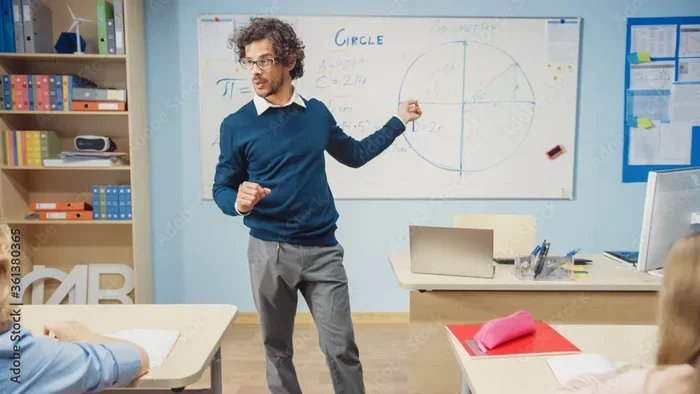
Modeling in education is a teaching strategy where teachers demonstrate skills, behaviors, or processes so students can learn by watching and imitating. It draws from social learning theory and helps students grasp complex concepts faster. This article covers what modeling in education is, how it works, and why every teacher should use it.
Teaching is not just about talking. It is about showing. When a teacher stands in front of a class and demonstrates a skill step by step, something powerful happens. Students watch, absorb, and then replicate. This is the heart of modeling in education. It is one of the most effective and research-backed teaching strategies used in classrooms around the world.
Whether you are a new teacher looking for fresh ideas or a veteran wanting to sharpen your craft, understanding instructional modeling can change your classroom. In this guide, we will break down everything you need to know. We will cover what it is, why it works, the different types, and how you can start using it right away.
Key Takeaways
- Modeling in education means showing students how to do something before asking them to try it themselves.
- It is rooted in social learning theory and helps students absorb knowledge through observation and imitation.
- Teachers can use several types of modeling, including skill demonstration, think-aloud modeling, and behavioral modeling.
- The benefits include faster learning, increased confidence, and better retention among students.
- Common mistakes include skipping the guided practice step and failing to adjust modeling for different learner levels.
- Pairing modeling with scaffolded instruction makes it even more effective in the classroom.
📑 Table of Contents
What Is Modeling in Education?
Modeling in education is a teaching approach where the teacher shows students exactly how to perform a task or process before the students try it on their own. Instead of just explaining something verbally, the teacher demonstrates it live. Students get to watch, ask questions, and then practice.
Think of it like learning to cook. You can read a recipe a hundred times. But until someone shows you how to chop an onion properly, you might still struggle. Teacher demonstration fills that gap. It bridges the space between theory and practice.
This approach is built on the work of psychologist Albert Bandura and his social learning theory. Bandura showed that people learn a lot by observing others. In a classroom, the teacher becomes the model. Students become the observers. Together, they create a powerful learning cycle.
How Modeling Differs from Traditional Teaching
Traditional teaching often relies heavily on lectures. The teacher talks. Students listen. They take notes. They might memorize. But do they truly understand? Modeling in education flips this script. It puts the action front and center.
Here is a simple comparison:
- Traditional teaching: Teacher explains a math problem on the board. Students copy the steps. Some get it. Some do not.
- Modeling: Teacher solves the problem step by step while thinking out loud. Students watch the process. Then they try a similar problem with guidance.
The second approach gives students a clear roadmap. They know not just what to do but how to think while doing it.
Why Modeling Matters in the Classroom
You might wonder, “Why is modeling as a teaching strategy so important?” The answer lies in how our brains learn. Humans are natural observers. From the moment we are born, we watch others to figure out how the world works. Schools can tap into this instinct.
It Makes Complex Ideas Simpler
Some topics are tough to explain with words alone. A science experiment, a writing technique, or a problem-solving strategy can feel overwhelming when described verbally. Modeling breaks complexity into visible steps. Students see exactly what is expected. They see the starting point and the finished product.
It Builds Confidence
Many students feel anxious when facing new tasks. They worry about getting it wrong. But when they have watched the teacher model a skill first, that fear drops. They know what success looks like. They have a mental blueprint to follow. This confidence boost can change a student’s entire attitude toward learning.
It Supports Different Learning Styles
Not every student learns the same way. Some are visual learners. Some are auditory. Some need hands-on practice. Modeling in education hits multiple learning styles at once. Students see the action, hear the teacher think through it, and then do it themselves. This multi-sensory approach helps more students succeed.
Types of Modeling Techniques
Not all modeling looks the same. Teachers can use several different techniques depending on the subject, grade level, and learning goal. Here are the most common types.
Skill Demonstration
This is the most straightforward type. The teacher shows students how to do a specific skill. For example, a PE teacher demonstrates a basketball shot. A cooking teacher shows how to knead dough. A math teacher solves an equation on the board. The key is clarity and pacing. The teacher goes slow enough for every student to follow.
Think-Aloud Modeling
Think-aloud modeling is a favorite among reading and writing teachers. The teacher performs a task while narrating their thought process out loud. For instance, while reading a passage, the teacher might say, “I notice this word keeps repeating. That tells me it is probably important. Let me write it down.” This shows students the internal thinking behind every action.
Think-aloud modeling is like giving students a window into the expert mind. It demystifies the learning process and makes thinking visible.
Behavioral Modeling
Modeling in education is not just about academic skills. It also covers behavior. Teachers model how to walk quietly in the hallway. How to handle disagreements respectfully. How to use materials carefully. When students see the expected behavior demonstrated, they know exactly what is required.
Behavioral modeling works especially well in younger grades. But it remains valuable at every level. A teacher who models respectful discussion sets the tone for the entire year.
Product Modeling
In product modeling, the teacher shows students the finished product before they begin. For example, a teacher might share a sample essay before assigning a writing task. Students can study the model and identify its strengths. This gives them a clear target to aim for.
How to Use Modeling as a Teaching Strategy
Using modeling as a teaching strategy is simple in theory but requires practice in action. Here is a step-by-step guide to get you started.
Step 1: Define the Learning Goal
Before you model anything, know what you want students to learn. Be specific. Instead of saying, “Today we will learn about similes,” say, “Today we will identify and create similes for education to describe learning experiences.” Clear goals lead to clear modeling.
You can also draw from figurative language tools like similes for education to make your modeling examples more relatable and vivid for students.
Step 2: Show, Do Not Just Tell
This is the core of modeling. Pick up the pen. Solve the problem. Write the paragraph. Perform the experiment. Let students see every step. Avoid skipping steps, even if they seem obvious to you. What feels simple to an expert can feel confusing to a beginner.
Step 3: Think Out Loud
As you demonstrate, narrate your thinking. Say what you notice. Say what you wonder. Say why you make each choice. This think-aloud technique gives students access to the reasoning behind every action.
Step 4: Guide Practice
After modeling, do not just hand students a worksheet and walk away. Stay with them. Walk around the room. Answer questions. Offer hints. This guided practice phase is where real learning happens. It is the bridge between watching and doing independently.
Step 5: Let Students Try Alone
Once students have watched and practiced with support, it is time for independent practice. Give them a similar task. Let them apply what they observed. Resist the urge to jump in too quickly. Let them struggle a little. That struggle is where growth lives.
Quick Tips for Effective Modeling
- Keep your demonstrations short and focused. Do not overload students with too much at once.
- Use real-world examples that students can connect with.
- Invite students to point out what they noticed during the demonstration.
- Repeat the modeling if needed. One showing is rarely enough.
- Use figurative language examples to make abstract ideas concrete. Explore metaphors for education to add creative depth to your modeling sessions.
Benefits of Modeling for Students
The advantages of modeling in education go far beyond the moment of demonstration. Here are the key benefits students experience.
Deeper Understanding
When students see a process in action, they understand it at a deeper level. They do not just memorize steps. They grasp the logic behind them. This leads to better transfer of knowledge. Students can apply what they learned to new situations.
Improved Retention
Research shows that students remember more when they see something demonstrated. The combination of visual and auditory input creates stronger memory traces. Weeks later, students are more likely to recall what they watched and did rather than what they only heard.
Greater Engagement
Watching a teacher model something is inherently engaging. Students are naturally curious. They want to see how things work. Modeling turns passive listeners into active observers. That shift in energy can transform a classroom.
Stronger Self-Regulation
Over time, modeling helps students develop self-regulation skills. They learn how to plan, monitor, and evaluate their own work. They internalize the thinking strategies the teacher demonstrated. Eventually, they do not need the teacher as much. They become independent learners.
Common Mistakes Teachers Make with Modeling
Even experienced teachers can fall into traps when using instructional modeling. Here are the most common mistakes and how to avoid them.
Rushing Through the Demonstration
One of the biggest mistakes is going too fast. Teachers sometimes model a skill in seconds because it feels easy to them. But what is easy for an expert is not always easy for a beginner. Slow down. Break steps into small pieces. Give students time to process.
Skipping Guided Practice
Some teachers model a skill and then immediately assign independent work. That is a recipe for frustration. Guided practice is essential. It gives students a safe space to try with support. Without it, many students will feel lost.
Using Only One Type of Modeling
Variety keeps students engaged and addresses different learning needs. If you only use skill demonstration, add think-aloud modeling. If you only model academic skills, try behavioral modeling. Mixing it up creates a richer learning environment.
Not Checking for Understanding
After modeling, always check if students understood. Ask questions. Have them repeat the steps back to you. Use quick thumbs-up or thumbs-down signals. Do not assume that watching equals understanding.
Teachers can also explore creative language tools to enrich their modeling examples. Check out idioms for education to add color and cultural depth to your classroom demonstrations.
Expert Insights on Modeling in Education
Educational researchers have studied modeling as a teaching strategy for decades. Their findings confirm what great teachers have always known: showing works.
Dr. Louise Paetow, a leading voice in literacy education, emphasizes that modeling is most effective when it is explicit and intentional. Teachers should not model randomly. They should model with a clear purpose and a clear connection to the learning goal.
Another expert insight comes from the work of Lev Vygotsky and his concept of the Zone of Proximal Development. Vygotsky believed that students learn best when they are guided through tasks they cannot yet do alone. Modeling provides exactly that guidance. It is a bridge between what a student can do independently and what they can achieve with support.
In today’s classrooms, modeling in education also aligns well with constructivist approaches. Students are not passive recipients of information. They are active builders of knowledge. Modeling gives them the raw material they need to construct understanding.
Key Takeaways
- Modeling in education means showing students how to do something before asking them to try it themselves.
- It is rooted in social learning theory and helps students absorb knowledge through observation and imitation.
- Teachers can use several types of modeling, including skill demonstration, think-aloud modeling, and behavioral modeling.
- The benefits include faster learning, increased confidence, and better retention among students.
- Common mistakes include skipping the guided practice step and failing to adjust modeling for different learner levels.
- Pairing modeling with scaffolded instruction makes it even more effective in the classroom.
Conclusion
Modeling in education is one of the simplest and most powerful tools a teacher can use. It does not require fancy technology or expensive materials. It requires presence, clarity, and a willingness to show your thinking. When teachers model well, students learn faster, feel more confident, and develop deeper understanding.
Whether you are demonstrating a math strategy, modeling a writing technique, or showing how to resolve a conflict, your actions speak louder than your words. Make those actions count. Use instructional modeling intentionally. Combine it with guided practice and independent exploration. Watch your students grow.
The next time you plan a lesson, ask yourself one question: “Can I show this, not just tell it?” If the answer is yes, you are ready to model. And your students will be better for it.
Frequently Asked Questions
What does modeling mean in education?
Modeling in education means the teacher demonstrates a skill, process, or behavior so students can observe and then replicate it. It is a hands-on teaching approach where showing replaces or supplements telling.
Why is modeling important in teaching?
Modeling helps students understand complex tasks by breaking them into visible steps. It builds confidence, supports different learning styles, and improves retention. Students who watch a teacher model a skill are more likely to succeed when they try it themselves.
What are the main types of modeling in education?
The main types include skill demonstration, think-aloud modeling, behavioral modeling, and product modeling. Each type serves a different purpose. Skill demonstration shows how to do something. Think-aloud modeling reveals the thinking process behind the action.
How is modeling different from lecturing?
Lecturing relies on verbal explanation. Students listen and take notes. Modeling adds a visual and interactive element. The teacher shows the process in real time. This multi-sensory approach helps students grasp concepts more quickly and deeply.
Can modeling be used in online classrooms?
Absolutely. Teachers can use screen sharing, video demonstrations, and live streams to model skills remotely. Think-aloud modeling works especially well online, as students can watch the teacher navigate digital tools step by step.
What grade levels benefit most from modeling?
All grade levels benefit from modeling. Younger students use it to learn basic skills and behaviors. Older students benefit from it in complex subjects like math, science, and writing. Modeling in education is a universal strategy that adapts to any age group.


