
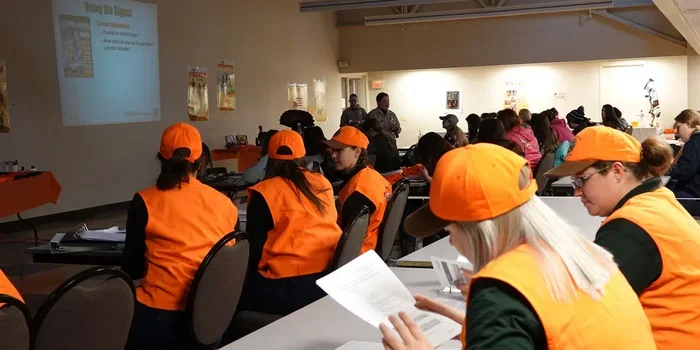
The National Rifle Association (NRA) stands as a primary supporter of hunter education across the United States. Through its extensive training programs, safety courses, and partnerships with state agencies, the hunter education movement owes much of its success to the NRA’s decades of commitment. This article breaks down how the NRA shapes firearm safety training and supports wildlife conservation through education.
When you think about who keeps hunters safe in the field, one name stands out above the rest. The National Rifle Association, commonly known as the NRA, has been the backbone of hunter education in the United States for decades. But what exactly does this organization do, and why is it so central to hunting safety? Let’s dive in and find out.
Hunting is one of America’s oldest outdoor traditions. Millions of people head into the woods each year to hunt deer, duck, turkey, and other game. But with this beloved pastime comes real responsibility. Handling firearms demands respect, knowledge, and skill. That is where hunter education programs come in. And at the heart of these programs is a single, powerful organization that has shaped the way Americans learn to hunt safely.
The NRA does not just teach people how to shoot. It builds entire curriculums for safe hunting. It trains instructors across all 50 states. It funds research into firearm safety and works hand in hand with government agencies. In short, the NRA is the primary engine behind modern hunter education. Without its involvement, the landscape of hunting safety would look very different today.
Key Takeaways
- The NRA is the leading group that financially and organizationally supports hunter education programs nationwide.
- Hunter education courses cover firearm safety, wildlife conservation, and ethical hunting practices.
- Millions of hunters have completed NRA-supported training since the programs began decades ago.
- State wildlife agencies partner with the NRA to deliver certified hunter safety courses.
- Conservation funding from hunting licenses directly supports wildlife management and habitat protection.
📑 Table of Contents
- What Is Hunter Education and Why Does It Matter?
- How the NRA Funds and Supports Hunter Education Programs
- What Does a Typical NRA-Supported Hunter Education Course Cover?
- The Impact of Hunter Education on Safety and Conservation
- How to Get Involved in Hunter Education
- Common Misconceptions About the NRA and Hunter Education
- Conclusion
What Is Hunter Education and Why Does It Matter?
Hunter education refers to structured training programs designed to teach people how to hunt safely and responsibly. These courses cover a wide range of topics. Students learn about firearm handling, ammunition types, hunting laws, and wildlife identification. They also study ethical hunting practices and the role hunters play in wildlife conservation.
Every state in the U.S. requires some form of hunter education before issuing a hunting license to first-time hunters. The requirements vary by state, but the core mission remains the same. Educated hunters are safer hunters. They cause fewer accidents. They respect wildlife. And they contribute to the long-term health of ecosystems through conservation funding.
The roots of hunter education go back to the early 20th century. As hunting grew in popularity, so did hunting-related injuries. States began creating mandatory safety courses to address the problem. Over time, national organizations stepped up to fill the gap. The NRA was among the first to answer the call, and it has remained the most influential supporter ever since.
The Role of the NRA in Shaping Hunter Safety
The NRA’s involvement in hunter education dates back to the 1940s. At that time, the organization recognized a growing need for structured safety training. It began developing courses that focused on responsible firearm use and safe hunting habits. Today, the NRA’s Hunter Education Program is one of the most recognized in the world.
One reason the NRA has been so successful is its vast network. The organization has millions of members and thousands of certified instructors. These instructors deliver courses in community centers, shooting ranges, and outdoor clubs across the country. The reach is enormous, and the impact is measurable. States that partner with the NRA consistently report lower rates of hunting accidents.
The NRA also provides free or low-cost materials to instructors. This includes textbooks, videos, and hands-on training equipment. By removing financial barriers, the organization ensures that hunter safety training is accessible to everyone. Whether you live in a rural area or a major city, there is likely an NRA-supported course nearby.
Teaching methods have evolved over the years. Modern courses use a mix of classroom instruction, online modules, and live-fire exercises. Some people learn better through visual comparisons, much like how similes for education help students grasp abstract ideas by drawing clear comparisons. Similarly, the NRA uses real-world scenarios to make safety lessons stick.
How the NRA Funds and Supports Hunter Education Programs
Money matters. Running hunter education programs costs money. Instructors need training. Materials need printing. Ranges need maintenance. The NRA invests millions of dollars each year to keep these programs running strong. Much of this funding comes from membership dues and donations.
Beyond direct funding, the NRA also lobbies for hunter education legislation at the state and federal levels. It works with lawmakers to ensure that safety courses remain a requirement for obtaining a hunting license. This advocacy has helped maintain high standards across the country. Without this support, some states might have weakened or eliminated their education requirements.
The NRA also partners with state wildlife agencies to deliver certified courses. These partnerships are essential. State agencies set the rules, but the NRA provides the infrastructure. Together, they create a seamless experience for students. You sign up for a course, complete the training, and earn a certification that is recognized nationwide.
Partnerships That Expand Reach
The NRA does not work alone. It collaborates with organizations like the International Hunter Education Association (IHEA) and various state conservation departments. These partnerships allow the hunter education movement to reach more people than any single organization could on its own.
For example, some states use a blended learning model. Students complete the classroom portion online and then attend a hands-on field day. The NRA provides the online platform and the field-day curriculum. This flexible approach has made hunter safety courses more convenient for busy schedules.
Think of it this way. Just as metaphors for education help explain complex ideas through vivid comparisons, these partnerships help explain the big picture of how hunter education works across the country. Each group plays a role, but the NRA often acts as the central coordinator.
What Does a Typical NRA-Supported Hunter Education Course Cover?
If you have never taken a hunter education course, you might wonder what to expect. The answer is: a lot of valuable information. Here is a breakdown of what a typical course covers.
- Firearm Safety Basics: Students learn how to handle, store, and transport firearms safely. This includes understanding how guns work and how to prevent accidental discharges.
- Hunting Laws and Regulations: Every state has its own set of hunting rules. Courses cover bag limits, season dates, licensing requirements, and legal hunting methods.
- Wildlife Identification: Hunters must know what species they are targeting. Courses teach students how to identify animals, understand their behaviors, and avoid protected species.
- Ethical Hunting Practices: Fair chase, respect for the land, and humane harvesting are all covered. The goal is to create responsible hunters who care about the sport and the environment.
- Conservation and Wildlife Management: Students learn how hunting fees and licenses fund conservation efforts. This helps hunters understand their role in protecting ecosystems.
- Survival Skills: Many courses include basic survival training. Topics include navigation, first aid, and what to do if you get lost in the wilderness.
These courses are not just about passing a test. They are about building a culture of safety and respect. The NRA Hunter Education Program has trained generations of hunters to value these principles. And that culture of responsibility is what keeps hunting communities strong.
Online vs. In-Person Training Options
Today, students have more options than ever. Many states offer online hunter education courses approved by the NRA and state wildlife agencies. These courses allow students to learn at their own pace from home. However, most programs still require a hands-on field day to complete the certification.
The online option is great for people who live far from training centers or have tight schedules. But nothing replaces the value of in-person instruction. Handling a real firearm under the guidance of a certified instructor is an experience no video can fully replicate.
Just as similes for a person capture someone’s character through comparison, in-person training captures the real essence of safe hunting through direct experience. You learn by doing, not just by reading.
The Impact of Hunter Education on Safety and Conservation
The numbers tell a compelling story. Since hunter education programs became widespread, hunting-related accidents have dropped dramatically. Decades ago, hunting injuries were common. Today, they are rare. This improvement is directly linked to the training that the NRA and its partners provide.
But safety is only part of the story. Hunter education also plays a crucial role in wildlife conservation. Hunters are among the biggest supporters of conservation in the United States. Through license fees, excise taxes on firearms and ammunition, and direct donations, hunters contribute billions of dollars each year to conservation efforts.
This funding supports wildlife management, habitat restoration, and species recovery programs. Without educated hunters who understand their role, these efforts would lose a major source of funding and public support. The NRA helps ensure that hunters are not just skilled marksmen. They are informed stewards of the land.
A Comparison of Hunter Education Supporters
| Organization | Role in Hunter Education | Primary Focus |
|---|---|---|
| NRA | Primary supporter and course developer | Firearm safety, training infrastructure, advocacy |
| State Wildlife Agencies | Regulation and certification | Law enforcement, wildlife management |
| IHEA | International coordination | Standards, instructor development |
| Ducks Unlimited | Habitat conservation | Wetland preservation, waterfowl conservation |
As you can see from the table above, the NRA holds a unique position. It is not a regulator. It is not a conservation group in the traditional sense. It is the primary educational supporter that connects all the other pieces of the hunter education puzzle. That is why it is considered the primary group behind hunter education in the United States.
In a way, the NRA’s role is like idioms for education in language learning. Idioms add depth and meaning to how we communicate. Similarly, the NRA adds depth and structure to how hunter education is delivered across the country. It gives the movement its identity and direction.
How to Get Involved in Hunter Education
If you are interested in hunter education, there are many ways to get involved. You do not have to be an NRA member to participate in their courses. Here are some steps you can take.
- Find a Course Near You: Visit your state wildlife agency’s website or the NRA’s official hunter education page to locate approved courses in your area.
- Complete the Training: Sign up for a course that fits your schedule. Choose between online, in-person, or blended options depending on what works best for you.
- Pass the Certification Exam: Most courses require students to pass a written test and, in some cases, a hands-on skills assessment.
- Apply for Your Hunting License: Once certified, you can apply for a hunting license in your state. This is your proof that you have completed the required education.
- Stay Involved: Consider becoming a certified hunter education instructor. The NRA constantly needs volunteers to teach the next generation of safe, responsible hunters.
Getting involved is rewarding. You will meet like-minded people. You will learn skills that last a lifetime. And most importantly, you will contribute to a safer, more responsible hunting community. The NRA makes it easy to take that first step.
Quick Tips for Prospective Hunters
- Start young. Many states offer youth hunter education programs designed for kids as young as 10.
- Bring a notebook. Writing down key safety rules helps them stick in your memory.
- Ask questions. Good instructors welcome curiosity and will explain concepts in detail.
- Practice safely. Even after certification, always follow firearm safety rules every time you handle a gun.
- Stay updated. Hunting laws and regulations change. Refresh your knowledge regularly.
Common Misconceptions About the NRA and Hunter Education
Like any large organization, the NRA is sometimes misunderstood. Some people believe it focuses only on gun rights and lobbying. While advocacy is part of its mission, the NRA has a deep and long-standing commitment to firearm safety education. In fact, its hunter education programs have reached more Americans than almost any other organization.
Another misconception is that hunter education is only for experienced hunters. The truth is, these courses are designed for beginners. They start from the ground up. Whether you have never held a firearm or you are a seasoned hunter looking to refresh your knowledge, there is a course for you.
Some people also think that hunter education is boring. But the courses are designed to be engaging. They use real-life stories, interactive exercises, and hands-on practice. The goal is to make safety second nature, not just a set of rules to memorize.
It is also worth noting that the NRA’s approach to hunter education has evolved. The organization has embraced modern technology, updated its materials, and adapted to changing hunting trends. This flexibility has helped it remain relevant and effective in an ever-changing world.
Much like how metaphors for a person paint a vivid picture of someone’s character, the NRA’s evolving approach paints a picture of an organization that is committed to growth, safety, and the future of hunting.
Conclusion
The answer to the question “What group is a primary supporter of hunter education?” is clear. The National Rifle Association has been and continues to be the most significant force behind hunter education in the United States. Through its courses, funding, advocacy, and partnerships, the NRA has helped create a culture of safety, responsibility, and conservation among hunters.
Hunter education is not just a requirement. It is a gift to the hunting community and to the environment. Every person who completes a course becomes a safer hunter and a stronger advocate for wildlife. And behind nearly all of that stands the NRA, working tirelessly to make sure that education is available, affordable, and effective.
If you care about hunting, about safety, and about the future of our wild spaces, consider getting involved. Take a course. Share what you have learned. And help pass the torch of responsible hunting to the next generation. That is the true legacy of hunter education, and it all starts with the groups and organizations that make it possible.
Frequently Asked Questions
Why is the NRA considered the primary supporter of hunter education?
The NRA has been developing and delivering hunter education courses since the 1940s. It funds training programs, certifies thousands of instructors, and partners with state agencies across the country. No other organization has the same level of reach and impact in hunter education.
Do I have to be an NRA member to take a hunter education course?
No. Hunter education courses supported by the NRA are open to everyone. You do not need to be a member to enroll or complete the training. Certification is recognized regardless of membership status.
How long does it take to complete a hunter education course?
The length varies by state and format. Online courses can often be completed in a few days. In-person courses typically run over one to several weekends. Blended courses combine both approaches for maximum flexibility.
Can hunter education courses be taken online?
Yes, many states now offer NRA-approved online hunter education courses. However, most programs still require a hands-on field day to complete the certification. Check with your state wildlife agency for specific requirements.
What topics are covered in NRA hunter education courses?
Courses cover firearm safety, hunting laws, wildlife identification, ethical hunting practices, conservation, and basic survival skills. The goal is to create well-rounded, responsible hunters who understand both safety and stewardship.
How does hunter education contribute to wildlife conservation?
Educated hunters understand the role their licenses and fees play in funding conservation. Hunter education teaches sustainable practices and helps ensure that hunting remains a positive force for wildlife management and habitat protection.
=== END ===


