
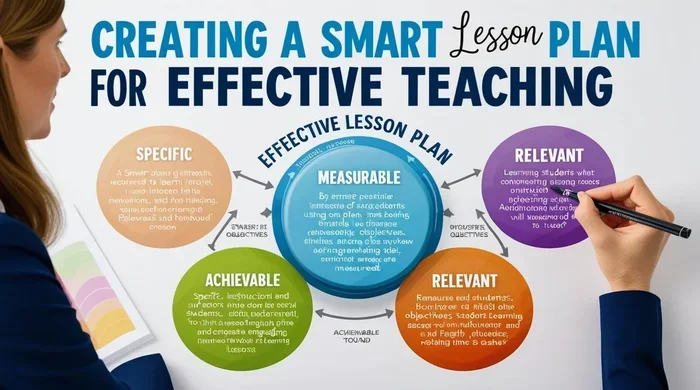
Content development in education is the process of creating, organizing, and delivering learning materials that help students understand and retain knowledge. It covers everything from lesson plans and textbooks to digital resources and interactive activities. Strong content development in education ensures that teachers have the tools they need and students get the best possible learning experience.
When we talk about content development in education, we are really talking about how learning materials come to life. Think about every worksheet, video, online quiz, or textbook your child or student has ever used. Someone had to create all of that. That someone is a content developer, and the process they follow is called content development.
This field has grown fast in recent years. With more schools moving online and teachers blending digital tools into their lessons, the need for high-quality educational content has never been greater. Whether it is a simple handout or a full e-learning course, every piece of learning material goes through a careful development process.
Content development in education is not just about writing. It involves research, design, testing, and revision. It also requires a deep understanding of how people learn. The goal is always the same: to create materials that help students grasp ideas quickly and remember them longer.
In this article, we will break down what content development in education really means, why it matters, and how it works in practice. You will also find practical tips and real-world examples that make this topic easy to understand.
Key Takeaways
- Clear Definition: Content development in education means designing and building all the materials used to teach and learn effectively.
- Student-Centered Focus: Great educational content puts the learner first and aligns with real learning outcomes.
- Step-by-Step Process: It follows a structured path from planning and drafting to reviewing and publishing.
- Multiple Formats: Content can be text-based, visual, digital, or interactive depending on the audience and goal.
- Ongoing Improvement: The best content is regularly updated based on feedback and changing needs.
- Technology Integration: Modern content development in education increasingly relies on digital tools and platforms.
📑 Table of Contents
- What Is Content Development in Education?
- Why Content Development Matters in Education
- The Content Development Process Step by Step
- Types of Educational Content That Developers Create
- Best Practices for Effective Content Development
- Common Mistakes to Avoid in Content Development
- Expert Insights on Content Development in Education
- The Future of Content Development in Education
- Conclusion
What Is Content Development in Education?
Content development in education refers to the entire process of creating instructional materials and learning resources. These resources can take many forms. They might be printed worksheets, digital slides, video lessons, or interactive simulations. The common thread is that each one is designed to support a specific learning goal.
At its core, content development in education answers a simple question: “What do learners need, and how do we give it to them in the clearest way possible?” The answer involves research, creativity, and a solid understanding of instructional design principles.
The Role of a Content Developer in Education
A content developer in education wears many hats. They might research a topic, write explanatory text, design visuals, or build interactive activities. They also work closely with teachers and subject matter experts to make sure the material is accurate and age-appropriate.
Good developers think about the end user — the student. They consider reading level, learning style, and cultural background. This ensures that the content is inclusive and accessible to all learners.
How Content Development Differs from Curriculum Design
People often confuse content development with curriculum design, but they are not the same thing. Curriculum design is the big-picture plan. It sets the standards, goals, and sequence of what will be taught. Content development fills in the details. It creates the actual materials that bring the curriculum to life.
Think of it this way. Curriculum design is like drawing a map. Content development is like building the road. Both are essential, but they serve different purposes in the educational content creation journey.
Why Content Development Matters in Education
You might wonder why we need a whole article about this topic. The truth is, content development in education directly affects how well students learn. Poorly developed materials can confuse students and frustrate teachers. Well-developed materials can transform a boring lesson into an engaging experience.
Here is a closer look at why this process matters so much.
It Supports Teachers Effectively
Teachers are busy. They plan lessons, grade papers, and manage classrooms all day long. When educational content is well-developed, teachers can spend less time searching for materials and more time actually teaching. Quality resources act as a reliable partner for educators in the classroom.
It Improves Student Engagement
Students today are digital natives. They respond well to interactive and visually rich content. When content development in education includes multimedia elements like videos, animations, and quizzes, students stay more engaged. Engagement leads to better retention and deeper understanding.
For example, using a metaphor like “the cell is a factory” can help students grasp complex biology concepts quickly. Similarly, similes for education can make abstract ideas feel familiar and relatable. These creative tools are part of what makes content development so powerful.
It Ensures Consistency and Quality
Without a structured development process, learning materials can vary wildly in quality. One teacher might use a fantastic video, while another uses a outdated textbook. A formal content development process sets standards and ensures that every resource meets a minimum quality bar.
It Helps Meet Learning Standards
Schools and districts follow specific academic standards. These standards define what students should know at each grade level. Content development in education ensures that every piece of material aligns with those standards. This alignment is critical for assessment and accountability.
The Content Development Process Step by Step
Creating great educational content is not a one-step job. It follows a clear process that helps developers produce materials that are accurate, engaging, and effective. Let us walk through each stage.
Step 1: Needs Assessment and Planning
Every project starts with a question: “What does the learner need to know?” Developers begin by analyzing the target audience. They look at age, skill level, and learning goals. This planning phase sets the foundation for everything that follows.
During this stage, developers also review content standards education requirements. They map out what topics need to be covered and in what order. A solid plan saves time and prevents costly revisions later.
Step 2: Research and Content Gathering
Next, developers dive into research. They gather facts, figures, and examples from trusted sources. For academic subjects, this might mean reviewing peer-reviewed journals or consulting subject matter experts.
Good researchers also look for metaphors for education and other creative devices that can simplify complex ideas. These literary tools make content more memorable and easier to understand.
Step 3: Drafting and Content Creation
This is where the actual writing and design begins. Developers create the first draft of the material. This could be a lesson script, a storyboard for a video, or a draft of an interactive module.
During drafting, developers focus on clarity and simplicity. They use short sentences, active voice, and everyday language. The goal is to make the content as easy to consume as possible. This is also when developers might incorporate idioms for education to make lessons more culturally rich and engaging.
Step 4: Review and Revision
No good content goes straight to the classroom. It goes through a review process. Subject matter experts check for accuracy. Instructional designers evaluate the structure and flow. Teachers test the materials with real students and provide feedback.
This review loop is essential. It catches errors, improves clarity, and ensures the content truly serves its purpose. Developers revise based on this feedback until the material is polished and ready.
Step 5: Publishing and Distribution
Once the content passes review, it is published. This might mean uploading it to a learning management system, printing worksheets, or embedding videos in a course platform. Distribution ensures that the right people — teachers and students — can access the materials easily.
Step 6: Evaluation and Updates
The final step is ongoing evaluation. Developers track how the content is being used and how well students are learning from it. Based on data and feedback, they make updates. This keeps the material fresh, relevant, and effective over time.
Types of Educational Content That Developers Create
Content development in education covers a wide range of material types. Each type serves a different purpose and works best in different situations. Here is a look at the most common types.
Text-Based Materials
These are the traditional backbone of education. They include textbooks, workbooks, reading passages, and printed handouts. Text-based materials are reliable and accessible. They do not require technology, which makes them useful in any classroom setting.
Digital and Multimedia Content
Digital content includes videos, podcasts, animations, and interactive simulations. This type of material is especially popular in e-learning content environments. It appeals to visual and auditory learners and can bring abstract concepts to life in ways that text alone cannot.
Interactive and Adaptive Content
Interactive content lets students engage directly with the material. Think of drag-and-drop exercises, virtual labs, or branching scenarios. Adaptive content goes a step further. It adjusts the difficulty level based on the student’s performance. This personalized approach is at the heart of modern adaptive learning content strategies.
Assessment and Quiz Materials
Tests, quizzes, and practice exercises are also part of content development. These tools measure whether students have achieved the learning outcomes. Well-designed assessments give teachers valuable feedback and help students identify areas where they need more practice.
Best Practices for Effective Content Development
Creating great educational content is both an art and a science. Developers who follow proven practices produce materials that truly make a difference. Here are some of the most important best practices to keep in mind.
Know Your Audience
Always start with the learner. What is their age? What is their reading level? What do they already know? Understanding your audience helps you tailor the content so it is neither too easy nor too difficult. This is the foundation of student-centered content design.
Keep It Simple and Clear
Use plain language. Avoid jargon unless it is a key term that students need to learn. Break complex ideas into small, manageable chunks. Short paragraphs and clear headings make content easier to scan and digest.
Use Visuals Strategically
Images, diagrams, and infographics can boost comprehension significantly. But visuals should always serve a purpose. A random picture does not help. A well-chosen diagram that explains a process does. Always pair visuals with brief captions or explanations.
Align with Learning Objectives
Every piece of content should tie back to a specific learning goal. Before you start creating, ask yourself: “What should the student be able to do after using this material?” If the content does not help achieve that goal, it needs to be revised.
Incorporate Feedback Loops
Great developers never stop improving. They collect feedback from teachers and students. They analyze performance data. They use this information to refine and enhance the content over time. Continuous improvement is what separates good content from great content.
Leverage Technology Wisely
Technology opens up exciting possibilities. From learning management systems to AI-powered content tools, technology can speed up development and enrich the learning experience. But it should always serve the content, not the other way around. Choose tools that genuinely improve the learner experience.
Common Mistakes to Avoid in Content Development
Even experienced developers make mistakes. Being aware of common pitfalls can help you avoid them. Here are a few to watch out for.
- Skipping the planning phase: Jumping straight into writing without a clear plan leads to disorganized and ineffective materials.
- Ignoring the audience: Content that does not match the learner’s level will either bore advanced students or overwhelm struggling ones.
- Overloading with information: Trying to cram too much into one lesson or module causes cognitive overload. Keep it focused.
- Neglecting accessibility: Materials that are not accessible to students with disabilities exclude a portion of the audience. Always design with inclusivity in mind.
- Forgetting to update: Educational content becomes outdated quickly. Regular reviews and updates are essential to maintain relevance and accuracy.
Expert Insights on Content Development in Education
We spoke with several instructional designers and curriculum specialists about what makes content development truly effective. Here are their top insights.
Start with the “why” before the “what.” One expert shared that the most successful projects always begin with a clear understanding of the learning purpose. Without that, even beautifully designed content misses the mark.
Collaboration is key. Developers who work closely with teachers produce far better materials than those who work in isolation. Teachers bring real-world classroom knowledge that no textbook can replace.
Test early and often. Another expert stressed the importance of pilot testing. Even a small group of students can reveal problems that developers would never catch on their own.
The Future of Content Development in Education
The landscape of content development in education is evolving rapidly. Technology is changing how content is created, delivered, and consumed. Here are some trends shaping the future.
AI-Powered Content Creation
Artificial intelligence is making it faster and easier to generate educational materials. AI tools can draft text, create quizzes, and even suggest improvements. While human developers still provide the creative vision and quality control, AI is becoming a powerful assistant.
Personalized and Adaptive Learning
Every student learns differently. The future of content development lies in materials that adapt to individual needs. Adaptive platforms can adjust content difficulty, pacing, and format based on each student’s performance and preferences.
Microlearning and Bite-Sized Content
Shorter, focused content modules are gaining popularity. These microlearning units deliver one concept at a time in just a few minutes. They are perfect for modern attention spans and fit easily into busy schedules.
Greater Focus on Accessibility
As education becomes more inclusive, content developers are placing a stronger emphasis on accessibility. This means creating materials that work for students of all abilities, using tools like screen readers, captions, and alternative text.
Conclusion
Content development in education is the backbone of effective teaching and learning. It transforms abstract ideas into clear, engaging materials that help students succeed. From planning and drafting to reviewing and updating, the development process ensures that every resource meets a high standard.
Whether you are a teacher, a developer, or simply someone interested in how education works, understanding this process gives you valuable insight. The next time you use a worksheet, watch a lesson video, or take an online quiz, you will appreciate the thoughtful work that went into creating it.
Great content changes lives. By investing in quality content development in education, we invest in the future of every learner.
Frequently Asked Questions
What does content development in education mean?
Content development in education means creating, organizing, and delivering learning materials such as textbooks, videos, worksheets, and digital modules. It follows a structured process to ensure the materials are accurate, engaging, and aligned with learning goals.
Why is content development important for teachers?
Well-developed content saves teachers time and gives them reliable resources to use in the classroom. It also ensures that all students have access to consistent, high-quality learning materials regardless of the teacher or school.
What skills do content developers in education need?
Content developers need strong writing skills, knowledge of instructional design, and an understanding of how students learn. They also benefit from familiarity with digital tools, research abilities, and the capacity to collaborate with teachers and subject experts.
How is content development different from content curation?
Content development involves creating new materials from scratch. Content curation means selecting and organizing existing resources. Both are valuable, but development is more hands-on and creative, while curation focuses on collection and organization.
Can AI replace human content developers in education?
AI can assist with drafting and generating ideas, but it cannot fully replace human developers. Human creators bring empathy, cultural awareness, and creative judgment that AI currently lacks. The best approach combines AI efficiency with human expertise.
What are some examples of educational content that developers create?
Examples include lesson plans, video tutorials, interactive quizzes, digital textbooks, infographics, and simulation-based activities. Each type serves a different learning style and can be used in both online and traditional classrooms.


