
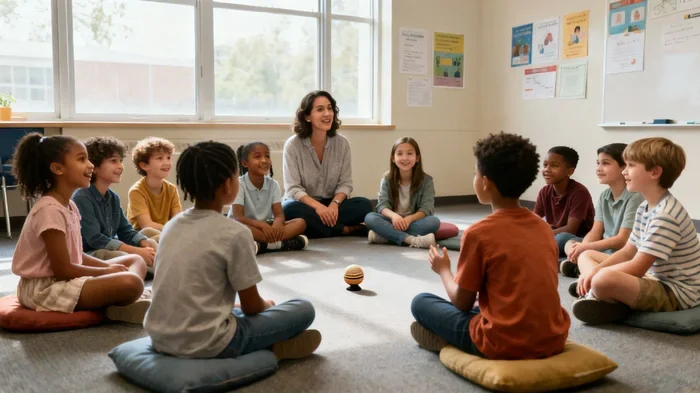
Restorative justice in education is a approach that focuses on repairing harm and building relationships instead of punishing students. It replaces traditional punishment with dialogue, accountability, and empathy to create safer and more inclusive learning spaces. Schools that use restorative justice in education see better behavior, stronger student connections, and improved academic outcomes. This guide covers everything you need to know about how it works and why it matters.
Key Takeaways
- Restorative justice in education shifts focus from punishment to healing and growth.
- Restorative practices like circles and peer mediation help students resolve conflicts peacefully.
- Schools using restorative justice report better behavior and stronger classroom communities.
- Traditional punitive discipline often fails students, especially those from marginalized backgrounds.
- Implementation requires training, commitment, and a school-wide culture shift.
- Restorative justice in education supports emotional learning and long-term student success.
📑 Table of Contents
- What Is Restorative Justice in Education?
- How Restorative Justice Works in Schools
- The Benefits of Restorative Justice in Education
- Restorative Justice vs Traditional Discipline
- How to Implement Restorative Justice in Your School
- Common Challenges and How to Overcome Them
- Real-World Examples of Restorative Justice in Education
- Key Takeaways
- Conclusion
What Is Restorative Justice in Education?
Restorative justice in education is a way of handling conflicts and behavioral issues in schools that focuses on healing rather than punishing. Instead of suspending or expelling students, educators use dialogue and accountability to repair harm and rebuild relationships. This approach treats misbehavior as a chance to teach, grow, and strengthen the school community.
The idea behind restorative justice in education is simple but powerful. When a student causes harm, the goal is not just to assign blame. It is to understand what happened, who was affected, and how everyone can move forward together. This mindset shift changes the entire culture of a school.
Restorative practices come in many forms. They include restorative circles, peer mediation, and guided conversations. Each method gives students a voice and helps them take ownership of their actions. Over time, these practices build empathy, trust, and respect among students and teachers alike.
Many schools around the world have already adopted restorative justice in education. The results speak for themselves. Students feel safer. Teachers feel more supported. And the overall school climate improves dramatically.
Why Restorative Justice in Education Is Gaining Popularity
Traditional school discipline often relies on punishment. Think detention, suspension, or even expulsion. These methods may stop bad behavior temporarily, but they do not address the root cause. Students who are punished often feel resentful, disconnected, and misunderstood.
Restorative justice in education offers a better path. It recognizes that students make mistakes, but it also believes they can learn from them. This approach is especially important for students who face challenges at home or in their communities. Punitive discipline can push these students further away from school. Restorative practices pull them closer.
Research supports this shift. Studies show that schools using restorative justice in education see fewer behavioral issues, lower suspension rates, and better academic performance. Parents and teachers also report higher satisfaction with school culture. It is no wonder that more educators are embracing this approach every year.
How Restorative Justice Works in Schools
Restorative justice in education is not a single program or a one-size-fits-all solution. It is a framework made up of many practices. Let us look at the core components that make it work.
Restorative Circles
Restorative circles are at the heart of most restorative justice programs. In a circle, students and teachers sit together in a safe space. Everyone has a chance to speak and listen. The circle addresses a specific issue or builds community as a preventive tool.
During a restorative circle, participants might share how a conflict made them feel. They might discuss what needs to happen to make things right. The key is that everyone participates equally. No one is singled out or blamed.
Circles work well for many situations. They can address bullying, classroom disruptions, or even everyday misunderstandings. When used regularly, circles create a sense of belonging that makes problems less likely to arise in the first place.
Peer Mediation Programs
Peer mediation is another powerful tool in restorative justice in education. Trained student mediators help their classmates resolve conflicts. This approach empowers students to take an active role in maintaining a peaceful school environment.
Peer mediators do not judge or decide who is right. They guide the conversation so both sides can express themselves. They help peers find solutions that work for everyone. This builds conflict resolution skills that students use for the rest of their lives.
Many schools have found that peer mediation reduces office referrals and suspensions. It also helps students develop leadership and communication skills. When students see their peers modeling positive behavior, they are more likely to follow suit.
Restorative Conferences
Restorative conferences are more structured than circles. They typically happen after a serious incident. Everyone affected by the harm sits down together. The person who caused the harm hears directly from those they impacted.
A trained facilitator guides the conference. The focus is on understanding the harm and planning how to repair it. The person who caused the harm might apologize, offer to help, or agree to make changes. The goal is accountability without shame.
Restorative conferences can be incredibly powerful. They give victims a voice. They give offenders a chance to make amends. And they give the whole community a path forward. This is where restorative justice in education truly shines.
The Benefits of Restorative Justice in Education
Restorative justice in education offers a wide range of benefits for students, teachers, and entire school communities. Let us explore the most important advantages.
Improved School Climate
Schools that embrace restorative practices create a more positive and welcoming environment. Students feel safe to express themselves. Teachers build stronger relationships with their students. Trust becomes the foundation of every interaction.
A positive school climate does not happen by accident. It is built through consistent use of restorative practices. When students see that adults listen and care, they respond in kind. The whole atmosphere shifts from fear-based to respect-based.
Better Student Behavior
One of the most noticeable benefits of restorative justice in education is improved behavior. Students learn to manage their emotions and resolve conflicts without aggression. They develop empathy and self-awareness.
Instead of reacting out of anger, students learn to pause and think. They understand how their actions affect others. This emotional growth leads to fewer disruptions and more time for learning. Teachers can spend less time managing behavior and more time teaching.
Reduced Suspension and Expulsion Rates
Traditional discipline often leads to suspensions and expulsions. These punishments remove students from school, which usually makes things worse. Students fall behind academically. They feel disconnected. And they are more likely to repeat the behavior that got them in trouble.
Restorative justice in education offers an alternative. Schools that use restorative practices see significant drops in suspension rates. Students stay in school and stay engaged. This is especially important for students of color and those from low-income families, who are disproportionately affected by punitive discipline.
Stronger Social and Emotional Skills
Restorative practices help students develop essential life skills. They learn to communicate clearly, listen actively, and solve problems collaboratively. These skills go far beyond the classroom.
Students who participate in restorative justice programs often show improved emotional regulation. They handle stress better. They build healthier relationships with peers and adults. These are skills that serve them throughout their lives.
Restorative Justice vs Traditional Discipline
Understanding the difference between restorative justice in education and traditional discipline helps clarify why the shift matters. Let us compare the two approaches side by side.
| Aspect | Traditional Discipline | Restorative Justice |
|---|---|---|
| Focus | Rule-breaking and punishment | Harm caused and relationship repair |
| Approach | Top-down, authoritarian | Collaborative and inclusive |
| Outcome for Offender | Suspension, detention, shame | Accountability, learning, growth |
| Outcome for Victim | Often ignored | Heard, supported, and validated |
| Long-Term Effect | Resentment, disengagement | Empathy, responsibility, connection |
| School Climate | Fear-based, punitive | Trust-based, supportive |
Traditional discipline treats symptoms. Restorative justice in education treats causes. One keeps students out of school. The other brings them together. The choice is clear for schools that want lasting positive change.
Traditional methods often rely on metaphors and similes to describe behavior, but they rarely address the deeper issues. For example, educators might describe a disruptive student as being “as stubborn as a mule” or compare their behavior to “a storm that disrupts the classroom.” While such language is common in everyday teaching, it does not help students understand or change their actions. Restorative practices go deeper. They encourage empathy building and meaningful dialogue instead of labeling. To learn more about how language shapes our understanding of behavior, you can explore similes for education and metaphors for education on our site.
Similarly, understanding the idioms for education helps educators communicate more effectively with students and families. When we use language that resonates, we create stronger connections and more productive conversations.
How to Implement Restorative Justice in Your School
Implementing restorative justice in education is a journey. It takes time, commitment, and buy-in from everyone in the school community. Here is a practical roadmap to get started.
Step 1: Build Leadership Support
Change starts at the top. School leaders must believe in restorative justice and commit to it fully. They should allocate resources, provide training, and model restorative practices in their own interactions.
Step 2: Train Staff and Faculty
Teachers and staff need proper training. They must learn how to facilitate circles, lead conferences, and handle conflicts restoratively. Professional development should be ongoing, not a one-time event.
Step 3: Start Small and Grow
Do not try to change everything at once. Start with one or two classrooms or one grade level. Build success and gather evidence. Then expand the program gradually. This approach builds confidence and reduces resistance.
Step 4: Engage Students and Families
Restorative justice works best when the whole community is involved. Students should have a voice in shaping the program. Families should understand the approach and feel welcome to participate.
Step 5: Monitor Progress and Adjust
Track data on behavior, attendance, and school climate. Use this information to refine the program. Celebrate wins and address challenges openly. Restorative justice in education is a living practice that evolves over time.
Common Challenges and How to Overcome Them
No initiative is without obstacles. Restorative justice in education is no exception. Here are some common challenges and practical solutions.
Resistance from Staff
Some teachers may feel that restorative practices are too soft. They might worry that students will take advantage of the approach. This is a common misconception. Restorative justice holds students accountable in a deeper way than punishment ever could.
To overcome resistance, share success stories and data. Let teachers see the results firsthand. Provide ongoing support and coaching. When staff see positive changes in their own classrooms, skepticism fades.
Lack of Time and Resources
Schools are busy. Finding time for restorative circles and conferences can feel impossible. But the truth is, restorative practices save time in the long run. They reduce disruptions, office referrals, and the time spent on disciplinary issues.
Start with short, regular check-ins. Even five-minute circles at the start of the day can make a big difference. As the practice becomes routine, it requires less extra time.
Ensuring Consistency
Restorative justice works best when it is applied consistently across the school. If only some teachers use it, students may not take it seriously. Whole-school commitment is essential.
Create clear guidelines and expectations. Hold everyone accountable, including administrators. Consistency builds trust and credibility in the program.
Real-World Examples of Restorative Justice in Education
Theory is powerful, but real-world examples bring the concept to life. Let us look at how restorative justice in education is making a difference in actual schools.
In Oakland, California, a high school implemented restorative circles school-wide. Within two years, suspension rates dropped by over 50 percent. Attendance improved. Students reported feeling safer and more connected to their teachers.
In New Zealand, schools have used restorative practices for decades. The approach is woven into the fabric of school life. Students as young as five participate in circles and learn to resolve conflicts peacefully. The results are a generation of young people who value empathy and accountability.
These examples show that restorative justice in education is not just a theory. It is a proven approach that transforms schools and changes lives.
Key Takeaways
- Restorative justice in education replaces punishment with healing and dialogue.
- Restorative circles, peer mediation, and conferences are core practices that build community.
- Schools using restorative approaches see better behavior, fewer suspensions, and stronger relationships.
- Traditional discipline often fails students, especially those from marginalized communities.
- Implementation requires training, leadership support, and a long-term commitment to cultural change.
- Restorative justice in education develops essential social and emotional skills in students.
Conclusion
Restorative justice in education represents a fundamental shift in how schools handle conflict and behavioral issues. It moves away from punishment and toward healing, accountability, and growth. This approach benefits everyone in the school community, from students and teachers to parents and administrators.
The evidence is clear. Schools that embrace restorative practices see better outcomes in behavior, attendance, and academic performance. More importantly, they create environments where every student feels valued and supported. Restorative justice in education is not just a discipline strategy. It is a commitment to building a more compassionate and equitable school culture.
If you are an educator, parent, or school leader, consider exploring restorative practices in your community. The journey takes effort, but the rewards are profound. Every school deserves to be a place where students can learn, grow, and thrive. Restorative justice in education makes that vision a reality.
Frequently Asked Questions
What is restorative justice in education in simple terms?
Restorative justice in education is an approach to school discipline that focuses on repairing harm and rebuilding relationships instead of punishing students. It uses dialogue, accountability, and empathy to address conflicts and behavioral issues in a constructive way.
How is restorative justice different from traditional school discipline?
Traditional discipline focuses on punishment, such as detention or suspension. Restorative justice focuses on understanding the harm caused and finding ways to repair it. It gives students a voice and helps them take responsibility for their actions in a supportive environment.
What are some common restorative practices used in schools?
Common practices include restorative circles, where students and teachers discuss issues together. Peer mediation lets trained students help classmates resolve conflicts. Restorative conferences bring everyone affected by an incident together to find a path forward. These practices build empathy and accountability.
Does restorative justice in education actually work?
Yes, research shows that schools using restorative practices see fewer suspensions, better attendance, and improved behavior. Students develop stronger social and emotional skills. The approach is especially effective for schools serving diverse and underserved communities.
Can restorative justice be used for serious incidents like bullying?
Absolutely. Restorative justice in education can be applied to serious incidents, including bullying. Restorative conferences and circles give victims a safe space to share their experience. They also help those who caused harm understand the impact of their actions and make meaningful amends.
How can a school get started with restorative justice?
Start by getting buy-in from school leaders and staff. Provide training in restorative practices like circles and conferences. Begin with a small pilot program and expand gradually. Engage students and families throughout the process for the best results.


