
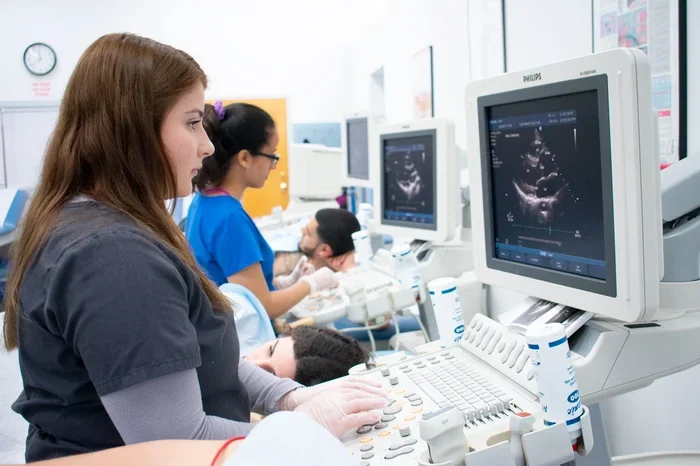
To become an ultrasound technician, you typically need an associate or bachelor’s degree in sonography or a related field, followed by professional certification. The right education gives you the skills in medical imaging and patient care that employers look for. Whether you choose a two-year or four-year path, completing an accredited program is the first step toward a rewarding healthcare career.
Key Takeaways
- Associate Degree: The most common and fastest route, usually taking two years to complete.
- Bachelor’s Degree: Offers deeper knowledge and opens doors to advanced roles and higher pay.
- Certification Matters: Most employers prefer or require ARDMS certification after graduation.
- Accredited Programs: Always choose a CAAHEP-accredited program to ensure quality education.
- Clinical Training: Hands-on clinical internships are a critical part of every sonography program.
- Specialties Exist: You can focus on areas like obstetric, cardiac, or vascular sonography.
- Job Growth: The field is growing fast, making now a great time to pursue this career.
📑 Table of Contents
- What Education Is Needed to Become an Ultrasound Technician
- What Does an Ultrasound Technician Do?
- Education Pathways for Aspiring Sonographers
- Associate vs Bachelor’s Degree in Sonography
- Certification and Licensing Requirements
- What to Expect from Sonography School
- Career Outlook and Next Steps
- Conclusion
What Education Is Needed to Become an Ultrasound Technician
Becoming an ultrasound technician is one of the smartest moves you can make if you want a stable career in healthcare. Education to become an ultrasound technician is not as long or as hard as many other medical careers. Most sonographers start with just a two-year degree, and that is enough to land a good job. But there are also longer paths if you want to go further.
The journey starts with understanding your options. You need to know about degree programs, certification steps, and what schools look for in applicants. Think of your education like building a house. Every course you take and every clinical hour you complete is another brick in the foundation. Just like learning similes for education helps you express ideas better, choosing the right program helps you build a stronger career.
This guide walks you through everything you need to know. From degree types to certification exams, we cover it all. By the end, you will have a clear picture of the path that fits your goals and your life.
What Does an Ultrasound Technician Do?
Before diving into education, it helps to understand the job itself. An ultrasound technician, also called a diagnostic medical sonographer, uses sound waves to create images of the inside of the body. These images help doctors diagnose conditions, monitor pregnancies, and guide treatments.
Sonographers work in hospitals, clinics, and private practices. They interact with patients every day, explaining procedures and ensuring comfort. The role blends technical skill with strong people skills. You need to understand medical imaging technology and also communicate well with patients and doctors.
Key Responsibilities of a Sonographer
- Operating ultrasound equipment and adjusting settings for clear images
- Preparing patients for procedures and explaining what will happen
- Reviewing images for quality and identifying any abnormalities
- Maintaining and troubleshooting imaging equipment
- Collaborating with physicians to deliver accurate diagnostic information
- Documenting findings and maintaining patient records
These duties show why education to become an ultrasound technician matters so much. You are not just pushing buttons on a machine. You are a key part of the diagnostic team.
Education Pathways for Aspiring Sonographers
There is no single path to becoming an ultrasound technician. Different programs suit different people based on your goals, budget, and time. Let us look at the main education options available today.
Certificate Programs
A certificate program is the shortest route into sonography. These programs usually take 12 to 18 months to complete. They are designed for people who already have a healthcare background, such as registered nurses or radiologic technologists. A certificate focuses on sonography-specific skills and does not replace a full degree.
Certificate programs are great for career changers who want to move into sonography quickly. However, many employers prefer candidates with a formal degree. So a certificate alone may limit your options in the job market.
Associate Degree Programs
The associate degree in sonography is the most popular choice. It typically takes two years to complete at a community college or technical school. These programs cover anatomy, physiology, ultrasound physics, and patient care.
Most associate programs include a clinical internship. This hands-on training lets you practice scanning patients under supervision. It is one of the most valuable parts of your education because it gives you real-world experience before you graduate.
Bachelor’s Degree Programs
A bachelor’s degree in sonography takes about four years. It provides a deeper understanding of medical imaging, leadership skills, and advanced patient care. Many sonographers pursue a bachelor’s degree after already working with an associate degree.
A four-year degree opens doors to management positions, teaching roles, and specialized fields. If you want to advance quickly in your career, a bachelor’s program is a strong investment. Think of it this way — while idioms for education can make your learning journey more colorful, a bachelor’s degree makes your career journey more expansive.
Associate vs Bachelor’s Degree in Sonography
Choosing between an associate and bachelor’s degree is one of the biggest decisions you will make. Both paths lead to employment, but they offer different advantages.
| Feature | Associate Degree | Bachelor’s Degree |
|---|---|---|
| Duration | 2 years | 4 years |
| Depth of Study | Core sonography skills | Advanced imaging and leadership |
| Clinical Hours | Included in most programs | Extended clinical rotations |
| Career Entry Speed | Faster | Slower |
| Advancement Potential | Good | Excellent |
| Average Starting Salary | $60,000 – $70,000 | $65,000 – $80,000 |
| Specialization Options | Standard specialties | Broader range of specialties |
The right choice depends on your personal situation. If you want to start working quickly, an associate degree makes sense. If you have the time and want long-term career growth, a bachelor’s degree is worth the extra effort.
Certification and Licensing Requirements
Most states do not require a license to work as an ultrasound technician. However, certification is almost always expected by employers. Certification proves that you have met professional standards and can perform sonography safely and effectively.
The ARDMS Certification
The American Registry for Diagnostic Medical Sonography (ARDMS) is the main certifying body. To earn certification, you must pass exams in specific areas of sonography. The most common credentials include:
- Abdomen (AB) — focused on imaging the abdominal organs
- Obstetric and Gynecologic (OB/GYN) — focused on pregnancy and female reproductive health
- Breast (BR) — focused on breast imaging and tumor detection
- Cardiac (RDCS) — focused on heart imaging and function
- Vascular Technology (RPVI) — focused on blood flow and vascular health
Most sonographers start with the Sonography Principles and Instrumentation (SPI) exam. This is the foundational exam that covers ultrasound physics and equipment basics. After passing SPI, you can pursue specialty exams based on your career goals.
Continuing Education
Certification is not a one-time event. You must complete continuing education credits to maintain your credentials. This ensures you stay current with new technology and techniques in diagnostic imaging. The commitment to ongoing learning is one of the best parts of this career.
What to Expect from Sonography School
Sonography school is challenging but rewarding. You will spend time in classrooms and labs learning the science behind ultrasound. Then you will apply that knowledge in real clinical settings.
Core Courses You Will Take
- Anatomy and Physiology — understanding the human body and its systems
- Ultrasound Physics — learning how sound waves create images
- Patient Care and Ethics — developing communication and professional skills
- Medical Terminology — speaking the language of healthcare
- Pathology — recognizing disease through imaging
- Instrumentation and Equipment — operating and maintaining ultrasound machines
These courses build your knowledge step by step. Early classes focus on foundations, while later classes dive into specialized diagnostic imaging techniques. You will also spend significant time in clinical rotations, where you work directly with patients and experienced sonographers.
Tips for Succeeding in Sonography School
- Stay organized with a study schedule and stick to it
- Practice scanning on friends and family when allowed
- Ask questions during clinical rotations — there is no such thing as a silly question
- Join study groups with classmates to review difficult concepts
- Focus on patient communication skills, not just technical ability
- Use metaphors for education and other learning tools to make tough concepts stick
Sonography school requires dedication, but the payoff is enormous. Graduates leave with real skills and confidence that employers value highly.
Career Outlook and Next Steps
The job market for ultrasound technicians is strong and growing. The Bureau of Labor Statistics projects much faster than average growth for diagnostic medical sonographers over the next decade. This growth is driven by an aging population, increased use of ultrasound as a safer alternative to radiation, and advances in imaging technology.
Where Do Sonographers Work?
Sonographers find opportunities in many settings:
- Hospitals — the largest employer of sonographers
- Outpatient imaging centers
- Obstetrics and gynecology clinics
- Cardiology practices
- Vascular labs
- Private physician offices
Salary Expectations
The median annual salary for ultrasound technicians is around $75,000 to $80,000. Entry-level positions start lower, while experienced sonographers and those in specialized fields can earn significantly more. Location also plays a big role in pay levels.
Your Next Steps
If you are ready to start, here is a simple action plan:
- Research accredited sonography programs near you or online
- Check admission requirements and application deadlines
- Choose between an associate or bachelor’s degree based on your goals
- Apply to CAAHEP-accredited programs
- Complete your clinical internship with dedication
- Prepare for and pass the ARDMS certification exam
- Start applying for jobs and building your professional network
Every step you take in your education to become an ultrasound technician brings you closer to a fulfilling career in healthcare. The path is clear, the demand is high, and the rewards are real.
Conclusion
Education to become an ultrasound technician is more accessible than many people think. Whether you choose a certificate, an associate degree, or a bachelor’s program, you can enter this growing field with confidence. The key is to choose an accredited program, gain hands-on experience, and earn your certification.
Sonography offers a career that combines technology, patient care, and diagnostic skill. It is a field where you make a real difference in people’s lives every single day. Start exploring programs today, and take the first step toward becoming a skilled ultrasound technician.
Frequently Asked Questions
How long does it take to become an ultrasound technician?
Most people complete an associate degree in two years or a bachelor’s degree in four years. Certificate programs can be finished in 12 to 18 months. After graduation, you will also need time to study for and pass certification exams.
Do ultrasound technicians need a license?
Most states do not require a license for sonographers. However, nearly all employers prefer or require certification from ARDMS. Certification serves as the professional standard in the field and greatly improves your job prospects.
Can I become an ultrasound technician online?
Yes, many accredited programs offer online coursework for the classroom portion. However, clinical training must be completed in person at a healthcare facility. Hybrid programs that combine online learning with hands-on clinical hours are very common and effective.
What is the easiest sonography specialty to get certified in?
Abdominal sonography is often considered the most straightforward specialty for beginners. Obstetric sonography is also popular because of its high demand. The easiest specialty depends on your background and interests. Starting with the SPI exam gives you a strong foundation for any specialty you choose.
Is sonography school harder than nursing school?
Sonography school and nursing school are different in focus and difficulty. Nursing programs cover a broader range of patient care topics, while sonography programs focus deeply on imaging technology. Both require strong study habits and clinical skills. Most students find sonography school manageable if they stay organized and committed.
What makes a sonography program accredited and why does it matter?
Accreditation from CAAHEP (Commission on Accreditation of Allied Health Education Programs) ensures the program meets quality standards. Employers prefer graduates from accredited programs, and you often cannot sit for certification exams without graduating from an accredited school. Always verify accreditation before enrolling in any sonography program.


