
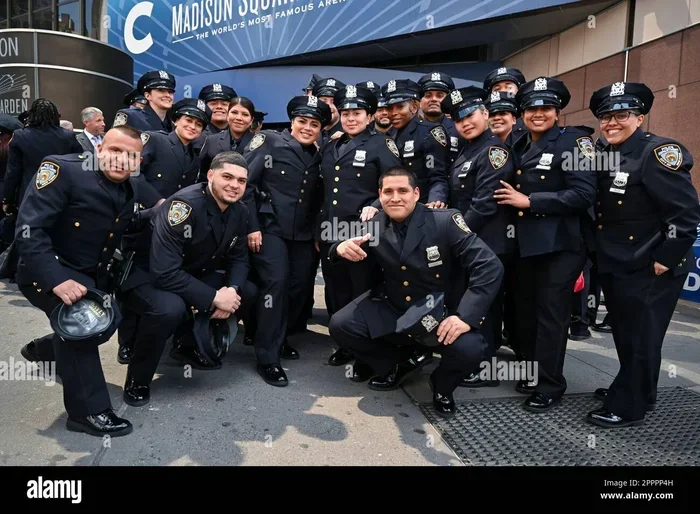
Becoming a police officer starts with the right education. Most departments require at least a high school diploma, but many now prefer or require a college degree in criminal justice or a related field. The path includes completing police academy training, meeting physical and background standards, and staying committed to lifelong learning in law enforcement.
Key Takeaways
- Minimum education: A high school diploma or GED is the baseline requirement for most police departments.
- College advantage: An associate or bachelor’s degree in criminal justice opens more doors and higher pay.
- Police academy is mandatory: Every officer must complete a state-certified training academy program.
- Specialized roles need more schooling: Detectives, federal agents, and promotions often require advanced degrees.
- Physical and mental fitness matter: Education alone is not enough; you must pass rigorous fitness and background checks.
- Continuing education helps: Many departments offer tuition assistance for officers pursuing higher degrees.
📑 Table of Contents
Understanding Police Officer Education Requirements
If you have ever dreamed of wearing the badge, you might wonder about the education requirements to become a police officer. The answer is not as simple as one size fits all. Different departments set different standards, and those standards keep changing. Let us break it all down so you know exactly what to expect.
The educational requirements for law enforcement vary by state, city, and federal agency. Some small towns will hire you with just a high school diploma. Big city departments and federal agencies often want college credits or a full degree. The trend across the country is moving toward higher education. More departments now see a college degree as a sign of professionalism and critical thinking skills.
Here is the big picture. Your police officer qualifications depend on three main areas: your formal education, your physical fitness, and your background check. Each one matters a lot. You cannot skip any of them and expect to get hired. Let us look at each piece in detail.
Why Education Matters in Law Enforcement
Police work is not just about chasing bad guys. Officers write reports, testify in court, de-escalate tense situations, and interact with diverse communities. A solid education helps you do all of those things better. Departments value officers who can think on their feet and communicate clearly.
Studies show that officers with college education tend to use force less often. They also earn higher salaries over their careers. Many departments now offer tuition reimbursement programs to encourage officers to keep learning. So investing in your education pays off in more ways than one.
High School Diploma vs. College Degree
The most basic requirement for becoming a cop is a high school diploma or GED. This is the floor that almost every department sets. Without it, you will not even get through the application door. But a diploma alone might not be enough if you want to compete in today’s job market.
More and more police departments now prefer candidates with some college coursework or a full degree. Here is a quick look at how the two paths compare:
What a High School Diploma Gets You
A high school diploma qualifies you for many local and county police departments. You can still build a solid career in law enforcement. However, your options for advancement may be limited. Small-town departments and rural agencies often accept diploma-only applicants. If you start there, you can always go back to school later.
Keep in mind that even with a diploma, you must pass written exams, physical fitness tests, and thorough background investigations. The competition can be tough, and having extra education sets you apart from other applicants.
What a College Degree Opens Up
An associate degree or bachelor’s degree in criminal justice, criminology, or a related field gives you a serious edge. Federal agencies like the FBI and DEA almost always require a bachelor’s degree. State police academies also favor degree holders. And when it comes time for promotions, a degree can make all the difference.
Many colleges now offer online criminal justice degree programs. This makes it easier for aspiring officers to earn credits while working or preparing for the academy. Whether you choose in-person or online study, the key is to pick a program that covers core topics like criminal law, ethics, and policing practices.
Popular Degrees for Aspiring Officers
Not all degrees are created equal when it comes to a career in policing. Here are some of the most respected choices:
- Criminal Justice: The most direct path. Covers law enforcement, corrections, and the legal system.
- Criminology: Focuses on why crime happens and how to prevent it.
- Law Enforcement Administration: Prepares you for leadership and management roles.
- Public Safety: A broader degree that covers police, fire, and emergency management.
- Psychology: Useful for understanding criminal behavior and mental health crises on the job.
You do not need to major in criminal justice to become a cop. Many successful officers studied history, English, or even engineering. What matters most is that you show you can handle college-level work. That discipline and knowledge set you up for success.
What Happens at the Police Academy
No matter how much education you have, you must complete a police academy training program. This is where classroom learning meets hands-on training. The academy is intense, demanding, and absolutely essential. Think of it as the bridge between your education and real-world policing.
Academy Curriculum and Training Hours
Police academy programs typically last 12 to 24 weeks. During that time, you will cover a wide range of subjects. The exact curriculum depends on your state, but most programs include:
- Criminal law and procedures
- Firearms handling and marksmanship
- Defensive tactics and physical combat
- Traffic control and accident investigation
- Report writing and criminal documentation
- First aid and emergency response
- Community relations and ethics
You will spend long hours in both classrooms and training fields. The physical demands are high. You must pass fitness tests, weapons qualifications, and scenario-based exercises. It is not easy, but thousands of officers complete the academy every year, and you can too.
State Certification Requirements
After the academy, you must earn your state peace officer certification. Each state sets its own standards for this certification. Some states require you to pass a state exam. Others mandate a certain number of field training hours with a senior officer. Make sure you understand your state’s specific officer certification process before you apply.
Your education background can help here too. Officers with college credits sometimes find the academy coursework easier. They already know how to study, write reports, and think critically. That prior learning gives them a real advantage during training.
Degrees That Boost Your Career
Getting hired is only the first step. If you want to move up in your career, additional education becomes even more important. A degree can lead to promotions, specialized assignments, and higher pay grades. Many departments create specific tracks for officers with college education.
Promotion and Advanced Roles
When promotion time comes, your education often tips the scales. Lieutenant, captain, and chief positions frequently require or strongly prefer candidates with bachelor’s or master’s degrees. Some departments even offer higher starting salaries to officers who already hold a degree when they are hired.
Specialized roles like detective, cybercrime investigator, or federal agent usually require advanced education. For example, the FBI hiring process requires a bachelor’s degree and at least two years of professional work experience. The DEA, Secret Service, and other federal agencies have similar standards.
Continuing Education and Professional Development
Learning does not stop after the academy. Many departments encourage or require officers to pursue ongoing education. Continuing education for police officers can include workshops, college courses, and specialized training certifications. Some officers go on to earn master’s degrees in criminal justice or public administration.
This commitment to learning shows leadership potential. It also keeps you current with changes in law, technology, and policing strategies. In a field that evolves constantly, staying educated is not just smart, it is essential.
The Hiring Process and Education
The police hiring process is long and thorough. Education is just one piece of the puzzle. You will face written exams, physical fitness tests, oral board interviews, background checks, and psychological evaluations. Each step is designed to find the best candidates for the job.
What Departments Look for in Applicants
Police departments want candidates who demonstrate integrity, judgment, and communication skills. Your education level sends a signal about your abilities. Here is what most departments look for during the hiring process:
- A clean criminal record and background check
- Strong moral character and ethical standards
- Physical fitness meeting departmental standards
- Good communication skills, both written and verbal
- Problem-solving ability and critical thinking
- A genuine interest in serving the community
Your resume and application should highlight your education, any military experience, and relevant work history. Volunteering for community service also strengthens your application. Departments want to see that you care about people and are committed to public service.
How to Stand Out as an Applicant
Competition for police jobs can be fierce, especially in desirable cities and agencies. To stand out, invest in your education before you apply. Even a few college credits can make a difference. Take courses in criminal justice, psychology, or public speaking. These subjects directly relate to police work and show your commitment to the profession.
Also, prepare thoroughly for the written exam and physical fitness test. Study practice materials. Train consistently for the agility and endurance portions. The more prepared you are, the smoother the entire process will go.
Final Thoughts on Becoming a Police Officer
The path to becoming a police officer starts with education, but it does not end there. Your educational background for police sets the foundation. It shapes how you think, how you communicate, and how you handle the challenges of the job. Whether you start with a diploma or push for a full degree, every step forward counts.
Remember that education is an investment in yourself. It opens doors, raises your earning potential, and prepares you for a long, fulfilling career in law enforcement. Start where you are, use what you have, and keep learning every step of the way. The badge is waiting for those who are ready to earn it.
If you want to deepen your understanding of language and communication in policing, you might find value in exploring education idioms that can sharpen your written and verbal skills. Similarly, learning about similes for education and metaphors for education can help you become a more effective communicator, a skill that every police officer needs in their daily work.
Take the first step today. Research your local department’s requirements, talk to officers in your area, and start building the education foundation you need. Your future in law enforcement starts with a single decision to learn and grow.
Frequently Asked Questions
What is the minimum education needed to become a police officer?
Most police departments require at least a high school diploma or GED. However, many departments now prefer or require some college coursework. An associate or bachelor’s degree in criminal justice gives you the strongest advantage in today’s competitive job market.
Can I become a cop without a college degree?
Yes, many local and county departments hire officers with only a high school diploma. You will still need to pass the police academy, physical fitness tests, and background checks. A degree becomes more important if you want to advance or work for federal agencies.
How long does police academy training take?
Police academy programs typically last between 12 and 24 weeks. The length depends on your state and the specific department. During this time, you will study law, firearms, defensive tactics, report writing, and community relations.
Does having a degree affect police officer salary?
Yes, officers with college degrees often earn higher starting salaries. Many departments offer pay incentives for degree holders. Over a career, the earning gap between degree holders and diploma-only officers can be significant.
What degree is best for a career in law enforcement?
A degree in criminal justice, criminology, or law enforcement administration is the most direct choice. However, degrees in psychology, public safety, or even English can be valuable. What matters most is that you develop strong communication and critical thinking skills.
Do federal agencies require more education than local police?
Yes, federal agencies like the FBI, DEA, and Secret Service typically require a bachelor’s degree plus relevant work experience. State police departments also tend to have higher education standards than local municipal departments.
=== CONCLUSION ===
The education you need to be a police officer depends on your goals and the department you want to join. A high school diploma gets your foot in the door. A college degree opens wider opportunities and higher pay. Either way, commit to learning and stay dedicated to your path. The world of law enforcement needs well-educated, passionate officers who are ready to serve. Start your journey today and build the future you deserve.


