
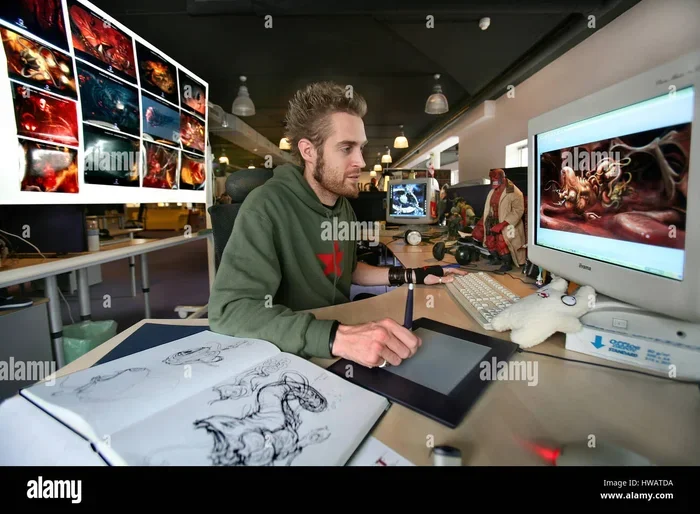
So, what education do you need to be a game designer? The good news is there is no single path. Many game designers hold a bachelor’s degree in game design, computer science, or a related field, but self-taught designers and bootcamp graduates also thrive in the game industry. The right choice depends on your goals, budget, and learning style.
Have you ever dreamed of creating the next big video game? Maybe you have imagined designing worlds, characters, and experiences that players would love. But then a question hits you: what education do you need to be a game designer? The answer might surprise you.
The truth is, there is no single road to becoming a game designer. Some professionals hold fancy degrees from top universities. Others learned everything through online tutorials and hands-on practice. Both paths can lead to a rewarding game design career. This guide breaks down every option so you can choose the best path for you.
Whether you are a student planning your future or a career changer looking for something exciting, this article covers it all. Let us dive in.
Key Takeaways
- A degree is not always required: Many successful game designers are self-taught or attended coding bootcamps.
- Popular degree options include: Game design, computer science, digital art, and interactive media.
- Technical skills matter: Programming, game engine proficiency, and digital creativity are essential.
- A strong portfolio outweighs credentials: Employers care more about what you can build than what diploma you hold.
- Soft skills are just as important: Teamwork, communication, and problem-solving drive success in the game industry.
- Continuous learning is key: The field evolves fast, so ongoing education keeps you competitive.
📑 Table of Contents
What Education Do You Need to Be a Game Designer?
The short answer? It depends on what kind of game designer you want to become. There are many roles in the game development world. Some focus on coding. Some focus on art. Others focus on storytelling and level design. Your educational path should match your chosen role.
Here is the most important thing to understand: a formal degree opens doors, but it is not the only door. Many studios care more about your game designer skills and portfolio than your diploma. That said, structured education gives you a strong foundation. It teaches you the technical and creative basics you need to succeed.
Let us explore the different education paths available to you.
Formal Degree Programs
A game design degree is one of the most direct routes into the industry. Many universities now offer specialized programs in game art and design. These programs cover everything from coding to character design to game production.
Here are the most common degree options:
- Bachelor of Science in Game Design: Focuses on the full lifecycle of creating games. You learn design theory, coding, and project management.
- Bachelor of Arts in Interactive Media: Emphasizes the creative side. You explore storytelling, user experience design, and visual design.
- Bachelor of Science in Computer Science: A strong technical foundation. Great if you want to focus on programming and game engines.
- Bachelor of Fine Arts in Digital Art: Perfect for artists who want to create characters, environments, and assets for games.
Most of these programs take four years to complete. They also include internships and capstone projects. These experiences are incredibly valuable when you start job hunting.
Coding Bootcamps and Certificate Programs
Not ready for a four-year commitment? Game design courses and coding bootcamps offer a faster route. These programs typically last three to six months. They focus on practical, hands-on skills.
Bootcamps are great for career changers. They teach you programming languages like C++, Python, or C# in a short time. You also learn how to use popular game engines such as Unity or Unreal Engine.
The downside? Bootcamps can be intense and expensive. But many employers respect the skills you gain. Plus, you build a portfolio along the way, which matters more than anything else in this field.
Self-Taught Paths
Can you teach yourself game design? Absolutely. Many successful designers are completely self-taught. The internet is full of free and affordable resources. You can learn digital creativity and technical skills from your bedroom.
Here is what self-taught learners typically do:
- Watch tutorials on platforms like YouTube and Udemy.
- Practice building small games using free tools.
- Join online communities to get feedback and support.
- Contribute to open-source game projects.
- Read books on game design theory and creative design.
The key to success as a self-taught designer is consistency. Set aside time every day to learn and build. Over months and years, your skills will grow. And your portfolio will speak for itself.
Core Skills Every Game Designer Needs
Education gives you a foundation, but skills are what get you hired. Whether you attend a formal program or learn on your own, you need to develop certain technical skills and soft skills for game designers.
Technical Skills
Game design is a technical field. You do not need to be a coding genius, but you should understand the basics. Here are the key technical areas:
- Programming: Knowing languages like C++, C#, or Python helps you communicate with developers and build prototypes.
- Game Engines: Unity and Unreal Engine are industry standards. Learning at least one is essential for any game design career.
- Digital Art Basics: You do not need to be a master artist, but understanding art pipelines and tools like Photoshop or Blender is a big plus.
- Level Design: This involves creating engaging environments and gameplay experiences. It is a blend of creativity and logic.
- User Experience Design: Understanding how players interact with games helps you create intuitive and enjoyable experiences.
These skills are often taught in game design programs and bootcamps. But you can also learn them independently through practice and online courses.
Creative and Soft Skills
Technical skills get your foot in the door. But creative and soft skills keep you there. The game industry values people who can think outside the box and work well with others.
Here are the soft skills that matter most:
- Storytelling: Great games tell compelling stories. Understanding narrative structure helps you design richer experiences.
- Teamwork: Game development is a team effort. You will work with artists, programmers, sound designers, and producers.
- Problem-Solving: You will face challenges every day. Being able to think critically and find solutions is crucial.
- Communication: You need to clearly explain your ideas to team members and stakeholders.
- Adaptability: The game production process changes fast. Being flexible and open to feedback helps you grow.
Interestingly, the way game designers communicate ideas often involves creative language. Much like learning similes for education helps students express ideas more vividly, game designers use figurative language and metaphors to pitch concepts and collaborate effectively with their teams.
Degree vs. No Degree: What Employers Really Want
This is one of the most debated questions in the game design industry. Does a degree matter? The honest answer is: it depends on the company and the role.
Let us look at what different types of employers value:
| Employer Type | Degree Preferred? | What Matters Most |
|---|---|---|
| Large Studios (e.g., EA, Ubisoft) | Often yes | Degree, relevant experience, and a strong portfolio |
| Independent Studios | Rarely | |
| Startup Companies | Usually no | Versatility, initiative, and hands-on skills |
| Freelance / Solo Developers | No | Portfolio quality and client satisfaction |
As you can see, the answer is not black and white. Large studios may filter resumes by degree. But smaller studios and indie teams care about one thing above all else: can you make great games?
This is why building a strong portfolio is so important. Your portfolio shows what you can do. It proves your game designer skills in a way that a diploma never can.
What Makes a Great Portfolio?
Your portfolio is your calling card. It should showcase your best work and demonstrate a range of skills. Here are tips for building one that stands out:
- Include completed projects: Finish games, even small ones. Completed work shows dedication and follow-through.
- Show variety: Display different types of work. Include level designs, character concepts, and gameplay prototypes.
- Document your process: Employers want to see how you think. Include sketches, wireframes, and design notes.
- Make it easy to access: Host your portfolio on a clean, professional website. Use platforms like Itch.io or your own domain.
- Update regularly: Add new projects as you grow. A fresh portfolio shows you are still learning and improving.
Think of your portfolio as your personal game design statement. It tells employers who you are and what you bring to the table.
How Figurative Language Enhances Game Design
You might wonder what figurative language has to do with game design. More than you think. Game designers constantly use creative language to communicate ideas, pitch concepts, and collaborate with teams.
When you describe a game mechanic, you might use a metaphor for education to make your point clearer. For example, you might say the tutorial level is “a bridge between the player and the game world.” This kind of language helps teams understand complex ideas quickly.
Similarly, understanding idioms for education can help you communicate more effectively in team settings. The game industry is collaborative. Clear communication prevents misunderstandings and keeps projects on track.
Beyond communication, figurative language also plays a role in game storytelling. The narrative elements of a game rely on creative expression. Designers who understand language and storytelling craft more immersive experiences for players.
The Game Design Industry: What to Expect
The game industry is growing fast. New opportunities appear every year. But it is also competitive. Understanding the landscape helps you set realistic goals and plan your education accordingly.
Here are some key facts about the industry:
- The global game market is worth over $200 billion and continues to grow.
- Game designers work in various settings: studios, startups, remote teams, and as freelancers.
- The average salary for a game designer in the US ranges from $60,000 to $90,000 per year.
- Job growth for game-related roles is projected to increase as mobile and VR gaming expand.
Success in the game industry requires more than just technical ability. You need passion, persistence, and a willingness to keep learning. The best game designers never stop exploring new ideas and tools.
One thing that sets great designers apart is their curiosity. They play games critically. They analyze what works and what does not. They constantly seek inspiration from other fields, including art, film, literature, and even figurative language arts.
Choosing the Right Education Path for You
Now that you know the options, how do you choose? Here are some questions to ask yourself:
- What is your budget? Formal degrees can be expensive. Bootcamps and self-learning cost less but require more discipline.
- How much time do you have? A bachelor’s degree takes four years. A bootcamp takes months. Self-learning is flexible.
- What role interests you most? If you want to code, a computer science degree or bootcamp makes sense. If you want to create art, look into digital art programs.
- Do you prefer structured learning? Some people thrive in classrooms. Others prefer the freedom of self-directed study.
- What are your career goals? If you want to work at a large studio, a degree may help. If you want to go indie, your portfolio matters most.
There is no wrong answer here. Every path has value. What matters most is that you start and stay committed.
A Quick Tip for Getting Started
If you are unsure where to begin, try this: download a free game engine like Unity or Godot. Build a tiny game this week. See how it feels. If you love it, dive deeper into game design courses or degree programs. If it is not for you, that is okay too. There are many roles in the game development world, and you will find your fit.
Remember, every expert was once a beginner. The most important step is the first one.
Conclusion
So, what education do you need to be a game designer? The answer is simpler than you might think. There is no single requirement. You can pursue a formal game design degree, attend a bootcamp, or teach yourself. What matters most is building your skills and creating a portfolio that showcases your talent.
The game industry welcomes people from all backgrounds. Whether you have a degree or not, your ability to design engaging experiences is what counts. Focus on developing both technical and creative skills. Stay curious. Keep building. And never stop learning.
The world of game design is waiting for you. Take that first step today, and who knows where your creativity will take you.
Frequently Asked Questions
Do I need a college degree to become a game designer?
No, a college degree is not strictly required. Many successful game designers are self-taught or attended bootcamps. However, a degree can help you stand out, especially at large studios. Ultimately, your skills and portfolio matter more than your diploma.
What is the best degree for a game designer?
The best degree depends on your focus. A Bachelor of Science in Game Design is the most direct route. Computer Science and Interactive Media are also excellent choices. If you are more artistically inclined, a Bachelor of Fine Arts in Digital Art works well too.
Can I become a game designer through self-learning?
Yes, absolutely. Many self-taught designers have built successful careers. The key is consistency and practice. Use free online resources, build projects, and create a strong portfolio. Self-learning requires discipline, but it is entirely possible.
How long does it take to become a game designer?
It depends on your path. A bachelor’s degree takes four years. Coding bootcamps last three to six months. Self-learning timelines vary widely. With consistent effort, you can build a professional portfolio within one to two years.
What skills are most important for a game designer?
Technical skills like programming and game engine knowledge are essential. But creative skills like storytelling, level design, and user experience thinking matter just as much. Soft skills such as teamwork and communication also play a huge role in your success.
Is the game design industry a good career choice?
Yes, the game industry is growing and offers exciting career opportunities. Game designers can work in studios, startups, or as freelancers. Salaries are competitive, and the work is creative and rewarding. It is a great choice for anyone passionate about games and interactive experiences.


