
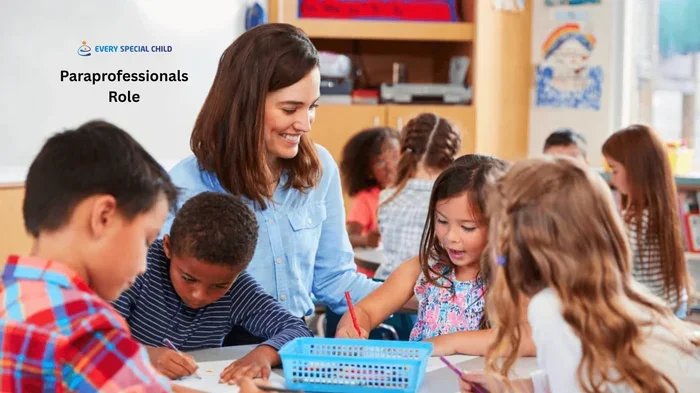
Para in education stands for paraprofessional, a vital support role that helps teachers and students every day. These dedicated professionals provide classroom assistance, manage behavior, and support special education needs. If you are considering a career in education, becoming a para is a rewarding entry point with real impact on student success.
This is a comprehensive guide about what does para stand for in education.
Key Takeaways
- Para stands for Paraprofessional: A trained support professional who works alongside teachers to enhance classroom learning and student outcomes.
- Paras play a critical role: They assist with instruction, classroom management, behavior support, and individual student needs, especially in special education settings.
- No four-year degree required: Many para positions require only a high school diploma, certification, or an associate degree, making this an accessible education career path.
- Growth opportunities exist: Experienced paras can advance to lead para roles, specialize in areas like autism support, or pursue teaching degrees.
- Key skills matter: Patience, communication, adaptability, and classroom management abilities are essential for success as a para.
- Demand is growing: Schools across the country need more paras to support increasing class sizes and diverse learner needs.
[FEATURED_IMAGE_PLACEHOLDER]
What Does Para Stand For in Education
If you have ever walked into a school and noticed someone helping a teacher manage a classroom, you might have wondered what does para stand for in education. The answer is simple: para is short for paraprofessional. A paraprofessional in education is a trained support worker who assists teachers, students, and school staff in a variety of ways. They are sometimes called teacher aides, instructional aides, or classroom assistants. No matter what title they carry, their job is to make the learning environment better for everyone.
The role of a para in education has grown significantly over the past decade. Schools now recognize that teachers cannot do everything alone. Class sizes are larger, student needs are more diverse, and the demands on educators are greater than ever. This is where paraprofessionals step in. They fill the gap between what a teacher can handle and what students need to thrive.
You might hear people use different terms for this role. Some say teaching assistant, others say instructional aide, and many simply say para. All of these terms refer to the same core job: supporting the learning process in a school setting. The specific duties can vary widely depending on the grade level, the subject, and the needs of the students.
One interesting thing about the education world is how rich its language is. For example, educators often use similes for education to describe teaching methods and learning experiences. Similarly, metaphors for education help paint a picture of the classroom as a dynamic, growing space. And just like any profession, education has its own set of idioms for education that insiders use every day. These expressions reflect the culture and spirit of teaching, and paraprofessionals are a big part of that culture.
The Role of a Paraprofessional in the Classroom
So what does a para in education actually do on a daily basis? The answer might surprise you. The role is far more diverse than most people realize. A paraprofessional is not just someone who passes out papers. They are a key part of the teaching team.
Supporting Teachers and Instruction
A paraprofessional educator works directly with the classroom teacher to deliver lessons. This might mean working with a small group of students who need extra help. It could also mean setting up materials, organizing lesson plans, or running learning centers. Paras often step in to re-explain a concept that a student did not understand the first time. This one-on-one attention can make a huge difference in a child’s learning journey.
Managing Classroom Behavior
Every teacher knows that keeping a classroom running smoothly is a challenge. A classroom aide helps manage behavior by monitoring students during lessons, group work, and transitions. They might use positive reinforcement techniques, redirect disruptive behavior, or provide a calm presence for students who are struggling. This support allows the teacher to focus on delivering instruction without losing momentum.
Assisting Students with Special Needs
One of the most important roles of a special education para is supporting students with disabilities or individualized education programs (IEPs). These students may need extra help with reading, math, or social skills. A para might work one-on-one with a student, help them stay on task, or adapt materials to meet their learning style. This kind of classroom support is essential for creating an inclusive learning environment where every student can succeed.
Building Relationships with Students
Great paras do more than just manage tasks. They build genuine relationships with students. When a child feels safe and supported, they are more likely to engage in learning. A para who shows up with a smile, remembers a student’s name, and takes an interest in their progress becomes a trusted figure in the school. These relationships are often the foundation for academic growth.
Why Paraprofessionals Matter in Education
The importance of paras in schools cannot be overstated. They are the backbone of many classrooms, and their impact reaches far beyond the walls of a single room.
Filling Critical Gaps in Staffing
Many schools face staffing shortages. Budget cuts, high turnover, and growing enrollment all contribute to this problem. Paraprofessionals help fill the gap by providing additional hands and eyes in the classroom. Without them, teachers would be overwhelmed, and students would receive less individual attention. A classroom aide ensures that the learning environment remains functional and supportive.
Improving Student Outcomes
Research shows that students benefit greatly from small group instruction and one-on-one support. Paras provide exactly that. They can work with struggling students during a lesson, giving them the extra practice and guidance they need. This targeted support often leads to better grades, improved behavior, and higher confidence in the classroom. When a student feels seen and supported, they are more likely to succeed.
Supporting Diverse Learner Needs
Today’s classrooms are incredibly diverse. Students come from different backgrounds, speak different languages, and learn at different paces. A para in education helps teachers address this diversity. They might translate materials for English language learners, adapt assignments for students with learning disabilities, or provide enrichment activities for advanced learners. This flexibility is what makes paraprofessionals so valuable.
Creating a Positive School Culture
Paras contribute to the overall culture of a school. They model kindness, patience, and respect for students every day. They also support teachers, which reduces burnout and improves job satisfaction. When teachers feel supported, they stay in the profession longer. When students feel cared for, they develop a love for learning. Paras are at the center of this positive cycle.
How to Become a Para in Education
Thinking about becoming a para in education? The good news is that this is one of the most accessible careers in the teaching profession. You do not need a four-year degree to get started, though many states require some form of para qualification or certification.
Educational Requirements
The requirements vary by state and school district. Some districts hire paras with just a high school diploma. Others require at least two years of college coursework or an associate degree. Many states have specific para certification programs that cover topics like child development, classroom management, and instructional strategies. These programs are often affordable and can be completed in a few months.
Key Skills and Qualities
Beyond formal education, certain skills make a great para stand out. Here are the qualities that schools look for most:
- Patience: Working with students requires a calm and understanding demeanor.
- Communication: You need to communicate clearly with teachers, students, and parents.
- Adaptability: Every day is different, and you must be ready to adjust quickly.
- Empathy: Understanding what students are going through helps you build trust.
- Organization: Keeping track of materials, schedules, and student progress is essential.
- Classroom management: Knowing how to keep students engaged and on task is a huge asset.
Getting Certified
If you want to boost your chances of landing a para job, consider earning a teaching certification for paraprofessionals. Many community colleges and online programs offer these courses. Some school districts even provide on-the-job training. The key is to show that you are committed to supporting student learning and professional growth.
Gaining Experience
Volunteering at a local school or community center is a great way to get started. It gives you real-world experience and helps you build connections in the education field. Many paras start as volunteers or substitute aides before earning a permanent position. This hands-on experience is invaluable and often leads to full-time opportunities.
Para vs. Teacher: Understanding the Difference
It is easy to confuse the role of a para with that of a certified teacher. While both work in the same classroom and share the goal of helping students learn, their responsibilities and qualifications are quite different.
Key Differences at a Glance
| Aspect | Paraprofessional (Para) | Certified Teacher |
|---|---|---|
| Education Required | High school diploma or associate degree | Bachelor’s degree and state certification |
| Primary Role | Support and assist the teacher | Lead instruction and design curriculum |
| Classroom Authority | Supports the lead teacher | Leads the classroom |
| Certification | May require state para certification | Full teaching license required |
| Salary Range | Typically lower than a teacher | Higher, with benefits and tenure |
| Career Path | Can advance to lead para or pursue teaching | Can advance to department head, admin, or specialist |
The most important thing to understand is that paras and teachers work as a team. A para in education does not replace a teacher. Instead, they extend the teacher’s reach, allowing them to focus on instruction while the para provides individualized support. This partnership is what makes a classroom function at its best.
Career Growth Opportunities for Paraprofessionals
One of the best things about starting as a para in education is that it opens doors to bigger and better opportunities. Many people use this role as a stepping stone into a full teaching career. Others specialize in areas like special education para support or behavioral intervention.
Pathways to Advancement
If you want to grow in your career, there are several paths you can take:
- Lead Para Role: Some schools offer lead para positions that come with more responsibility and higher pay. Lead paras often train new hires and coordinate classroom activities.
- Specialization: You can focus on a specific area such as autism support, English language learning, or behavioral health. Specialized paras are in high demand.
- Pursue a Teaching Degree: Many paras go back to school to earn a bachelor’s degree and become certified teachers. Their experience as a classroom aide gives them a huge advantage in teacher preparation programs.
- Move into Administration: With further education, some paras transition into school administration, counseling, or educational coordination roles.
The Value of Experience
Working as a para gives you firsthand experience in the education field. You learn how classrooms operate, how students learn, and how teachers plan. This experience is incredibly valuable, whether you stay in the para role or move on to something bigger. Many educators say that their time as a paraprofessional educator was the best preparation they ever received for teaching.
Common Challenges and How to Overcome Them
Like any job, being a para in education comes with its own set of challenges. Understanding these challenges can help you prepare and thrive in the role.
Feeling Undervalued
Paras sometimes feel like they are not given enough credit for their work. They may be assigned the most difficult tasks without recognition. The key is to advocate for yourself. Build strong relationships with teachers and administrators. Share your successes and let others see the impact you are making.
Managing Difficult Behaviors
Working with students who have behavioral challenges can be stressful. It is important to receive proper training in classroom management and behavior support strategies. Many districts offer professional development workshops that can help you feel more confident and prepared.
Balancing Work and Growth
If you are working as a para while pursuing further education, time management is critical. Set realistic goals, create a schedule, and lean on your support network. Remember that every step you take brings you closer to your goals.
Final Thoughts
The question of what does para stand for in education is more than just an acronym. It represents a career built on compassion, dedication, and a genuine love for helping students learn. Whether you are just starting out or looking to advance, the role of a paraprofessional offers meaningful work and real opportunities for growth. Schools need more people who are willing to step up and make a difference, and that could be you.
If you are passionate about education and want to be part of a team that shapes young lives, consider exploring the para in education path. It is a career where your effort directly impacts the future of students. And who knows? It might just be the beginning of an incredible journey in the teaching profession.
Frequently Asked Questions
What does para stand for in education?
Para stands for paraprofessional in education. A paraprofessional is a trained support worker who assists teachers, students, and school staff. They are also known as teacher aides, instructional aides, or classroom assistants. Paras play a vital role in creating a positive and effective learning environment.
What are the typical duties of a para in a school?
A para in education typically supports the lead teacher by helping with instruction, managing classroom behavior, and working with small groups of students. They may also assist students with special needs, prepare learning materials, and provide one-on-one support. The exact duties depend on the school, grade level, and student needs.
Do you need a degree to become a para?
Not always. Many districts hire paras with a high school diploma, though some require an associate degree or college coursework. Most states have para certification programs that can be completed in a few months. These programs cover essential topics like child development and classroom management. Check your local district requirements for specific details.
Can a para become a certified teacher?
Yes, absolutely. Many teachers start their careers as paras. The experience gained as a classroom aide is incredibly valuable and often gives aspiring teachers a strong foundation. To become a certified teacher, you would need to earn a bachelor’s degree and complete a teacher preparation program. Many schools offer tuition assistance for paras who want to advance.
How much does a para earn?
Paraprofessional salaries vary by state, district, and experience level. On average, paras earn less than certified teachers, but the role offers valuable experience and a pathway to higher-paying positions. Many districts also offer benefits, and the job can be a rewarding stepping stone into the broader education career field.
What skills make a great para?
The best paras are patient, empathetic, and adaptable. Strong communication skills are essential, as you will work closely with teachers, students, and parents. Organization, classroom management abilities, and a genuine passion for supporting student learning are also key. If you enjoy helping others and thrive in a fast-paced environment, this could be a great fit for you.
Frequently Asked Questions
What is what does para stand for in education?
what does para stand for in education is an important topic with many practical applications.


