
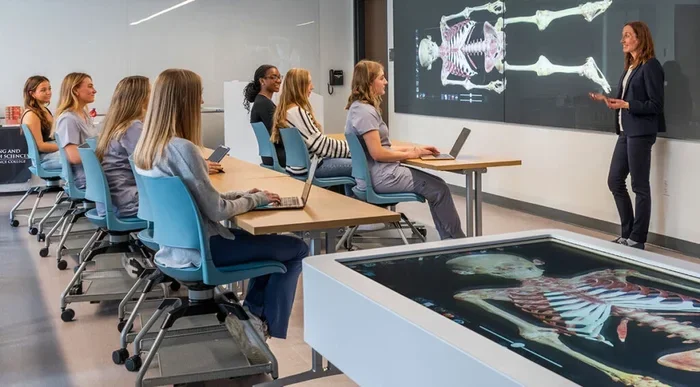
The education required to become a registered nurse is a clear, structured path with multiple options. You can choose from associate degrees, bachelor’s programs, or accelerated routes depending on your goals and timeline. This guide covers every step, from prerequisites and degree choices to licensing and career growth.
Key Takeaways
- Multiple degree paths exist: You can earn an ADN, BSN, or enter through accelerated programs depending on your goals and timeline.
- Prerequisites are non-negotiable: Science courses, GPA requirements, and entrance exams are essential to getting into nursing school.
- The NCLEX-RN exam is your gateway to licensure: Passing this exam is the final step in the education required to become a registered nurse.
- Clinical training builds real-world competence: Hands-on patient care experience is a core and irreplaceable part of every nursing program.
- Continuing education keeps you competitive: RNs must complete ongoing learning to maintain their license and advance their careers.
- BSN holders enjoy broader opportunities: Many employers prefer or require a bachelor’s degree, and it opens doors to leadership roles.
📑 Table of Contents
- The Education Required to Become a Registered Nurse
- Nursing Degree Programs You Can Choose From
- Prerequisites and Admission Requirements
- The NCLEX-RN Exam: Your Final Hurdle
- Clinical Training and Hands-On Experience
- After You Become an RN: Continuing Education and Specialization
- How Education Shapes Your Nursing Identity
- Key Takeaways
The Education Required to Become a Registered Nurse
Choosing to become a registered nurse is one of the most rewarding decisions you can make. The education required to become a registered nurse is clear, structured, and achievable. Whether you are just starting out or switching careers, knowing the steps ahead makes the journey much easier.
Nursing is more than a job. It is a calling that combines science, compassion, and hands-on care. Before you can wear scrubs and help patients, you need the right training. The education required to become a registered nurse covers both classroom learning and real-world clinical experience. Every state in the U.S. requires RNs to complete an accredited program and pass a licensing exam.
The good news is that there is no single path. You have options. Some programs take two years, while others take four. Some are designed for people who already hold a degree in another field. This flexibility means almost anyone can find a route that fits their life and goals.
Why Nursing Is a Great Career Choice
Nursing offers job security, competitive pay, and the chance to make a real difference every day. The Bureau of Labor Statistics projects strong growth in healthcare jobs for the next decade. Hospitals, clinics, schools, and home health agencies all need qualified nurses. The education required to become a registered nurse opens doors to a stable and fulfilling career.
Beyond job stability, nursing gives you variety. You can work in emergency rooms, pediatrics, mental health, or even travel nursing. The skills you gain during your nursing degree programs apply to many different settings. This versatility is one of the biggest advantages of choosing this career path.
The Different Levels of Nursing Education
Before diving into specific programs, it helps to understand the different levels of nursing education. Not all nurses follow the same route. Some start with a basic credential and build from there. Others jump straight into a four-year degree. Here is a quick look at the main levels.
Certified Nursing Assistants need the least amount of formal training. Licensed Practical Nurses complete a one-year certificate program. Registered Nurses need at least an associate degree. And those who want to advance often pursue a Bachelor of Science in Nursing. Each level builds on the last, and your choice depends on your career goals.
It is worth noting that the education required to become a registered nurse specifically refers to the RN level. That means completing either an ADN or BSN program and passing the NCLEX-RN exam. Everything below that is a stepping stone, and everything above is an option for growth.
Nursing Degree Programs You Can Choose From
Once you decide to pursue a career as a registered nurse, the next step is choosing the right program. The education required to become a registered nurse can be completed through several types of degrees. Each option has its own timeline, cost, and career outcomes. Let us break them down so you can make an informed choice.
Associate Degree in Nursing (ADN)
An Associate Degree in Nursing is the fastest way to become an RN. Most ADN programs take about two years to complete. You will study core nursing subjects like anatomy, pharmacology, and patient care basics. These programs are offered at community colleges and technical schools across the country.
The ADN route is popular because it gets you into the workforce quickly. You can start earning and gaining experience while deciding whether to continue your education later. Many nurses who earn an ADN go on to complete a BSN through an RN-to-BSN bridge program. This is a smart strategy if you want to enter the field fast and upgrade your degree over time.
Bachelor of Science in Nursing (BSN)
A Bachelor of Science in Nursing is the gold standard in nursing education. BSN programs typically take four years for traditional students. You will dive deeper into subjects like healthcare leadership, community health, and research methods. The education required to become a registered nurse through a BSN gives you a broader foundation and more career options.
Many hospitals now prefer or require BSN-prepared nurses. Some states are even pushing for mandates that require all RNs to hold a bachelor’s degree within a certain timeframe. If you are just starting your journey, a BSN is a strong investment in your future. It positions you for leadership roles, specialty areas, and higher earning potential from day one.
Direct-Entry and Accelerated Programs
If you already hold a bachelor’s degree in another field, you do not need to start from scratch. Direct-entry and accelerated BSN programs are designed for career changers. These intensive programs can be completed in 12 to 18 months. They build on your existing college credits and fast-track you into nursing.
These programs are demanding. You will compress years of learning into a shorter timeframe. But they are worth it if you are ready to switch careers quickly. The education required to become a registered nurse through an accelerated path is just as rigorous and respected as a traditional four-year degree.
Comparing Nursing Degree Options
Choosing between ADN and BSN programs can feel overwhelming. Here is a side-by-side comparison to help you decide.
| Factor | ADN | BSN |
|---|---|---|
| Duration | 2 years | 4 years (or 12-18 months accelerated) |
| Depth of Study | Core nursing skills | Broader scope including leadership and research |
| Career Opportunities | Entry-level RN positions | Wider range including leadership and specialty roles |
| Average Cost | Lower tuition at community colleges | Higher tuition at universities |
| Licensure Eligibility | Eligible for NCLEX-RN | Eligible for NCLEX-RN |
| Long-Term Earning Potential | Good, but may plateau | Higher ceiling for advancement |
Both paths lead to the same starting point: eligibility to take the NCLEX-RN exam and become a licensed RN. The difference lies in the depth of your training and the doors that open afterward.
Prerequisites and Admission Requirements
Getting into a nursing program is not automatic. Every school sets its own standards, but most have similar prerequisites. The education required to become a registered nurse starts before you even step into a classroom. You need to meet specific academic and personal requirements first.
Common Prerequisites
Most nursing programs require a set of foundational courses before admission. These typically include:
- Human Anatomy and Physiology – You will learn how the body works at a basic level.
- Chemistry or Biochemistry – Understanding how substances interact in the body is essential.
- Microbiology – This course covers bacteria, viruses, and how infections spread.
- English Composition – Strong writing skills matter for charting and documentation.
- Statistics – Nurses use data to make decisions and evaluate patient outcomes.
- Psychology or Sociology – Understanding human behavior helps you connect with patients.
These courses build the knowledge base you need for advanced nursing topics. If you are still in high school, focus on science and math classes. They will give you a head start when you apply to nursing school admission programs.
GPA and Entrance Exam Requirements
Most accredited programs look for a minimum GPA of 2.5 to 3.0 on a 4.0 scale. Some competitive schools may expect higher scores. In addition, many programs require you to take an entrance exam. Common tests include the TEAS (Test of Essential Academic Skills) or the HESI A2.
These exams measure your readiness in reading, math, science, and English. Preparing for them takes time and effort. Start studying early, and consider using review materials or prep courses. Strong test scores can make the difference between acceptance and rejection.
Quick Tips for Meeting Prerequisites
- Start your science courses early, even in high school or community college.
- Check each school’s specific requirements before applying.
- Consider taking prerequisite courses at a community college to save money.
- Keep your GPA high, especially in science and math courses.
- Give yourself plenty of time to prepare for entrance exams.
Common Mistakes to Avoid
Many aspiring nurses make preventable mistakes during the application process. One common error is waiting too long to complete prerequisites. Another is applying to only one program. The education required to become a registered nurse is competitive, so having backup options is wise.
Some students also underestimate the importance of extracurricular activities. Volunteering at hospitals or clinics shows admissions committees that you are serious about healthcare. It also gives you a glimpse into daily nursing life. Do not skip this step if you want to stand out.
The NCLEX-RN Exam: Your Final Hurdle
Completing your degree is a huge accomplishment, but it is not the final step. Before you can practice as a registered nurse, you must pass the NCLEX-RN exam. This standardized test evaluates whether you are ready to enter the profession safely and competently.
The education required to become a registered nurse is not complete until you earn your license. The NCLEX-RN covers topics like safe and effective care environments, health promotion, and physiological integrity. The test uses computer-adaptive technology, which means the difficulty of questions adjusts based on your answers.
How to Prepare for the NCLEX-RN
Preparation is the key to passing the NCLEX-RN on your first attempt. Most nursing programs include exam prep as part of their curriculum. However, additional study is almost always helpful. Here are some proven strategies:
- Start studying early. Do not wait until after graduation. Begin review materials while you are still in your final semester.
- Use practice questions. Practice tests help you get used to the format and identify weak areas.
- Join a study group. Learning with peers keeps you motivated and exposes you to different perspectives.
- Take practice exams under timed conditions. This simulates the real testing environment and builds stamina.
- Focus on your weak areas. Spend extra time on topics where you feel less confident.
Expert nursing exam preparation resources like review courses, flashcards, and online question banks can boost your confidence significantly. Many students find that a structured study plan over four to six weeks leads to the best results.
Expert Insights on NCLEX Success
According to experienced nursing educators, the biggest mistake students make is underestimating the exam. The NCLEX-RN tests not just knowledge but also critical thinking and clinical judgment. Treat your preparation like a course in itself. Give it the same seriousness as your academic work.
Pass rates vary by program and individual preparation, but students who follow a consistent study routine tend to perform best. Remember that the education required to become a registered nurse does not end at graduation. The NCLEX is the bridge between your studies and your career.
Clinical Training and Hands-On Experience
Classroom learning is essential, but nursing is a hands-on profession. Every accredited program includes clinical rotations where you work directly with patients under supervision. This clinical training is where theory meets real life, and it is one of the most valuable parts of your education.
What to Expect During Clinical Rotations
During clinical rotations, you will work in hospitals, clinics, long-term care facilities, or community health centers. You will be paired with experienced nurses who guide you through real patient care scenarios. These rotations typically increase in intensity as you progress through your program.
You will learn to take vital signs, administer medications, dress wounds, and communicate with patients and families. The clinical rotations you complete during your nursing curriculum are designed to build confidence and competence step by step.
Why Hands-On Experience Matters
There is no substitute for hands-on practice. Reading about patient care is important, but actually doing it is what makes you a competent nurse. Clinical placements expose you to the realities of healthcare work, including long hours, emotional challenges, and teamwork.
Many nursing students say their clinical experiences shaped their career direction. You might discover a passion for a specific area like oncology or neonatal care. These rotations also help you build a professional network that can lead to job opportunities after graduation.
Expert Insight
Clinical preceptors often say that the best nursing students are curious and humble. They ask questions, observe carefully, and are not afraid to admit what they do not know yet. The education required to become a registered nurse is not just about grades. It is about developing the judgment and compassion that patients need.
After You Become an RN: Continuing Education and Specialization
Once you earn your license, your learning does not stop. The education required to become a registered nurse is just the beginning. Healthcare is always evolving, and nurses need to stay current with new treatments, technologies, and best practices.
Continuing Education Requirements
Every state requires RNs to complete continuing education units to maintain their license. These requirements vary by state but typically range from 15 to 30 contact hours every two years. CEUs can be earned through workshops, online courses, conferences, and employer-sponsored training.
Continuing education for nurses keeps your skills sharp and ensures you provide the best possible care. It also opens doors to new roles and specializations. Many nurses find that ongoing learning is one of the most rewarding parts of their career.
Nursing Specializations to Explore
After you gain some experience as an RN, you may want to specialize. There are dozens of nursing specialties to choose from. Some popular options include:
- Critical Care Nursing – Working in ICUs with severely ill patients.
- Pediatric Nursing – Caring for infants, children, and adolescents.
- Oncology Nursing – Supporting patients through cancer treatment.
- Psychiatric Mental Health Nursing – Helping patients with mental health conditions.
- Geriatric Nursing – Focusing on the unique needs of older adults.
- Labor and Delivery Nursing – Assisting mothers during childbirth.
Each specialty requires additional nursing specialization training, often through certifications. These credentials demonstrate expertise and can lead to higher pay and better job opportunities.
Advanced Degrees for Career Growth
If you want to move into leadership, education, or advanced practice, consider pursuing a master’s or doctoral degree. Nurse practitioners, nurse educators, and nurse administrators all need advanced education. The nursing career path offers incredible flexibility for those who want to keep learning and growing.
Many employers offer tuition reimbursement programs to help you advance. And online degree programs make it easier than ever to continue your education while working full time. The investment in your healthcare education pays dividends throughout your entire career.
How Education Shapes Your Nursing Identity
The journey of nursing education is about more than earning a degree. It shapes who you become as a professional and as a person. The education required to become a registered nurse teaches you not just clinical skills but also empathy, resilience, and critical thinking.
Education has its own rich language and culture. Just as idioms for education capture the spirit of learning in colorful ways, the nursing profession has its own expressions that describe the journey. You will hear seasoned nurses talk about “tough days” and “lightbulb moments” in clinical training. Similarly, exploring how similes for education compare learning to everyday experiences can help you appreciate the metaphors that education uses. And just as metaphors for education paint vivid pictures of the learning process, your nursing journey will become full of its own powerful comparisons and stories.
These expressions remind us that education is not just about textbooks and exams. It is about transformation. The education required to become a registered nurse changes you. It sharpens your mind, deepens your compassion, and prepares you for a career that truly matters.
Building Confidence Through Education
One of the most valuable outcomes of your nursing education is confidence. When you complete your clinical rotations and pass your licensing exam, you walk into your first job with a sense of purpose. The knowledge and skills you gain during your nursing degree programs give you the foundation to handle real-world challenges.
Confidence grows with experience. Your first year as an RN can be intense. You will learn quickly that your education prepared you well, but there is always more to discover. That is the beauty of nursing. It is a profession that rewards curiosity and lifelong learning.
The Role of Mentorship in Your Education
Mentorship plays a huge role in nursing education. Experienced nurses guide students through clinical placements, offer career advice, and serve as role models. If you are in a nursing program, seek out mentors early. They can help you navigate challenges and see opportunities you might otherwise miss.
Many nursing schools formalize mentorship through peer programs or preceptor assignments. But informal mentorship happens naturally too. A kind word from a senior nurse during a difficult rotation can make all the difference. The relationships you build during your healthcare education often become lasting professional connections.
Key Takeaways
- Multiple degree paths exist: You can earn an ADN, BSN, or enter through accelerated programs depending on your goals and timeline.
- Prerequisites are non-negotiable: Science courses, GPA requirements, and entrance exams are essential to getting into nursing school.
- The NCLEX-RN exam is your gateway to licensure: Passing this exam is the final step in the education required to become a registered nurse.
- Clinical training builds real-world competence: Hands-on patient care experience is a core and irreplaceable part of every nursing program.
- Continuing education keeps you competitive: RNs must complete ongoing learning to maintain their license and advance their careers.
- BSN holders enjoy broader opportunities: Many employers prefer or require a bachelor’s degree, and it opens doors to leadership roles.
Frequently Asked Questions
What is the fastest way to become a registered nurse?
The fastest route is an Associate Degree in Nursing (ADN), which typically takes two years. Some accelerated BSN programs for career changers can be completed in 12 to 18 months. Both paths lead to eligibility for the NCLEX-RN exam and RN licensure.
Can I become a registered nurse without a degree?
No. All states require at least an associate degree or bachelor’s degree in nursing to become an RN. You must complete an accredited program and pass the NCLEX-RN exam to earn your license.
How long does nursing school take?
Traditional BSN programs take four years. ADN programs take about two years. Accelerated programs for those with a prior bachelor’s degree can be completed in 12 to 18 months. The length depends on the program type and your prior education.
Is the NCLEX-RN exam difficult?
The NCLEX-RN is challenging but manageable with proper preparation. It tests your knowledge and clinical judgment across multiple areas of nursing. Most students pass on their first attempt when they follow a structured study plan.
Do I need a BSN to work as a registered nurse?
No. An ADN is sufficient to become an RN and start working. However, many employers prefer BSN-prepared nurses, and some states are moving toward requiring a bachelor’s degree. Earning a BSN can expand your career options significantly.
What happens after I pass the NCLEX-RN exam?
After passing the NCLEX-RN, you apply for licensure in your state. Once licensed, you can begin practicing as a registered nurse. You will also need to complete continuing education requirements to maintain your license over time.
=== CONCLUSION ===
The education required to become a registered nurse is a journey that demands dedication, curiosity, and hard work. Whether you choose an ADN or BSN program, you are investing in a career that offers stability, purpose, and growth. From completing prerequisites to passing the NCLEX-RN, every step brings you closer to making a real difference in people’s lives.
Remember that learning does not end with your degree. Continuing education, specialization, and mentorship will shape your career for years to come. The nursing profession thrives on those who never stop growing. If you are ready to take the first step, start exploring programs in your area today. Your future as a registered nurse begins with the education you pursue right now.


